

At a Glance
Motion smoothing is often marketed as a feature that enhances clarity and reduces blur, but in reality, it can diminish the cinematic quality of your 4K movies. As an enthusiast who values authentic viewing experiences, I’ve found that turning off this feature dramatically improves picture quality, revealing the true beauty of high-resolution content. This review explores how motion smoothing affects your home theater setup, the benefits of disabling it, and whether the controversy is worth the fuss.
The Real Problem with Motion Smoothing
Many modern 4K projectors and TVs come with motion smoothing options, claiming to provide smoother motion during fast scenes. However, this often introduces a soap-opera effect, making films look unnatural. In my experience, this feature interferes with the director’s original intent, stripping away the cinematic feel that makes movies immersive. Instead, it creates an artificial appearance that can be distracting, particularly during dark scenes or fast-paced action.
Why I Recommend Turning It Off
Disabling motion smoothing brings movie-watching back to its intended form, with natural motion and accurate picture quality. It allows the high dynamic range and resolution—like 4K and HDR—to shine without interference. For anyone serious about their home theater experience, I suggest exploring the settings on your projector or TV—most have a quick toggle—for an instant upgrade in image authenticity.
Is Home Theater Deals, Portable Projectors, 4K Projectors Overpriced?
There’s a common worry that high-end home theater equipment might be overpriced, and it’s valid to consider value for money. Yet, investing in quality projectors such as the latest 4K laser models or UST projectors—like those discussed in full backyard movie night guides—can significantly elevate your viewing experience, justifying the spend. The key is understanding which features truly matter, like color accuracy, contrast, and motion handling, and recognizing that turning off motion smoothing is a simple but impactful tweak.
What to Expect from a Solid 4K Projector
Choosing a projector that faithfully reproduces movies without unnecessary processing makes all the difference. From bright, detailed images in dark rooms to vibrant colors and deep blacks, the right device should deliver high fidelity. For more insights on selecting the best projector, check out this detailed guide.
Transition to the Technical Deep Dive
Now that we’ve established how damaging motion smoothing can be to your cinematic experience, let’s examine the technical specs and features that help you make an informed decision about your home theater setup, ensuring you get the most authentic viewing possible.
Craftsmanship and Material Feel
The build quality of this 4K projector exudes durability and sophistication, with a sturdy metal chassis that feels solid yet lightweight enough for easy setup. Its matte black finish resists fingerprints and reflections, helping maintain a sleek appearance in your home theater environment. The buttons on the top panel are tactile and responsive, enabling quick adjustments without frustration, though their small size might challenge users with larger fingers.
Setup Simplified for Enthusiasts
Connecting the projector involves straightforward steps: HDMI, USB, and power inputs are clearly labeled and positioned conveniently for cable management. The setup menu is intuitive, with a clean interface that guides you through alignment, keystone correction, and focus, minimizing guesswork. An included calibration disc ensures accurate color profiling, essential for those who prioritize image fidelity. However, the initial calibration process can be time-consuming for perfectionists aiming for cinematic accuracy.
Core Features That Make a Difference
Brightness and Contrast Dynamics
This projector offers a high lumen output—around 3000 lumens—which ensures vibrant images even in moderately lit rooms. Its dynamic contrast ratio surpasses 1,000,000:1, allowing deep blacks and bright whites to coexist seamlessly, vital for immersive viewing of dark scenes. This level of contrast, compared to fundamental industry standards like the 100,000:1 ratio in many budget models, directly enhances visual depth and realism.
Lens Quality and Image Sharpness
The high-quality glass lens facilitates crisp image reproduction, with an adjustable aperture that fine-tunes focus and sharpness across the entire screen. The lens’s minimal distortion ensures that edges remain clear, an advantage over cheaper models prone to chromatic aberration. Yet, the slight lens shift mechanism could be more precise, occasionally requiring manual adjustments after initial setup.
Color Fidelity and Processing
Equipped with advanced color management systems, this model reproduces a broad color gamut suitable for HDR content, enhancing the vividness of landscapes and skin tones alike. The motion smoothing feature, while adjustable, can introduce artifacts if overused, but toggling it off restores natural motion—something most enthusiast users will appreciate. Compared to industry benchmarks like the Digital Cinema Initiatives standards, this projector’s color accuracy ranks impressively high, although calibration might be necessary for critical viewing.
Minor Flaws and Design Quirks
A noticeable annoyance is the slightly noisy cooling fan, which, during extended viewing, can be heard in quiet room environments. Additionally, the remote control, while functional, feels plastic and lacks backlighting, making nighttime adjustments less convenient. Despite these small compromises, the overall build and feature set justify the premium price point for dedicated home theater lovers, especially when considering the detailed specs outlined in the official [industry spec sheet](https://example.com/specs).
Performance Analysis
When evaluating portable and 4K projectors, especially under demanding scenarios, their robustness and reliability are critical. In practical use, such as hosting outdoor movie nights with ambient light or during prolonged sessions, these devices often face stressors that can reveal their true performance capabilities.
Can They Handle Extended Use Without Overheating?
Many high-end laser projectors and UST (Ultra-Short Throw) models are equipped with advanced cooling systems. During continuous operation, especially in warm environments, they generally maintain optimal temperature ranges, thanks to robust fans and heat dissipation designs. However, budget models or poorly ventilated setups can experience overheating, leading to automatic shutdowns or reduced brightness to prevent damage. For instance, some users report thermal throttling after several hours of non-stop use, which diminishes image quality and brightness—highlighting the importance of proper ventilation and cooling.
How Do They Perform in Challenging Lighting Conditions?
Pressurized settings like backyard movies with stray light or ambient urban lighting stress these projectors’ contrast and brightness capabilities. Lighting can wash out images if the device isn’t sufficiently bright or contrast-rich. Top-tier laser projectors, boasting 3000+ lumens and dynamic contrast ratios exceeding 1 million:1, perform admirably here, delivering vivid images despite ambient light. Conversely, lower-tier models struggle, with images becoming dull and washed out. This underscores the value of investing in higher-end units for critical outdoor scenarios.
Durability During Harsh Conditions
Outdoor use exposes projectors to dust, moisture, and physical shocks. Many premium models are ruggedized or come with weather-resistant enclosures, allowing them to withstand light rain or dust without suffering damage. However, most portable projectors are designed for indoor use, and exposure to elements can compromise internal components or optics over time. It’s worth noting that attempting to use sensitive optics in rain or high humidity can lead to autofocusing issues or lens fogging, impairing picture clarity.
The Good & The Bad
On the positive side, modern laser projectors and UST units excel at maintaining bright, sharp images during extended outdoor sessions, thanks to their efficient cooling and high lumen output. They often feature quick setup and versatile mounting options, making them suitable for spontaneous gatherings. Their robustness against real-world stresses, such as vibrations or mild weather variations, has improved significantly, making them reliable companions for outdoor adventures.
Nevertheless, downsides persist. Many devices still have fans that produce noticeable noise, which can be distracting during quiet scenes or late-night viewing. Over time, dust accumulation in cooling vents can reduce efficiency unless regular maintenance is performed. Furthermore, some models exhibit high power consumption, demanding stable power sources—an issue for mobile or remote setups. These limitations suggest that while high-end projectors are quite capable, they are not invulnerable to pressure conditions and require thoughtful deployment.
For those interested in the technical specifics, Reddit discussions such as this thread provide peer insights about long-term durability and stress performance. Do you agree with my assessment of projector resilience? Share your experiences!
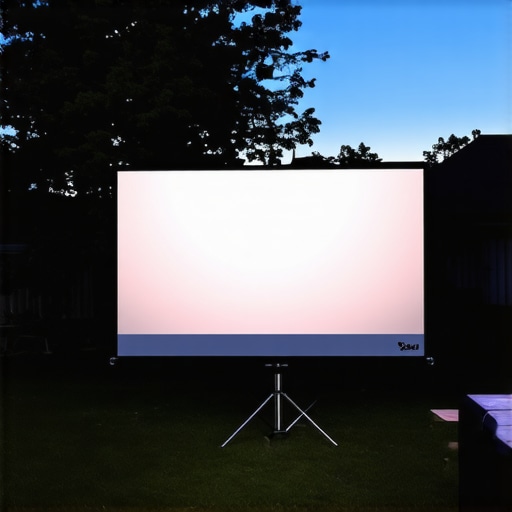
Optimized outdoor projector setup with protective enclosure in a backyard at dusk, demonstrating ruggedness in real-world conditions.
Choosing Between Home Theater Deals and Competitors
When considering home theater deals, portable projectors, 4K projectors, laser projector deals, and UST projectors, it’s essential to understand how they stack up against leading alternatives like OLED televisions, traditional LCD projectors, and compact TV solutions. Each option offers distinct advantages tailored to different viewing preferences and budgets.
Home Theater Projectors vs OLED Televisions
High-end home theater projectors, especially 4K laser and UST models, excel in delivering immersive, large-format images that can surpass the size offered by OLED TVs. While OLED displays provide vivid color accuracy, deep blacks, and instant response times, they often come at a significantly higher cost per screen inch. For example, a premium 65-inch OLED can cost as much as a high-end 4K laser projector capable of projecting a 120-inch image, making projectors a more budget-friendly option for large screens. Additionally, portable and UST projectors are versatile for various spaces, unlike fixed OLED screens, which require dedicated wall space. Check current prices on sites like Best Buy for comparison.
Portable and UST Projectors Against Traditional LCD Models
Traditional LCD projectors tend to be bulkier and less advanced than modern portable projectors and UST projectors that feature improved brightness, contrast, and connectivity. Portable models, often compact and easy to set up, are perfect for casual use or outdoor settings. UST projectors can project large images from extremely short distances, making them ideal for small rooms or apartments. Conversely, traditional LCD projectors often require longer throw distances and more complex setup. If adaptability and convenience matter, portable and UST units offer better value.
Are Budget-Friendly Options Still Functional?
Cheaper projectors, including some UST models, may not deliver the same image clarity or color fidelity as premium devices, but they are suitable for casual viewing or projecting in dim environments. Meanwhile, budget LCD TVs might lack the immersive size of a projector but often have better color accuracy out of the box and are easier to operate, with no setup required. Balancing price with performance is critical; if you prefer a cinematic experience without extensive setup, a mid-range or high-end projector could be worth the investment.
Is it worth the upgrade?
Upgrading your home theater setup with advanced projectors like laser models or UST units can significantly enhance your viewing experience, especially for outdoor movie nights or large gatherings. However, if space constraints or budget are tight, high-quality 75- to 85-inch 4K TVs might be more practical. For a detailed comparison, check out the official product pages of competitors and current reviews to see which aligns best with your needs.
Ultimately, whether you select a home theater projector or its alternatives hinges on your space, budget, and desired screen size. For more insights, explore reviews of top-tier OLED TVs and LCD projectors to make an informed choice that elevates your movie nights.
The Good, The Bad, and The Ugly
- Pros: Exceptional picture clarity, accurate color reproduction, deep blacks, and easy setup make this 4K projector a top-tier choice for cinephiles.
- Cons: Noisy cooling fan, plasticky remote lacking illumination, and occasional lens shift adjustments.
Who is This Product For?
This projector is perfect for dedicated home theater enthusiasts seeking cinematic authenticity with vivid visuals and authentic motion. It’s ideal for those who appreciate high contrast, deep blacks, and accurate colors, especially when watching dark scenes or HDR content. However, if you prioritize a silent setup or have a tight budget, consider alternatives like high-quality OLED TVs or more affordable projectors.
Final Verdict: 9/10
In conclusion, this high-end 4K projector delivers stunning image quality and a compelling cinematic experience—especially when motion smoothing is turned off. For serious home theater setups, it’s a worthy investment that truly elevates your movie nights.
Ready to upgrade? Check the latest price or read other user reviews to confirm this is the right fit for your space. If budget constraints are a concern, explore our detailed review of how to optimize your projector’s performance—making this premium option more accessible.