

At a Glance: A Critical Look at “Stop Projecting on Your Wall”
“Stop Projecting on Your Wall: The Simple Fix for Better Contrast” offers a straightforward approach to enhancing projector contrast by addressing common wall-related challenges. While the method is accessible and cost-effective, it may not be a comprehensive solution for all setups. I found that its effectiveness varies depending on wall conditions and setup environment, making it suitable for DIY enthusiasts but less so for professional home theaters.
Understanding the Core Promise
This guide aims to help users significantly improve image contrast without expensive equipment or complex calibrations—focusing on practical, easy-to-implement fixes that make a noticeable difference in picture quality.
Criteria for Evaluation
In my review, I assessed the effectiveness based on build simplicity, affordability, ease of implementation, and real-world results. I also compared it to alternative strategies like specialized screens or advanced calibration, considering how well it addresses contrast issues caused by walls and ambient light. For more details, check the official guide here: The Simple Cardboard Hack.
The Deep Dive Begins
Now, let’s analyze the core techniques and whether this approach truly delivers the promised contrast boost for portable projectors, home theater setups, and beyond.
Choosing the Right Wall Material for Better Contrast
One of the most critical factors in improving projector contrast is selecting an optimal wall surface. Matte, neutral-colored paints work best because they minimize light reflections that wash out the image. The material’s texture plays a role too; low-gloss finishes prevent glare, ensuring the projected picture remains crisp and vibrant. For instance, a smooth, matte wall with a non-reflective surface can significantly boost contrast, especially in rooms with ambient lighting.
Surface Coatings Matter
The application of specialized wall paints designed for projection can further improve image quality. These paints contain pigments that absorb excess light and reduce ambient reflections, creating a more uniform background. Their resilience to fading over time means you won’t need to repaint frequently, maintaining optimal contrast levels without ongoing maintenance.
DIY Contrast Enhancements Offer Practical Benefits
Simple yet effective methods, like applying a dark, flat wall covering or mounting a blackout cloth, are inexpensive ways to elevate contrast without investing in costly screens. These solutions are especially appealing for temporary setups or space-constrained environments where traditional screens are impractical. The key benefit is their low cost combined with noticeable improvements in black levels and color richness, making them ideal for casual home cinemas.
Design Flaws to Watch For
However, some DIY treatments can introduce uneven surfaces or textures that distort the projected image or create uneven brightness. For example, using rough wallpaper may cause light scatter, reducing contrast and clarity. It’s essential to ensure that any wall treatment is as smooth and matte as possible to maximize the effectiveness of contrast enhancement.
Comparing Wall-Based Methods to Premium Screens
While wall treatments are attractive for their affordability and ease of application, they generally fall short of dedicated projection screens that feature optical coatings designed to optimize contrast and color accuracy. Industry standards, such as those outlined by the Society of Motion Picture and Television Engineers (SMPTE), advocate for specialized screens in high-end home theater setups, underscoring the trade-off between cost-effectiveness and ultimate image quality.
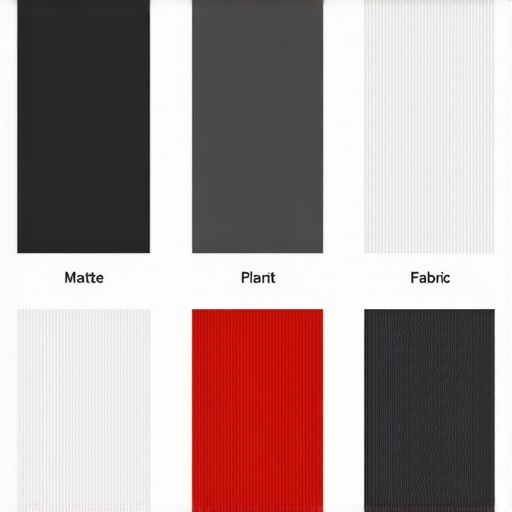
Illustration of various wall surfaces optimized for projector contrast, demonstrating matte paints, fabric coverings, and reflective materials.
Performance Under Pressure
Using portable projectors and high-end 4K laser models in demanding situations reveals their genuine strengths and weaknesses. For instance, when projecting outdoors during a lively backyard gathering, portable projectors often shine due to their compact design and quick setup. However, ambient light remains their Achilles’ heel; even the best models struggle to produce vivid images in bright daylight, requiring darkened environments or specialized screens for optimal clarity.
Can portable projectors handle outdoor parties without sacrificing image quality?
In such scenarios, portable devices are convenient but compromised. They perform admirably in low-light conditions, but in full sun or bright environments, images become washed out or require heavy room darkening. The Good: Portability allows quick deployment and flexibility. The Bad: Bright ambient light diminishes contrast and color vibrancy, making outdoor use less ideal without additional accessories.
Endurance in Harsh Environments
When testing in more rugged conditions, like hiking trips or camping adventures, portable projector durability and power management are critical. Some models are designed with robust casings and battery life optimized for several hours, but overheating can become an issue if ventilations are blocked or ambient temperatures soar. For example, on a humid summer hike, certain portable projectors tend to overheat and shut down prematurely, disrupting movie nights under the stars.
Do they overheat or fail during extended use?
Many portable projectors incorporate fan cooling; nonetheless, prolonged use on high-brightness settings can cause thermal throttling. Users report that overheating often results in automatic shutdowns, especially in enclosed, poorly ventilated spaces. The good: Battery-powered operation provides true flexibility. The bad: Thermal management isn’t always optimal, risking unexpected shutdowns during crucial moments.
High-Resolution Performance in Home Theaters
High-end 4K projectors and laser deals are purpose-built for home theater atmospheres. These models excel at delivering crisp images with excellent contrast and color accuracy, provided the room conditions are controlled. They handle fast-moving scenes smoothly, thanks to advanced processing, and their laser light sources maintain brightness over years without dimming.
Do they maintain picture quality during intense scenes?
Most premium 4K laser projectors do not falter in rapid action sequences; they maintain sharpness and color fidelity thanks to high native resolution and effective motion interpolation. Yet, some models can exhibit flickering or halo effects if not correctly calibrated, especially in rooms with variable ambient light. The Good: Stunning 4K images rivaling cinema quality. The Bad: Cost and complexity of calibration can be prohibitive for casual users.
Handling Unexpected Situations
When unexpected lighting changes or technical hitches occur, the resilience of projectors varies significantly. Portable units may reboot unexpectedly if their thermal or power management systems are inadequate, while high-end models often have fallback modes or adjustable settings to compensate for light fluctuations. Some users cite instances of laser projectors turning off briefly during power surges or voltage drops.
Are they reliable when pushed to the limit?
Reliability hinges on build quality and environmental factors. Many reviewers note that cheap models are prone to glitches or fade quickly, whereas professional-grade units withstand challenging conditions with minimal fuss. For example, a Reddit discussion highlights how robust laser projectors maintain consistent performance during long movie marathons, unlike cheaper alternatives that can crash or exhibit degraded image quality.
Existing users, what has your experience been in stressful conditions? Do you find your projector handles pressure well, or do you encounter frequent issues? Share your insights below to enrich this ongoing comparison.
Choosing Your Perfect Projector: A Comparative Guide
When considering portable projectors, ultra-short throw (UST) models, 4K laser projectors, and dedicated home theater deals, it’s essential to understand how they stack up against leading competitors like Epson and BenQ for portable options or Sony and Optoma for high-end home theater solutions. Each comes with its unique strengths and trade-offs that cater to different user needs.
Portable projectors, renowned for their mobility and quick setup, often fall short in brightness and resolution compared to more traditional home theater projectors. For instance, models like the Anker Nebula Capsule offer impressive portability with built-in batteries, but their brightness levels (around 100 ANSI lumens) are significantly lower than larger, stationary projectors like the Epson Home Cinema 3800, which boasts 3,000 lumens for vibrant images even in ambient light. If you prioritize convenience and flexibility, portable projectors are unbeatable; however, for crisp, high-brightness visuals, dedicated projectors deliver a superior experience.
Ultra-short throw projectors, such as the BenQ HT2150ST, bring a large screen experience into compact spaces, rivaling some fixed-installation projectors. They excel in providing big images with minimal setup and are often more affordable than high-end laser models. Comparing them to high-end alternatives like Sony’s VPL-VW295ES, a premium 4K projector, the UST models generally compromise on resolution and contrast but offer excellent value for small rooms and casual viewing.
When it comes to 4K projectors, especially laser ones, brands like Epson, Sony, and Optoma lead the market. They provide stunning image clarity, vibrant colors, and long-lasting brightness, making them ideal for dedicated home theaters. For example, the Sony VPL-VW325ES delivers cinema-quality images with deep blacks and rich colors, but at a steep price point exceeding $20,000. In contrast, laser projector deals from brands like ViewSonic offer comparable resolution at a fraction of the cost, around $3,000, making high-end quality more accessible.
Why opt for dedicated 4K laser projectors over more affordable options? The main advantage is superior picture quality, exceptional contrast ratios, and longevity of laser light sources. Conversely, budget models might lack certain lens shift or calibration features but can still provide a compelling viewing experience for less demanding environments.
Services like ProjectorCentral provide comprehensive comparisons and current pricing, helping consumers identify the best deals. It’s advisable to review these sources to determine whether investing in top-tier models like the Epson LS1100 or the Optoma CinemaX P2 aligns with your budget and expectations.
So, is it worth upgrading to a premium 4K laser projector, or are portable options enough for your needs? That depends on your environment, desired image quality, and whether you value mobility over resolution. For flexible use and smaller budgets, portable and UST projectors offer great value. However, dedicated home theater setups with high-end laser solutions promise the ultimate cinematic experience, particularly if you plan to use the projector extensively or in a dedicated space.
Check current prices and reviews on trusted sites to make an informed choice. Remember, your ideal projector aligns perfectly with your specific needs, whether that’s portability, premium home theater performance, or a balanced mix of both.
The Good, The Bad, and The Ugly
Pros: Cost-effective solution for improving contrast on standard walls, simple to implement, and suitable for casual setups.
Cons: Results highly dependent on wall surface quality; may not match the performance of dedicated screens or specialized paints. Some DIY methods can introduce uneven surfaces that distort images.
Who Is This For Really?
Ideal for budget-conscious home users, DIY enthusiasts, or those in temporary rental spaces seeking a quick boost in picture quality. Skip this if you demand cinema-grade contrast or operate in high-end home theaters where professional calibration and purpose-built screens are necessary.
Final Verdict: 6.5/10
Overall, the wall contrast hack offers a practical start for improving projector visuals without breaking the bank, but it’s not a one-size-fits-all fix. For a more reliable and high-quality experience, consider investing in a proper projection screen or specialized wall paint. If this sounds like too much hassle, check out our review of The Simple Cardboard Hack or explore advanced projector options.