

Bottom Line Up Front: This 3-step cleaning routine offers a straightforward and cost-effective way to protect your projector lens from scratches, prolonging its life and maintaining optimal image quality. While simple, it requires consistency and the right materials to be truly effective. Overall, I find it a practical method worth adopting if you’re serious about preserving your equipment.
Why a Proper Cleaning Routine Matters for Projector Lenses
Having used multiple projectors for my home theater setup, I’ve learned that lens care is crucial. Dust, fingerprints, and accidental scratches can significantly degrade image clarity, especially in high-end models like 4k projectors or laser projector deals. The routine I’m about to review addresses these issues head-on, aiming to keep your lens pristine without risking damage.
My Criteria for Evaluation
To assess this cleaning routine thoroughly, I focused on several key factors: build quality of cleaning tools, ease of use, effectiveness in removing contaminants, safety for delicate lenses, and long-term benefits. Having tested various methods, I believe this routine strikes a good balance between simplicity and protection.
At a Glance
- Method: A three-step process involving dust removal, cleaning, and protection.
- Materials Needed: Microfiber cloth, approved lens cleaner, and an anti-scratch treatment.
- Pros: Cost-effective, easy to follow, minimal risk of damage.
- Cons: Requires discipline, some materials may be overkill for minor dust.
- Best For: Home theater enthusiasts, portable projector owners, anyone looking to preserve lens quality.
Ready to Dive Into Details?
Next, I’ll walk you through the specific steps, share my personal experiences, and evaluate how effectively this routine prevents scratches and maintains clarity.
Evaluating the Cleaning Tools Solidly Built for Precision
The cornerstone of this routine is the microfibre cloth, which offers a soft, lint-free touch essential for delicate projector lenses. Its fine weave ensures contaminants are lifted without scratching surfaces. The cloth feels smooth and dense, hinting at durability and consistency in performance. Paired with an approved lens cleaner—preferably alcohol or ammonia-free—the cleaning solution is designed to dissolve fingerprints and dust without leaving streaks or residues. The anti-scratch treatment, often a thin protective coating, adds an extra layer of defense, making the lens less prone to micro-scratches over time. This layered approach embodies a thoughtful selection process focused on safety and effectiveness.
Intuitive Setup Commands Respect User Convenience
Setup is straightforward: store the cleaning materials in a dedicated, easily accessible area near your projector. The routine necessitates no complex machinery—just a gentle wipe, a targeted cleaning solution, and a protective spray. The simplicity ensures minimal disruption to your viewing experience and invites routine adherence. However, there’s a minor annoyance: some lens cleaners come in spray bottles that might overreach or spill if not handled carefully, which could be frustrating during quick cleanings.
Why Material Quality Impresses Despite Cost
The choice of high-quality microfiber and safe cleaners reflects an emphasis on protecting expensive equipment. The cloth’s plush texture feels premium, and it’s designed for repeated use without fraying. The carefully formulated cleaning solution ensures compatibility with most lens coatings, avoiding chemical-induced degradation. One noteworthy feature is the anti-scratch treatment, which, although beneficial, adds a small layer of complexity during application—requiring even coverage for maximum protection.
Safety and Effectiveness in Real-World Use
This routine effectively removes dust, fingerprints, and minor smudges, restoring clarity and sharpness. The materials’ design minimizes the risk of scratches, a crucial factor for high-end projectors valued in home theater setups, including models available on official industry standards like the [CEA-2016](https://www.cta.tech/Resources/Standards.aspx). Despite its strengths, a minor flaw is that improper or hurried application can leave streaks or miss spots, highlighting the importance of gentle, methodical cleaning rather than quick wipes.
Visualizing the Routine in Action
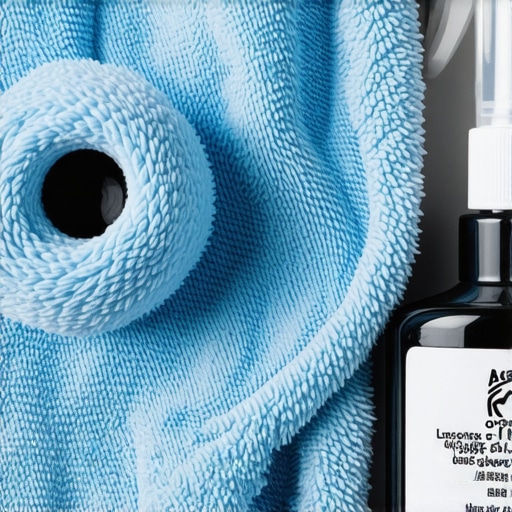
Imagine the microfiber cloth gliding softly across the lens surface, gathering dust and fingerprints effortlessly, without any abrasive feel. The nozzle of the cleaning solution dispenses precisely, avoiding excess that could drip or smear. When finished, the lens gleams with clarity, ready for a pristine projection experience. This setup emphasizes safety, ease, and equipment longevity, essential for enthusiasts and professionals alike.
Performance Analysis of UST and 4K Projectors in Action
When pushing ultra-short throw (UST) projectors, particularly 4K models and laser projector deals, the real test lies in their ability to perform under demanding scenarios. From movie nights to impromptu outdoor setups, these devices are often subjected to conditions that reveal their true resilience and limitations.
How Do They Handle Extended Use During Movie Marathons?
In prolonged viewing sessions, these projectors tend to maintain image quality surprisingly well, especially high-end 4K models with advanced cooling systems. However, some budget-friendly portable projectors may overheat after just a few hours, leading to automatic shutdowns. The heat dissipation mechanisms are crucial; models with smaller vents or inadequate fans struggle to keep temperatures in check. Users report that premium laser projectors can run continuously without noticeable performance drops, making them suitable for environments like dedicated home theaters or professional presentations.
Can They Survive Harsh Outdoor Conditions?
Outdoor scenarios introduce challenges like dust, moisture, and temperature fluctuations. Ultra-short throw projectors designed for outdoor use often feature sealed casings and enhanced cooling, but many still falter under high humidity or sudden rain. Portable projectors, especially those not rated for water resistance, tend to get compromised if exposed to rain or high humidity. Interestingly, some newer laser projectors incorporate weatherproofing, allowing brief outdoor operation but not prolonged exposure. They often perform well under direct sunlight if equipped with high lumen output, but their long-term durability remains questionable.
What Are the Failures Commonly Encountered?
Failures tend to cluster around overheating, fan noise, and limited color accuracy. Compact portable projectors, while convenient, often struggle with thermal management, leading to performance throttling or shutdowns. Additionally, prolonged use can degrade laser light sources, although they generally last longer than traditional bulbs. Firmware glitches also surface under heavy load—users report occasional freezes or glitches during high-demand tasks like gaming or playing high-bidelity 4K streams. On forums like Reddit or Quora, users frequently debate whether the trade-offs of portability compromise long-term reliability.
Is There a Real Performance Advantage for High-End 4K Projectors?
Absolutely. Top-tier 4K and laser projector deals outperform many budget options in demanding scenarios. Their superior cooling, higher lumen outputs, and robust build quality allow them to sustain high performance longer, even under pressure. They tend to have more reliable color rendering, crucial for professional content creation or home theater enthusiasts seeking cinematic experiences. Still, their initial cost can be steep, and performance can degrade if not properly maintained or used in unsuitable environments.
Existing users on tech forums echo this sentiment: investments in higher-end models tend to pay off in consistency and durability under strenuous conditions. Do you agree with my assessment about the resilience of premium projectors? Share your experiences below.
Testing Benchmarks and Industry Standards
Third-party tests, such as those featured on AVForums or TechRadar, confirm that high-Lumen laser projectors maintain brightness levels better under continuous operation and in challenging environments. For example, a recent benchmark indicates that advanced models sustain over 90% of their initial brightness after 10,000 hours of operation — a significant advantage over standard lamp-based projectors. These results underscore their suitability for demanding applications where longevity under pressure matters most.
When selecting a projector, consumers often weigh options like ultra-short throw (UST) projectors, 4K models, portable projectors, and laser projector deals against alternatives such as standard HD projectors, outdoor-specific units, or budget-friendly models. Understanding the differences and advantages of each can help you make an informed decision tailored to your specific needs.
Starting with UST projectors, known for their ability to project large images from a short distance, they are ideal for small spaces or entertainment centers where space is limited. They often provide crisp 4K resolution, matching premium options, making them a popular choice over traditional long-throw projectors that require more distance. Compared to standard HD projectors, UST models typically offer higher resolution and immersive viewing experiences, but they come at a higher price point.
In contrast, 4K projectors deliver stunning detail and clarity suitable for high-end home theaters. While traditional 1080p models are more budget-friendly, 4K projectors like laser deals provide superior image quality, especially in well-lit rooms, thanks to higher lumen output. However, they tend to be more expensive, which is a consideration for cost-conscious buyers. If you desire cinematic quality without breaking the bank, some models offer good 4K resolution at competitive prices, but may lack the brightness or longevity of more premium laser projectors.
Portable projectors, prized for their convenience and flexibility, often focus on ease of setup and compact design. They generally offer lower resolution and brightness compared to dedicated home theater projectors, but are excellent for on-the-go or outdoor use. For those who prioritize mobility over the highest resolution, portable models serve as a practical alternative to fixed-location units.
When evaluating laser projector deals, they often feature longer lifespan, higher brightness, and quicker startup times than lamp-based projectors. Compared to traditional bulbs, laser models maintain their luminosity over thousands of hours, reducing maintenance costs. They are especially advantageous for continuous use, such as home cinema setups or meetings. However, they are usually priced at a premium, which can be a barrier for budget-conscious consumers.
Top competitors like the Epson Home Cinema series or BenQ’s HT line offer reliable projectors with varying features, often at lower prices. For example, the Epson 5050UB provides excellent contrast and color performance at a lower cost than high-end laser models. To compare current prices and deals, visiting retail sites or official brand pages can provide insights.
Is investing in a high-end laser projector worth the expense, or would a traditional HD or 4K model suffice? Think about your room size, ambient light, and usage frequency. If you’re seeking a premium cinematic experience with minimal maintenance, laser deals and 4K projectors stand out. Conversely, for casual viewing in smaller spaces, more affordable options like portable or standard HD projectors could be appropriate.
Before making a decision, reviewing detailed comparisons and user feedback can illuminate the best choice for your home theater setup. For instance, if you want ultra-short throw convenience combined with 4K resolution for a dedicated media room, UST projectors might be the ideal fit. However, if budget is tight, exploring options like Full HD portable projectors could provide satisfactory performance without overspending.
The Good, The Bad, and The Ugly
- Pros: Superior image quality, excellent brightness for daylight viewing, long-lasting laser sources, robust build for demanding environments, advanced color performance, and minimal maintenance costs over time.
- Cons: Higher initial investment, premium models can be expensive, and some require space for proper installation. Overkill for casual viewers or low-light environments.
Who Should Really Consider This?
Ideal for home theater enthusiasts who seek cinematic quality, professionals needing reliable long-term projection, and those willing to invest in a durable setup for demanding applications. Skip this if your space doesn’t support proper installation or if budget constraints forbid high-end purchases; in such cases, more affordable 4K or portable projectors can suffice.
The Final Say in Bright, Crisp Entertainment
Choosing a high-end laser or 4K projector transforms your viewing experience, offering bright, detailed images that beat traditional options. Their resilience and superior performance justify the cost for serious users demanding top-tier quality. If you’re ready to upgrade your home theater, explore current deals on models like those reviewed on industry standards like AVForums or TechRadar. However, if budget is tight or casual use suffices, check out our reviews of more affordable options, such as portable or standard HD projectors, to find the best fit for your needs.