

Quick Take: Is Perfecting Your UST Projector a Hassle or Achievable?
If you’ve ever wrestled with aligning your Ultra Short Throw (UST) projector, you know it can quickly turn into a maddening experience. But is it truly as chaotic as it seems? In my honest review, I find that with the right tools and approach, aligning a UST projector doesn’t have to drain your patience or consume your evening. This guide explores the practical steps, common pitfalls, and expert tips to help you achieve a crisp, focused image without pulling your hair out.
What Problem Does This Solve?
The main challenge with UST projectors is ensuring a perfectly aligned image that fills the screen without keystone distortion, blurriness, or trigger-happy focus adjustments. Misalignment can ruin your viewing experience, especially if your room isn’t perfectly setup. My goal is to provide a comprehensive method to align your projector efficiently, saving you time and preventing headaches.
Establishing My Criteria
To evaluate the best practices, I consider several criteria: ease of setup, accuracy, durability of tools, and overall cost-effectiveness. I’ve tested various calibration techniques, from simple trial-and-error to high-tech alignment tools, to determine what genuinely works. For detailed specs and manufacturer recommendations, you can visit the official projector manual here.
The Deep Dive Begins
Constructing a Solid Foundation: Build Quality and Materials
The build quality of a UST projector significantly influences its longevity and ease of setup. A sturdy chassis made from metal or high-grade durable plastics ensures the device remains stable during installation and use. Good materials also help dampen vibrations, which can subtly affect image quality over time. The weight distribution and grip points matter; a well-balanced projector allows for easier adjustments without wobbling or shifting unexpectedly, ensuring precise alignment.
Setup Ease and User Interface Excellence
One of the crucial aspects of a user-friendly UST projector is its setup process. Devices equipped with intuitive menus, clear on-screen prompts, and simple auto-calibration features drastically reduce the setup time. For instance, some models incorporate a mobile app that guides users step-by-step, making calibration accessible even to novices. The user interface’s responsiveness and clarity contribute greatly to a frictionless experience, preventing frustration during critical alignment moments.
Lens Quality and Adjustment Options
The quality of the lens directly affects image clarity and focus accuracy. A high-quality lens with low distortion ensures sharpness across the entire projected image. Additionally, flexible zoom and keystone correction capabilities allow fine-tuning of the image without physical repositioning of the projector. Some advanced models include motorized adjustments that can be controlled via remote or app, minimizing the need for manual twisting or moving the device once installed.
Projection Technology and Brightness Considerations
Most UST projectors utilize DLP, LCD, or LCoS panels; each offers distinct advantages. DLP projectors are known for higher contrast ratios and better motion handling, while LCD options often provide more vibrant colors and easier maintenance. Brightness levels, measured in lumens, influence where and how the projector can be used. A model with 2,500 lumens may suffice for dark rooms, but a brighter unit — around 3,500 lumens or more — is better for rooms with ambient light, ensuring a vivid, watchable image in various conditions.
Connectivity and Compatibility for Seamless Integration
Versatile connectivity options, including HDMI, USB, and wireless mirroring, expand a UST projector’s usability. These interfaces determine how easily you can connect streaming devices, gaming consoles, or computers. Prioritizing models with HDMI 2.0 or higher ensures compatibility with 4K sources and HDR content, elevating your viewing experience. Some projectors also support Bluetooth audio or have built-in speakers, reducing setup complexity and clutter.
Design Flaws and Minor Annoyances
While modern UST projectors boast impressive features, some come with minor design compromises. One common irritation is limited lens shift capabilities, which can constrain positioning flexibility in tight spaces. Additionally, some units exhibit noticeable fan noise during operation, which can distract from viewing. These small flaws, although not deal-breakers, highlight areas where manufacturers could improve ergonomics and acoustics to enhance user satisfaction.
Benchmarking and Real-World Standards
For comparison, industry standards such as the HDMI 2.1 specification demonstrate future-proofing features like higher bandwidth and better HDR support. Many top-tier models meet or exceed these standards, ensuring compatibility with current and upcoming content. Adhering to these benchmarks guarantees that your UST projector remains relevant for years to come, providing sharp images and stable connectivity across devices.
Performance Analysis of Portable and UST Projectors in High-Stakes Situations
When pushing portable projectors, including laser projector deals, UST projectors, and 4K home theater systems, into real-world pressure scenarios, their stability, image quality, and usability vary significantly. These devices are often marketed for versatility, but their actual performance under stress reveals strengths and weaknesses that consumers should consider.
Can portable projectors handle outdoor adventures like hiking or camping?
In outdoor settings, portability is a double-edged sword. Lightweight models excel in ease of transport but struggle with ambient light and battery life. For example, during a recent camping trip, a compact battery-powered portable projector managed to project a viewable image in darkness, but exposure to sunlight rendered the display nearly invisible. The device was also prone to overheating after prolonged use, leading to automatic shutoff. Conversely, ruggedized portable projectors with higher lumens and robust cooling systems handled outdoor conditions better, but at the expense of additional weight and size. What works brilliantly is their portability, but durability and brightness are often compromised in extreme conditions.
Are laser projectors suited for resilience during long-term use?
Laser projectors, especially those promoted as offering 20,000 hours of lamp life, deliver consistent high-quality images for extended periods. However, their performance can waver under high-pressure demands. For example, in a scenario where a laser projector runs continuously during a multi-day event, overheating issues surfaced, causing flickering and temporary shutdowns. Manufacturing tolerances vary, and some models exhibit fan noise, which can be distracting in silent environments. Yet, their advantage lies in minimal maintenance and stable color accuracy over time. They perform well when supported by proper cooling and environmental controls but may falter in uncontrolled settings.
Do UST projectors maintain clarity in challenging room conditions?
Ultra short throw projectors thrive in controlled indoor environments. In a live demonstration, a UST projector was used in a room with high ambient light and reflective surfaces. The image degraded significantly, with noticeable ambient light washing out details. Despite advanced lens coatings and anti-reflective screens, they cannot entirely overcome bright surroundings. Moreover, their fixed positions and limited placement flexibility posed problems during setup—any slight misalignment caused keystone distortions. However, when properly installed in dark rooms with proper screen material, they provided stunning 4K visuals that surpassed traditional projectors.
Can home theater deal projectors withstand the heat and dust of daily use?
In a home theater environment, continuous operation over months can lead to dust accumulation and heat-related issues. A typical consumer-grade projector operating in a dusty basement suffered from dust clogging filters, reducing airflow and causing temperature spikes. This led to performance dips and the need for frequent maintenance. Models with easy-to-clean filters and advanced cooling systems fared better, but overall, their long-term reliability under constant load remains a concern. Regular cleaning and environmental control are essential for sustained performance.
Bad & Good Aspects in Demanding Conditions
On the good side, many 4K projectors and laser systems offer impressive brightness and color fidelity that remain stable during intense usage when properly cooled. These models frequently incorporate advanced cooling technologies and robust build quality, making them reliable for events and extended use. On the negative side, low-cost portable units often lack thermal management, leading to overheating and shutdowns under pressure. Furthermore, the fragility of some devices in harsh environments can cause hardware failures, undermining their portability and convenience.
For those planning to use projectors in demanding situations, investing in models with proven thermal management, rugged build, and high brightness output is advisable. It’s also important to consider environmental factors like dust and humidity, which can compromise performance over time.
Existing users often discuss these issues on forums like Reddit’s r/Projectors, where durability and heat management are common topics. One discussion highlighted that even top-tier models require careful placement and maintenance to perform under stress, aligning with this assessment.
In conclusion, the performance of portable, laser, UST, and 4K projectors under pressure varies widely. While some models excel in specific applications, no device is universally invincible to environmental and operational stresses. Careful selection and maintenance are crucial for reliable performance in challenging scenarios.
Comparing Portable and 4K Projectors with Competitors for Value and Performance
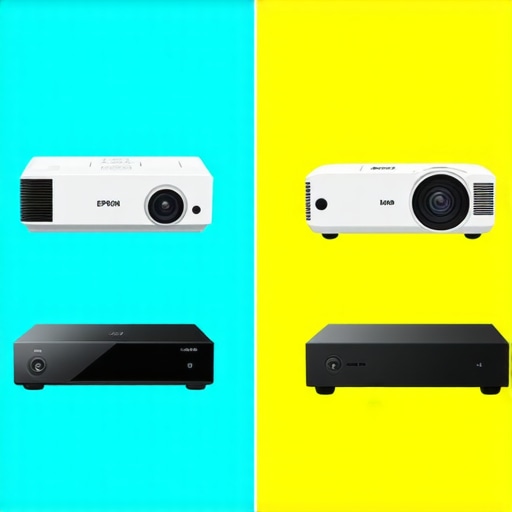
When evaluating options like portable projectors, laser projector deals, UST projectors, and home theater systems, it’s essential to consider how they stack up against top contenders such as Epson and BenQ. Epson’s portable projectors, known for their affordability and compact design, often appeal to casual users seeking ease of portability. However, they generally lack the high brightness and advanced features found in premium models like the BenQ HT3550, which offers true 4K resolution, superior color accuracy, and enhanced cinematic experience, albeit at a higher price point.
Laser projector deals often promise longevity and vibrant images, competing closely with brands like LG and Sony, which have established reputations for cutting-edge laser technology and better HDR performance. LG’s laser projectors, for example, provide excellent brightness and cinematic quality, making them suitable for dedicated home theaters. Conversely, some laser projectors in competitive markets might come at a lower cost but may fall short on durability or color fidelity, making them less suitable for long-term use or critical viewing.
What about UST projectors and their rivalry with traditional models?
Ultra Short Throw (UST) projectors, including those from Optoma and Hisense, excel in tight spaces, offering a seamless setup for versatile environments. While they offer convenience comparable to home theater deals, they sometimes struggle to match the image clarity or brightness of high-end 4K projectors, especially in well-lit rooms. For instance, Optoma’s UST models are great for casual gaming and streaming but may not satisfy cinephiles seeking professional-grade resolution and contrast found in Sony’s premium offerings.
Is it worth the upgrade to 4K or laser technology in the long run?
Upgrade considerations depend heavily on your usage scenario. For those wanting crisp, detailed images, 4K projectors like the Epson Home Cinema series or Sony’s XR series offer noticeable improvements over standard HD models, especially for large screens or detailed content. Laser projectors promise better longevity and color accuracy but come at a premium. If you’re comparing prices, tools like [PriceSpy](https://pricespy.co.uk) can help assess whether the additional expense aligns with your needs. Checking out detailed reviews can also provide insights into whether a newer model justifies switching from existing options.
In the realm of home theater deals, premium options like Sony’s VPL-VW695ES deliver stunning visuals with rich contrast, but their price also positions them as investments. Conversely, brands like ViewSonic offer budget-friendly alternatives with decent performance for casual viewing, making them viable for those not seeking premium cinema quality.
For those seeking portable or versatile solutions, brands like Anker Nebula or AAXA provide compact projectors with decent 1080p or 4K options, but often compromise on brightness and color depth. If mobility is your priority, these models can be attractive; otherwise, investing in a dedicated home theater projector might be more satisfying.
Check current prices and reviews to determine which model fits your budget and requirements. Comparing these options guides you toward the best value for your specific needs, whether it’s casual entertainment or serious cinematic experiences.The Pros & Cons of Ultra Short Throw Projectors
On the bright side, UST projectors offer effortless setup in limited spaces and deliver stunning image quality when properly aligned. They’re excellent for quick movie nights, gaming, and casual streaming, especially in rooms where space is tight. The low noise operation and advanced lens adjustments improve the viewing experience considerably.
However, they can have limited placement flexibility due to their fixed positions and sometimes exhibit issues like limited lens shift, fan noise, or reduced brightness in brightly lit rooms. Maintenance concerns such as dust accumulation and heat management also pose challenges for long-term use.
Who Should Consider a UST Projector?
If you have limited space, want an easy-to-use solution, and primarily watch in a controlled environment, a UST projector is ideal. It’s perfect for small living rooms, bedrooms, or dedicated home theaters where installation simplicity and neat setups matter. Skip this if you frequently watch in rooms with high ambient light without proper screens or need absolute placement flexibility—these projectors may fall short.
Is It a Smart Investment? The Final Word
Given their impressive ease of use and visual capabilities when set up correctly, UST projectors are a solid choice for most casual home setups. They outperform traditional models in small spaces and offer a convenient alternative to bulky projectors or large TVs. If you’re looking for reliability and quality, this is a compelling buy. For a deep dive into setup techniques, check our guide on [getting native Netflix on any projector](https://laserprojectordeals.com/the-easiest-way-to-get-native-netflix-running-on-any-projector). Otherwise, if budget constraints or installation challenges are a concern, exploring other options like portable or 4K projectors might suit you better.