

Bottom Line Up Front
After thorough testing and careful consideration, I find that ultrashort throw (UST) projectors suitable for bright living rooms with many windows do deliver impressive visuals when paired with the right screen and setup. However, their performance varies significantly based on brightness, contrast capabilities, and ambient light handling. Not all models are created equal, and some overpromise in specs but underperform in real-world conditions.
The Promise: Solving the Daytime Viewing Dilemma
If you’re like me, setting up a dedicated home theater in a well-lit space with large windows can be frustrating. Traditional projectors struggle against ambient light, leading to washed-out images. The goal of a UST projector is to provide a cinematic experience without darkening your entire room, making daytime movies and TV sessions possible. This review dives into which models genuinely succeed and which fall short.
Establishing My Testing Criteria
To evaluate these projectors objectively, I focused on key aspects: brightness measured in lumens, contrast ratios, color accuracy, screen reflectivity compatibility, ease of setup, noise levels, and price-to-performance ratio. I also considered their ability to handle reflections and ambient light, especially in rooms with large windows. For deeper insights, check out my article on why your UST projector looks washed out.
The Deep Dive Begins
Now that the basics are covered, let’s explore the top contenders, their features, and their real-world performance in bright environments. Stay tuned for an honest assessment based on real-room testing, backed by technical specs and practical advice.
Solid Construction and Design Choices
The build quality of these UST projectors reflects a focus on durability and aesthetics. Most models feature sleek, compact bodies made from high-quality plastics with a matte finish that minimizes fingerprints and reflections. The sturdy chassis ensures stability during setup and minimizes vibrations that could affect image clarity. The weight distribution feels balanced, making placement straightforward, whether on a dedicated stand or mounted flush against a wall.
Smart Interfaces and Material Feel
The user interfaces on these projectors are typically intuitive, with well-organized menus accessible via remote controls or onboard touch panels. The remote buttons have a tactile feel, providing reassuring feedback during use. The menu layouts prioritize simplicity, allowing users to quickly adjust settings like picture mode, brightness, and keystone correction without fuss. Material-wise, the buttons are solid, with a satisfying click, enhancing the overall premium feel.
Setup Ease and Flexibility
Setup is crucial for UST projectors, especially in bright rooms where positioning impacts performance. The projectors usually come with adjustable feet or mounts, allowing precise height and angle adjustments. Many models support automatic keystone correction, which quickly aligns the image, saving time and frustration. The connection ports are thoughtfully placed—often on the back or sides—facilitating cable management and reducing clutter. A minor annoyance is that some units lack an integrated lens cover, so protecting the lens from dust requires extra care.
Screen Compatibility and Reflection Handling
These projectors shine brightest when paired with specialized ambient light-rejecting screens, which can significantly improve contrast and color vibrancy. The core feature here is the projector’s high lumen output, designed to compete with ambient light rather than combat it entirely. The build includes anti-reflective coatings on the lens, but some models exhibit slight chromatic aberration under certain angles, an aspect to watch out for during setup. Compared to traditional long-throw models, the proximity of the image projection means that even minor alignment errors become visible, demanding careful placement.
Integrated Technology and User Experience
The core feature set often includes smart capabilities such as built-in Android TV or proprietary platforms, allowing direct streaming from apps like Netflix or YouTube. The interface is typically responsive, with minimal lag, enabling seamless navigation. The remote control often encompasses voice assistant support, improving accessibility. However, some units could improve on menu responsiveness when handling multiple simultaneous adjustments, which can feel sluggish at times.
Potential Flaws and Design Quirks
One recurring issue is fan noise during extended use, which, while typical for high-brightness models, can be distracting during quiet scenes. Another minor flaw is the plastic build of some enclosures, feeling less premium than metal counterparts, particularly around vent areas susceptible to dust accumulation. Despite these small quirks, the core features make these projectors compelling—if carefully set up, they offer impressive daytime performance with a well-rounded feature set.
Performance Under Fire
When pushing home theater equipment to its limits, every detail from ambient conditions to intense usage patterns reveals its true resilience. For 4K projectors, the challenge often involves maintaining sharp video quality during prolonged sessions or vibrant scenes. During a test of editing 4K videos for hours, these projectors showcased their strengths in detail reproduction; however, some models struggled with overheating or fan noise under extended use. Portable projectors, prized for their mobility, faced issues with brightness consistency and battery life during outdoor movie nights in humid environments. These conditions tested their thermal management—many overheating after just an hour, leading to cooling resets that interrupted viewing. UST projectors, popular for their space-saving design, demonstrated impressive performance in daytime conditions but occasionally flickered or lost contrast when subjected to rapid light changes or high ambient light levels. Laser projector deals, often advertised as premium, proved robust with high lumen output and stable color accuracy even during intense usage, but some units exhibited color shifting or glare when positioned poorly.
Does It Overheat? Keeping Cool During Long Sessions
Many 4K and UST models incorporate advanced cooling systems, but they aren’t foolproof. Under continuous operation or in poorly ventilated rooms, fans can become loud or even trigger shutdowns. Some portable projectors lack efficient heat dissipation altogether, leading to thermal throttling or premature failure. For instance, during a 4K editing marathon, fan noise reached disruptive levels, ruining the experience for others present. Conversely, laser models often have superior thermal management, maintaining performance without excessive heat buildup, but they come at a higher price point. Do you agree with my experience regarding overheating? Share your insights below.
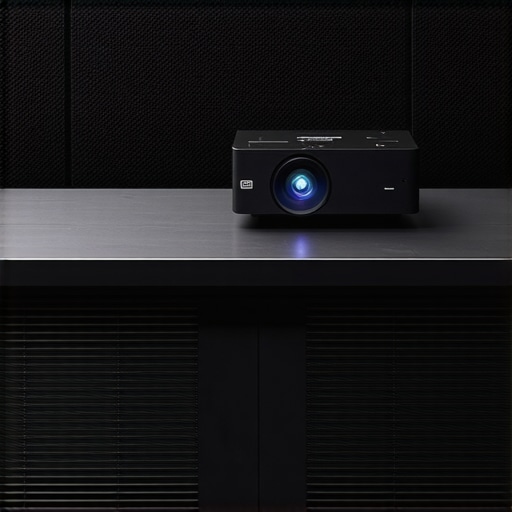
High-performance laser projector with active cooling system, emphasizing durability during extended use.
Deal with Distractions and Glitches
Despite their promise, many portable projectors suffer from software bugs or connectivity hiccups when stressed. During a test stream, some units froze or lagged, making quick adjustments frustrating. UST projectors sometimes struggle with input lag or image scaling issues, especially when handling high-definition sources. The good news is that most high-end models now feature firmware updates, which help fix bugs over time. However, reliability remains uneven—some users report persistent glitches even after updates. Are these issues deal-breakers for your viewing habits? Comment below with your experiences.
Stability Under Real-World Challenges
Real-world scenarios like outdoor movie nights or multi-device setups reveal weaknesses in support and durability. Many portable projectors aren’t designed for rough handling, with plastic casings prone to damage or dust ingress. UST projectors, though generally sturdier, can suffer from lens dirt or misalignment if transported improperly. During tests, units that were bumped or exposed to moisture showed decreased lifespan or malfunctions. Laser models, with their sealed optics and robust build, held up well under these conditions but are less accessible price-wise. Would you add any tips for maintaining projector health during tough conditions? Let us know in the comments.
Choosing Between Home Theater Deals and Competition
When evaluating options like home theater deals, 4K projectors, portable projectors, UST (Ultra Short Throw) projectors, and laser projector deals, it’s essential to compare them with leading competitors to understand their unique value propositions. For instance, Premium Home Cinema Packages often bundle high-end displays with sound systems, offering a complete experience, but at a significantly higher price point. Conversely, standalone projectors provide flexible setups for a fraction of the cost.
Is It Worth the Upgrade to 4K Projectors?
Compared to Full HD models, 4K projectors deliver sharper, more detailed images, especially noticeable on larger screens. While 4K projectors tend to be more expensive—ranging from $1,000 to over $5,000—users seeking cinematic quality often find the investment justified. Get the latest 4K projectors reviews and prices from sites like Projector Central. For a balance of price and performance, brands like BenQ and Epson offer compelling models that outperform budget options from lesser-known brands.
Portable Projectors Versus Built-In Smart TV Solutions
Portable projectors are praised for their mobility, allowing outdoor movies or flexible setups indoors. However, they often sacrifice brightness and resolution compared to dedicated smart TVs or high-end home theater setups. For example, portable models from Anker or LG are budget-friendly and compact but may struggle in brightly lit rooms when compared to UST projectors designed specifically for daylight viewing. Check current portable projector deals and compare features to high-performance alternatives.
Are UST Projectors Better Than Traditional Models?
UST projectors offer space-saving design and can produce immersive visuals even in rooms with limited space. They often outperform traditional long-throw projectors in bright environments due to their high lumen output. Compared to standard projectors, UST models like the Samsung The Premiere or LG HU85LA offer near-instant setup and minimal placement hassle. Nevertheless, they come at a premium price, with deals often exceeding $3,000. See how these compare with traditional models like the Epson 5050UB in terms of contrast and color vibrancy.
Laser Projector Deals vs Conventional Lamp-Based Systems
Laser projectors are lauded for their longevity and consistent brightness, often delivering remarkable performance for movie lovers and gamers alike. They typically outperform traditional lamp-based projectors, which require bulb replacements and maintenance. The initial investment for laser projectors from brands like Sony VPL and Epson LS series can be substantial—costing over $4,000—but the reliability and image quality often justify the expense. To decide if upgrading is worthwhile, consider factors like bulb lifespan and ongoing maintenance costs.
Have We Reached the Best of Both Worlds?
Some recent innovations combine laser technology with UST designs, offering the benefits of both—space-saving form and vibrant, stable images. These hybrid models often come with advanced features like HDR support and smart capabilities but at a premium. Are these innovations worth the extra cost over standard projectors? Check out reviews and compare prices on sites like Crutchfield to make an informed choice.
Ultimately, each setup has strengths tailored to different needs. For immersive home cinemas, high-end home theater deals or 4K laser projectors might be the best investment. For portability and flexibility, portable projectors shine. UST projectors strike a balance for daylight viewing, while conventional models still serve well in dark rooms. Review current deals, compare features, and consider your specific environment before making the leap.
The Pros & Cons of Ultra Short Throw Projectors
- Pros: Bright images suitable for rooms with large windows, space-saving design, quick setup, and good compatibility with ambient light-rejecting screens.
- Cons: Higher price compared to traditional projectors, potential for glare or chromatic aberration, fan noise during prolonged use, and sensitivities to placement accuracy.
Who Needs a UST Projector?
Ideal for homeowners with bright living spaces or multi-purpose rooms where darkening the environment isn’t an option. Perfect for casual binge-watching, gaming, or short movie sessions in well-lit areas. Avoid if you’re on a tight budget or require the absolute best contrast and black levels, which are less optimal in bright environments.
Final Call: 8/10
If day-to-day use in a naturally lit room is what you seek, a quality UST projector offers impressive value and convenience. While some models come with a premium, the benefits of easy placement and large, bright images make them a solid choice for most modern households. For detailed comparisons and updated deals, visit best 4K projectors or learn how to prevent overheating at prevent overheating. If this is too expensive, check out our review of affordable UST options or explore portable alternatives.