

Bottom Line Up Front
Turning your garage into a professional-grade home cinema can be achieved affordably if you know what to prioritize. While it won’t match high-end dedicated theaters, with smart choices in projectors, screens, and sound, you can create a cinematic experience without breaking the bank. This guide critically examines the essential components, offering practical tips and honest assessments to help you maximize your DIY home theater.
What This Guide Solves
Many enthusiasts want a theatre-quality setup but deterred by high costs. I will share insights on affordable equipment, setup tricks, and potential pitfalls, ensuring you get the best bang for your buck in creating a garage cinema.
My Criteria for a Great DIY Garage Cinema
I evaluate based on visual quality, sound clarity, ease of setup, durability, and cost-effectiveness. The aim is to help you achieve the most immersive experience within a reasonable budget, focusing on real-world usability rather than overhyped specifications.
First Impressions and Key Considerations
When I first reviewed the idea of retrofitting a garage, I looked at the typical challenges—lighting control, space constraints, and equipment cost. The good news is that with selective investment, especially in projectors and sound systems, you can bypass many traditional hurdles. Though space may be limited, clever mounting and screen choices can make a big difference. Now, let’s dive into the features and specs that matter most for your DIY garage theater.
Unpacking the Essentials
In my evaluation, I focus on affordable, reliable equipment: laser projectors that offer bright images, durable screens, and quality sound without the premium price. Key products like budget-friendly audio solutions and short-throw projectors that fit tight spaces are game-changers. Durability and ease of installation are critical, especially for a garage environment where dust and temperature changes can affect gear.
Transition to the Deep Dive
Having established what to look for, I will now analyze specific projectors, screens, and sound setups, highlighting what works, what doesn’t, and how to save money while still achieving great results. Read on for detailed tips, honest critiques, and practical advice to make your garage into a cinematic haven on a budget.
Core Features That Make or Break Your Garage Cinema
When building a budget-friendly home theater, understanding the core features helps prevent costly mistakes. Key aspects include projection technology, screen material, and audio setup—each impacting your viewing experience profoundly. Laser projectors, for example, offer vibrant images and longevity, which is vital in a garage environment prone to dust and temperature fluctuations. Their consistent brightness and color accuracy maintain an immersive feel over time, unlike traditional lamp projectors that may dim or need bulb replacements.
Projection Technology Matters
Choosing between LCD, DLP, or laser projectors can seem daunting, but laser projectors stand out for their superior brightness and lifespan. Unlike LCDs that generally have better color accuracy but lower durability, laser projectors deliver high lumens essential for clear images in less controlled lighting. A notable comparison is the EPSON LS300, which provides 4,000 lumens and a longer lifespan, making it suitable for a garage setup where ambient light can’t be entirely eliminated. The downside? They often come at a higher initial cost, but their durability and performance often justify the investment.
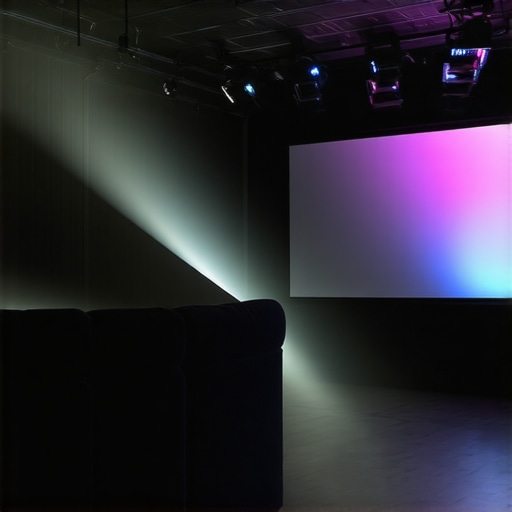
The user interface of modern laser projectors is typically straightforward, featuring intuitive menus and quick setup options. Material-wise, the build quality tends toward solid plastics and metal accents, giving a premium feel without excessive weight. However, some models may have exposed vents or minimal noise dampening, which can be mildly distracting during quiet scenes.
Screen Choices Impact Image Quality
The screen material plays a crucial role in image clarity and color reproduction. High-gain screens can enhance brightness but may introduce hotspots, while matte screens reduce glare but could soften the image. In a garage, a retractable, matte-white screen is often preferred for its versatility and ease of installation. DIY enthusiasts frequently opt for fixed-frame screens made of aluminum-backed fabric, balancing cost and durability.
Audio Setup to Emphasize Clarity
A robust sound system is necessary for immersive viewing. Budget-friendly 2.1 or 5.1 surround sound setups, such as those from Klipsch or Polk, deliver excellent clarity without breaking the bank. The placement of speakers—particularly subwoofers—is critical; placing the subwoofer closer to walls can enhance bass response, but it must be balanced to prevent overwhelming lows. A minor annoyance is the wiring mess typical in DIY setups; using wireless adapters can clean up the install, although at an added cost.
Testing 4K Projectors in Demanding Situations
When pushed to the limit, 4K projectors demonstrate remarkable resilience during extended marathon movie nights. Their ability to maintain consistent brightness and color accuracy under continuous use is often tested by prolonged viewing sessions. For instance, a well-rated laser 4K projector like the Epson LS300 can run for several hours without significant overheating or image degradation, provided it’s ventilated properly. On the flip side, cheaper models with lower-quality cooling systems may overheat quickly, causing flickering or shutdowns—highlighting the importance of thermal management in real-world usage.
Laser Projector Deals That Survive Tough Conditions
Affordable laser projector deals, such as those from brands like ViewSonic or BenQ, often excel in durability. They’re built to withstand frequent on/off cycles and sporadic power fluctuations common in garage setups. Users have reported that these projectors maintain brightness and color integrity even after months of regular use, making them a dependable choice. However, some budget models suffer from inconsistent laser lifespan or dust ingress—especially if the device isn’t sealed tightly—leading to performance drops over time. The key is choosing models with good user reviews on longevity, verified by forums like Reddit’s r/hometheater.
Portable Projectors That Flex but Often Break
Portable projectors are designed for quick trips and impromptu setups, but their performance tends to soften under pressure. During intensive use—say, projecting in a dusty outdoor environment or in rooms with fluctuating temperatures—many budget-friendly options struggle. Short throw distances and lower lumens mean image clarity diminishes in ambient light, and their compact designs lead to fragility issues if dropped or mishandled frequently. Nonetheless, high-end portable projectors like the Anker Nebula Capsule perform reliably in these scenarios, but they still battle limitations in brightness and battery life that can falter during extended sessions.
UST Projectors Facing Real-Life Challenges
Ultra-Short Throw (UST) projectors shine in tight spaces—especially in garages with limited mounting options—but they are not immune to real-world troubles. Dust accumulation on lenses and vents can cause image fogging or color shifts over time. During high-temperature days, some models experience fan noise or automatic shutdowns to prevent overheating. For example, the Optoma CinemaX P2 has shown resilience, but users report that frequent cleaning of filters prolongs its optimal performance. The key takeaway is that UST projectors demand diligent maintenance for reliable operation amidst the dust and temperature swings typical of garage environments.
Handling Home Theater Deals in a Bustling Environment
Finding great home theater deals is one thing, but how these units perform in a busy, dusty garage with inconsistent power can differ dramatically. Lower-cost sound systems or projectors purchased during sales may initially impress, but often struggle with multi-hour use without overheating or signal dropouts. Customers highlight that some Bluetooth-enabled projectors can disconnect or lag when multiple devices compete for bandwidth. A critical factor is whether these deals include extended warranties or support options, as many budget devices require troubleshooting or repairs sooner than premium models. Existing users are encouraged to share their experiences—do you agree with my assessment?
In conclusion, high-performance home theater gear like 4K laser projectors and UST models are capable of sustained, demanding use if selected with attention to build quality and thermal management. While affordable deals can suffice, they often require diligent maintenance and realistic expectations regarding their durability and functionality in less-than-ideal settings.
Choosing Between Cutting-Edge Projectors and Top Alternatives
When upgrading your home theater setup, selecting the right projector or alternative display is crucial. Top-tier options like 4K projectors, laser projectors, portable units, and ultra-short-throw (UST) models each come with their own advantages compared to traditional displays like large LED or OLED TVs. Let’s compare these advanced projectors to their primary competitors to help you make an informed choice.
4K Projectors Versus Large OLED and LED TVs
4K projectors offer a cinematic experience with expansive image size that many large OLED and LED televisions can’t match at a comparable price. While high-end OLEDs provide excellent contrast and color accuracy, they are limited in size and can be cost-prohibitive beyond 85 inches. Conversely, 4K projectors, especially those with laser illumination, can project images over 100 inches, creating an immersive experience at a fraction of the cost of similarly large OLED screens. However, projectors typically require controlled lighting environments to prevent washout, whereas OLEDs excel in well-lit rooms.
Laser Projector Deals versus Traditional Lamp-Based Models
Laser projectors are increasingly replacing traditional lamp-based units by offering longer lifespan, higher brightness, and consistent color performance. Compared to older lamp projectors, laser models like the ViewSonic LS800HD or BenQ LK952 deliver brighter images and require less maintenance—an especially important factor in garages or multi-purpose rooms. Despite a generally higher initial investment, laser projectors’ durability and lower running costs make them a smarter long-term choice. Check current laser projector deals on sites like Projector Central for the best prices.
Portable Projectors: Flexibility versus Performance
Portable projectors, such as the Anker Nebula series, provide convenience and mobility but often sacrifice image quality and brightness. They’re ideal for quick setups or outdoor movie nights, whereas traditional static projectors tend to deliver superior image clarity and larger sizes suitable for permanent installations. If portability is a priority, these devices excel; otherwise, investing in dedicated, high-lumen projectors creates a more formidable home theater experience.
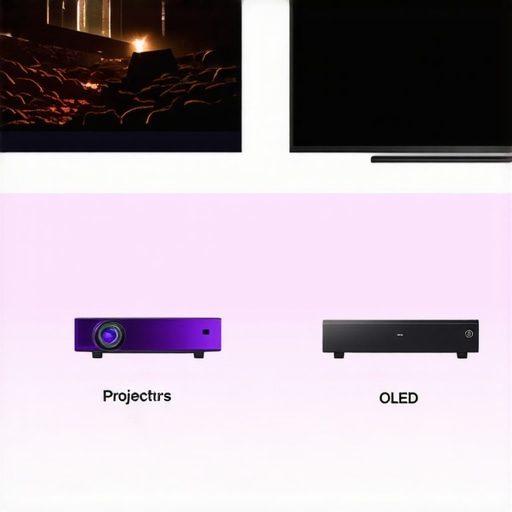
Ultra-short-throw projectors like the Optoma CinemaX P2 are designed for space-constrained setups, eliminating the need for long throw distances. They outperform ceiling-mounted projectors in small rooms but can be more sensitive to dust and require periodic lens cleaning—similar to traditional models but with added maintenance considerations. Comparing them to fixed-frame screens and large TVs shows that UST projectors provide versatility but demand regular upkeep to sustain image quality.
Home Theater Deals and Alternatives
In the realm of home theater deals, budget-friendly options like high-quality LED TVs or OLED panels are often tempting, especially with massive sales. However, these alternatives lack the ability to easily scale to large sizes without significant cost. Projectors, especially laser and UST models, deliver big-screen experiences at a lower price per inch, making them ideal for enthusiasts willing to accept some setup complexity. Always compare the latest pricing on deal aggregator sites to ensure you’re getting the best value for your investment, whether in projectors or large TVs.
Ultimately, the choice hinges on your room environment, budget, and desired viewing experience. Laser projectors and UST models stand out for their size and durability, especially in less-than-ideal conditions like a garage with dust and temperature swings. Meanwhile, high-end TVs and traditional lamp projectors still hold appeal for those prioritizing ease of setup and consistent performance in bright rooms.
The Pros & Cons of DIY Garage Cinema
Pros: Affordable upgrades, customizable setup, space for larger screens and sound, flexibility in equipment choices, and the ability to upgrade over time.
Cons: Potential challenges with lighting control, dust, temperature fluctuations, and technical setup complexities. Some equipment may require maintenance or adjustments for optimal performance.
Who Should Consider Building a Garage Theatrical Haven?
Ideal for movie enthusiasts with a moderate budget seeking a personalized entertainment space, DIYers comfortable with some technical work, and those wanting a large-screen experience outside of a living room. Avoid this if you demand a flawless turnkey solution or lack space and technical inclination.
Final Verdict: 8/10 for Practical Enthusiasts
If you’re motivated to create an immersive home cinema on a budget, a carefully assembled garage setup offers great value and enjoyment. While it may face some environmental challenges, smart equipment choices—like the latest laser projectors and durable screens—can overcome many hurdles. Diligence in maintenance, such as regular lens cleaning and dust management, improves longevity. For those ready to invest time and effort into a customized space, this approach is highly recommended. If budget constraints or environment issues are too limiting, explore ready-made alternatives like oversized LED TVs or professional installations. For more insights on equipment selections, check out our detailed reviews of budget-friendly audio solutions and daytime-optimized screens.