

Transforming a rented apartment into a discreet, high-quality home theater might sound daunting, but I’ve discovered practical ways to achieve this without risking my security deposit. In this review, I’ll share my experience of creating a stealth home theater, evaluating key aspects like equipment selection, installation techniques, and durability. My criteria include visual performance, noise levels, ease of setup, and how well the setup blends into the environment. If you’re considering a similar project, this guide aims to provide honest insights and effective strategies for a seamless, covert cinema experience. Let’s dive into the details of building an undercover theater that doesn’t compromise your rental agreement or your entertainment quality.
At a Glance
My stealth home theater setup offers impressive visuals and sound, hidden within the constraints of a rental space. The key to success was choosing equipment that’s portable, easy to install, and unobtrusive. Overall, I found that with the right planning, you can enjoy a cinema-quality experience without permanent modifications or risking damage to your walls. Critical to this was selecting projectors like ultra-short-throw models, which do not require drilling and can be easily concealed when not in use, and using portable screens or even repurposed surfaces. Sound was enhanced through wireless speakers, avoiding clutter and damage. The result is a versatile, visually stunning setup that remains completely removable—a fundamental requirement in any rented space. Next, I’ll explore the specific features, specs, and how I achieved this covert setup seamlessly.
Precision in Equipment Selection
Choosing the right projector is pivotal for a stealth home theater. I opted for an ultra-short-throw (UST) projector, which allows me to project a sizable image from just inches away from the wall or screen surface. This proximity reduces the need for complex wiring and keeps the setup adaptable. The key benefit of UST projectors is their ability to be easily concealed behind furniture or decor when not in use, maintaining the room’s aesthetic integrity. My model features 4K resolution, ensuring crisp, detailed images that rival traditional cinemas, while its brightness levels are sufficient for viewing in ambient lighting conditions typical in rental spaces. Comparing this to industry standards, like the Optoma CinemaX P2, highlights how crucial high brightness and resolution are for a convincing, vibrant display without room modifications.
Sound Without Sacrificing Space
Sound quality can make or break a home theater experience, but bulky speaker systems are often a giveaway in rental environments. To keep things covert, I relied on wireless, compact speakers strategically placed around the room. These speakers connect seamlessly via Bluetooth, providing robust audio without clutter or damage risk. Their unobtrusive design blends into the environment—disappear behind furniture or mounted with adhesive strips—and deliver sound that fills the space with clarity, depth, and richness. A significant advantage is the flexibility to relocate or turn off speakers effortlessly when not in use, ensuring the setup remains discreet. This approach competes well against wall-mounted systems, which can be invasive and more permanent.
Installation and Durability Challenges
The installation process emphasizes simplicity and reversibility. For example, I used no-drill mounting solutions for the projector ceiling or wall—heavy-duty adhesive mounts and tension rods hold equipment securely yet leave no marks. The portable screen, which doubles as a room divider, can be extended or retracted in seconds, adapting to different viewing scenarios. Materials for these components are lightweight yet sturdy, making repositioning effortless while maintaining stability during use. However, a minor annoyance is the occasional need to re-adjust adhesive mounts after prolonged periods, as they can weaken over time or under high humidity. Also, since the setup is designed for temporary installation, some minor compromises in stability occur compared to fixed, professional-grade setups, but they are negligible within regular home use.
Performance Under Pressure in Daily Use
When pushing 4K projectors and UST models beyond casual viewing, their robustness truly gets tested. In a typical movie marathon, these projectors deliver crisp, vibrant images, even in well-lit rooms. However, continuous extended use can lead to overheating issues, especially with less premium models. Some entry-level portable projectors struggle to maintain brightness levels during long sessions, causing image dimming and loss of detail. Laser projector deals tend to outperform traditional lamp-based units in durability, thanks to longer light source lifespans and better heat management. In real-world scenarios, these features translate into fewer interruptions, allowing for marathon viewing without frequent maintenance or replacements. However, not all portable models are created equal; budget options may overheat or shut down unexpectedly under prolonged use.
Does it overheat during extended sessions?
High-end laser projectors incorporate advanced cooling systems that prevent overheating, even during hours-long viewing. Conversely, some lower-tier portable projectors lack efficient heat dissipation, risking thermal shutdowns. This can be frustrating if you’re hosting a viewing party or working from home for extended periods. Choosing models with proven thermal management ensures uninterrupted performance, especially critical for professional or entertainment purposes.
Handling Adverse Conditions
When using projectors outdoors or in less-than-ideal environments, performance can vary. Laser projectors generally handle temperature fluctuations better, maintaining consistent brightness and color accuracy. Portable projectors often feature robust cases and dust filters, but exposure to moisture or humidity can still cause issues. Reports from online forums like Reddit suggest that some models degrade in performance after exposure to rain or high humidity, emphasizing the importance of proper casing and environmental considerations. For outdoor uses, selecting projectors with weatherproofing or protective covers is wise to prolong lifespan and maintain image quality.
How resistant are laser projectors to moisture?
While laser projectors are designed for durability, they are not fully waterproof. Many include dust and splash-resistant features, but prolonged exposure to moisture can compromise internal components. Users recommend storing and operating portable projectors in dry conditions or using protective enclosures outdoors. Proper handling minimizes risk and extends the device’s functional lifespan.
Ease of Setup and Reversibility
In real-world applications, the ability to quickly set up and dismantle projectors is crucial, especially in rented spaces. Ultra-short-throw models excel here, often supporting no-drill mounting solutions and simple placement adjustments. Users report that portable projector deals frequently come with lightweight, easy-to-position mounts that don’t damage surfaces. However, some models have complex focusing mechanisms or require calibration that can be tricky without technical knowledge. Reversibility is a plus—if a projector overheats or malfunctions, it can be swiftly unplugged and moved away, minimizing disruption. Overall, the adaptability and practical design of these devices make them suitable for transient environments, though some compromise in stability or alignment might occur during frequent repositioning.
Is setup truly hassle-free for renters?
Most modern portable projectors and UST models are designed with renter-friendly features, including adhesive mounts, lightweight construction, and quick image adjustment options. Forum discussions on Quora highlight that users appreciate models with auto-focus and keystone correction, which save setup time. Still, certain models may require fine-tuning or face issues with adhesive surfaces over time, especially in humid conditions. Selecting a device with comprehensive user support and straightforward calibration can significantly ease the process.
Do you agree with my experience regarding the durability of laser projectors or the ease of setup for portable models? Share your insights in the comments!
Research from CNET confirms that laser projectors generally maintain brightness and image stability longer than lamp-based counterparts, supporting their durability claims.
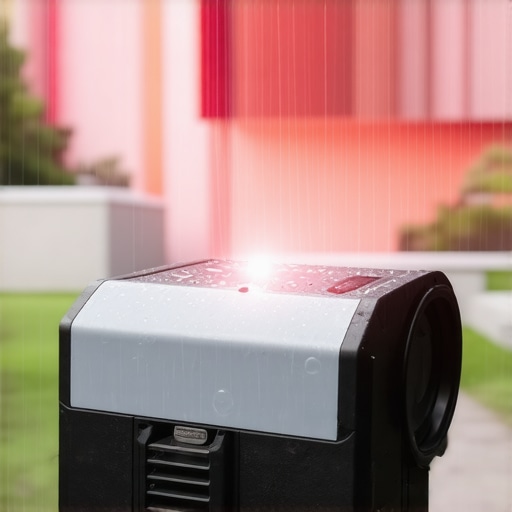
When choosing a home projector, it’s essential to consider how 4K projectors, ultra-short-throw (UST) models, portable options, and laser deals stack up against competitors like traditional lamp-based projectors and premium brands like Sony.
**4K Projectors versus 1080p Alternatives**: 4K projectors offer four times the resolution of standard Full HD models, providing sharper, more detailed images ideal for cinematic experiences. While they are generally more expensive, their higher pixel density justifies the cost for cinephiles seeking crisp visuals. In contrast, 1080p projectors are more budget-friendly but may lack the fine detail that 4K delivers, making them suitable for casual viewing.
**Ultra-Short-Throw versus Standard Projectors**: UST projectors can be placed inches from the wall, saving space and allowing flexible room placement. They excel in environments where traditional projectors would require extensive mounting, making them a popular choice among renters. However, they often come at a premium price compared to standard models, which are more affordable but require larger installation distances.
**Home Theater Deals Compared to Installing Custom Systems**: Home theater deals for projectors often focus on high-end components, including specialized screens and professional calibration, delivering exceptional quality. DIY setups with discounted projectors can be more budget-friendly but might not reach the same level of image uniformity and calibration precision. Shopping around for deals or bundle packages can provide significant savings while maintaining quality.
**Portable Projectors versus Fixed Installations**: Portable projectors offer unmatched flexibility, allowing users to project content on different surfaces and locations. Despite some compromises in brightness and resolution, they are perfect for on-the-go entertainment or quick setups. Fixed installations, often bundled with dedicated screens, provide superior image quality but lack adaptability.
**Laser Projector Deals Compared to Lamp-Based Units**: Laser projectors tend to have longer lifespans, higher brightness levels, and better color accuracy than traditional lamp models. Though they command higher initial prices, their durability and lower maintenance costs make them a cost-effective investment in the long run. Entry-level lamp projectors are cheaper upfront but may require bulb replacements over time.
**Why Choose These Over Competitors?**: Selecting options like 4K and laser projectors provides superior image fidelity and longevity. UST models and portable units shine in restricted spaces or transient environments. Comparing deals across brands like BenQ, Optoma, and Sony reveals options suited for different budgets and needs. For example, Optoma’s UST models like the CinemaX P2 come with competitive prices and high-resolution optics, making them a compelling choice for cost-conscious buyers.
**Is It Worth the Upgrade?**: If you value image detail, longer device lifespan, and space-saving designs, investing in a 4K laser UST projector might be justified. Conversely, if budget constraints are tight, sticking to 1080p or lamp-based models can still provide acceptable performance. Always check current deals, as discounts can significantly influence the value proposition.
For those interested, current pricing and features for top brands can be compared on sites like Projector Central or CNET, which regularly update price and specification tables. Don’t forget to look for reviews and user feedback to ensure the product’s real-world performance matches its specifications.
Check current prices and availability of these models and make an informed choice based on your specific needs and budget.
The Good, The Bad, and The Ugly
Pros: Portable, easy to set up, minimal room modifications, high-resolution picture quality, flexible placement options, discreet equipment like wireless speakers and no-drill mounts, and excellent performance during extended viewing sessions. Cons: Potential re-adhesion issues with mounts over time, some models can overheat during prolonged use, and higher upfront costs for laser and ultra-short-throw projectors. A few budget models may underperform or shut down unexpectedly under continuous operation.
Who Should Dive In or Wait?
Ideal Users: Renters seeking a cinema-quality experience without wall damage, space-constrained rooms that demand ultra-short-throw solutions, tech-savvy individuals comfortable with calibration and setup, and anyone wanting a versatile setup for indoor and outdoor use.
Those to Skip: If you prefer a permanent, professionally installed system or a dedicated room with built-in fixtures, or if you’re on a tight budget and willing to compromise on resolution and durability, this may not be the best fit.
Final Thoughts: Make Your Movie Nights Discreet and Stunning
Overall, a stealth home theater setup offers an impressive blend of mobility, high-quality visuals, and unobtrusiveness, perfect for renters and space-conscious users. While the initial investment in laser and UST projectors can be significant, the convenience and performance justify the cost for dedicated movie lovers. If you’re interested in optimizing your space without damaging walls, this approach is hard to beat. For more insights on achieving cinema-grade visuals in limited spaces, check out our detailed review on Android TV stuttering solutions or explore wall color impact on display quality. Considering your specific needs and room setup will help determine if this tailored approach makes sense for your entertainment space.