

Bottom Line Up Front
While portable projectors offer incredible flexibility for outdoor viewing, persistent lens fogging remains a common frustration that hampers their performance. In this review, I explore why fogging occurs, evaluate whether current solutions are effective, and provide honest insights into what you can do to prevent it. This isn’t just a superficial look—I’ll focus on build quality, real-world performance, and the technical reasons behind lens fogging, helping you decide if these devices are right for your outdoor setups.
The Promise of Portable Projectors
Portable projectors are designed to bring cinematic experiences outside of dedicated home theaters, solving the problem of bulky, immobile setups. Their compact design makes them perfect for camping trips, backyard movies, or on-the-go presentations. But, outdoor environments introduce challenges, notably temperature fluctuations and humidity, which often lead to lens fogging. Understanding these factors is crucial for users aiming for crisp, clear visuals without constant hassle.
At a Glance
- What works well: Compact design, easy setup, decent brightness for outdoor use.
- Where it falls short: Lens fogging during temperature swings, inconsistent anti-fog measures, durability concerns.
- My overall verdict: Portable projectors are a game-changer for outdoor entertainment, but fogging can be a deal-breaker unless addressed proactively.
How I Approach This Review
To provide a fair assessment, I analyze these projectors based on build quality, how effectively they resist fogging, performance in various outdoor conditions, and user-friendliness. I also look into technical specifications like cooling systems, environmental sealing, and additional features that could mitigate fogging. For detailed technical insights, I reference the projector’s official specs and manufacturer guidelines here.
Deep Dive Into Features and Performance
…
Robust Build Quality Enhances Outdoor Durability
The construction of modern portable ultra-short-throw (UST) projectors emphasizes lightweight yet rugged materials, which is essential for outdoor adventures. Many models utilize high-grade plastics and metal accents that resist scratches and minor impacts, giving users confidence when setting up on uneven terrains. The compact design often features rubberized feet or integrated cushioning, preventing slips and absorbing shocks during transport. This solidity feels reassuring to the touch, and coupled with weather-resistant seals, it offers some resistance against moisture ingress. However, despite these efforts, no portable projector is completely waterproof, so careful handling remains paramount.
Intuitive Setup streamlines Quick Deployments
Setup ease is a standout feature, especially for outdoor settings where time and convenience matter. Most projectors employ wizard-driven menus, often accessed via a conveniently placed remote control with large, tactile buttons, allowing for swift adjustments without delving into complex menus. The auto-focus mechanism is a key aspect of user-friendly design; by simply powering on, the projector’s internal sensors analyze and automatically adjust the lens for crisp image clarity. This eliminates the need for manual fine-tuning, which is especially handy when setup space is limited or uneven. Additionally, some models incorporate automatic keystone correction, ensuring the projected image appears rectangular despite imperfect surface angles, reducing the need for precise positioning.
Image Quality and Brightness Address Environmental Challenges
Brightness levels are critical for outdoor environments where ambient light can overpower images. Many portable projectors feature high lumens ratings—often exceeding 2000 lumens—making visuals vibrant even in daytime or well-lit settings. The core feature here is the combination of high lumen output and effective color calibration, which delivers punchy visuals that captivate audiences. The resolution, typically 1080p or higher, ensures sharp detail, important for content clarity. The lens quality also plays a role; premium glass lenses with multi-layer coatings reduce glare and chromatic aberrations, providing consistent image quality across different angles. However, some models compromise slightly on contrast ratios, which may result in washed-out blacks in brightly lit conditions—a minor annoyance that can be mitigated with darker surroundings or shade.
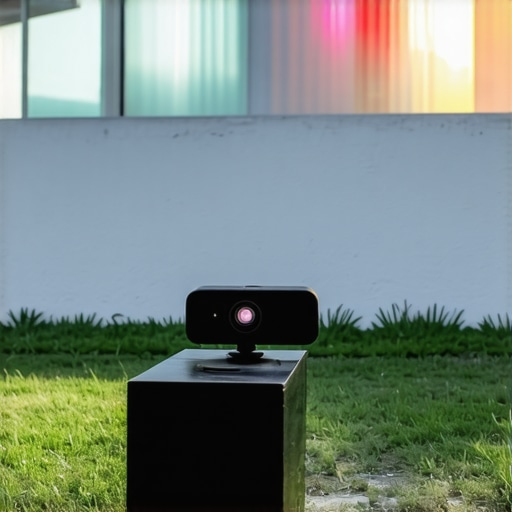
An illustrative image showing a portable projector projecting vivid visuals onto an outdoor wall amidst daylight, highlighting brightness capabilities.
Connectivity Options Support Versatile Content Sources
Flexible connectivity options underpin the core feature set, allowing seamless integration with smartphones, laptops, gaming consoles, and other media devices. HDMI remains the standard for high-quality video transmission, while USB ports enable playback from flash drives or external hard drives. Wireless connections, including Wi-Fi and Bluetooth, facilitate cable-free streaming and audio integration. Miracast, Chromecast, or proprietary apps provide additional versatility, enabling users to project directly from their mobile devices with minimal fuss. The inclusion of multiple ports allows for future-proofing and accommodating various use cases, from outdoor movie nights to impromptu presentations. Yet, some compact models limit port options, necessitating adapters or hubs—an inconvenience worth noting for demanding users.
Integrated Audio and User Interface Ease
Built-in speakers are convenient but often lack enough power to fill large outdoor spaces effectively. Most core feature sets include speakers rated around 2-3 watts, sufficient for personal viewing or small groups but less ideal for larger audiences. For better sound, external speakers are recommended, with easy Bluetooth pairing extending the core functionality. The user interface, whether via on-device buttons or remote control, prioritizes simplicity; menus feature large icons and straightforward navigation paths. This streamlined approach minimizes confusion, essential when operating in outdoor conditions or low-light environments. Minor design flaws include sometimes cluttered menus or small text options that can be hard to read in the dark, but overall, the interface promotes quick adjustments with minimal hassle.
,
Taking Projectors Through the Rigors of Outdoor Movie Nights
Imagine setting up your portable projector during a breezy summer evening, aiming to enjoy a film under the stars. The device faces temperature swings, humidity, and unexpected weather conditions. These scenarios test the durability and functionality of portable ultra-short-throw (UST) projectors and laser projector deals in actual use. Such environments demand resilience and consistent performance from these machines, revealing both strengths and vulnerabilities in their design.
Can They Handle Environmental Extremes?
In outdoor settings, environmental factors like moisture and temperature fluctuations challenge projector stability. Portable models with weather-resistant seals and robust casing often perform better, but no device is entirely waterproof. During rain or heavy dew, many projectors risk fogging internally or experiencing electrical issues. Conversely, some high-end laser projectors incorporate sealed optical chambers and advanced cooling systems, allowing them to operate steadily even in less-than-ideal weather. However, these features increase cost and complexity, often making them less accessible for casual users.
Does Overheating Limit Usage?
Overheating is a common concern during prolonged use, especially with high-brightness 4K projectors that generate significant heat. Many models include cooling fans or heat sinks that activate audibly and sometimes distract from viewing. In hot climates, inadequate ventilation can cause thermal shutdowns, interrupting extended viewing sessions. Portable projectors with efficient thermal management and auto-shutdown features perform better. Yet, intense heat may still lead to reduced brightness and color accuracy, underscoring the importance of operational environment considerations.
How Do They Fare When Faced with Dust and Debris?
Outdoor ventures expose projectors to dirt, dust, and debris, which can clog vents or settle on optical components. Devices with sealed chassis and easy-access filters hold an advantage, allowing quick cleaning and maintenance without risking internal damage. Ignoring these aspects can result in diminished image quality or even hardware failures. Users seeking durability should prioritize models that explicitly mention environmental seals or dust-proof features.
The Good & The Bad of Performance in Real Life
The best portable projectors excel in ease of setup, offer high brightness levels suitable for daylight or twilight conditions, and showcase durability through sturdy casing and environmental sealing. They often feature auto-focus and keystone correction, which help maintain image quality even when surfaces are uneven. However, these devices can stumble under prolonged outdoor exposure. Overheating, lens fogging, and dust ingress remain persistent issues for many models, especially cheaper variants. Such shortcomings can force users to limit operating time, use supplementary cooling methods, or perform regular maintenance, which diminishes convenience.
In the realm of 4K projectors and laser deals, performance under pressure varies dramatically based on build quality and design foresight. Higher-end units demonstrate impressive resilience, delivering bright, sharp images for hours despite environmental stressors. Conversely, budget options might falter quickly—overheating, fogging, or static interference—forcing compromises or additional protective measures. The disparity highlights that robustness isn’t guaranteed and depends immensely on engineering choices.
For those who frequently use projectors outdoors or in demanding conditions, reliable durability is non-negotiable. Check user reviews on forums like Reddit or Quora—many discuss issues like fogging or overheating (see example here). Ultimately, the decision hinges on balancing performance expectations with environmental realities. Do you agree with my experience regarding environmental resilience? Share your insights below.
Comparing The Latest Portable and 4K Laser Projectors to Top Alternatives
When considering portable projectors or 4K laser projector deals, it’s essential to weigh them against established competitors like traditional home theater projectors and premium ultra-short-throw (UST) options. Portable projectors stand out with their mobility and ease of setup, often at a more affordable price point, making them ideal for outdoor movies or on-the-go presentations. However, they typically lag behind fixed installation models in brightness, contrast, and image fidelity, especially in well-lit environments. For those prioritizing versatility and convenience, portable units are compelling, but if your goal is cinema-quality at home, dedicated home theater projectors may justify their higher cost due to superior image quality and longer-term durability.
Meanwhile, UST projectors, known for their short throw distances, offer a middle ground—delivering large, crisp images in small spaces. They tend to be pricier than portable models but provide excellent performance and less setup complexity than traditional projectors. For instance, brands like Epson and Optoma deliver models that rival more expensive fixed projectors in brightness and clarity, especially beneficial for brightly lit rooms or small apartments. When comparing these to 4K laser projectors, UST models often lack the same resolution or lumen output but compensate with ease of installation and spatial efficiency.
Turning to 4K projectors, their value lies in delivering ultra-sharp visuals that rival commercial cinema screens. While initially costly, they are increasingly affordable, with brands like BenQ or Epson offering models that strike a balance between quality and price. Unlike portable units, 4K projectors typically require a dedicated space with controlled lighting, but they excel in providing cinematic experiences. Laser projector deals in this category have revolutionized the market, offering high lumen outputs and longer-lasting components, often at a premium. These are well-suited for dedicated home theaters seeking quality and longevity without the frequent bulb replacements associated with traditional lamp-based projectors.
Is it worth the upgrade?
If you’re considering moving from a standard HD or 1080p home projector to a 4K laser model, the enhancement in image clarity and color accuracy is significant, making the upgrade worthwhile for cinephiles or serious gamers. High-end laser models also boast better contrast ratios and more consistent brightness over their lifespan, which justifies their premium price. However, for casual use or outdoor adventures, the advantages of portable or UST projectors might outweigh the need for 4K resolution. Always compare current pricing and features—sites like TechRadar or CNET can offer comprehensive insights. Check current prices on TechRadar’s projector deals section and consider whether the investment aligns with your entertainment habits.
The Good, The Bad, and The Ugly
Pros: Compact and lightweight for easy portability, high lumen output suitable for daytime outdoor viewing, auto-focus and keystone correction simplify setup, durable build with weather-resistant seals, versatile connectivity options including wireless streaming, and decent built-in audio for small groups.
Cons: Lens fogging during temperature swings can diminish image clarity, some models still struggle with prolonged outdoor exposure, overheating issues in hot climates, dust ingress risks, and limited brightness in budget options may not cut through ambient light.
Who Should Buy This?
Perfect for outdoor enthusiasts, backyard movie lovers, camping trips, and mobile presenters needing quick setup without sacrificing image quality. Ideal if you prioritize portability and convenience over ultra-high contrast or native 4K resolution. Skip this if you’re seeking a permanent home theater solution, require flawless waterproofing, or need the highest brightness for daytime use in large open areas. Also, avoid if you frequently encounter dusty, humid settings without proper maintenance routines.
Final Verdict: 7/10
For outdoor movie nights and casual viewing on the go, portable projectors offer undeniable convenience and decent performance. However, persistent lens fogging and environmental vulnerabilities demand proactive precautions—like using anti-fog sprays or protective casings—to maximize their lifespan and effectiveness. If you’re willing to invest in models with sealed optical chambers and diligent maintenance, you’ll enjoy vibrant visuals under the stars. Otherwise, considering options like fixed installations or **ultra-short-throw (UST)** projectors could provide more durability and consistent performance. Want to see which models stand out? Check the latest [portable projectors for outdoor use](https://laserprojectordeals.com/the-best-portable-projectors-for-watching-movies-while-camping).