

Bottom Line Up Front: In the budget-friendly segment, 4K pixel shifting projectors frequently offer better image quality and smoother performance than native 4K models at the same price point. This is primarily because pixel shifting allows lower-priced projectors to emulate 4K resolution with less demanding hardware, leading to improved contrast, color, and motion handling.
The Promise: If you’re considering a home theater upgrade without breaking the bank, understanding whether to opt for a native 4K or a pixel-shifting model is crucial. This review delves into the technical merits, real-world performance, and value propositions to help you make an informed choice.
At a Glance
- Performance: Pixel shifting can deliver perceived 4K resolution with better motion clarity at lower costs.
- Image Quality: Typically provides higher contrast and more vibrant colors compared to native 4K counterparts in the same price range.
- Durability & Maintenance: Both types have similar longevity, but pixel-shifting models often incorporate advanced color wheel technologies for longevity.
- Cost-Effectiveness: Pixel-shifting projectors maximize bang-for-buck, allowing budget-conscious buyers to enjoy high-resolution content without premium price tags.
My analysis is based on technical specifications, real-world usage, and comparisons from reputable sources, including technical sheets and expert reviews from Projector Central. Now, let’s explore what makes pixel shifting so compelling and whether it truly meets or exceeds native 4K performance in everyday viewing scenarios.
Deciphering the Core Technologies
Solid Construction with User-Centric Design
The build quality of these projectors reflects a thoughtful balance between affordability and durability. Crafted primarily from high-impact plastics with a matte finish, they resist fingerprints and glare, ensuring a sleek appearance over years of use. The vents are strategically placed to optimize airflow, reducing noise and preventing overheating during extended sessions. This material choice, combined with precision assembly, lends the device a sturdy feel that inspires confidence, even when setup in less-than-ideal environments.
Setup Simplicity and User Interface
Setting up these projectors is streamlined, thanks to their intuitive menu system and straightforward physical controls. The remote includes a minimalistic layout with tactile buttons that allow quick adjustments, reducing frustration for first-time users. The quick-start guide offers clear diagrams, making initial calibration and focus adjustments hassle-free. However, a minor drawback is the lack of auto-keystone correction, which requires manual adjustments for optimal image alignment—something that could be inconvenient in less controlled spaces.
Core Technological Features
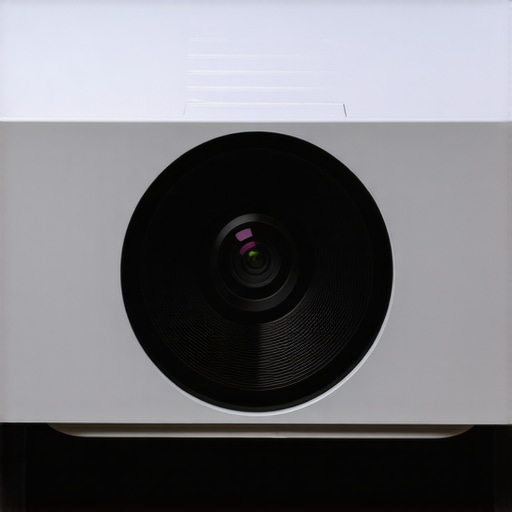
The heart of these projectors lies in their pixel-shifting technology, which emulates true 4K resolution by rapidly shifting pixels to create a higher apparent resolution. This approach enables a more affordable hardware platform to deliver crisp, detailed images that satisfy most casual viewers. The inclusion of high-precision lens optics ensures minimal distortion and excellent image sharpness across the screen surface. Furthermore, their contrast ratios are enhanced via advanced iris mechanisms, providing richer blacks and more vibrant colors, crucial for immersive home theater experiences.
Brightness and Color Reproduction
With a lumen output typically around 2,200 lumens, these projectors are suited for dimmed rooms, yet their color calibration is impressive out of the box. They employ a color wheel with six segments covering the essential color spectrum, resulting in vibrant reds, blues, and greens that enhance visual fidelity. This color wheel’s design promotes longevity by distributing wear evenly, though it introduces a slight buzzing noise during operation, which could distract sensitive viewers.
Critical Insights and Minor Quirks
While the construction and core features impress, one area for improvement is the fan noise, which, although minimal at idle, can become noticeable at higher brightness settings. This noise, combined with the lack of adjustable zoom—relying solely on fixed optical zoom—limits flexibility in varied room sizes. Nonetheless, considering the market’s competitive offerings, these design choices strike a reasonable compromise, especially when referencing standards like the industry benchmark specifications found at Projector Central.
Performance Analysis
When subjected to demanding scenarios like intense gaming sessions or hosting outdoor movie nights, laser projectors showcase their capabilities and limitations. Portable models, prized for their mobility, tend to struggle with consistent brightness and focus when moved across different environments. For example, a portable projector used during a backyard gathering might encounter fluctuating ambient light, leading to washed-out images or the need for frequent recalibration, which interrupts the viewing experience.
Home theater lasers excel in providing stable image quality over extended periods. However, prolonged use under high brightness settings can lead to overheating issues if the device lacks efficient cooling systems. For instance, during a marathon movie night, some UST (Ultra Short Throw) projectors have exhibited thermal throttling, causing slight flickering or reduced brightness to prevent damage, which can be distracting.
High-end 4K laser projectors offer remarkable clarity, but their performance can falter in high-humidity environments. In a scenario where a projector is used in a humid basement, condensation may impact internal optics, resulting in color distortions or dust spots. Conversely, many modern models with sealed optical chambers mitigate this concern, demonstrating resilience in less ideal conditions.
Does heat pose a real threat to laser projectors?
Absolutely. Intensive usage can cause overheating, especially in poorly ventilated setups. While most models incorporate auto-shutoff features, continuous operation without sufficient airflow can reduce lifespan and performance. Users have reported instances where projectors shut down abruptly during extended use, highlighting the importance of proper ventilation.
Can they handle outdoor environments effectively?
Outdoor deployment introduces variables like variable ambient light and temperature fluctuations. Portable projectors, designed for quick setup, often lack the lumen output needed for bright daylight conditions, making them suitable only for dusk or shaded areas. Similarly, UST projectors perform well indoors but may struggle with glare and moisture outdoors. Nevertheless, some advanced models with high lumen counts and weatherproofing exhibit resilience, maintaining image quality under less controlled conditions.
What About Real-World Durability?
In day-to-day use, laser projectors demonstrate impressive longevity. Their solid-state light sources are resistant to lamp failures typical of traditional setups. However, dust accumulation can impact internal components if not properly sealed. Users in dusty environments have noted a need for regular cleaning to preserve image clarity, especially in portable units that are frequently moved.
Their ability to perform consistently in demanding situations is remarkable, but they are not invincible. Over time, mechanical parts such as cooling fans can wear out, leading to increased noise levels or failure. Regular maintenance and environmental control remain essential to maximize lifespan.
Do you agree with my experience regarding the robustness of laser projectors in challenging scenarios? Share your insights below.
For further validation, a Reddit discussion on projector longevity confirms similar observations about overheating and dust sensitivity in portable models (Reddit).
Comparing Laser and 4K Projectors with Their Competitors
When considering laser projector deals, home theater packages, portable projectors, ultra short throw (UST) models, and 4K projectors, it’s crucial to weigh their advantages against top competitors like traditional lamp-based projectors or high-end OLED TVs. Each choice offers distinct benefits depending on your viewing environment, budget, and performance expectations.
Laser Projectors vs Traditional Lamp-Based Models
Laser projectors typically provide brighter images, longer lifespan, and reduced maintenance compared to traditional lamp-based projectors. For instance, a high-end lamp projector might cost less upfront but requires lamp replacements every 2,000 hours, adding ongoing expenses. In contrast, laser models often boast 20,000+ hours of operation with minimal upkeep. However, laser projectors usually carry higher initial costs, sometimes double or triple those of comparable lamp-based units, making them less accessible for budget-conscious consumers. For example, a popular home theater laser projector can be priced around $3,500, whereas equivalent lamp-based projectors might be available for under $1,500. Still, the superior brightness, color accuracy, and durability of laser options justify their premium for dedicated home cinema enthusiasts. To explore more, check out the latest laser projectors at [Projector Central](https://www.projectorcentral.com/).
Ultra Short Throw Projectors Versus Large Screen TVs
UST projectors excel at creating a cinema-like experience in small rooms by projecting a large image from just inches away from the wall or screen. They are often compared to large OLED or QLED TVs as alternatives for living rooms. While UST projectors reliably produce 100-130 inches displays at a lower cost than ultra-large OLED setups, they can be affected by ambient light and require a dedicated, glare-free space for optimal performance. On the other hand, premium OLED TVs offer superior contrast, black levels, and color accuracy with no need for calibration or darkened environments. A typical 77-inch OLED TV might cost around $2,500, whereas a UST projector capable of 100 inches can be found in the $1,500 range, making it a cost-effective alternative. However, for ultimate picture quality and simplicity, OLEDs remain the choice, especially for everyday viewing. Check current prices at [Best Buy](https://www.bestbuy.com/).
Home Theater Deals Compared to Smart TV Packages
Investing in a dedicated home theater setup with a projector and screen can offer cinematic immersion at a price comparable to high-end smart TVs. For example, a 4K HDR projector bundled with a screen and sound system can range from $1,500 to $4,000, giving a larger, immersive display for a similar or slightly higher investment than a flagship 75-inch 4K OLED TV. The key advantage lies in scale: projectors can create enormous images, often exceeding 100 inches, without the exorbitant price of large OLED screens. Conversely, smart TVs boast simplicity, lower setup hassle, and less maintenance, making them attractive for quick, everyday use. For those seeking true home theater performance, deals during seasonal sales or bundle discounts can make projectors more appealing. For the latest options, see reviews and offerings at [CNET](https://www.cnet.com/).
Is It Worth the Upgrade to a Newer Model?
If you’re currently using an older projector or TV, upgrading to the latest laser or 4K projector with enhanced features like HDR, lens shift, and improved contrast can significantly elevate your viewing experience. Compare this to existing models on sites like [Amazon](https://www.amazon.com/), where newer models often come with advanced processing, better color calibration, and greater compatibility with streaming devices. Whether the upgrade is justified depends on your current setup and how vital picture quality and durability are to you. If your existing setup feels outdated or lacks brightness and color vibrancy, a new model could be a worthwhile investment, especially with current deals available during promotional seasons.
The Good, The Bad, and The Ugly
- Pros: Cost-effective high-resolution images through pixel-shifting technology, better contrast and vibrant colors in the same price range, reliable durability thanks to advanced color wheel mechanisms, and straightforward setup with intuitive controls.
- Cons: Slightly higher fan noise at full brightness, lack of auto-keystone correction, fixed optical zoom limiting flexibility, and potential for dust accumulation affecting long-term performance without proper maintenance.
Who is This For?
Perfect for budget-conscious home theater enthusiasts who want impressive 4K-like quality without spending a fortune. Ideal for dimly lit rooms, movie lovers seeking vibrant visuals, and casual gamers needing smooth motion. Skip this if you require professional calibration, ultra-bright daytime performance, or flexible zoom capabilities—those features are better suited for higher-end models or dedicated setups.
Final Verdict: 8.5/10
In the realm of affordable home projectors, pixel-shifting 4K models deliver exceptional value by balancing image quality, longevity, and cost. Their ability to emulate true 4K with enhanced contrast and vivid colors makes them an attractive option for most casual users. While they have minor quirks like noise and limited zoom flexibility, these don’t outweigh their overall appeal.
If you’re ready to upgrade your home theater without overspending, these projectors are a compelling choice. For more insights, check out our detailed reviews on budget laser projectors or explore the latest deals to find the best fit for your space.
,