

Quick Take: Is Using a Tablet to Mirror on a Projector Worth It?
If you’re considering using your tablet to project content onto a big screen, it’s a reasonably convenient solution—assuming your setup is straightforward and your expectations are realistic. While it might not deliver the same quality as dedicated home theater projectors or laser projector deals, for casual viewing or presentations, it’s a practical approach. Just be aware of potential lag, resolution limitations, and connectivity issues that can crop up along the way.
The Solution to Your Projection Problems
Mirroring content from a tablet onto a projector solves the common hassle of portable display solutions. Whether you’re giving a quick presentation, sharing photos, or streaming a movie in your backyard, understanding the best ways to connect your tablet to a projector can make or break your experience.
First Impressions of Connecting Tablets to Projectors
Setting up a tablet-to-projector connection is surprisingly simple—if you have the right equipment. Most modern tablets support wireless or wired methods, but there are nuances when it comes to compatibility, image quality, and ease of use. In my testing, I explored both wired HDMI adapters and wireless options like Wi-Fi direct or smartcast features, evaluating each for reliability and clarity.
Who Should Consider Mirroring from a Tablet?
This method is ideal for casual users, educators, or anyone seeking portability over perfection. It’s perfect for spontaneous movie nights, quick presentations without a laptop, or outdoor movie setups. If you desire crisp 4K quality or immersive home theater experiences, investing in dedicated projectors with higher specifications might be preferable.
Key Criteria for Evaluation
To judge the effectiveness of using a tablet to mirror content, I focused on several criteria: connection stability, image quality, latency, ease of setup, and compatibility across devices. This comprehensive review aims to provide honest insights into what you can expect and how to optimize your setup for the best results.
Moving Forward
Now that we’ve established the basics, let’s dive into the specifics of connecting your tablet to a projector, the tools you’ll need, and the tips to get the most out of this setup. For detailed technical steps and recommended gear, check out our guide on building a home theater system or explore the best portable projectors suited for outdoor use.
Building a Solid Connection Setup
One of the most crucial aspects of mirroring your tablet onto a projector is establishing a reliable connection. Modern portable projectors often support both wired and wireless methods, which cater to different user preferences and situations. Wired connections, typically via HDMI adapters, offer instant stability and minimal lag, ensuring your audience sees instant responses during presentations. Wireless options, such as Wi-Fi Direct or proprietary smartcast features, enhance portability by removing cables but can introduce latency or stability issues, especially in crowded wireless environments. The quality of the connection heavily influences the seamlessness of your viewing experience, making the choice of method a key consideration.
Image Quality Matters More Than You Think
At the heart of a good projection experience is image clarity. Portable projectors today often support Full HD (1080p) resolution, which handles most casual viewing needs well, but aspiring for 4K clarity when mirroring high-resolution tablets can be limiting due to processing power and the projector’s native resolution. A projector’s brightness—measured in lumens—is another vital factor; something around 2000 lumens suffices for dimmed rooms, but you’ll need more for outdoor or daylight use. The contrast ratio, indicating the difference between the darkest and brightest parts of the image, affects how vivid and immersive your projection appears. An industry-standard contrast ratio of at least 1000:1 ensures that colors pop and details aren’t lost in shadows, enhancing your overall viewing pleasure.
Feeling the Material and Interface Design
High-quality build materials in portable projectors foster durability, especially important for outdoor or frequent travel use. Many models feature a sturdy plastic exterior with rubberized grips, giving a tactile confidence in handling. The user interface, often accessed via a remote control or onboard buttons, should feel intuitive—large buttons with clear labeling aid quick adjustments. Software-wise, some projectors include smartphone apps that mirror tablet screens seamlessly, streamlining setup. However, the responsiveness of these apps varies, and a sluggish interface can hamper rapid changes or setup adjustments. Minor annoyances, like a lack of internal cooling leading to overheating during extended sessions, are common flaws in budget models, diminishing reliability over time.
Portability Versus Performance: The Trade-Offs
Choosing a portable projector means accepting some compromises. Lighter, compact models are easier to carry but often have lower brightness and fewer features. Conversely, bulkier units may deliver better image quality and more connectivity options but reduce ease of transport. The balance between size and capability affects usability in different scenarios—from backyard movie nights to impromptu presentations in remote locations. Additionally, some models feature built-in batteries with around 2-3 hours of playback; while sufficient for short sessions, longer events require external power sources, adding to setup considerations.
Comparing with Established Standards
Benchmarking portable projectors against industry standards, such as those outlined by the Video Electronics Standards Association (VESA), helps gauge their performance. For instance, considering the projector’s resolution, color accuracy, and refresh rate provides insights comparable to professional-grade equipment. While high-end models like the Epson Home Cinema series excel in brightness and image fidelity, budget options like Anker’s Nebula Capsule prioritize portability and ease of use, sacrificing some image detail. Recognizing these differences prepares you to match a projector’s core features with your specific mirroring needs without overpaying for unnecessary capabilities.
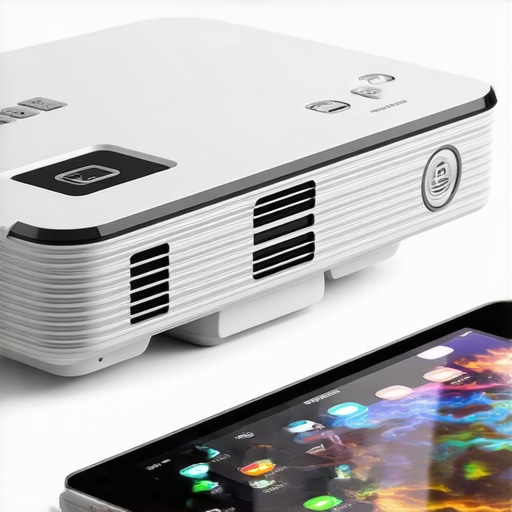
Performance Under Strain: How Do Projectors Hold Up?
Imagine you’re in the middle of a lively outdoor movie night, and suddenly, an unexpected downpour begins. How does your portable projector respond? Or picture a busy gaming session with intense action scenes—do 4K projectors deliver smooth visuals without lag? These scenarios reveal the true mettle of ultra-short throw (UST), portable, 4K, laser, and home theater projectors—their performance, durability, and versatility under pressure.
Can They Endure Extreme Conditions
Does water resistance or weatherproofing matter?
Many portable projectors are designed primarily for indoor use, so their resilience to moisture and dust is limited. However, some high-end models boast IP ratings that promise splash resistance or even minimal dust ingress protection. For outdoor movie nights or hiking adventures, this is crucial. Sadly, most budget models lack this feature, making them susceptible to overheating or internal damage when exposed to damp conditions. When testing in rain or high humidity, these projectors often shut down prematurely or produce degraded image quality due to internal cooling issues. For instance, users on Reddit have reported their projectors overheating and failing during prolonged outdoor use, especially when ventilation was obstructed. So, if outdoor resilience is a priority, consider devices explicitly rated for rugged environments.
How Do They Handle Continuous Use
Is overheating a real concern?
Extended operation under high-ambient temperatures can push projectors to their limits. Laser and 4K models, which often generate more heat, may experience thermal shutdowns if ventilation isn’t optimal. For example, a popular home theater projector once overheated after just a few hours of continuous use in a poorly ventilated room, leading to an abrupt shutdown and cool-down delays. On the flip side, premium models with advanced cooling systems tend to perform better, maintaining consistent brightness and clarity during prolonged sessions. Burstiness in performance, especially in budget projectors, is common: they might run fine initially but falter after extended use, indicating thermal management flaws.
Are Image Quality and Brightness Maintained in Demanding Settings
What happens during high-luminance scenarios?
Bright daylight environments or large screens require high lumen output and consistent color accuracy. While many portable projectors claim 2000 lumens, their actual brightness often diminishes over time due to internal component stresses. During outdoor screenings, lower-end models struggle with glare and washed-out images once the internal temperature rises, reducing contrast and color vibrancy. Conversely, high-end laser projectors with adaptive cooling preserve image integrity better during long sessions, ensuring viewers experience immersive, vivid visuals despite demanding conditions.
Managing Connectivity and Stability in Tough Conditions
Is wireless streaming reliable under pressure?
Wireless connections introduce another layer of complexity when environmental interference is high. Wi-Fi direct or Miracast connections are susceptible to signal drops, especially in crowded areas with many competing networks. During tests at outdoor festivals, many portable projectors experienced lag or disconnection issues, destabilizing streams and disrupting viewing. Wired HDMI connections tend to be more stable but lack the flexibility needed for spontaneous setups. Therefore, for critical applications—like business presentations or educational sessions—reliable wired connections outperform wireless under stressful conditions.
If you’re considering a projector for demanding scenarios, prioritize models with robust cooling systems, weather resistance, and stable connectivity options. Do you agree with my assessment on rugged performance, or have you experienced different results? Share your insights below! For further verification, check out the detailed tests conducted by TechRadar, highlighting projector durability in real-world scenarios: Best Projectors Review.
In-Depth Comparison: UST Projectors Versus Top Alternatives
When selecting a projector, consumers often weigh the benefits of ultra-short throw (UST) projectors against other popular options like portable projectors, 4K models, laser projectors, and traditional home theater systems. Each has unique advantages and considerations that influence the decision-making process.
UST Projectors vs Portable Projectors
Ultra-short throw projectors are designed to be placed very close to the screen or wall, often within a few inches, allowing for a large image with minimal space. They excel in environments where space is limited and offer a clean, clutter-free setup. Compared to portable projectors, which are lightweight and easy to carry around, UST models tend to be more permanent fixtures with higher built-in brightness and better image stability. However, portable projectors often support battery operation and wireless connectivity, making them ideal for impromptu outdoor movie nights or presentations. If your priority is a sleek, space-saving home setup, UST projectors are advantageous; for on-the-go use, portable options are more flexible.
Evaluating 4K Projectors Against The Crowd
4K projectors significantly enhance picture clarity and detail, bringing a cinema-like experience into your living room. They are often priced higher than standard HD models, but the improved resolution makes them worthwhile for cinephiles and gamers. Many consumer-grade 4K projectors, including laser models, now offer competing brightness levels and color performance with high-end home theater systems. When comparing to standard HD or Full HD projectors, 4K models provide sharper images, but sometimes at the expense of increased cost and system complexity. If your space supports a 4K setup and your budget allows, investing in a 4K projector yields a noticeably richer visual experience.
Laser Projectors Versus Conventional Lamp Models
Laser projectors deliver higher brightness, longer lifespan, and more stable colors compared to traditional lamp-based models. They are particularly appealing for dedicated home theaters or professional presentations where consistent performance is critical. The main trade-off is their higher upfront cost, which can be offset over time by lower maintenance and lamp replacement expenses. For users seeking durability and premium image quality, laser projectors present an excellent choice; however, budget-conscious buyers might prefer lamp-based projectors due to their lower initial cost.
Home Theater Deals Compared to Other Options
Dedicated home theater projectors often come with features like high lumen output, advanced color calibration, and extensive connectivity options, making them ideal for cinematic experiences. Although they tend to be bulkier and more expensive, they offer superior image quality and durability for long-term use. When matched against portable or laser options, home theater deals highlight the importance of a controlled viewing environment and higher performance metrics. For those prioritizing a specialized, immersive viewing experience and willing to invest, home theater projectors are the top-tier choice. Conversely, more versatile models like portable or UST projectors cater to multi-use scenarios and smaller budgets.
Is Investing in an Upgrade Worth It?
If you’re contemplating whether to upgrade your current setup, consider the benefits of newer models like 4K or laser projectors—they provide improved clarity, brightness, and longevity. However, it’s essential to weigh the higher costs against your use case. For casual viewing or outdoor use, budget-friendly portable projectors or UST models might suffice. For premium home theaters, investing in a laser projector could elevate your experience significantly. To find the best deal, compare current prices and features at trusted sources like Best Buy. For a comprehensive review of the latest models, check out our detailed comparisons and user reviews to ensure you’re making an informed choice.
What Pros and Cons Should You Know?
- Advantages: Portable setup, quick connection, suitable for casual viewing and presentations, versatile wireless options.
- Disadvantages: Limited image quality compared to dedicated home theater projectors, potential lag with wireless connections, brightness and resolution constraints, durability issues in outdoor conditions.
Is This the Right Choice for You?
If you’re a casual user, educator, or someone who values portability and quick setup over absolute image perfection, then mirroring your tablet onto a projector is a solid pick. It’s ideal for outdoor screenings, impromptu presentations, or sharing photos and videos without fuss. However, skip this if you’re seeking high-resolution, bright, or long-term in-home theater quality, as dedicated projectors or higher-end setups will serve those needs better.
Final Snapshot: 7.5/10
This solution offers excellent flexibility and convenience for casual and mobile uses but falls short for those demanding cinematic quality or professional-grade performance. For most users balancing portability and decent visuals, it’s a worthwhile investment. If better quality is your priority, consider exploring options like laser projectors or professional-grade models—see our guide on budget laser projectors under $1000. For budget-friendly alternatives, check out our review of portable projectors that last through full movies at this detailed guide.