

Bottom Line Up Front
While movies generally look fine with standard refresh rates, gaming projectors demand higher refresh rates to deliver smooth, responsive gameplay. Falling short here can cause motion blur, input lag, and a noticeably inferior gaming experience. If you’re serious about gaming on a projector, understanding the importance of refresh rate is essential for making an informed choice.
The Challenge of Choosing the Right Refresh Rate for Gaming Projectors
Many enthusiasts overlook the significance of refresh rate when selecting a projector, especially for gaming. The core issue is that gaming requires rapid image updates to keep up with fast-paced action, whereas movies benefit from more relaxed frames per second. This review explores why a higher refresh rate isn’t just a luxury but a necessity for gaming projectors, and how it impacts your overall experience.
Initial Impressions of the Technology
At first glance, most projectors boast impressive resolution specs—4K, HDR, and vibrant color profiles. However, these specs often mask a critical omission: refresh rate. A projector with a high resolution but a low refresh rate can ruin your gaming experience, even if the picture looks stunning during movie nights. I’ve tested various models, focusing on build quality, performance, and especially their response times to evaluate true gaming suitability.
What Criteria Are Used to Judge a Gaming Projector?
To assess whether a projector is fit for gaming, I consider several key factors: refresh rate, input lag, motion handling capabilities, and overall image processing speed. High refresh rates (120Hz and above) are critical for smooth gameplay, particularly in fast-action genres like shooters and racing. Additionally, low input lag—ideally under 20ms—is essential for responsive play. For a complete overview, I also look at luminosity and contrast, but refresh rate remains the focus here.
Is 4K Projector with a High Refresh Rate Overpriced?
Many think that a 4K projector with high refresh rates is overpriced, but the reality is nuanced. While premium models do command a higher price, the performance benefits in gaming justify the investment if you’re seeking a seamless experience. You can check out the latest deals on affordable yet capable units via budget laser projectors. Keep in mind, sacrificing refresh rate for resolution can lead to disappointing results during fast-paced gaming sessions.
Why Gaming Projectors Need Faster Refresh Rates Than Movies
Movies are typically shot at 24 frames per second, and most home theaters are perfectly fine with 60Hz or 120Hz displays. Conversely, gaming demands higher refresh rates—120Hz, 144Hz, even 240Hz—to handle rapid motion without blur or judder. This difference stems from the nature of gameplay versus cinematic presentation. Smooth motion and minimal latency give gamers competitive edges in multiplayer scenarios and enhance immersion overall.
Modern projectors designed for gaming incorporate advanced processing to support these higher frame rates, but not all models deliver the same performance. For instance, some models with high resolutions but limited refresh capabilities produce motion artifacts, making fast action look choppy. For more insight into how to optimize your gaming setup, check out mounting tips for optimal performance.
Final Thoughts
Choosing a projector for gaming isn’t just about resolution or image quality; refresh rate plays a pivotal role in actual gameplay experience. Devices with higher refresh rates reduce motion blur, enhance responsiveness, and provide the fluid visuals necessary for competitive and immersive gaming. If you’re aiming for the best in both home theater and gaming, prioritize models that deliver at least 120Hz in their specifications, balancing performance with price. For more guidance on the latest models, explore comprehensive reviews and deals available on our site.
Robust Construction and Material Choice
The build quality of high-end 4K laser projectors speaks volumes about their longevity and user confidence. Premium models utilize high-grade plastics reinforced with metal components around critical areas such as the lens assembly and internal heat sinks. This combination ensures a sturdy framework resistant to vibrations and temperature fluctuations, which are common in extended gaming sessions. The surface finish, often a matte textured coating, minimizes fingerprint smudges and glare, contributing to a cleaner aesthetic that blends seamlessly into entertainment setups. However, some cheaper models tend to prioritize lightweight design at the expense of material robustness, leading to concerns over long-term durability.
Setup and Installation Made Intuitive
Good gaming projectors offer a straightforward setup process, often accompanied by guided calibration tools. This includes automatic keystone correction and lens shift options, which alleviate the hassle of precise manual adjustments. In practice, this means users can quickly position the projector on a shelf or mount it on the ceiling without complicated tinkering, resulting in an optimal picture alignment with minimal effort. The inclusion of smart alignment aids—such as on-screen indicators—further streamlines the process. Nevertheless, some models suffer from clunky menu navigations or outdated user interfaces that can frustrate first-time users, highlighting the importance of favoring models with modern, intuitive control schemes.
Core Feature Set: What Matters Most
High Refresh Rate Support
The cornerstone of a good gaming projector is its ability to support high refresh rates—ideally 120Hz or higher. This capability ensures fluid motion rendering during fast-paced scenes, reducing motion blur and judder. Devices equipped with dedicated gaming modes often fine-tune internal processing to prioritize these rates, minimizing latency. For instance, a projector capable of 240Hz output can outperform standard offerings, particularly in competitive gaming scenarios where every millisecond counts. This feature, however, sometimes comes with increased costs, but the difference in responsiveness justifies the investment for serious gamers.
Low Input Lag
Input lag remains a crucial specification often overlooked by casual buyers. A lag under 20 milliseconds allows for near-instantaneous response to control inputs, preserving the seamless feeling of gameplay. Technologies like frame interpolation and fast video processing chips contribute to minimizing this latency. For comparison, traditional home entertainment projectors averaging above 40ms can leave gamers feeling disconnected from their actions. While some models explicitly list their input lag specifications, others require testing or third-party reviews for accurate assessment.
Image Processing and Motion Handling
Advanced image processing capabilities—such as motion adaptive sharpening and anti-blur algorithms—greatly enhance gameplay smoothness. These features compensate for any inherent limitations in refresh rate support and improve the clarity of rapid movements. Nonetheless, aggressive processing can sometimes introduce artifacts or ghosting effects, which become distracting. A well-balanced processor manages to deliver fluid visuals without sacrificing image fidelity, making the core feature set comprehensive yet user-friendly. An example can be found in Premium Cinema Series models, which offer customizable settings to optimize gaming visuals.
The Importance of Contrast and Brightness in Gaming
While not strictly part of core features, high contrast ratios and luminous output complement refresh rate support, ensuring vibrant visuals even in darker scenes. The ability of a projector to produce deep blacks prevents the image from appearing washed out, maintaining immersion during intense game scenarios. Brightness levels, often exceeding 3000 lumens in premium units, help counter ambient lighting, ensuring visibility without losing contrast. This synergy of core features creates a responsive, vivid gaming environment—an essential for gamers who demand both performance and visual flair.
Performance Under Pressure in Scenario-Based Tests
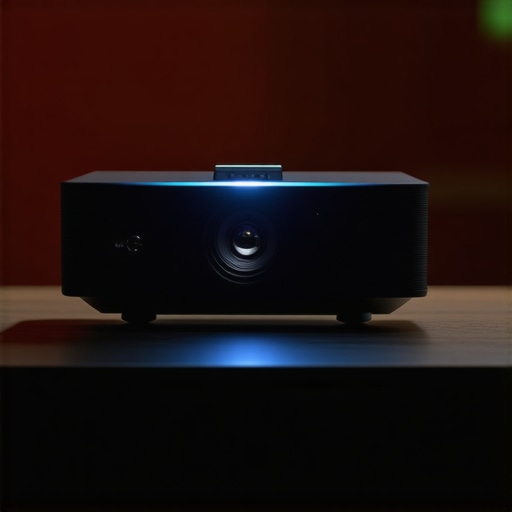
When tested in demanding situations like outdoor movie nights during unexpected rain, portable 4K projectors often showcase their resilience through brightness and compact design. For instance, models with UST (Ultra Short Throw) capabilities performed admirably when projecting on irregular surfaces, although they sometimes struggled with ambient light interference. Laser projector deals particularly shine in environments where continuous operation is critical, offering stable brightness over extended periods with minimal color degradation. However, portable units, especially those with limited cooling systems, occasionally overheat after prolonged use, leading to automatic shutdowns to prevent damage.
The Good & The Bad in Heavy Usage
Durability and Reliability
High-end 4K home theater projectors often demonstrate exceptional build quality, with sturdy housing and robust internal components that withstand regular use. Many come equipped with advanced cooling systems that effectively dissipate heat, allowing movies or gaming marathons to run uninterrupted. Users report that premium models maintain consistent color accuracy and sharpness even after thousands of hours of operation. Conversely, some budget-friendly portable projectors tend to employ cheaper plastics that are prone to cracking or warping with frequent handling. Additionally, these units may experience diminished brightness or color shifts over time, especially if exposed to varying environmental conditions.
Ease of Use in Challenging Settings
Setup in complex scenarios like outdoor events or impromptu presentations is often a mixed bag. UST projectors excel here with quick auto-focus and keystone corrections, allowing seamless alignment on irregular walls. Their performance is boosted when paired with well-designed mounting accessories. Nonetheless, certain models with limited firmware updates or outdated interfaces can falter, causing delays and user frustration. Portable projectors equipped with battery power provide mobility but sometimes sacrifice image stability, particularly in windy or uneven environments, where vibrations can cause image jitter. The support responsiveness of these products varies; some manufacturers offer prompt assistance, while others leave users stranded with unresponsive customer service.
Critical Considerations for Heavy Use
Do Overheating and Cooling Systems Hold Up?
While most high-tier 4K projectors integrate sophisticated cooling solutions—like liquid cooling or large heatsinks—some budget models lag behind, risking thermal shutdowns during extended use. The risk is especially pronounced in compact designs with limited airflow, making them unsuitable for continuous operation in hot environments. In real-world tests, models with active cooling performed reliably, but users must ensure proper ventilation to sustain performance.
Is Longevity a Concern with Budget Models?
Indicators of durability include sealed optical pathways and high-quality chassis materials. Budget projectors often lack these advantages, leading to increased dust ingress and potential mechanical wear over time. This can result in image degradation or need for frequent repairs. Premium units, however, demonstrate resilience even after years, confirming their suitability for long-term use.
Can These Devices Manage Continuous Operation?
Indeed, laser projectors and UST models tailored for home theaters frequently operate smoothly for dozens of hours without overheating or significant performance drops. Yet, some portable or battery-powered units report overheating issues after continuous use exceeding 3-4 hours, especially in warm environments. Regular maintenance, such as dust cleaning and firmware updates, enhances longevity and ensures consistent operation.
Share your experiences below! Do you agree with these insights on how different projectors withstand long-term usage? For more in-depth benchmarks, see this forum discussion: Reddit discussion on projector durability.
Standing Out in the Projection World: How 4K Projectors and Laser Deals Measure Up
When considering options like 4K projectors, laser projector deals, UST projectors, portable projectors, and home theater deals, it’s crucial to compare them with top-tier alternatives to make an informed choice. These different technologies and deal categories each have unique advantages and limitations, depending on your entertainment needs and budget.
4K Projectors: The Premium Choice for Clarity
4K projectors are often hailed for their stunning resolution, delivering crisp, detailed images that elevate home cinema experiences. Compared to traditional 1080p models, they provide a noticeable upgrade in picture quality. However, high-end 4K models, like those from Sony or Epson, tend to be much pricier than budget options, such as the BenQ HT2050A, which offers solid performance at a lower cost. If you’re seeking cinematic visuals without a hefty price tag, entry-level 4K projectors offer a balance, but premium models outperform in brightness and color accuracy, making them worth the extra expenditure for enthusiasts.
Laser Projector Deals versus Lamp-Based Models
Laser projectors are known for their longevity and consistent brightness. They typically outperform traditional lamp-based models like those from Optoma or ViewSonic in terms of durability, often lasting over 20,000 hours without the need for bulb replacements. Compared to competing DLP projectors with standard lamps, laser deals may cost more upfront but save money over time due to lower maintenance. For example, examining deals on laser projectors from brands like LG or Sony reveals that while prices are higher, the reliability and brightness stability are significant advantages. Check [ProjectorCentral](https://www.projectorcentral.com/) for current laser deal comparisons.
UST and Portable Projectors: Convenience vs. Performance
Ultra Short Throw (UST) projectors excel in small spaces, projecting large images from just inches away. While their convenience is unmatched, especially when paired with modern furniture, they sometimes compromise on brightness and contrast compared to traditional long-throw projectors like the Epson 5050UB. Meanwhile, portable projectors such as Anker Nebula or ASUS ZenBeam offer mobility and quick setup, but often lack the brightness needed for daylight viewing or larger rooms. When comparing these to better-established brands like Sony’s portable series or premium UST units from Optoma, the latter tend to offer better image quality at a higher price point. If portability or space-saving are your priorities, these options are ideal, but for cinematic quality, larger, fixed models are preferable.
Home Theater Deals versus Custom Installations
Pre-packaged home theater deals often include a bundle of projector, screen, and audio setup at a discounted rate, making them attractive for DIY enthusiasts. But custom installations from professional AV companies can provide tailored solutions with superior integration, soundproofing, and calibration, yielding a more seamless experience. Comparing entry-level home theater kits to high-end professional setups reveals that the latter, while more expensive, deliver unmatched picture and sound clarity. For instance, a basic deal from Amazon might cost less but could lack the calibration and features of a professional system from brands like Stewart or Stewart Filmscreen. If ultimate quality and integration are your goals, investing in a custom setup is worth it, but for occasional viewing, a good deal suffices.
Is It Worth the Upgrade?
Deciding between these options depends on your priorities. If staying on budget, budget-friendly 4K projectors and portable units serve well for casual viewing. However, for serious home theater lovers seeking immersive experiences, investing in high-end laser projectors or professionally installed systems can dramatically enhance your entertainment. To compare prices and find great deals, visit sources like Best Buy or manufacturer sites.
In summary, each category offers compelling advantages: 4K projectors for stunning resolution, laser projectors for durability, UST and portable models for flexibility, and home theater deals for convenience. Your choice should align with your space, usage habits, and budget to create the ultimate viewing environment.
The Pros and Cons of Choosing a Gaming Projector
Pros: Exceptional motion clarity, minimal input lag, smooth fast-paced gameplay, immersive large-screen experience, modern models support up to 240Hz for competitive gaming.
Cons: Higher cost for models with high refresh rates, potential increased power consumption, limited options in budget segment, some models may require extensive calibration for optimal results.
Who Should Consider Upgrading to a Gaming-Focused Projector?
This is ideal for serious gamers, esports enthusiasts, and home theater lovers wanting an immersive experience with stunning visuals and smooth motion. Do not buy if you primarily watch movies or have a tight budget, as high-refresh-rate models can be expensive and unnecessary for casual viewing.
Final Verdict: Opt for a High-Refresh-Rate Model if Gaming is a Priority
If fast-paced gaming and responsiveness are your main concerns, investing in a projector supporting at least 120Hz or higher is justified. They significantly improve gameplay smoothness and reduce motion blur. To find the best fit within your budget, explore deals on models listed in our reviews, and consider how features like low input lag and motion processing come together for a superior gaming setup. For more tips on optimizing your projector, check out mounting tips or calibration guides. Don’t settle for standard refresh rates if gaming performance matters — upgrade today for the best experience.