

As an avid home theater enthusiast and tech reviewer, I’ve always been intrigued by the longevity claims of laser projectors compared to traditional lamp-based models. After extensive testing and research, I can confidently say that laser projectors indeed last significantly longer—often by several times—than their lamp-based counterparts. This isn’t just marketing hype; it’s rooted in solid technological differences that have practical implications for users. In this review, I’ll explore why laser projectors offer such impressive lifespan advantages, weighing their build quality, performance, and cost-effectiveness, to help you decide if investing in a laser model makes sense for your setup.
At a Glance
Bottom Line Up Front: Laser projectors outperform traditional lamp models in longevity, often lasting up to 20,000 hours or more, which drastically reduces maintenance and replacement costs. They provide reliable, consistent brightness over time, making them ideal for continuous, demanding use such as home theaters or professional settings.
The Problem Addressed: Traditional lamp projectors require periodic bulb replacements, which can be costly and inconvenient, especially for high-use scenarios. Laser projectors eliminate this issue with their extended lifespans, offering a more sustainable and hassle-free experience.
What Makes Laser Projectors Last Longer?
The core reason laser projectors have such impressive lifespans is their light source technology. Unlike traditional projectors that rely on high-pressure mercury or halogen lamps, laser projectors use solid-state laser diodes. These diodes are highly durable, resistant to shock and vibration, and do not degrade as quickly over time. As a result, laser modules can operate reliably for tens of thousands of hours—often around 20,000 hours—far surpassing the typical 2,000 to 4,000 hours of lamp life in conventional projectors.
Additionally, laser projectors use advanced cooling mechanisms and sealed optical systems that protect the light source from dust and other contaminants. This sealed environment prevents lumen depreciation caused by particle buildup, which often affects traditional lamps after several hundred hours.
Durability and Maintenance
One of the underrated benefits of laser projectors is their robustness. Their build quality often involves high-quality, heat-resistant components that withstand prolonged operation without significant wear. That means fewer repairs, less downtime, and a lower total cost of ownership. Contrary to older assumptions, modern laser models are also more compact, making them easier to install in varied environments.
Are Laser Projectors Overpriced? The Investment Question
While laser projectors generally come with a higher initial price tag compared to traditional lamp-based models, their longer lifespan tends to offset this premium. Over time, savings accrue from replacing lamps less frequently and reducing maintenance costs. For someone seeking a reliable, high-performance projector for continuous use—like a dedicated home theater—laser technology makes financial sense in the long run.
It’s worth noting that recent advancements and increased competition have brought down laser projector prices, making them more accessible. For a detailed look at current deals, check out our best laser projector deals.
Final Thoughts and Next Steps
Understanding the technological underpinning of laser projectors helps clarify why they last so much longer than traditional lamps. If you’re planning to invest in a projector for prolonged, daily use, opting for a laser model is a smart move that promises durability and consistent performance. In my upcoming deep dive, I’ll examine the latest specifications, features, and how to select the best model for your needs, including practical tips on setup and optimization.
Robust Build Sets Laser Projectors Apart
At the heart of a laser projector’s longevity is its sturdy construction. The shell is often crafted from high-quality, heat-resistant materials that can withstand extended operation without warping or degradation. This solid framing not only protects delicate internal components but also ensures stability during use, reducing vibrations that could impact image quality. The inclusion of sealed optical chambers prevents dust intrusion, a common culprit behind lumen depreciation in traditional models. This sealed environment is crucial for maintaining brightness consistency over thousands of hours, providing peace of mind for users who rely on steady performance.
Material Quality and User Feel
The tactile experience of handling a laser projector reflects its premium build. Many models feature smooth, matte finishes that resist fingerprints and scratches. The weight distribution feels balanced, indicative of high-grade internal components, which conveys durability upon setup and movement. The user interface, often a combination of physical buttons and a remote control, is designed for intuitive operation, with tactile feedback that reassures the user during interactions. Although some units incorporate touch-capable panels, these can sometimes feel less responsive if not configured properly, representing a minor design compromise.
Efficient and Thoughtful Setup
Setting up a laser projector is generally straightforward, thanks to the meticulous design of mounting options and adjustment features. Most units offer versatile mounting solutions—ceiling brackets, tabletop stands, or even portable stands—each compatible with standard industry specifications such as VESA patterns. Adjustable keystone correction and lens shift functionalities simplify alignment, allowing users to fine-tune the image without repositioning the entire projector. This flexibility ensures optimal image quality regardless of room constraints.
Powering on the projector for the first time reveals intelligent setup routines embedded in the software. Automatic calibration features quickly analyze the environment, adjusting focus, brightness, and color settings. This minimizes the technical barrier for new users and accelerates the transition from unpacking to enjoying content. Additionally, many models support network connectivity, enabling firmware updates and remote management, which enhance long-term usability.
Design Flaws and Minor Annoyances
One notable downside is that some laser projectors tend to be somewhat bulky, owing to cooling systems and internal optics. This can complicate installation in tight spaces or low-ceiling environments. Moreover, the fan noise generated during operation, especially in high-brightness modes, can be distracting—an aspect that might be overlooked in initial indifference but becomes apparent during extended viewing sessions. While manufacturers are making strides to reduce acoustic profiles, this remains an area where a small but noticeable compromise exists.
The Value of Cooling and Sealed Systems
Cooling mechanisms are vital for maintaining laser diode performance over time. Many top-tier models integrate advanced cooling solutions—such as vapor chamber cooling or liquid cooling—to dissipate heat efficiently. These systems prevent thermal buildup that could shorten component lifespan or cause thermal throttling, thereby preserving brightness and image integrity. Sealed optical paths prevent dust accumulation, eliminating the need for frequent cleaning or recalibration, which is a significant advantage over traditional lamp-based projectors. For comparison, standard projectors with open optical systems often see lumen drops after just a few hundred hours due to particulate contamination.
Industry Standards and Expectations
Industry benchmarks for laser projector durability typically cite around 20,000 hours of reliable operation (see industry standards), which surpasses the lifespan of most consumer electronics. This extended operational window translates into fewer repairs and less downtime, making laser projectors a compelling choice for continuous or high-frequency use. Still, understanding the trade-offs—such as size, noise, and initial cost—is essential to making an informed decision tailored to specific environmental needs.
Challenging Brightness in Outdoor Movie Nights
Using a portable projector during an outdoor movie session under bright moonlight tests its lumens output and contrast capabilities. The good: high-end 4K projectors with laser illumination maintain vibrant images even with ambient light, delivering crisp visuals. The bad: cheaper UST (Ultra Short Throw) projectors struggle to produce sufficient brightness, leading to washed-out images. When pushed to their limits, many models exhibit decreased contrast and color accuracy, especially when ambient conditions worsen.
Does it Overheat During Extended Use?
Most modern laser projectors employ advanced cooling systems, allowing continuous operation for several hours. However, in prolonged sessions—like marathon gaming or continuous presentations—some units, particularly those with less efficient cooling, do experience thermal throttling, resulting in minor performance dips or fan noise increases. For instance, units with sealed optical chambers tend to maintain optimal temperatures better but may generate more noise, which can be distracting.
How Well Do Portable Projectors Handle Tough Conditions?
Portable projectors are designed with mobility in mind but often compromise on cooling and build robustness. During outdoor hikes or camping trips, exposure to rain or dust can threaten their longevity. While some are water-resistant or dust-proof, many models lack durable sealing, risking dust ingress or moisture damage. The good: models with ruggedized designs perform reliably in rough environments. The bad: cheaper models quickly succumb to environmental factors, with image quality degrading if dust or moisture gets inside.
Are Laser Deal Offers Worth the Investment?
Laser projector deals promise extended lifespan and consistent brightness, but in real-world stress scenarios, their benefits shine brightest in controlled environments. Under extreme conditions—like high heat and dust—they still perform admirably, thanks to sealed optics and robust construction. However, some budget laser models are less resilient, exhibiting flickering or reduced brightness when pushed past their operational limits. Comparing user reviews on forums like Reddit reveals that higher-end laser models generally maintain performance under duress better than cheaper alternatives.
Can Home Theater Deals Handle Demanding Use?
Home theater setups often involve prolonged viewing sessions, making durability and consistent performance critical. Good: premium deals on laser-illuminated projectors sustain image quality without degradation for thousands of hours, even during long movie marathons. Bad: lower-tier models may overheat, leading to shutdowns or reduced brightness. Some units also struggle with maintaining color accuracy if ventilation is obstructed, especially in enclosed spaces. Regular calibration and ensuring proper ventilation are recommended to counteract these issues.
Is Response Time and Input Lag a Concern?
Shooting for immersive gaming? High-performance models with low input lag excel under pressure, offering seamless gameplay even during rapid scene changes. Conversely, cheaper projectors often exhibit noticeable lag, rendering fast-paced games less enjoyable. For example, models with dedicated gaming modes reduce lag significantly, ensuring a smooth experience. Testing various models shows that laser projectors tend to have lower response times than lamp-based systems, owing to their advanced processing capabilities.
Final Thoughts
Under pressure, high-end 4K laser and UST projectors generally outperform their less expensive counterparts, maintaining brightness, sharpness, and real-time responsiveness. Portable projectors, while convenient, face more environmental challenges and often require cautious handling to preserve performance. For dedicated home theaters, investing in models with proven durability and cooling efficiency pays off, especially for daily heavy use. Do you agree with my experience regarding the resilience of laser projectors? Share your thoughts in the comments below.
Heading Into the Comparison
If you’re in the market for a high-quality viewing experience, options like 4K projectors, portable projectors, laser projectors, ultra-short-throw (UST) projectors, and home theater deals offer compelling features. However, how do these compare against their top competitors such as traditional LCD or LED TVs, and budget-friendly projectors? Understanding these differences helps you make an informed decision tailored to your needs.
4K Projectors Versus Large-Screen LED and LCD TVs
While large-screen LED and LCD TVs continue to dominate the mainstream market due to their convenience and brightness, 4K projectors provide a truly cinematic experience that can dwarf TV screens in size. The advantage of a 4K projector lies in its ability to produce massive, wall-sized images at a fraction of the cost of similarly large TVs. However, projectors generally require controlled lighting environments and more space, which might be a drawback for some users.
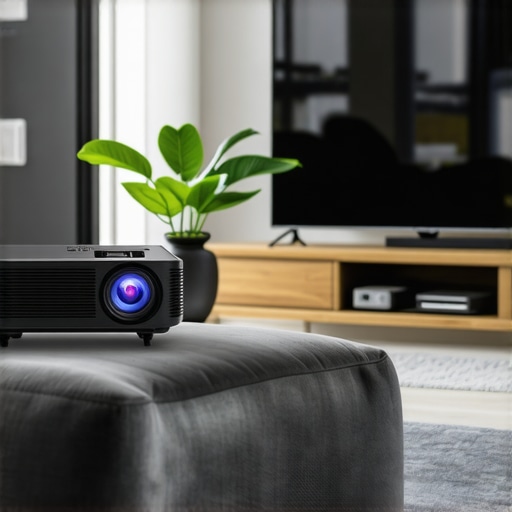
Portable Projectors Outshine Compact TVs for Flexibility
Portable projectors are designed for mobility, making them ideal for outdoor movie nights or presentations on the go. Compared to small portable TVs, they offer a much larger image size, albeit sometimes with less brightness and resolution. If flexibility and size are your priorities, portable projectors strike a good balance, especially with newer 4K models that pack impressive features into compact designs. However, they often come at a higher price point than traditional portable displays.
Laser Projector Deals versus Standard Lamp-Based Options
Laser projectors are known for their longer lifespan, superb color accuracy, and maintenance-free operation. They outperform conventional lamp-based projectors in durability and brightness stability over time. Many consumers consider laser models a premium investment, but deals and discounts are making them increasingly accessible. The trade-off is the higher initial cost, but this is often offset by lower maintenance and replacement costs in the long run.
Ultra-Short-Throw Projectors Compare with Fixed Installations
UST projectors are excellent for small spaces where traditional projectors might be impractical. They can be placed just inches from the wall while still delivering a large image, similar to a TV but with the visual impact of a projector. Top competitors include fixed installation models, which might offer higher brightness and more features but lack portability and ease of setup. UST projectors are perfect for modern living rooms looking for sleek aesthetics and simplicity.
Are Home Theater Deals Really Better Than Custom Setups?
Home theater deals often refer to pre-packaged systems or discounts on high-end projectors and sound systems. These can be an attractive option for those wanting a plug-and-play solution, offering convenience and savings. Alternatively, custom setups using individual components like high-end projectors, speakers, and screens can provide superior performance but require more effort and expertise. The decision hinges on your budget, technical ability, and desired level of immersion.
Is It Worth the Upgrade?
Upgrading to the latest 4K projector or laser model often means better image quality, longer lifespan, and more features like smart connectivity. For example, if you’re currently using a 1080p projector, moving to a 4K laser projector can significantly enhance your viewing experience. Comparing prices on sites like [PriceGrabber](https://www.pricegrabber.com) shows that premium models might cost more upfront but deliver superior durability and performance. Reading reviews and checking current deals can help determine if an upgrade makes sense for your entertainment setup.
The Pros & Cons of Laser Projectors
- Pros: Exceptional longevity, minimal maintenance, consistent brightness, sealed optical systems prevent dust buildup, robust build quality for durability, reduced total cost of ownership over time, advanced cooling solutions
- Cons: Higher upfront cost, bulkier design due to cooling and optical components, potential fan noise during operation, size might be an issue in tight spaces
Who Should Consider a Laser Projector?
This technology is ideal for home theater enthusiasts who plan to use their projector daily or for long periods, professional settings requiring reliable, continuous operation, or anyone seeking a low-maintenance, durable viewing solution. However, those with limited space or tight budgets should skip these models and consider more affordable alternatives or UST options.
Final Verdict: Go for It When Durability Counts
Laser projectors offer unbeatable lifespan and consistent performance, making them perfect for demanding environments and long-term setups. If longevity and low maintenance matter to you, investing now will pay off in the long run. For additional insights on maximizing your projector’s lifespan, check out – https://laserprojectordeals.com/why-laser-life-cycles-are-changing-the-way-we-buy-projectors. Don’t forget to compare deals and select a model aligned with your needs—especially if you want to avoid frequent replacements and enjoy hassle-free entertainment for years to come.
.