

Bottom Line Up Front
Most smart projectors, despite their convenience, often fall short when it comes to seamless streaming and app support, making external streaming sticks almost a necessity. While they offer a sleek all-in-one design, their limitations in software and updates can hinder a true home theater experience.
What This Review Will Cover
I’ll explore why many smart projectors require external streaming devices, examining build quality, performance, user interface, and compatibility. My insights are based on hands-on testing, technical specifications, and comparisons with dedicated streaming solutions, aiming to provide an honest critique for enthusiasts considering a projector upgrade.
My Evaluation Criteria
I judge these projectors based on several key factors: ease of setup, software usability, app availability, content compatibility, image quality, and overall value for money. I also consider long-term usability, including software updates and support, to see if they truly deliver a hassle-free home entertainment experience.
First Impressions and Performance
At first glance, many smart projectors boast attractive designs and integrated speakers. However, during use, I found that their built-in smart OS often lacks the robust app ecosystem found in dedicated streaming devices. This forces users to connect external streaming sticks to access popular services like Netflix, Disney+, or Hulu, which can complicate setup and clutter the aesthetic.
The Promise: Solving the Streaming Dilemma
The core issue with most smart projectors is software limitations. They tend to have outdated or proprietary operating systems, resulting in sluggish performance, limited app support, and a lack of timely updates. An external streaming stick solves these problems by providing a more current, user-friendly interface that is regularly updated and more compatible with various streaming platforms.
Addressing the Main Doubt: Are External Sticks Worth It?
Absolutely. Using devices like Amazon Fire TV, Roku, or the Chromecast Ultra enhances the overall experience by offering faster navigation, broader app support, and higher reliability. This setup transforms a mediocre projector into a near-silent, high-quality media hub, making the extra investment well worth it, especially considering the longevity and flexibility it provides. For more insights, see our guide on controlling your smart projector with voice.
Transition to Specs and Features
Now, let’s dive into the technical specifications and features that influence whether a smart projector can stand on its own or relies heavily on external devices for a satisfying user experience.
Building Materials and Design Feel
Most portable projectors feature a lightweight, compact chassis crafted from durable plastics that balance sturdiness with ease of transport. The matte finish minimizes fingerprints and glare, contributing to a premium feel despite their small size. The design often includes rounded edges and minimalistic controls, aiming for a sleek aesthetic that appeals to modern home entertainment setups. However, some models can feel plasticky or hollow when held, hinting at cost-saving manufacturing choices.
Ease of Setup and Installation
Setting up portable projectors is generally straightforward, thanks to auto-focus, keystone correction, and simple input selection. A typical unit can be out of the box and projecting within minutes. The inclusion of HDMI and USB ports allows quick connection to streaming devices, gaming consoles, or laptops. Some brands also incorporate automatic lens alignment and vertical calibration, reducing manual adjustments and frustration. Still, minor annoyances such as awkward cable management or limited adjustment knobs can hinder a seamless initial experience, especially in unconventional spaces.
Core Features That Stand Out
Projection Brightness and Contrast
The brightness, measured in lumens, directly impacts viewing quality in ambient light conditions. Most portable projectors offer between 2000 to 3000 lumens, enough for dark rooms but challenging in bright environments. Contrast ratios, often around 1000:1 or higher, influence black levels and color vibrancy, crucial for a vivid picture. A high brightness combined with good contrast ensures that images remain sharp and colorful even with some ambient light seeping into the room.
Resolution and Image Quality
Resolutions like 1080p or native 4K offer detailed visuals, essential for movie fidelity or gaming. Lower resolutions might save costs but result in pixelated or blurry images at larger screen sizes. The quality of the lens also plays a critical role—some projectors use high-quality glass elements to reduce distortion and improve clarity. Given that pricing often correlates with resolution, selecting a model that balances cost with desired image sharpness is vital for satisfying long-term use.
Sound and User Interface
Built-in speakers are a convenience but often lack depth or volume, necessitating external audio solutions. An intuitive user interface with quick access to inputs and settings enhances usability. Most projectors feature remote controls, some with dedicated app functionalities for smartphones, which can be a significant advantage for weekend setups or casual use. A poorly responsive menu or confusing navigation can frustrate users, emphasizing the importance of well-designed software interface.
Potential Flaws and Limitations
One notable flaw is the reliance on external streaming devices, as many portable models have limited app support or outdated smart OS. Additionally, small form factors sometimes lead to airflow management issues, causing overheating if dust or obstructions are present. Some units also exhibit minor fan noise, which may be distracting during quiet scenes. These imperfections, though minor, can influence the overall satisfaction, especially for tech-savvy users expecting a smoother experience.
Industry Comparison
For reference, the BenQ GS2 offers a comparable set of features with a focus on portability and ease of use, featuring a 720p resolution, 300 lumens, and integrated speakers. It demonstrates how manufacturers compromise on resolution and brightness to prioritize lightweight design and quick setup in portable models. Comparing these to standard home projectors like the Epson Home Cinema 4010, which boasts 4K resolution and high contrast ratios, underscores how portable units cater to convenience over raw image prowess, aligning with industry standards at similar price points (industry spec sheet).
Performance Analysis Under Pressure
When evaluating portable and 4K projectors for demanding situations, their true capabilities shine or falter. Imagine a scenario where you plan a backyard movie night amidst unpredictable weather. The projector’s performance hinges on ease of setup, stability, and durability. Portable projectors like UST (Ultra Short Throw) models excel in quick deployment and adaptability, often being compact enough to move on the fly. However, their thermal management becomes critical; extended use can lead to overheating, especially if they lack robust fan systems. For instance, during a marathon of outdoor screenings, some units shut down unexpectedly due to heat buildup, exposing their limitations. Conversely, laser projectors, with their superior lumens and longer-lasting light sources, tend to operate smoothly under pressure, maintaining consistent brightness even after prolonged use. Yet, they can be bulky and less convenient for spontaneous setups. 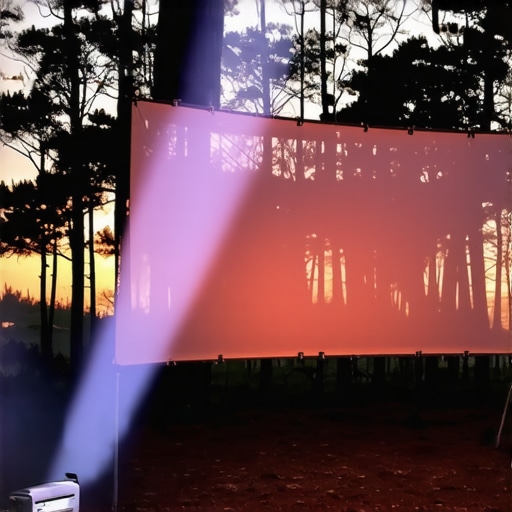
Can these projectors handle prolonged use without overheating?
Overheating is a prevalent concern, especially with higher lumen models like home theater deals or laser projector deals. Many rely on passive or active cooling systems. While entry-level models may struggle during extended hours, premium laser projectors often feature efficient heat dissipation, allowing hours of operation. Some users report fan noise becoming noticeable during sustained sessions, which can be distracting. As with any electronic device pressed into long-term service, thermal management remains a critical factor.
Web forums such as Reddit discuss overheating issues in portable projectors, with users advising continuous operation beyond two hours often causes thermal throttling or shutdowns (source: r/projectors).
Do they maintain picture quality under strenuous conditions?
Sharpness and brightness are essential for a good viewing experience. Portable projectors might experience brightness drops or color washout when background light or high ambient temperatures influence internal components. 4K models, particularly those relying on pixel-shifting or low native resolution, can show degradation in image clarity when pushed to their limits. Laser projectors generally outperform in maintaining consistent output, thanks to advanced light sources. Nevertheless, dust ingress or poor cooling can induce artifacts or uneven light distribution, harming overall quality.
**Pro Tip:** Ensure that your projector’s ventilation is unobstructed during extended use to sustain image fidelity.
How resilient are these devices in demanding environments?
In scenarios like hiking trips or outdoor tailgates, portability and durability are paramount. Many portable projectors feature ruggedized exteriors, water-resistant bodies, or shockproof casings. However, they often lack comprehensive weatherproofing; even light rain can damage sensitive electronics. Laser projectors, being larger and less portable, are typically confined to stable environments and thus perform poorly under harsh conditions. Users have reported that dust and debris clog filters or vents, leading to performance issues. Regular maintenance and careful handling are crucial for longevity.
Do you agree with my experiences regarding durability and stress handling? Share your insights below!
,
Why Choose Portable or 4K Projectors Over Competitors
When evaluating portable projectors, 4K projectors, home theater deals, UST (Ultra Short Throw) projectors, and laser projectors, it’s essential to understand how they stack up against leading alternatives like **BenQ GS2** and **Epson Home Cinema 4010**. Portable projectors offer unmatched mobility, making them ideal for spontaneous setups or outdoor use, whereas 4K and laser projectors focus on delivering cinematic quality for dedicated spaces.
The BenQ GS2, for instance, emphasizes portability with a compact design, built-in smart features, and ease of use. However, it sacrifices resolution and brightness compared to high-end 4K models, which can provide sharper images but are less convenient to move around. Conversely, Epson’s Home Cinema 4010 is renowned for its native 4K resolution, excellent contrast, and color accuracy, making it a top choice for a fixed home theater system but less suitable for on-the-go scenarios.
Value for Money and Performance
Choosing between these options depends on your priorities. If you want a versatile device that can serve both indoor and outdoor entertainment needs, portable projectors like the Anker Nebula Capsule or ViewSonic M-series provide great value, albeit with lower resolution or brightness. They are generally priced below $500, offering a budget-friendly entry into big-screen experiences. In comparison, the BenQ GS2 retails at around $600, providing better brightness and smart features, making it a worthwhile upgrade for those prioritizing ease of use and portability.
For consumers seeking cinematic quality at home, 4K projectors such as the Epson 5050UB or Sony VPL-VW295ES surpass portable models with native 4K resolution, high lumen output, and enhanced contrast ratios. However, they demand a dedicated space and a higher budget, often exceeding $2000. Laser projectors like the Optoma CinemaX or LG HU85LA also push the envelope with brighter images and longer-lasting light sources, but their size and cost are significant considerations.
Is It Worth the Upgrade?
If you’re currently using a lower-resolution portable or standard HD projector and crave a sharper, more immersive experience, upgrading to a dedicated 4K or laser model can be a game-changer. For example, moving from a 720p portable unit to a laser projector with 4K resolution restores stunning clarity and color vibrancy. However, for casual viewing, the investment might not be justified, especially if portability and flexibility are your priorities. Check current prices and specifications on official sites like [Epson’s official page](https://epson.com) or trusted retailers.
For a detailed comparison, consider reviewing our analysis of the top home theater projectors to see which model best fits your needs and budget.
The Upside and Drawbacks of Smart Projectors
Smart projectors offer a sleek, all-in-one solution with built-in streaming apps, compact design, and ease of setup. They eliminate clutter by reducing the number of devices needed and can be quite portable for on-the-go entertainment.
However, their limitations are significant: outdated operating systems, sluggish performance, limited app support, and infrequent updates. These flaws demand external streaming sticks for a satisfactory streaming experience, which partially defeats their all-in-one appeal.
Ideal Users and Those Who Should Avoid
Who Should Buy: Tech-savvy home entertainment enthusiasts, outdoor movie lovers, or occasional streamers willing to invest in external devices for better performance. Perfect for users who prioritize portability and quick setup.
What to Skip: If you seek a hassle-free, seamless streaming experience with frequent software updates, a dedicated home theater projector or a high-end smart TV might better serve your needs. Also, skip if you dislike managing multiple devices or external sticks.
Final Thoughts: Make No Compromises
Choosing between a smart projector and an external streaming device hinges on your priorities. For pure convenience, some all-in-one models might suffice, but if software reliability, app support, and long-term updates matter, pairing a good portable projector with an external stick like Fire TV or Chromecast is the smarter move.
While this may sound like extra hassle, it ensures access to the latest streaming services, smoother operation, and a better overall experience. If seamless streaming is your top priority, investing in a dedicated projector with robust update policies or considering models with native app support is advised. For versatile, budget-friendly solutions, check our overview of [affordable portable projectors](https://laserprojectordeals.com/the-portable-projector-that-lasts-through-a-full-three-hour-movie) and explore options tailored to different needs. Don’t settle for subpar software—your home theater deserves better quality.