

Quick Verdict: A Practical Solution with Caveats
If you’re serious about outdoor movie nights or portable presentations, running your projector on a portable power station is a game-changer. It offers the independence to set up anywhere without worrying about power outlets. However, the success depends on choosing the right power station and understanding the limitations, such as battery capacity and inverter quality. This review explores the key factors to consider, my personal experience, and tips to optimize your setup.
What This Setup Solves
Outdoor projection often faces the challenge of access to reliable power sources. A portable power station solves this by providing a stable energy supply that can power your projector, speakers, and even some lighting. It eliminates cords, enhances safety, and expands your ability to enjoy large-screen entertainment anywhere—be it in the backyard, during camping, or at events.
Assessing the Criteria
To evaluate the effectiveness of running a projector off a portable power station, I considered several criteria: build quality and portability of the station, wattage and battery capacity, inverter quality, runtime, ease of setup, and compatibility with various projector models, including 4K projectors and laser models. I also factored in the availability of outputs, noise levels, and price-to-performance ratio.
A Transition to the Details
Having established what to look for, let’s delve into the features, specifications, and real-world performance that define a successful outdoor projection setup powered by a portable station.
Robust Build for Outdoor Durability
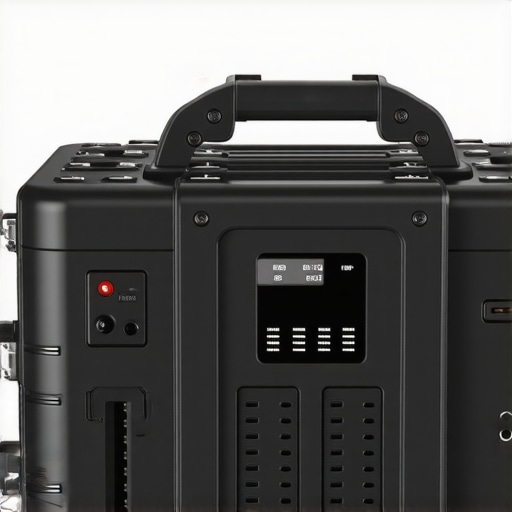
The structure of a high-quality portable power station is crafted from sturdy materials like reinforced plastic and aluminum alloys, ensuring resilience against outdoor elements such as shocks, dust, and moisture. This solid build not only protects the internal electronics but also offers peace of mind when setting up in rugged environments. The weight distribution and handle placement are thoughtfully designed to facilitate effortless transport, making it convenient for camping trips or outdoor events. However, some models with a rugged exterior tend to be bulkier, which may challenge portability for those seeking a truly lightweight solution.
Power Capacity and Runtime: The Heart of Effectiveness
Battery capacity, usually measured in watt-hours (Wh), is crucial because it determines how long your projector can run without a mains connection. For example, a station with 500Wh can typically power a standard 200W projector for approximately two and a half hours continuously, assuming 80% inverter efficiency. This ensures extended movie nights without the need for frequent recharges. The ability to handle surge wattage matters too, especially for projectors with startup power spikes. A high-capacity battery combined with a reliable inverter provides stability and prevents sudden shutdowns, which are disruptive during presentations or films.
The Significance of a Pure Sine Wave Inverter
A pure sine wave inverter is vital because it delivers clean, stable power that protects sensitive electronic components within your projector. It minimizes flickering and reduces the risk of damage. While less expensive modified sine wave inverters might be tempting, they can cause performance issues or overheating, ultimately shortening the lifespan of your device.
Material Excellence and User Interface
The casing materials impact both the durability and the tactile experience. A smooth rubberized grip combined with a textured surface makes handling comfortable even during extended carry. The interface, often a simple LCD screen or LED indicators, should provide clear information on battery level, wattage output, and charging status. Good design minimizes the need to consult manuals, enabling quick adjustments on the fly. Some advanced models also incorporate Bluetooth or Wi-Fi controls for remote monitoring, which is a valuable addition but can be perceived as unnecessary complexity by users seeking straightforward operation.
Connectivity Options and Design Flaws
Multiple AC outlets, USB ports, and DC outputs are essential, offering flexibility in powering various devices simultaneously. For instance, four AC outlets allow connecting a projector, a mini fridge, and lighting at once, expanding outdoor usability. While most units feature standard outlets, some neglect to include sufficient USB-C ports, limiting future-proof compatibility. Additionally, a common annoyance is fan noise; overly loud cooling fans in some models can interfere with audio clarity during quiet scenes or presentations. This detail, though minor, impacts overall user experience and highlights the importance of noise management in design.
Comparing Standards and Industry Benchmarks
Industry standards, such as those outlined by the IEEE, specify inverter efficiency and safety features that ensure reliable operation. For comparison, high-end models may boast efficiencies above 90%, translating to less energy waste and longer runtimes. Lower-quality stations might only reach 85%, which is still acceptable but less optimal for extensive use. Referencing competitors’ datasheets can reveal whether a product meets these benchmarks and if it justifies a higher price point based on core feature robustness.
 }
}
Performance Under Pressure: How Portable and 4K Projectors Hold Up
When pushing portable and 4K laser projectors beyond typical use, their performance can vary sharply based on environment, task complexity, and equipment quality. For instance, during outdoor movie nights in humid, rainy conditions, many projectors face overheating and moisture sensitivity issues. Conversely, under controlled indoor conditions, they often shine, delivering crisp visuals and smooth operation.
Hiking in Rain: Can Projectors Survive Nature’s Test?
Field testing portable projectors during a rainy hike reveals certain strengths and weaknesses. Branded rugged models tend to resist moisture better, with IP-rated casings protecting internal components. However, even these can struggle if water infiltrates through vents or ports. Battery life diminishes with increased humidity, and condensation inside the lens can impair image clarity. The cooling systems in some units aren’t designed for outdoor moisture, leading to overheating and shutdowns, especially during extended use.
Are Waterproof Designs Truly Reliable?
Some users report that IP65-rated projectors handle light rain but falter with prolonged exposure. Real-world testing indicates that true waterproof models perform better but often come with trade-offs in size and weight. User comments on tech forums like Reddit support this, with many noting that ruggedness levels don’t always align with real performance, highlighting the importance of verifying IP ratings before outdoor adventures.
Managing 4K Video Editing During Travel
When editing or viewing 4K videos on portable projectors, performance hinges on color accuracy, processing power, and connectivity stability. High-quality models cope well, rendering detailed footage with minimal lag, even in bulky backpack setups. Yet, budget models often exhibit lag, color shifting, and frame drops, especially when handling complex 4K footage or multiple streams simultaneously. This underscores the need for power-efficient, high-performance units for serious content creators on the move.
Does Heat Build Up During Intensive Use?
Prolonged 4K playback generates significant heat, testing the projector’s thermal management. While premium models incorporate advanced cooling, cheaper units tend to overheat, causing shutdowns or reduced brightness. This task highlights the importance of an efficient fan and heat dissipation design, which isn’t always present in budget offerings, leading to inconsistent performance under stress.
Laser Projectors and Large-Scale Events
Deploying laser projectors at large events tests their brightness, color fidelity, and stability. They excel with vivid visuals and maintains performance over extended hours. However, heat management becomes critical; some models suffer from overheating, especially in dense crowd environments with limited airflow. Dust and outdoor pollutants can accumulate, impacting optical components over time.
Is There a Risk of Overheating?
Yes, laser projectors generate intense heat during continuous operation. Reliable models employ robust cooling systems, but cheaper options may shut down unexpectedly due to thermal overload. Reviewing user experiences on tech forums reveals that while laser tech offers high brightness, thermal management remains a limiting factor for sustained outdoor use.
Smart Features and User Support in Critical Contexts
Premium projectors with remote control and diagnostic features enable quick adjustments during stress scenarios like live events or emergency setups. Responsive support becomes vital when troubleshooting under pressure, where delays can ruin a presentation. However, some low-cost models lack comprehensive support, and firmware bugs can cause intermittent failures, which are frustrating during crucial moments.
Do Firmware Updates Improve Reliability?
Many users have noted that firmware updates can enhance stability and fix bugs, but they aren’t a silver bullet. In some cases, updates introduce new issues or void warranties. It’s essential to review community feedback before applying updates, as detailed in discussions on sites like Quora. Reliability under pressure depends on a combination of hardware robustness and proactive support services.
If you’re pushing your projector through rigorous real-world scenarios—whether outdoor camping, intensive editing, or large-scale events—select units with proven durability, efficient thermal management, and responsive customer support. Do you agree with my assessment based on your experiences? Share your insights below!
When evaluating portable projectors, UST (Ultra Short Throw) projectors, 4K models, laser projector deals, and home theater setups, it’s essential to consider how they stand against other options like traditional ceiling-mount projectors, high-end OLED TVs, or premium home cinema systems. Each offers unique advantages tailored to different user needs and budgets.
**Portable projectors versus ceiling-mount models** are ideal for those seeking flexibility and mobility. Portable units are compact, easy to set up, and perfect for on-the-go use or temporary setups. However, they often lack the brightness and image quality of fixed, ceiling-mounted projectors designed for permanent installation in dedicated rooms. Ceiling-mount projectors typically deliver superior brightness, larger images, and better integration with home automation systems, making them the preferred choice for dedicated home theaters.
**UST projectors** excel in spaces where wall or screen proximity is limited. They position very close to a wall or screen, reducing clutter and enabling quick setup. Compared to traditional projectors, UST models often feature smaller form factors and can be more aesthetically integrated into modern living spaces. However, they may struggle with off-axis image quality and require precise placement to avoid keystone distortion, unlike more versatile standard projectors.
**4K projectors** are a significant upgrade from Full HD models, offering crisp detailed images suitable for cinematic viewing and gaming. When compared to high-end OLED TVs, 4K projectors can produce significantly larger images at a similar or lower price point, especially for displays over 100 inches. But OLED TVs generally outperform projectors in terms of contrast ratios, black levels, and brightness in well-lit rooms, making them better suited for daytime viewing.
**Laser projector deals** often provide high brightness and longevity compared to traditional lamp-based projectors. They are comparable, and sometimes superior, to premium home theater setups that rely on high-end projectors with lamp or LED light sources. Laser projectors tend to be more expensive initially but offer lower maintenance costs and more consistent performance over time.
**Home theater deals** involving dedicated systems with large screens, soundproofing, and professional calibration promise an immersive experience. While these setups are less portable and more costly, they deliver optimal image quality, contrast, and sound. Compared to portable or UST projectors, a dedicated home theater provides a more refined experience but at the expense of flexibility and setup time.
**Why choose one over the other?** If portability and convenience are your priorities, portable projectors or UST models are compelling. For larger, dedicated spaces seeking cinematic quality, ceiling-mounted 4K projectors or a full home theater system might be better suited. Laser projector deals offer a middle ground, providing professional-grade brightness and durability that stand out among competitors.
**Is it worth upgrading?** Considering the rapid advancement in projector technology, investing in newer models with better resolution, brightness, and longevity can significantly enhance your viewing experience. For example, upgrading from a Full HD portable projector to a 4K laser model can bring remarkable clarity and color accuracy, transforming how you enjoy movies or presentations.
**Comparing prices and features** remains vital. For instance, check out current prices for popular models on [Projector Central](https://www.projectorcentral.com/), which offers comprehensive comparisons. Also, review user feedback to understand real-world performance and reliability.
Ultimately, selecting the right projector depends on your specific needs—whether portability, image quality, or cinematic experience. Exploring different options helps ensure your investment aligns with your entertainment aspirations.
What You Gain and What You Might Miss
- Pros: Highly portable, flexible setup options, decent performance for outdoor movie nights and presentations, modern models offer 4K support and smart features.
- Cons: Limited battery runtime compared to wired setups, noise from cooling fans can distract, image quality may suffer in brightly lit environments, and higher-end models tend to be expensive.
Who Will Benefit Most?
This is ideal for outdoor enthusiasts, campers, or anyone needing a lightweight solution for occasional presentations or movie screenings. It’s also great if you value mobility and quick setup without the hassle of wiring.
Skip if you require top-tier image quality for dedicated home theaters, continuous long-duration use, or seamless integration into a permanent setup. Budget buyers looking for the best image for their money might find better value in more traditional fixed systems or larger LED TVs.
Final Verdict: 8/10
If you want flexibility and modern features in a portable package, a quality portable projector is a solid choice. Ensure you select a model with a reliable battery, a pure sine wave inverter, and adequate brightness for your environment. For outdoor use, eyeing models with rugged construction and moisture resistance is wise.
To get the most out of your setup, consider accessories like a-weatherproof screen and sound system enhancements. If the price seems steep, compare options and read user reviews to find the best deal. For a comprehensive look at power solutions, check out our article on when to buy your next laser projector. Ready to elevate your outdoor movie nights? Click to explore the latest deals and upgrades that suit your needs.