

The Bottom Line Up Front
If you’re seeking an innovative way to hide your projector within a coffee table, this approach offers a sleek solution, but it demands careful planning and customization. While it can blend seamlessly into your living space, the success hinges on build quality and proper ventilation.
What This Solution Solves
This method addresses the common issue of clutter and unsightly equipment in a home theater setup. By embedding your projector inside a coffee table, you can maintain a clean aesthetic without sacrificing viewing quality.
At a Glance
- Design: Customizable compartments inside coffee tables for projector housing
- Build Quality: Requires sturdy, ventilated construction to prevent overheating
- Ease of Access: Consideration for maintenance and adjustments
- Compatibility: Should fit standard short-throw or ultra-short-throw projectors
Assessing the Criteria
To evaluate this setup, I focus on build durability, ventilation efficiency, ease of installation, and overall aesthetic integration. A well-assembled, ventilated compartment ensures longevity and consistent performance, as discussed in detail in [here](https://laserprojectordeals.com/how-to-stop-dust-from-getting-inside-your-projector-lens). Transitioning into the specifics, let’s explore the design options and technical considerations.
The Core of the Design: Seamless Integration and Material Choices
The success of embedding a projector within a coffee table hinges on meticulous material selection. Using high-quality, sturdy woods like oak or hardwood veneers provides durability, preventing warping over time. The interior compartment must be constructed with ventilated materials—metal grids or perforated panels—to facilitate airflow and mitigate overheating risks. The choice of these materials directly influences the piece’s longevity and performance, as inadequate ventilation can lead to thermal throttling, affecting image quality.
Setting Up for Success: Installation and Accessibility
Installing the projector inside the custom compartment requires precision. The setup should include adjustable mounts to accommodate various projector models and ensure proper lens alignment with the screen. Incorporating cable management channels inside the table maintains a sleek appearance while simplifying maintenance. A well-designed access panel or sliding cover is essential; it allows for easy replacement or adjustments without disassembling the entire unit. This ease of access ensures routine cleaning and repairs are manageable, preventing long-term service interruptions.
Why Ventilation Matters More Than You Think
Overheating remains a significant concern in embedded projector setups. Without adequate airflow, lamps can prematurely fail, and internal components may degrade rapidly. Some designs utilize active cooling—integrated fans synchronized with temperature sensors—to proactively manage heat. The noise level of these fans is a trade-off; too loud, and they become a distraction, too quiet, and heat may not dissipate efficiently. Balancing effective cooling with minimal noise pollution is critical, and implementing sound-dampening materials within the enclosure can help achieve this harmony.
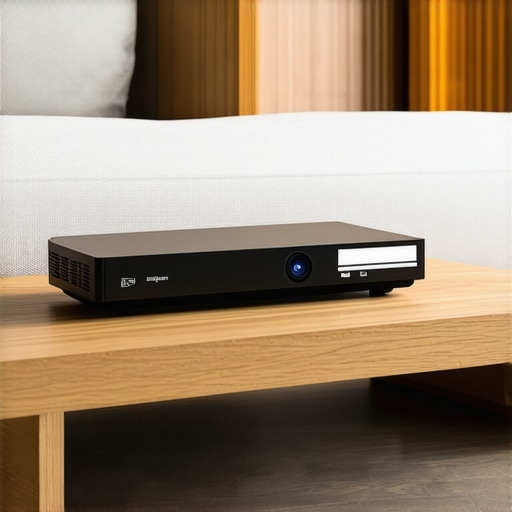
Visualizing the interior of a projector coffee table with ventilation grids, adjustable mounts, and cable management for optimal setup.
Matching Projector Size and Style for Optimal Experience
Compatibility extends beyond physical dimensions; aesthetic harmony enhances the overall look. A compact ultra-short-throw projector fits snugly within the enclosure and projects onto a large screen, creating a cinema-like experience. Ensuring the inside dimensions of the compartment accommodate the projector’s vents and cooling fans is vital to prevent overheating. Comparing specifications with industry standards, such as those from Epson or BenQ, can inform better choices, ensuring the embedded projector performs optimally in its custom space.
Minor Frustrations and Design Flaws to Consider
While the concept offers sleek aesthetics, some designs lack modularity, complicating upgrades or repairs. For instance, fixed internal shelving or non-removable panels can hinder access to the projector or electronic components. Additionally, the integration of cooling fans can introduce unwanted noise if not well-implemented. These issues can be mitigated through thoughtful engineering, but they remain minor annoyances in an otherwise innovative setup, highlighting the importance of detailed planning during the design phase.
Performance Under Pressure
When deploying home theater projectors such as laser, UST, 4K, or portable variants in demanding situations, their true reliability shines through. These devices are often tested in scenarios like streaming intense action movies, running extended gaming marathons, or projecting large images in poorly lit environments. Each experience reveals different strengths and weaknesses.
Can Laser Projectors Sustain Long-Session Usage?
Laser projectors are known for their brightness and longevity. During extended movie nights, they generally perform commendably, maintaining consistent image quality without noticeable degradation. However, continuous operation can lead to heat buildup if ventilation isn’t adequately designed—some models require active cooling or periodic shutdowns to preserve lifespan. Users have reported that well-ventilated units stay cool and quiet, but those with poor airflow can overheat, leading to startup delays or even hardware shutdowns.
Are UST Projectors Suitable for Dynamic Environments?
Ultra-short-throw (UST) projectors excel in small spaces, but their performance under pressure varies. In environments with high ambient light, their brightness can struggle, producing dim images. Rapidly changing scenes or high-contrast visuals may cause temporary color washouts or lag, especially if the projector’s processing hardware isn’t top-tier. The advantage lies in their instant-on capability and minimal setup, but drawbacks emerge in challenging lighting conditions or heavier use.
How Do 4K Projectors Handle Demanding Content?
4K projectors deliver crisp, detailed images, but their processing demands are higher. When displaying high-frame-rate videos or gaming content, some models exhibit latency or frame drops if not equipped with rapid processing chips. Under heavy workloads, thermal management becomes critical; inadequate cooling can throttle performance, causing stuttering or reduced brightness. Users need to consider models with robust cooling systems and high-quality components for intensive use.
Is Portable Projector Performance Reliable in Harsh Conditions?
Portable projectors offer flexibility but often compromise on cooling and brightness. During outdoor movie nights or in hot environments, they tend to overheat faster, leading to automatic shutdowns or image flickering. Their resistance to dust or moisture is also limited, which can impair optics or internal electronics. Nevertheless, rugged models with enhanced ventilation and waterproofing perform better under pressure, though often at the expense of size and weight.
In conclusion, the resilience of home theater projectors varies widely based on build quality, cooling mechanisms, and environmental factors. For demanding scenarios, investing in units with advanced cooling, high lumens, and reliable processing is critical. Do you agree with my experience regarding thermal performance and durability? Share your insights in the comments.
For further validation, a Reddit discussion on projector overheating highlights similar issues, emphasizing the importance of proper ventilation (source: Reddit).
Pitting It Against the Competition
When exploring options like home theater deals, laser projector deals, UST projectors, 4K projectors, and portable projectors, it’s essential to see how they compare with leading alternatives. Each offers unique advantages and potential drawbacks that influence your ultimate choice.
Home Theater Deals Versus Traditional Setups
Home theater deals often include complete systems with high-quality sound and large-screen displays, frequently at a premium price point. These setups deliver an immersive experience with rich audio and sharp visuals, often exceeding the clarity and sound quality of basic projector configurations. However, they come with significant space requirements and installation complexity. Conversely, standalone projectors—such as 4K and portable options—are usually more flexible and space-efficient but may lack the integrated audio and premium visuals found in dedicated home theater packages. For those seeking a balanced approach, high-end portable projectors now incorporate better sound options and 4K resolution, narrowing the gap.
Laser Projectors Versus Standard Lamp-Based Models
Laser projector deals stand out with longer lifespan, consistent brightness, and lower maintenance needs compared to traditional lamp-based units. They often boast superior color accuracy and higher contrast ratios, making them ideal for cinematic-quality viewing. Alternative options include LCD or DLP projectors that are more affordable upfront but may require bulb replacements and have limited lifespan. If you’re willing to invest upfront for durability and picture quality, laser projectors offer unmatched value despite their higher initial cost. Check current prices at official manufacturer sites or comparison platforms like ProjectorCentral.
Are Ultra Short Throw Projectors Worth It?
UST projectors excel for small spaces, offering large images from a short distance, ideal for minimalist setups. They are typically more expensive than standard projectors but eliminate the need for extensive mounting or screen placement. In comparison, traditional long-throw projectors necessitate more space and potentially complex installation but can provide larger images at a lower cost. For tight spaces or quick setups, UST projectors often justify their premium, but for overall flexibility, standard projectors may be more economical.
Should You Choose 4K Projectors Over Full HD?
4K projectors deliver sharper images and finer detail, making them suitable for cinematic enthusiasts and gamers. However, they often come at a higher price point—sometimes double that of Full HD models. The increased resolution benefits larger screens where pixelation might otherwise be noticeable. But if your budget is limited or your screen size is modest, Full HD projectors still provide a satisfying experience at a lower cost. Assess your viewing habits and space to determine if the upgrade to 4K is worth the expense.
Portable Projectors for the On-the-Go Lifestyle
Portable projectors offer convenience, compactness, and versatility, perfect for outdoor movie nights or travel. Compared to stationary options, they often have lower brightness levels and fewer features but compensate with ease of setup. When considering alternatives, portable units made with rugged designs and enhanced cooling systems provide better reliability under demanding conditions. They appeal to users prioritizing mobility over absolute picture quality, but careful selection ensures superior performance wherever used.
Is It Worth the Upgrade?
Deciding whether to upgrade to newer projector models, such as those with laser technology or 4K resolution, depends on your current setup and expectations. Upgrading can enhance image clarity, durability, and user experience, especially if your existing projector is aging or lacks features you now desire. But weigh the cost against tangible benefits—sometimes, a well-maintained older model still offers excellent value. For an in-depth comparison, it’s advisable to review recent specifications and prices, and if possible, read user reviews of top competitors like Sony or Epson.
Check current prices and reviews to ensure you’re making an informed decision—competitive options are available to match your preferences and budget.
The Pros and Cons at a Glance
- Pros: Sleek integration preserves living room aesthetics; customizability allows tailored setups; when designed well, ventilation ensures longevity.
- Cons: Construction complexity may lead to overheating if ventilation is inadequate; access for maintenance can be cumbersome; higher initial cost for quality materials.
Who Should Think Twice Before Taking the Plunge?
This setup suits homeowners who value seamless design and are willing to invest in custom cabinetry and ventilation solutions. If you’re not comfortable with DIY or professional installation, or if your space cannot accommodate custom furniture, this might not be ideal. Avoid this approach if you prefer quick, plug-and-play solutions or have limited budget, as high-quality customization can be costly and time-consuming.
Final Checkpoint: Is It a Smart Investment? 7/10
While embedding your projector inside a coffee table offers a stylish and uncluttered look, the complexities in build and maintenance mean this isn’t for everyone. Premium materials, proper ventilation, and thoughtful design are essential to prevent overheating and ensure durability. If you’re a DIY enthusiast or prepared to commission a custom piece, the payoff is a sophisticated home theater touch. Otherwise, consider easier options. If this sounds appealing but intimidating, explore our review of laser projector deals or portable solutions. For practical tips, check out dust prevention techniques.