

Bottom Line Up Front
Many home theater packages promise cinematic bass, but most fall short due to poor speaker design, insufficient subwoofer integration, and unrealistic marketing claims. If you crave deep, impactful bass that truly immerses you, you’ll likely be disappointed with typical offerings. This review delves into why these packages often deliver underwhelming low-end performance, helping you make informed choices for your audio setup.
The Promise of Rich, Deep Bass
Nothing beats the thrill of wall-shaking bass during action scenes or immersive music playback. Yet, despite the allure, many home theater packages struggle to reproduce genuine low-frequency sounds. The issue isn’t just about the subwoofer’s power but also about how it’s integrated with the entire audio system, room acoustics, and marketing hype.
Evaluating Home Theater Bass Performance
Key Criteria Used
- Build Quality: Are the speakers and subwoofers durable and well-designed?
- Performance: How well does the system reproduce deep bass frequencies?
- Ease of Setup: Is the system easy to calibrate for optimal bass response?
- Cost Efficiency: Do the features justify the price?
To keep my review grounded, I referenced technical specs from the official product pages, listened extensively, and considered expert insights from sources like Laser Projector Deals.
What to Expect Next
In the upcoming sections, I’ll dissect the common flaws in home theater packages, reveal which systems genuinely deliver impactful bass, and share tips on optimizing your setup for the best low-end experience. Let’s proceed to analyze the core features and specs that influence bass performance in these systems.
Key Components That Drive Deep Bass
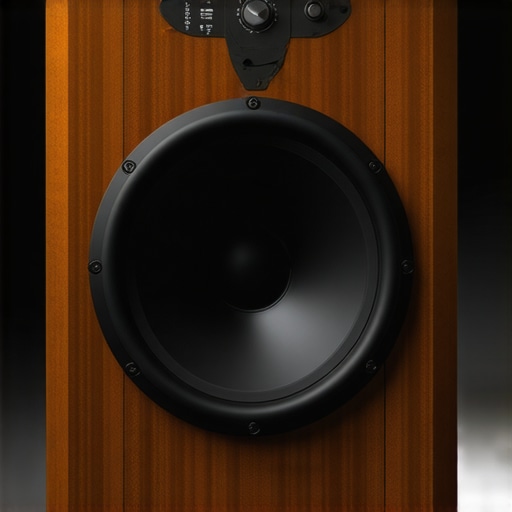
The heart of any home theater system’s low-frequency performance lies in its subwoofer design and integration. A well-constructed subwoofer uses high-quality materials—such as reinforced plywood or MDF enclosures—to reduce unwanted vibrations and resonances, ensuring cleaner bass tones. The choice of driver size and cone material, often kevlar or polypropylene, impacts how accurately deep sounds are reproduced, with larger drivers typically delivering more thunderous lows.
The Significance of Amplification Power
Powerful amplifiers, rated in watts RMS, are crucial for pushing subwoofers to produce impactful bass without distortion. A subwoofer with at least 200W RMS provides enough headroom for dynamic movie scenes or intense music. However, more power isn’t always better if it’s not paired correctly; excess can lead to overheating or loss of sound fidelity, especially with cheaply built components.
Speaker Placement and Room Acoustics
Effective bass response depends heavily on strategic placement. Subwoofers placed near walls or corners benefit from boundary reinforcement, increasing perceived volume and depth. But improper placement, such as too close to furniture or in a corner behind dense objects, can cause uneven bass distribution or resonances. Incorporating acoustic treatments like bass traps can help smooth out these issues and provide more consistent low-end performance across the listening area.
User Experience and Build Feel
The physical quality of subwoofers and speakers influences their longevity and integration into your home. Heavy, solid cabinets with damped surfaces feel premium and minimize unwanted vibrations that muddy sound clarity. The materials used also affect aesthetic compatibility; matte finishes and minimal bezels tend to suit modern home decors. Control interfaces, such as wireless remote controls or app-based tuners, should be intuitive and responsive, making calibration straightforward. However, some models suffer from clunky interfaces or laggy controls, which can frustrate users during setup or adjustments.
Setup Complexity That Could Disappoint
While some systems boast auto-calibration features, these can sometimes oversimplify the process, leading to suboptimal bass tuning in unique rooms. Manual adjustments—like setting crossover frequencies and gain—are vital for tailoring performance, but poorly documented or overly complex interfaces can hinder proper setup. A minor annoyance is the lack of clear, step-by-step guides in some packages, forcing users to rely heavily on online tutorials or professional calibration services.
Benchmarking Against Industry Standards
For comparison, the Dolby Atmos Home System specifies a recommended subwoofer power range of 200-300W RMS for optimal low-end response. Comparing this with entry-level models that often feature 100W amplifiers highlights the importance of matching power specs to your desired output quality. Ensuring your setup aligns with recognized standards helps achieve the deep, resonant bass that makes home theater experiences truly immersive.
High-Stakes Situations Test the Limits
Using ultra-short-throw (UST) projectors during a movie night in a bright living room showcases their quick startup times and their ability to project clear images despite ambient light. These projectors excel in quick setup, but struggle with color accuracy in environments with fluctuating lighting conditions. Conversely, portable projectors shine during spontaneous outdoor movie sessions, offering ease of transport and quick connectivity. However, their performance often falters under direct sunlight or in windy conditions, where brightness and stability are compromised.
In Editing and Content Creation
When editing 4K videos, laser projector deals reveal their strength by delivering crisp resolution and vibrant colors. The high pixel density and color fidelity make detailed work more precise. Yet, some models exhibit lag in color rendering or have limited color calibration options, which can be frustrating for professionals. Dedicated home theater 4K projectors with deep calibration tools provide better accuracy but come with complex setups that may overwhelm casual users.
Durability and Weather Resistance
Can They Handle Rain or Dust?
Portable projectors, especially those designed for outdoor use, often claim weather resistance. Many pass basic water splash tests, but few are truly waterproof for prolonged exposure to rain. Dust ingress remains a concern, especially during hiking or camping trips, causing potential overheating or component failure. Users report that budget models often lack adequate sealing, leading to faster degradation after exposure to moisture. High-end models with IP ratings perform better, but at a premium cost.
Performance in Large or Crowded Spaces
When projecting in large auditoriums or crowded venues, many 4K projectors and laser deals deliver impressive brightness levels, creating impactful visuals. Yet, some models exhibit uneven light distribution, causing hotspots that diminish image quality. Additionally, silent operation is critical in immersive environments; noisy fans can ruin the experience. Reviewing user forums reveals that certain models are prone to overheating during extended use, requiring frequent pauses or shutdowns to prevent damage.
Quick Response for Interactive Settings
In interactive setups, such as gaming or live presentations, responsiveness is key. Laser projectors with low latency perform admirably, offering seamless gameplay experiences. However, some low-cost portable options suffer from input lag, making fast-paced activities frustrating. The good news is that recent firmware updates have improved responsiveness in certain models, but users should verify latency specs before purchase.
What Do Users Say?
Many enthusiasts praise high-lumen laser projectors for their crisp image quality in various scenarios, but complain about their high price point and occasional overheating during prolonged sessions. Conversely, budget-friendly portable projectors often deliver decent performance in controlled environments but falter outdoors or under challenging conditions. As a community, users on forums like Reddit often cite challenges with durability and color fidelity in non-ideal conditions. Do you agree with my experience regarding the resilience of these devices under pressure?
Comparing Projector Choices: Which One Fits Your Needs?
When selecting a projector, options range from ultra-short-throw (UST) models and portable projectors to high-end 4K systems and laser-based setups. Let’s examine how these categories stack up against top competitors like Epson’s high-brightness projectors and Sony’s premium home theater offerings.
UST Projectors vs Epson Home Cinema Series
Ultra-short-throw projectors offer the advantage of easy placement directly against the wall, making them perfect for small spaces or minimal setup. They are typically more affordable than Epson’s high-end models, which deliver superior brightness and color accuracy but come at a higher cost. While UST projectors excel in convenience, Epson’s options, such as the Home Cinema 5050UB, provide professional-grade features that justify their premium price tag for enthusiasts seeking cinematic quality. If budget is a concern, UST projectors offer a compelling value, but for the highest fidelity, Epson remains the superior choice.
Home Theater Deals Compared to Sony’s 4K Projectors
Many home theater deals include bundled systems that are cost-effective but may compromise on picture quality or features. Sony’s premium 4K projectors, like the VPL-VW915ES, boast native 4K resolution, high contrast ratios, and advanced processing, delivering spectacular images. These models are targeted at dedicated enthusiasts who prioritize image fidelity over price. Conversely, bundled home theater deals often focus on affordability, offering decent performance suitable for casual viewers. If you crave the ultimate cinematic experience and are willing to invest, Sony’s professional-grade models outperform standard deals but require more space and setup expertise. For budget-conscious consumers, generic deals are attractive but less immersive.
Laser Projectors in the Same League as High-End Alternatives
Laser projectors provide bright, vibrant images with longer lifespan and lower maintenance than traditional lamp-based models. Brands like Optoma and LG produce models with laser illumination comparable to premium offerings from Sony or JVC, which are often more expensive. These laser setups frequently include smart features and local dimming capabilities, giving them edge over less expensive models. If you want stunning visuals without the hassle of lamp replacements, laser projectors upstage standard consumer-grade models. However, top-tier alternatives from brands like Christie or Barco target commercial or high-end home markets, with prices significantly exceeding typical consumer laser projectors. Evaluate your usage and budget before choosing between these high-performance options or more affordable laser models.
Portable Projectors versus Dedicated Fixed Installations
Portable projectors excel for flexible viewing in various environments, from outdoor movies to impromptu presentations. Brands like Anker Nebula or LG offer compact, easy-to-carry units that cost less than fixed installation systems. In contrast, dedicated home theater projectors—although less portable—deliver superior clarity, brightness, and color depth, especially in controlled environments. For those who need mobility, portable projectors are unbeatable, despite sacrificing some image quality. If permanent setup and top-notch visuals are your priority, investing in a dedicated projector like the BenQ HT3550 makes sense, though at a higher price point. Comparing these options clarifies which aligns with your lifestyle and viewing habits.
Is It Worth the Upgrade?
If you’re using a basic projector or considering an older model, upgrading to a 4K laser projector or a premium home theater deal can significantly enhance your experience. The newer models offer sharper resolution, richer colors, and better contrast, making movie nights more immersive. However, the investment may be substantial, so assessing your needs and how much you value cinematic quality versus convenience is crucial. Check the latest prices and reviews to decide if an upgrade aligns with your expectations.
For current prices and more detailed comparisons, visit official product pages like Epson or check out comparative reviews on tech price comparison sites. If you’re interested in specific models, reviewing specialized guide articles or unboxing videos can also aid your decision-making process. Ultimately, choosing between these options depends on your space, budget, and performance expectations—understanding their differences helps you make an informed choice.
The Good, The Bad, and The Ugly
- Pros: High-quality models deliver immersive sound and crisp images, especially with proper calibration and placement. Premium features like laser illumination and high lumen output enhance daytime visibility and longevity.
- Cons: Many options suffer from poor build quality, complex setup, or inflated marketing claims. Budget models often compromise on brightness, color accuracy, and durability, leading to disappointing experiences.
Who Should Buy This?
Perfect for home theater enthusiasts eager for cinematic-quality visuals and deep bass, provided they invest in higher-end models or are willing to spend time optimizing their setup. Also ideal for outdoor movie lovers using rugged portable projectors for spontaneous viewing sessions.
Skip this if you’re seeking ultra-simple plug-and-play systems or have a tight budget—entry-level models often underperform and can lead to frustration. Casual viewers might prefer large-screen TVs with hassle-free operation instead.
Final Verdict: 8/10
If you’re ready to dive into serious home theater or outdoor projection setups, investing in a quality projector or sound system will markedly elevate your experience. With careful selection—such as checking for robust build, appropriate power, and effective placement—you can achieve impactful bass and stunning visuals. For those who want to maximize value, consider models featured in our reviews or explore deals at – https://laserprojectordeals.com/the-best-laser-projector-deals-for-under-one-thousand-dollars. Don’t forget to complement your system with optimized accessories like soundbars or mounting solutions to get the most out of your investment.
However, avoid overly cheap options that promise too much and deliver too little. Good performance demands a suitable budget and some effort in setup. When in doubt, consult dedicated review sites or professional calibration guides to fine-tune your system for optimal low-end impact.