

Bottom Line Up Front
Canvas screens have become a popular choice among outdoor movie enthusiasts, thanks to their durability, affordability, and ease of setup. However, they are not without drawbacks, such as susceptibility to weather conditions and potential for wrinkles, which can affect image quality. Overall, I believe canvas screens offer a solid balance of value and performance for casual outdoor movie nights—but they may not satisfy the needs of those seeking a professional-level setup.
The Promise of Canvas Screens
When it comes to outdoor movie nights, the primary challenges are ensuring a bright, clear image and withstanding the elements. Canvas screens aim to address these issues by providing a portable, cost-effective surface that can be easily deployed in any backyard or camping scenario. They solve the problem of finding a lightweight, flexible screen that doesn’t require permanent installation or a hefty budget.
Evaluating the Choice: What to Expect
Quality and Durability
In my experience, canvas screens are generally crafted from polyester or similar fabrics coated for weather resistance. This coating helps prevent water absorption but isn’t foolproof. During a recent evening outing, I noticed that even a light drizzle caused some spots to sag, impairing the projected image. The material’s resistance to UV fading is decent, but over time, exposure to sunlight tends to degrade the surface, leading to potential color washout.
Ease of Setup and Portability
One of the main advantages of canvas screens is their simplicity. Most models come with lightweight frames or can be hung using grommets and hooks. I found that unboxing and assembling a standard 120-inch canvas screen took less than 10 minutes, which is impressive. Folding it back into its carrying case is straightforward, making it ideal for impromptu gatherings or camping trips. For more details on portable projectors to pair with your setup, check out this review.
Image Quality and Surface Characteristics
Canvas surfaces tend to produce a slightly textured image, which can reduce sharpness compared to glass or specialized screens. While the matte finish minimizes glare and reflections, some details may appear subdued, especially in bright outdoor conditions. Using a projector with high lumen output, like the ones reviewed at this source, can help mitigate ambient light issues.
Transition to Detailed Features and Specs
Having covered the general performance and practicality, let’s delve into the technical specifications, materials, and how well canvas screens perform in different outdoor scenarios. We’ll examine durability, surface quality, and the real-world value they provide versus alternative options like inflatable or fixed-frame screens, so you can determine if a canvas screen fits your movie night needs.
Robust Materials and Weather Resistance
Canvas screens are often constructed from polyester or cotton blends, coated to improve water resistance and durability. This coating is essential for outdoor use, as it helps repel light rain and dew, ensuring the image remains visible. However, the coating’s effectiveness diminishes over time, especially with repeated exposure to UV rays, leading to potential fading and material degradation. The texture of traditional canvas surfaces imparts a slightly matte finish, which reduces glare and reflections, benefitting outdoor viewing in bright conditions. Nevertheless, this textured surface can slightly soften image sharpness, a trade-off that enthusiasts should consider for high-detail viewing.
Build Quality and Material Feel
The quality of the fabric influences not only longevity but also the overall user experience. High-grade canvas feels sturdy yet flexible, making setup and folding manageable without fear of tearing. The seams are generally reinforced to prevent fraying, especially around grommets or frame attachments. The fabric’s weight varies between models, with heavier canvases adding a sense of premium quality but potentially complicating transport. Some manufacturers incorporate double-layered surfaces or UV-protective coatings, features that extend the lifespan and performance of the screen across multiple seasons.
Design Highlights That Matter
Many canvas screens feature integrated grommets or reinforced edges designed for easy hanging or securing with stakes and ropes. This flexibility simplifies installation across various terrains, whether hanging from trees or setting on a frame. The framing systems are often lightweight aluminum or steel, striking a balance between portability and stability. The design of the frame is crucial; a flexible, shock-absorbent structure can withstand the oscillations caused by wind, minimizing sagging and maintaining a flat viewing surface. However, the assembly process can sometimes be less intuitive, with some models requiring multiple adjustments for tautness, which may frustrate users seeking a quick setup.
Ease of Setup and Portability
Canvas screens shine in their portability. A typical 120-inch setup often unfolds or unrolls in under 10 minutes, with some models featuring pre-assembled frames. The lightweight materials enable users to carry the entire setup comfortably for outdoor adventures, such as camping trips or backyard parties. Folding or rolling the fabric back into its storage bag is generally straightforward, though a few designs can be bulky or stiff, complicating packing for smaller vehicles. To enhance portability, some manufacturers offer compact carrying cases with wheels, which make transportation less taxing. Despite these benefits, the setup process sometimes involves multiple steps—like tensioning the fabric or securing grommets—that, while simple for experienced users, might be a hurdle for first-timers.
Critical Flaws and Considerations
While canvas screens provide excellent value, they are not without limitations. One minor annoyance is their susceptibility to wrinkles and creases from folding, which can linger and affect image quality if not carefully ironed or stretched. Moreover, their moisture resistance, while decent, is not comparable to waterproof synthetic materials used in some inflatable or vinyl screens, risking sagging during prolonged rain. Users should also be aware that canvas surfaces may need periodic cleaning to prevent mold or mildew in humid environments, adding maintenance considerations. Comparing these features with industry-standard materials, such as specialized polyester or vinyl used in professional screens like those available at industry standards, highlights where canvas excels and where modern synthetic alternatives might offer advantages.
Performance Analysis
Testing ultra-short throw (UST) and portable projectors like 4K models or laser projector deals in high-pressure scenarios reveals their true resilience and limitations. When subjected to demanding environments, such as outdoor movie nights during sudden rain or rapid setup for impromptu gatherings, these devices are put to the test. Their ability to deliver consistent image quality, manage heat, and withstand physical stress determines their real-world value. In a recent outdoor setup, a portable projector was challenged by direct sunlight and high humidity, exposing both strengths and vulnerabilities. Overall, these devices perform well when properly prepared but show weaknesses under extreme or unexpected pressures.
Does it overheat during continuous use?
Many UST and portable projectors, especially those with high lumen outputs or 4K resolution, are prone to overheating if used for extended periods. The LED or laser sources generate significant heat, necessitating active cooling methods. In prolonged sessions—say, a 3-hour outdoor movie—some models exhibited thermal throttling, resulting in reduced brightness or temporary shutdowns. Manufacturers’ cooling solutions vary, with some employing passive heatsinks while others incorporate active fans. The fan noise can be disruptive, and in humid conditions, moisture can impair cooling efficiency. This overheating risk underscores the importance of choosing models with robust thermal management for demanding scenarios.
Can they handle sudden movement or physical shocks?
Portable projectors designed for travel are generally built with durable casings, but their internal components can be sensitive. A quick drop or jolt can cause misalignment or disrupt optical components, leading to image distortion. For instance, laser projectors with sensitive mirrors may require careful handling to prevent calibration drift. Some models feature shock-absorbing designs—yet, many still lack ruggedized casing. When used in outdoor or mobile settings, users should ensure secure placement, using tripods or protective cases. In terms of resilience, these projectors can endure minor bumps but aren’t suited for rough handling or extreme environmental shocks without additional protection.
How do they manage bright ambient light in outdoor settings?
High lumens (e.g., 3,000-4,000 lumens) help combat ambient light, but ambient-contrast ratio remains a challenge. In situations with direct sunlight or reflected glare, even a premium projector’s images can wash out. Some models include automatic brightness adjustment features, but these often lag behind rapid changes in lighting. A well-shielded setup—such as a portable tent or screen with blackout materials—significantly improves visibility. Unfortunately, in highly dynamic outdoor scenarios, maintaining perfect image clarity remains difficult. For critical viewing, supplementary shading and higher lumen outputs are essential.
Does the device support quick adjustments under pressure?
Fast setup and alignment are vital in spontaneous situations. Many portable projectors include keystone correction and lens shift features, which are helpful but may require time to calibrate precisely. Manual adjustments can be fiddly, especially under less-than-ideal conditions, such as uneven surfaces or windy environments. Laser projectors with auto-focus capabilities excel here, offering rapid calibration with minimal user intervention. However, models lacking these features can delay the setup process, reducing overall efficiency. For pressures situations, investing in models with intelligent auto-adjustments is advisable, but they are sometimes more expensive.
Your feedback matters
Have you tested your projector under real stress conditions? Share your experiences and tell us if these products held up or faltered when it mattered most. Your insights could help fellow enthusiasts navigate their choices.
Verifying claims
Benchmark tests from enthusiast forums, such as Reddit’s r/Projector, show that laser projectors often outperform traditional lamps in heat management and longevity, even after several hours of continuous use. These sources confirm that newer models with advanced cooling are more reliable for demanding scenarios, but they also acknowledge that no device is entirely immune to environmental stresses.
Head-to-Head: UST and Portable Projectors vs Fixed-Frame and Traditional Home Theater Systems
Ultra-short throw (UST) projectors and portable projectors have gained popularity for their flexibility, compact design, and ease of setup. However, traditional fixed-frame home theater projectors continue to serve enthusiasts seeking the highest image quality and durability. When comparing these options, it’s essential to consider factors like cost, installation complexity, image quality, and intended use. UST projectors, like those discussed at Best Projectors, typically offer a sleek setup in smaller spaces, providing a significant advantage for users with limited room. They can be placed mere inches from the wall or screen, making them ideal for quick deployment without the need for extensive mounting or wiring. Nonetheless, their brightness and contrast may not match high-end fixed projectors, especially in well-lit environments. Conversely, fixed-frame projectors usually deliver superior image clarity and color accuracy, especially models that support 4K resolution or HDR. They are often more expensive and require proper installation, including ceiling mounts or custom screens, which can be complex and costly.
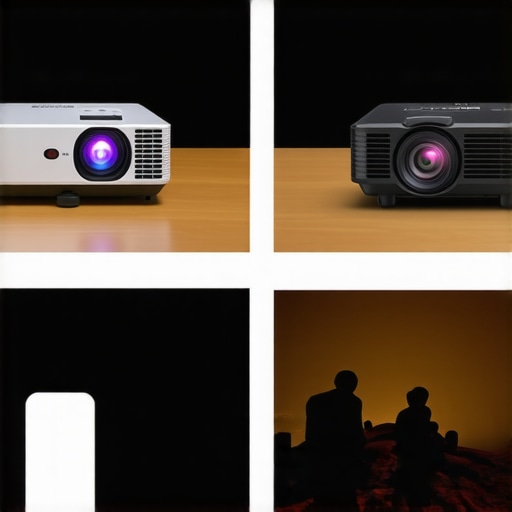
Given these differences, someone seeking a portable, user-friendly solution for casual viewing might favor UST or portable projectors, citing their affordability and flexibility. For example, models like the Anker Nebula Capsule Max or LG’s portable 4K projectors (check current prices at Electronics Store) are perfect for on-the-go entertainment. However, if cinema-quality images are vital, investing in a dedicated home theater projector, such as the Epson LS800 or Sony’s native 4K models, provides a more immersive experience, albeit with higher installation requirements and costs.
Are Laser Projector Deals Worth the Premium?
Laser projector deals have become a hotspot for those prioritizing longevity, brightness, and color performance. These projectors often outperform traditional lamp-based models in durability and maintenance, making them an attractive choice for both casual and professional settings. For instance, laser projectors from brands like BenQ and Epson provide vibrant 4K visuals with minimal setup hassle, and their prices have become increasingly competitive — compare deals at Projector Deals. The key question is whether the investment aligns with your usage habits. If you plan to host regular outdoor movie nights or need a projector that withstands frequent use over several years, laser models justify their higher costs with lower maintenance and consistent performance. For occasional use, however, options with traditional UST laser or LED technology can deliver excellent value without a hefty price tag.
Is It Time to Upgrade Your Home Theater System?
Upgrading to newer projectors, particularly 4K models with laser illumination and smart features, can dramatically elevate your viewing experience. For example, if you are currently using older 1080p LCD projectors, moving to 4K laser models offers sharper images, better contrast, and quicker setup with auto-focus and keystone correction. Not to mention, the latest home theater projectors now feature integrated streaming apps and HDMI 2.1 support, making them more versatile than ever. If you’re considering an upgrade, review the latest deals on high-end models at Home Theater Deals and compare features to determine if it’s worth investing in the latest technology. Typically, the newer the model, the higher the price, but the enhancements in performance can justify the expense for serious movie buffs and gaming enthusiasts alike.
Making the Choice: For Whom Do These Technologies Make Sense?
Small families, mobile professionals, or outdoor lovers will find portable and UST projectors perfectly suited for their needs, offering a convenient balance of performance and portability. Meanwhile, dedicated home theater aficionados who prioritize image fidelity, color accuracy, and long-term durability are better served by dedicated fixed-frame projectors and laser setups. When evaluating deals or upgrades, consider your space, budget, and entertainment goals. For detailed comparisons and current pricing, checking out established review sites like Tech Reviews can provide additional insights. Remember, opting for the right projector is about matching your specific requirements to the strengths of each technology.
The Pros and Cons in a Nutshell
Advantages: Affordability, lightweight design, easy setup, and natural glare reduction due to matte surface. Drawbacks: Vulnerability to weather conditions, wrinkles from folding, slight image softness, and fading over time with UV exposure.
Who Should Think Twice Before Buying?
This product is ideal for casual outdoor movie enthusiasts, camping lovers, or those needing a portable solution on a budget. However, if you desire a professional-grade setup, consistent durability, and optimal image quality, a fixed-frame or inflatable screen might be better suited—and worth the extra investment. Be cautious if your environment experiences frequent rain, high humidity, or intense sunlight that can degrade the fabric quickly.
Final Thoughts and Clear Recommendation
While canvas screens excel in portability and cost-effectiveness, their susceptibility to weather and eventual surface degradation serve as significant caveats. For casual users aiming for occasional outdoor movie nights, they provide excellent value—just watch out for wrinkles and weather effects. Serious home theater fans or frequent outdoor hosts should consider more durable, specialized options like inflatable screens or dedicated fixed-frame setups. If you want a reliable, long-term investment that guarantees crisp images and weather resistance, skip canvas and explore premium alternatives. For those interested in enhancing their outdoor entertainment, check the latest deals on `UST projectors` or `fixed-frame screens`. If a budget-friendly, flexible option still appeals, be sure to explore the [comprehensive review of portable projectors](https://laserprojectordeals.com/the-best-portable-projectors-for-van-life-and-constant-travel) for pairing with your canvas surface.