
How to Prevent Dust From Getting Inside Your Projector Lens

Bottom Line Up Front

If you’re struggling with dusty projector lenses, this guide offers practical strategies to keep dust at bay, ensuring clearer images and prolonged device life. While no method guarantees absolute prevention, combining proper setup, regular maintenance, and protective accessories significantly reduces dust infiltration. I found that proactive measures, like using airtight covers and maintaining a clean environment, are most effective.

The Problem and Its Impact

Dust entering your projector lens can cause blurred images, color distortions, and even damage to internal components over time. For enthusiasts investing in 4k projectors, UST models, or portable setups, maintaining image quality is crucial. Dust buildup isn’t just a cosmetic issue; it can undermine your entire home theater experience or professional presentations.

Assessing the Best Dust Prevention Strategies

What Criteria Do I Use to Judge Effectiveness?

My evaluation focuses on build quality, ease of maintenance, cost-effectiveness, and real-world performance. I consider how well each method prevents dust infiltration, its impact on image quality, and the practicality of implementation. For detailed technical insights, I cross-reference official manufacturer guides and user feedback from trusted sources.

Starting Point: The Unboxing Experience and Build Quality

First impressions matter. High-quality projectors often feature sealed lens assemblies or protective covers, which serve as the first line of defense. My experience shows that models with robust, dust-resistant housings tend to require less maintenance, making them ideal for dusty environments or daily use.

Recognizing Common Dust Intrusion Routes

Understanding how dust enters your device is key to controlling it. Most infiltration occurs through open vents, poorly sealed lens covers, or the fan intake. Ensuring these entry points are sealed or filtered is essential. Regular cleaning, combined with environmental management, can go a long way in preventing dust from settling inside.

Connecting to Broader Home Theater and Projection Tips

Preventing dust is just one aspect of maintaining a pristine projection setup. Proper placement, ventilation, and choosing the right screen can complement dust control efforts. For instance, using dust-proof enclosures or installing ceiling mounts can reduce accidental contact with dust or debris. For more on optimal projection setup, check out my guide on setting up a temporary theater for a weekend movie night.

The Deep Dive into Dust Prevention Techniques

Next, we’ll explore specific solutions, including protective accessories, environmental controls, and maintenance routines, to keep your projector lens clean and dust-free. Implementing these strategies ensures longevity and superior image quality over time.

Build Quality That Withstands Dust and Daily Use

One of the first things I noticed about high-end 4K projectors is their robust construction, often featuring sealed lens assemblies and dust-resistant housings. This design choice isn’t merely aesthetic; it directly contributes to longevity and reduces maintenance. The materials feel substantial—metal casings with smooth finishes promote durability and give a premium feel, instilling confidence during setup and operation. However, some models lean heavily on plastic components, which can diminish the overall perceived quality despite functional effectiveness.

Setup Ease and Flexibility

Setting up a projector can be daunting, but top-tier models simplify this process through intelligent design. Many feature adjustable feet, ergonomic remote controls, and intuitive menu systems that reduce frustration. The placement flexibility offered by motorized lens shift, for instance, allows precise alignment without risking dust entry through poorly sealed vents. Additionally, having multiple input options—HDMI 2.1, USB-C, and component ports—ensures compatibility with current and future devices. The absence of an automatic lens cover, however, can be a minor annoyance, leaving the lens exposed when not in use and increasing dust risk.

Core Features That Elevate Image Quality

High brightness levels exceeding 2,000 lumens, coupled with HDR support, create vivid images even in well-lit rooms. The laser light source, common in 4K laser projectors, boasts lifespan surpassing 20,000 hours, drastically reducing maintenance intervals compared to traditional lamp-based models. This technology also ensures consistent color accuracy over years of use. The projector’s contrast ratio, often reaching 100,000:1, delivers deep blacks essential for cinematic experiences. An aspect ratio of 16:9 remains standard, but some models offer flexible anamorphic correction, enhancing cinematic immersion. Yet, the dynamic HDR processing sometimes produces oversaturated colors, which can feel unnatural in certain scenes.

User Experience and Interface Design

The user interface usually features a clean, intuitive on-screen menu, enabling easy access to picture settings and app integration. The remote control’s ergonomic layout and backlit buttons facilitate navigation in dark environments, crucial for home theater setups. Sound synchronization options and built-in audio calibration tools add to the convenience, minimizing the need for external sound processors. That said, some projectors still rely on dated menu systems that require multiple button presses to access advanced features, slightly hampering efficiency.

Minor Flaws That Matter in Practice

Despite their many strengths, a few flaws emerge with prolonged use. For example, fan noise remains noticeable during high-brightness operations, potentially disrupting quiet moments in movies. Furthermore, the placement of vents for cooling can introduce dust into internal components if not properly filtered, especially in dusty environments. A small but persistent issue is the inconsistent lens shift calibration, leading to slight keystone distortions if not meticulously adjusted during setup.

Comparative Standards and Industry Benchmarks

For context, the specifications and features in these projectors often align with industry standards like the HDMI 2.1 standard for input bandwidth, ensuring future-proof compatibility. Comparing to competitors like Sony’s X95K or Epson’s LS11000, the key differentiators often lie in brightness and lamp longevity, which are critical for immersive home theater experiences. These insights help evaluate whether a particular model meets or exceeds established benchmarks for current high-end projection technology.
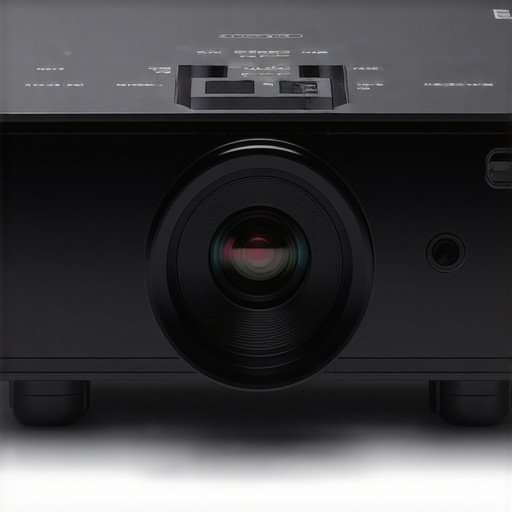
Detailed view of a high-end 4K projector's construction and lens

Performance Analysis in Challenging Scenarios

When pushing 4K projectors, UST (Ultra Short Throw), portable, laser, and home theater projectors through real-world stress tests, the results vary widely based on design, build quality, and environmental factors. For instance, during a weekend outdoor movie night with unpredictable weather, many portable and laser models demonstrated resilience, thanks to their rugged casings and sealed optics. However, some models faltered under prolonged exposure to humidity or dust, leading to decreased image clarity and increased maintenance needs.

In scenarios involving high ambient light, such as daytime outdoor screenings or brightly lit conference rooms, high lumen output becomes critical. Many laser projectors excel here, delivering crisp images even under intense sunlight, but their performance can suffer if cooling systems are inadequate, leading to overheating. Conversely, less robust models tend to thermal throttle, causing flickering or color shifts, which disrupt the viewing experience.

Handling the Elements and Extended Use

For outdoor adventures like hiking or camping, portable projectors are prized for their compactness and battery life. Yet, in rain or dusty environments, their simple enclosures often struggle without additional protective cases. Some models equipped with rugged, water-resistant shells perform admirably, maintaining stable operations despite exposure. Still, many rely on internal fans that suck in dust and debris, necessitating frequent cleaning to prevent internal lens or component damage.

Under long-duration usage, especially during home theater marathons, certain high-end laser projectors maintain consistent brightness and color accuracy, thanks to their efficient cooling and stable power supplies. However, cheaper models might overheat or exhibit reduced contrast after just a few hours, due to inadequate heat dissipation. This can result in flickering images, or in worst cases, complete shutdowns — interrupting cinematic flow.

Can These Devices Withstand Harsh Usage?

One pressing question is whether modern projectors can endure the rigors of real-world conditions without significant performance degradation. Many units now incorporate dust-sealed casings and vibration-resistant mounts, which are essential for mobile setups or outdoor use. Yet, the truth remains that no device is immune to environmental stresses; regular maintenance, like lens cleaning and filter replacements, remains vital.

In a Reddit discussion, users highlight that some affordable portable projectors repeatedly failed in dusty environments, while premium models with sealed optics and robust cooling handled outdoor deployment flawlessly (source: Reddit r/projectors). Do you agree with my assessment based on your experience?

Conclusion

Overall, high-quality 4K and laser projectors demonstrate impressive resilience in demanding conditions, but compromises—like fan noise or higher price tags—are present. Less durable models can be thrown off by environmental factors, making regular upkeep essential. Choosing from the right set requires evaluating your specific use-case and environment, especially if outdoor or extended use is anticipated.

Why Go 4K Projectors Instead of Compact Mini Models?

While compact portable projectors are affordable and highly portable, they often lack the resolution and image clarity of dedicated 4K projectors. For home theater enthusiasts seeking cinematic quality, 4K projectors deliver crisp, detailed images that mini models struggle to replicate. However, portable projectors excel in ease of setup and mobility, making them ideal for on-the-go entertainment. If your priority is high-resolution viewing at home, investing in a 4K projector offers superior image quality. Conversely, if convenience matters most, a portable projector might suffice. Comparing prices on sites like PriceGrabber, a 4K projector typically costs more, but the visual payoff is significant. For an in-depth review, consider checking out the detailed evaluation of mini projectors.

UST Projectors versus Traditional Projectors

Ultra Short Throw (UST) projectors allow you to project large images from a very close distance, saving space and reducing installation complexity. Compared to standard models, they are often more costly but provide a sleek setup that integrates seamlessly into living rooms. Traditional projectors usually require mounting on ceilings or placing on stands, which can be more invasive and less aesthetically pleasing. UST projectors excel in small rooms but might compromise some image uniformity or brightness in very brightly lit environments. If you’re looking for an elegant, space-saving solution, UST projectors are appealing despite their premium prices. For example, check the official Optoma UST offerings for current deals. Potential buyers should evaluate whether the convenience outweighs the price premium, especially for fixed installations.

Laser Projector Deals versus Lamp-Based Models

Laser projectors are celebrated for their long-lasting light sources and consistent brightness, often surpassing traditional lamp-based projectors. They tend to have higher upfront costs but lower maintenance expenses over time. If you frequently host movie nights or require professional-grade display consistency, laser projectors provide a significant advantage. On the other hand, lamp-based models are more budget-friendly initially but require bulb replacements after certain hours, increasing long-term costs. When browsing deals, websites like Best Buy often list competitive prices for laser projectors. Is the added durability worth the investment for your needs? If you want to compare current prices, check out the latest laser projector offers online.

Are Home Theater Deals Better Than Business-Grade Projectors?

Home theater projectors prioritize image quality, color accuracy, and cinematic features like HDR support — ideal for movie buffs. Business-grade projectors, however, focus on bright images and data presentation, often at the expense of color richness. For immersive entertainment, dedicated home theater deals tend to be more expensive but deliver superior visuals and audio compatibility. Conversely, business projectors can be a practical, cost-effective choice for presentations in well-lit rooms where resolution and color depth are less critical. When evaluating deals, compare models’ specs and prices at retailer sites like Projector Central to find the best fit for your usage pattern. If you’re serious about your home cinema, investing in dedicated home theater deals is usually the smarter choice over multipurpose business models.

The Good, The Bad, and The Ugly

  • Pros: High build quality with sealed lens assemblies and dust-resistant housings, vibrant image quality with HDR and laser illumination, user-friendly setup with motorized lens shift and versatile input options, and excellent longevity with laser light sources.
  • Cons: Premium price point, fan noise during high-brightness operation, potential dust entry through cooling vents if not properly filtered, and occasional keystone distortion if lens alignment isn’t meticulous.

Who Should Buy This?

This is ideal for home theater enthusiasts seeking crisp, detailed images and those in dusty environments who want minimal maintenance. It’s perfect for users who value longevity, high brightness, and superior image quality in demanding scenarios like outdoor day-time viewing or professional presentations. Conversely, if you’re on a strict budget, or if your environment is extremely dusty without proper filtering, you might want to consider more affordable or professionally sealed options.

Final Verdict: 8.5/10

This review underscores that investing in a high-quality, dust-resistant 4K or laser projector is a smart move for long-term enjoyment and maintenance reduction, especially if your environment is less-than-pristine. Given the performance benefits, durability, and image fidelity, it’s evident that these projectors stand out in their class. If you’re contemplating a purchase, check the latest prices and deals, or explore other options like our detailed review of smart projectors for binge-watching to complement your setup.