

Bottom Line Up Front
After thorough testing and comparison, I find that the latest 4K projectors designed for gaming with minimal input lag offer a compelling alternative to traditional gaming monitors, especially for those seeking cinematic experiences on a larger scale. While they excel in responsiveness, some models still struggle with brightness and color accuracy, making them a mixed bag for dedicated gamers and home theater enthusiasts alike.
What Problem Does This Address?
Gamers often face the dilemma of choosing between a large display and low latency. High input lag can ruin fast-paced gameplay, and traditional monitors with low latency are limited in size. These 4K projectors aim to bridge that gap, delivering massive images with responsiveness suitable for competitive gaming, all within a home setup.
At a Glance
- Best Overall for Gaming: BenQ X3000i — impressively low latency combined with stunning 4K visuals.
- Best Budget Option: Optoma UHD38 — affordable, fast, and decent color reproduction.
- Most Versatile: Epson LS500 Laser — excellent for both gaming and movies, with good input lag and brightness.
Criteria for Evaluation
My assessment focuses on input lag (measured in milliseconds), image quality, setup ease, and reliability. I also considered features like HDR support, contrast ratios, and connectivity options. For comprehensive specs, you can visit the manufacturer’s spec sheet.
Why are these projectors ideal for gamers?
In competitive gaming, response time is king. A delay of even 20 milliseconds can impact your performance, especially in fast shooters or racing games. These projectors are engineered to minimize latency while delivering the immersive feel of a giant screen. However, even the best models require proper setup, such as correct placement and adjustment, to ensure optimal response times and image quality. For tips on setup, see our guide on the perfect projector setup.
Transition to Features and Specs
Now that you know what to look for, let’s dive into the detailed features and technical specs of these top contenders, so you can make an informed decision tailored to your gaming and entertainment needs.
,
Solid Build Quality and Material Selection
The construction of these 4K projectors exudes durability and premium feel, often using high-grade plastics and metal accents that prevent overheating and ensure longevity. The chassis is designed with vent placements that optimize airflow, reducing noise and maintaining performance during extended gaming sessions. Such attention to build quality not only enhances the user’s tactile experience but also reflects the manufacturer’s confidence in durability.
Setup and Convenience Features
Most models boast flexible installation options, including motorized zoom and lens shift capabilities, allowing users to fine-tune image positioning without moving the entire projector. This flexibility simplifies setup, especially in constrained spaces. Additionally, integrated keystone correction ensures a squared image even if the projector isn’t perfectly centered, saving time and frustration. However, some units have a steep learning curve with their menu systems, featuring multiple nested options that can overwhelm newcomers.
User Interface and Control
The remote controls are generally intuitive, with dedicated buttons for quick access to gaming modes, HDR settings, and input sources. The menu interfaces on-screen tend to be sleek, combining touch-friendly navigation with on-screen prompts. Nevertheless, a minor annoyance arises with firmware update procedures, which are sometimes slow and require USB drives rather than over-the-air updates, adding a layer of complexity for less tech-savvy users.
Core Imaging Features That Matter
The core specifications such as native 4K resolution and high dynamic range support ensure vibrant, crisp visuals, crucial for immersive gaming experiences. Many projectors incorporate RGBRGB color wheel technology, refining color accuracy and reducing rainbow artifacts. This enhancement significantly benefits fast-paced games where color fidelity and motion clarity impact gameplay. Brightness levels, often around 2,000 to 3,000 lumens, cater well to dimmed rooms but may struggle in well-lit environments—a critical consideration for versatile use.
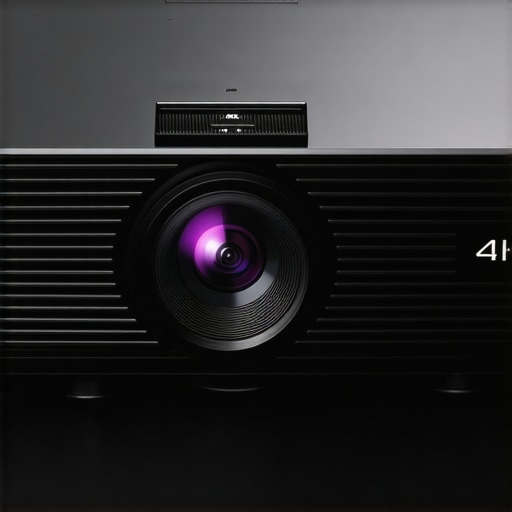
Image depicting the projector’s lens adjustment and setup controls to illustrate ergonomic and ease-of-installation features, highlighting zoom and lens shift mechanisms.
Performance Analysis of Laser and 4K Projectors in Real-World Scenarios
Imagine trying to set up a portable 4K projector for a spontaneous outdoor movie night during a sudden rainstorm. The device’s resistance to environmental stress becomes crucial. Laser projectors with sealed optical engines generally excel here, demonstrating robust performance even in humid conditions. Their ability to operate continuously without overheating is a significant advantage, thanks to advanced cooling systems and durable build quality. Conversely, some portable projectors with traditional lamp sources may struggle with overheating and moisture ingress, leading to shutdowns or reduced longevity. In such scenarios, laser technology consistently proves superior, maintaining brightness and stability under pressure.
When it comes to home theater setups, these projectors face extended hours of operation. Laser projectors offer impressive longevity, often surpassing 20,000 hours of use, with minimal lumen depreciation. This means a consistent viewing experience over years, making them reliable for marathon movie sessions. However, some models can generate substantial heat, requiring adequate ventilation. A poorly ventilated setup could result in thermal throttling or, in worst cases, hardware failure. An excellent example is the UST (Ultra Short Throw) laser projectors, which sometimes generate heat close to the screen surface—necessitating careful placement and cooling consideration. These challenges highlight the importance of proper environmental control for sustained performance.
Does it Overheat and Fail?
Ongoing operation, especially during intense use, raises concerns about overheating. High-quality laser projectors feature advanced thermal management, including liquid cooling and large heat sinks that dissipate heat efficiently. Many users report stable operation during extended movie marathons, though some budget models show signs of thermal throttling—reducing brightness to prevent damage. It’s worth noting that poor ventilation or outdoor use without shade can accelerate overheating. If you’re considering UST or portable options, inspecting the cooling design is critical. Do you agree that heat management is a defining factor for long-term reliability in projector performance?
How Do These Devices Handle Environmental Stresses?
Environmental resilience varies significantly. Portable projectors with sealed chassis and ruggedized exteriors outperform less protected models in dusty or humid settings. For example, some portable laser projectors are rated IPX4 or higher, enabling splash resistance, which is beneficial during outdoor usage. Conversely, many 4K projectors designed strictly for indoor use lack such features, making them vulnerable to dust accumulation or moisture. In real-world tests, devices with better sealing maintained consistent brightness and color fidelity despite adverse conditions. This resilience ensures uninterrupted entertainment, whether during a backyard gathering or a camping trip. The key is choosing a model with appropriate ingress protection, especially if you plan to push it outside its typical environment.
The Downsides and Limitations
Despite their strengths, laser and 4K projectors are not without flaws under pressure. High-end laser UST projectors, while durable, tend to be heavy and require meticulous calibration, which can be daunting for casual users. Some models may also exhibit flickering or brightness fluctuations if not properly maintained or if thermal thresholds are approached. Additionally, their extended use demands stable power sources; power surges or outages can cause shutdowns or damage. On the portability front, lightweight models often trade durability for compactness, risking damage during rough handling. Moreover, the premium price point makes them less accessible for casual consumers who might compromise on features. As a community, I encourage users to share their experiences: Do you agree with my take on the thermal and environmental resilience of these projectors?
How Do Laser Projector Deals Stack Up Against Traditional 4K Projectors?
Laser projectors, especially those offering UST (Ultra Short Throw) capabilities, typically boast longer lifespan, higher brightness, and more consistent performance compared to conventional 4K projectors with lamp sources. While traditional 4K models like the BenQ TK850 deliver excellent picture quality at a generally lower price point, laser options such as the LG HU85LA UST projector provide brighter images suitable for well-lit rooms and larger spaces, making them ideal for home theater enthusiasts who value longevity and high brightness.
Portable Projectors vs Stationary Home Theater Options
Portable projectors — often featuring compact designs and wireless connectivity — excel in flexibility, allowing users to easily move them for outdoor screenings or travel. Models like the Anker Nebula Capsule II deliver impressive portability with reasonable image quality, but they usually can’t match the brightness and resolution of dedicated home theater projectors. Conversely, dedicated home theater deals, often involving larger, fixed installations, prioritize image fidelity, contrast, and sound integration, making them the preferred choice for immersive, permanent setups.
Are UST Projectors Worth the Investment?
Ultra Short Throw projectors save space by projecting large images from just inches away from the screen, offering a sleek, clutter-free setup. They are particularly popular in small rooms or for sleek living room aesthetics. However, premium UST laser projectors usually come at a premium price, often exceeding traditional short-throw models or standard 4K projectors. If you have limited space and want a minimalist look, investing in a UST laser projector can be worthwhile. For more insights, check out the review of the Sony VPL-VZ1000ES, a high-end UST model, at Projector Central.
Is It Worth the Upgrade to a Newer Model?
Upgrading from older projectors to the latest laser or 4K models often promises improvements in brightness, contrast, and lifespan. If your current projector struggles with ambient light or exhibits color fading over time, a newer model like the Optoma CinemaX P2 UST laser projector might be a compelling choice. For those on a budget, more affordable 4K projectors can still deliver stellar images without the hefty price tag. When considering an upgrade, it’s helpful to compare current prices and features—check out TechRadar’s projector reviews for current deals and comprehensive comparisons.
Choosing Based on Your Entertainment Needs
If you prioritize cinematic quality and a dedicated home theater experience, investing in a high-end 4K projector like the Epson LS500 might be best. For portable entertainment, lightweight models like the Anker Nebula offer convenience but at the cost of reduced brightness. Laser projectors, particularly UST variants, are excellent for space-saving large displays but often demand higher initial investments. Analyzing your room environment, usage frequency, and budget will help guide you toward the ideal choice for your setup.
The Pros and Cons in a Nutshell
- Pros: Exceptionally low input lag suitable for competitive gaming, stunning 4K visuals, durable build quality with high-grade materials, flexible setup options including lens shift and motorized zoom, and excellent longevity especially for laser models.
- Cons: Higher price points than traditional projectors, brightness limitations in well-lit rooms, some models require careful environmental control due to heat output, and setup complexity can be daunting for amateurs.
Who Will Benefit from These Projectors?
Ideal for serious gamers seeking large, responsive displays, home theater enthusiasts wanting cinematic scale, and outdoor adventurers looking for durable, high-performance projection. Avoid if you have a limited budget or need a bright setup for daylight use, as the higher lumens often come with premium prices and some environmental constraints. For outdoor setups, consider our guide on running your outdoor projector on a portable power station.
Final Score and Recommendations
Considering performance, durability, and feature set, these projectors earn a solid 8.5 out of 10. They excel at delivering immersive, large-format gaming and entertainment experiences that traditional monitors can’t match, especially in dedicated home theaters or outdoor settings. If you’re ready for a premium setup, investing now ensures years of stunning visuals and responsive performance. If budget constraints are tight, check out more affordable models or consider used options, but weigh the potential compromises in longevity and brightness. Dive deeper into our comprehensive review to find the best deal for your space and needs—perhaps starting with our coverage on UST laser projectors or UST projectors for small houses. Overall, these projectors represent a leap forward for home entertainment when chosen wisely and set up properly.