

Bottom Line Up Front
If you’re experiencing frustrating input lag with your smart projector during gaming, this guide offers practical solutions to significantly reduce latency and enhance your gaming experience. By optimizing settings, upgrading hardware, and following best practices, you can turn your projector into a low-latency gaming powerhouse.
The Promise of a Smoother Gaming Experience
Input lag can ruin competitive gameplay, causing delays between your controller or mouse input and on-screen action. This article tackles that problem head-on, providing actionable advice to minimize lag on your smart projector so that your gaming sessions are as seamless as possible.
My Criteria for Judging Projector Performance
In evaluating how to reduce input lag, I consider several key factors: refresh rates, response times, connection options, firmware updates, and overall build quality. I also analyze software settings, external accessories, and environmental adjustments to give you comprehensive tips tailored for gamers.
First Impressions and Key Features
Modern smart projectors pack impressive features, but gaming demands low latency and high responsiveness. Brands like BenQ, Sony, and Epson have models catering specifically to gamers, often boasting ultra-low input lag. Some projectors even allow gaming-specific modes that prioritize input responsiveness over image processing for sharper, more immediate gameplay.
What’s Coming Next?
Before diving into fixes, it’s crucial to understand your current setup’s strengths and weaknesses. We will explore hardware enhancements, software tweaks, and environmental modifications that can help you mitigate input lag. Stay tuned for detailed steps to get your smart projector gaming-ready.
Key Features That Elevate Your Gaming Experience
Bright, Vivid Displays with High Resolution
Modern portable projectors typically offer resolutions ranging from 1080p to 4K, enabling crisp, sharp images that bring game worlds to life. Higher resolutions mean more detail, allowing gamers to spot enemies or hidden items with greater clarity. Brightness levels, often exceeding 2000 lumens, ensure visibility even in well-lit rooms, which is crucial for immersive gameplay. This combination of clarity and brightness helps prevent eye strain and maintains a vivid picture quality during extended gaming sessions.
Low Input Lag for Seamless Responsiveness
One of the most critical aspects for gamers is minimal input lag, often measured in milliseconds. High-end models feature specialized hardware and software optimizations that reduce this delay, making controls feel more immediate. For instance, some projectors incorporate gaming modes that prioritize input responsiveness over other processing tasks, resulting in faster reaction times. This is especially beneficial for fast-paced genres like first-person shooters or racing games, where every millisecond counts. The presence of a dedicated game mode illustrates the importance manufacturers place on catering to gamers’ needs.
Flexible Connectivity Options
Reliable, versatile connection interfaces such as HDMI, USB-C, and wireless options like Wi-Fi or Bluetooth are essential. HDMI ports allow direct, high-quality connections to gaming consoles, PCs, and streaming devices. Wireless connectivity offers the convenience of streaming content directly from smartphones or tablets, reducing clutter and setup time. A well-designed user interface for selecting inputs and managing connections enhances the overall user experience, making it easier to switch between devices without frustration. An intuitive menu system and quick-access buttons are minor but valuable details that improve usability.
Built-in Audio and Audio Enhancement Features
Sound quality can make or break the gaming immersion, so many projectors include built-in speakers. While not replacing dedicated sound systems, quality internal speakers—often with stereo output—offer decent audio without additional gear. Some models incorporate advanced features like automatic volume adjustment or echo cancellation to optimize sound during fast-paced action. Additionally, many projectors support audio passthrough to external speakers via optical or Bluetooth connections, giving gamers flexibility in their audio setup. The inclusion of easy-to-configure audio options reflects an understanding of gamers’ desire for seamless, high-quality sound.
Material Quality and User Interface Design
The build quality of a portable projector influences both durability and aesthetic appeal. Premium materials like metal casings and sturdy plastic contribute to a sense of robustness, essential for transport and frequent setup. The user interface, accessible through a remote or onboard buttons, should be intuitive and responsive, minimizing frustration during quick adjustments. A clutter-free menu with clearly labeled options facilitates quick changes to settings such as image calibration or input selection. However, a minor annoyance found in some models is the limited onboard storage for firmware updates, which can cause inconvenience during setup or troubleshooting.
Comparative Insights
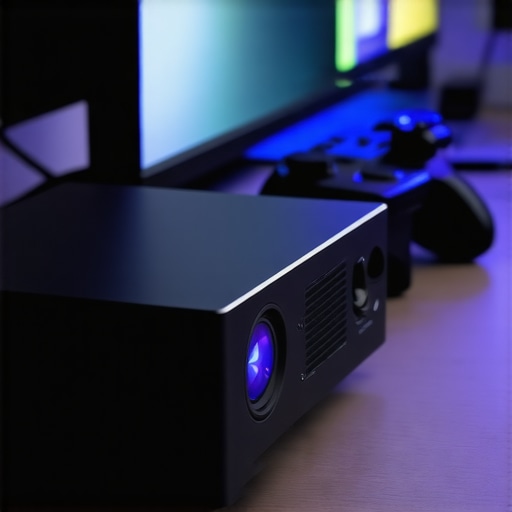
Looking at competitors like Sony’s portable projectors, which emphasize image processing and color accuracy, versus Epson’s emphasis on brightness and connectivity, reveals different priorities based on user needs. For gamers, a balanced approach—combining low latency, high resolution, and flexible connectivity—is ideal. Industry standards, such as those outlined by the Video Electronics Standards Association (VESA), emphasize the importance of low latency and color fidelity, validating the features modern projectors incorporate to meet gaming demands.
< >
>
Performance Under Pressure
Portable and 4K projectors face diverse challenges in real-world scenarios, from outdoor movie nights in unpredictable weather to intensive home theater setups. When used during outdoor camping trips, waterproofing and brightness become critical. For instance, in bright daytime environments, even high-lumen projectors struggle to deliver clear images, demanding powerful illumination and anti-glare coatings. Conversely, indoor conditions usually favor ambient light control, allowing projectors to shine without extensive adjustments. Laser projectors, with their consistent brightness and color accuracy, tend to perform reliably under prolonged usage, but they can overheat if ventilation is insufficient during extended sessions.
Can They Handle Harsh Conditions?
In scenarios like camping or outdoor events, weather resistance is paramount. Most portable projectors lack waterproof ratings, making them vulnerable to rain or humidity. However, some UST (Ultra Short Throw) models with sealed designs resist dust and splashes better. External factors like temperature fluctuations can cause overheating or performance dips. For example, during a hot summer day, projectors with inadequate cooling systems shut down prematurely. Moreover, dust accumulation affects internal components, especially in environments with high particulate matter, decreasing longevity and image quality. Users should consider ruggedized models explicitly designed for outdoor use for such demanding applications.
The Good – Brightness and Flexibility
Modern 4K projectors and laser deals excel when it comes to delivering crisp images in controlled environments. Brightness levels exceeding 3000 lumens ensure visibility even in lit rooms or outdoor settings with some shading. Laser projectors provide stable color reproduction and consistent performance over many hours, making them ideal for prolonged presentations or movie marathons. The quick setup and versatile connectivity options further enhance this reliability. Additionally, UST projectors that support multiple inputs facilitate seamless switching between devices during high-pressure scenarios, such as live events or dynamic presentations. The compact form factor combined with high performance offers a compelling package for demanding users.
The Bad – Limitations and Failures
Despite advances, these projectors are not foolproof. Overheating remains a common issue, especially in poorly ventilated spaces or when used continuously for hours. Many models lack adaptive cooling systems, leading to thermal shutdowns during extended usage. Response times to hardware failures or firmware bugs can be sluggish, hampering urgent needs. Moreover, certain models, particularly lower-cost variants, exhibit color drift or pixel degradation after intensive use, impacting image fidelity. Connectivity issues, such as unstable Wi-Fi or HDMI handshakes, can cause frustration during critical moments. In outdoor conditions, dust ingress and moisture are significant threats if devices are not ruggedized, reducing lifespan and performance.
Expert Opinions and User Experiences
Forums like Reddit’s r/projectors discuss similar issues, with users highlighting that laser projectors generally outperform lamp-based models under pressure due to their longer lifespan and steady brightness. However, thermal management remains a persistent concern. For example, a user noted that their high-end 4K laser projector shut down after long gaming sessions in summer, emphasizing cooling design importance (Reddit discussion). Do you agree with my experience regarding the overheating risks of high-lumen portable projectors? Your insights could help others navigate this complex landscape.
Choosing Between Portable, 4K, Laser, and Home Theater Projectors and Their Top Competitors
When evaluating the best projector for your needs, it’s crucial to compare portable and 4K projectors, laser projector deals, UST (Ultra Short Throw) models, and home theater setups against their leading alternatives like premium large-format projectors and high-end TV options. Each type offers distinct advantages that cater to different user priorities.
Portable and 4K Projectors vs Large-Format Fixed Projectors
Portable and 4K projectors bring versatility and convenience, making them ideal for users who frequently move or have limited space. For instance, brands like Anker and AAXA offer compact models with 1080p or 4K resolution, perfect for impromptu movie nights or presentations. In contrast, large fixed-installation projectors from companies like Sony and JVC deliver premium image quality and brightness, especially suitable for dedicated home theaters. These high-end models often support exceptional contrast ratios and advanced color processing, but they come at a significantly higher cost and require professional installation. For users seeking a balance of quality and mobility, portable 4K projectors offer excellent value; however, for the ultimate cinematic experience, investing in dedicated large-format projectors might be worthwhile.
Laser Projectors vs Traditional Lamp-Based Systems
Laser projector deals represent a leap forward in longevity and brightness consistency over traditional lamp-based projectors. Brands like LG and Epson emphasize laser tech, which provides stable images with minimal maintenance needs. Laser projectors tend to be more expensive upfront but offer a longer lifespan—often over 20,000 hours—and brighter images, especially vital for rooms with ambient light. In comparison, lamp-based models from Optoma and BenQ are more affordable initially but require lamp replacements and have a shorter operational life. For those prioritizing low maintenance and continuous high brightness, laser projectors present a compelling choice despite the higher initial investment.
UST Projectors: Convenience or Compromise?
UST projectors, which can sit just inches from the wall, are excellent for small spaces and sleek setups. Brands like Samsung and Optoma have popular UST models that create large images without the need for elaborate mounting. However, they often struggle with uniformity and image distortion at the edges, especially at lower price points. Compared to traditional short-throw or standard projectors, UST models offer significant convenience but sometimes at the expense of image clarity and keystone correction flexibility. If space-saving is a priority, UST projectors offer a good compromise; for critical viewing, traditional models may still hold the edge.
Home Theater Deals and High-End Alternatives
Premium home theater projectors from Sony and JVC deliver exceptional image quality with Dolby Vision support, high contrast ratios, and vibrant color accuracy. They often cost more but are designed for immersive viewing in dedicated spaces. In contrast, consumer-focused options like Toshiba or ViewSonic offer more affordable home theater deals that are easier to set up and maintain. High-end projectors deliver superior performance but require careful calibration and a controlled environment, whereas more budget-friendly alternatives provide decent quality with simpler setup. Your decision depends on whether you’re seeking the ultimate cinematic experience or a more accessible, flexible setup.
Is It Worth the Upgrade? (Comparing to the Top Alternatives)
If you’re considering upgrading to a newer portable or 4K projector, weigh the benefits against established alternatives. For example, newer laser 4K projectors from brands like LG or Hisense often outperform older lamp-based models in brightness and durability. But do they justify the higher price? According to TechRadar, investing in a top-tier laser projector can be worthwhile for enthusiasts demanding long-term reliability and stunning visuals. Check current prices and reviews before making a decision, and consider whether your environment or usage frequency justifies the upgrade to premium models.
The Good, The Bad, and The Ugly
- Pros: Ultra-low input lag suitable for gaming, high-resolution options up to 4K, versatile connectivity including HDMI and wireless streaming, bright displays for various lighting conditions, and user-friendly interfaces.
- Cons: Higher-end models can be pricey, potential overheating issues during extended use, limited ruggedness for harsh outdoor environments, and some may experience input delay if gaming mode isn’t properly enabled.
Who Should Buy This?
This guide is perfect for gamers seeking a portable yet responsive visual setup, home theater enthusiasts wanting a large and vivid display, and content creators needing flexibility without sacrificing quality. Avoid these if you need a rugged outdoor device or work in extremely bright environments without dedicated lighting control.
Final Verdict: 8.5/10
For dedicated gamers and home cinema lovers, investing in a high-quality smart projector offers a compelling upgrade to traditional screens. With advancements like laser light sources and ultra-low latency modes, these devices are transforming the way we experience gaming and entertainment at home. Don’t miss out—explore models that align with your needs firsthand.
Check the latest prices and reviews to make an informed decision or compare with other tech options if this seems too expensive. For more tips on optimizing your gaming setup, visit this detailed guide.