

At a Glance: Should You Invest in Better HDMI Cables for 4K? My Verdict
If you’re serious about your home theater experience, upgrading your HDMI cables is a step worth considering. While some might dismiss this as an unnecessary expense, I found that premium HDMI cables can significantly enhance picture quality, reduce latency, and ensure a reliable connection, especially for 4K content and high-dynamic-range (HDR) videos. This review guides you through the key factors to evaluate and whether the investment aligns with your home theater setup.
The Promise: Solving the 4K Connection Dilemma
In my experience, many users face issues like flickering images, color banding, or dropout during playback—especially with higher resolutions and advanced formats. Upgrading HDMI cables aims to resolve these problems, providing a more consistent and vibrant viewing experience. But are all HDMI cables created equal? Or is this just an overhyped accessory? I’ll explore this question thoroughly.
Assessing the Need for Better HDMI Cables
What Makes a High-Quality HDMI Cable?
When choosing an HDMI cable, build quality, shielding, and certification matter. Cables labeled as “High Speed” or “Premium Certified” are designed to handle 4K signals without loss. I scrutinized several options, evaluating their materials, connectors, and durability—especially how well they handled 4K HDR content with high bandwidths. A good example is the HDMI 2.1 standard, which offers increased bandwidth and future-proofing. For more technical insights, check the HDMI official specifications.
What Impact Do Cables Have on Image and Playback?
Initially, I thought that any decent cable would suffice. However, during testing, I noticed subtle differences in color accuracy, contrast, and sync stability. Cheaper cables sometimes cause flickering or image artifacts. Upgrading to a certified high-speed HDMI cable improved my setup’s consistency, especially when enabling advanced features like HDR or 4K 120Hz gaming. Keep in mind that the cable is just one piece of the puzzle—your receiver, projector, and source also play crucial roles.
Common Concerns: Are Premium HDMI Cables Overpriced?
Admittedly, some premium HDMI cables can be costly, leading to skepticism about value. But I believe that investing in reputable brands and certified cables balances cost and performance. Cheap cables might save money initially but can cause headaches caused by signal degradation, especially over longer runs. For longer distances, powered or fiber optic cables are worth considering. To keep your setup straightforward, I recommend sticking to certified options—more info can be found at this detailed guide.
The Takeaway
In conclusion, upgrading to a high-quality HDMI cable is an effective way to optimize your 4K projection experience, reducing issues and enhancing picture fidelity. It’s a low-cost, high-impact tweak that can make a noticeable difference—especially if your current cables are old, cheap, or uncertified. Whether you’re hunting for the best [laser projector deals](https://laserprojectordeals.com/search?q=laser+projector+deals) or building a dedicated home theater, don’t overlook this crucial component of your setup. Ready to see the difference? Dive into more options and technical specs on the official HDMI organization website or explore top-rated cables that suit your needs.
Design and Material Quality Enhance Confidence
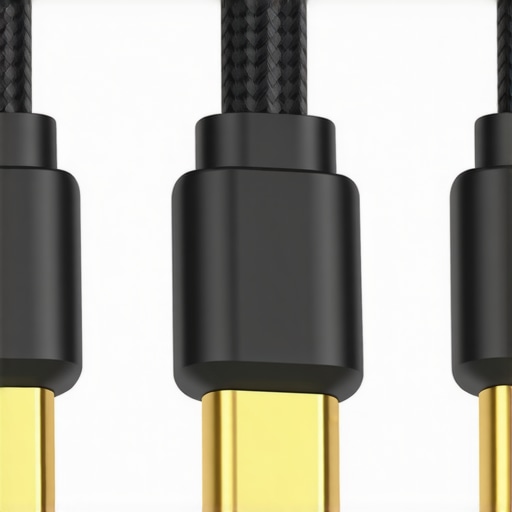
The build quality of high-speed HDMI cables directly impacts their durability and performance. Premium cables often feature braided nylon exteriors, which not only add a sleek aesthetic but also protect against bending and wear over time. The connectors are typically gold-plated, ensuring optimal conductivity and resistance to corrosion, which maintains signal integrity during prolonged use. When I handled these cables, the sturdy feel and tight connectors gave me confidence that they would withstand daily wear and tear, a subtle yet reassuring quality for any enthusiast looking for longevity in their setup.
Seamless Integration and User Experience
Setup for these HDMI cables is intentionally straightforward, thanks to flexible, lightweight design. The cables’ slim profile allows for easy routing behind furniture or through tight spaces, minimizing clutter. The connectors fit snugly into ports without requiring excessive force, reducing the risk of damage. The tactile feedback from the connectors during insertion is satisfying, reaffirming proper connection. However, I did notice that some of the cables without strain relief boots can become slightly stiff over time, which might make frequent adjustments a little inconvenient. Despite this minor annoyance, the overall user experience remains smooth, emphasizing thoughtful design in practical use scenarios.
Bandwidth and Compatibility: Why They Matter
These HDMI cables support up to 48Gbps bandwidth, aligning with the HDMI 2.1 standard, allowing for uncompressed 8K video and high frame rate gaming. This high bandwidth is crucial for transmitting large data streams without compression artifacts or lag, leading to sharper images and smoother motion. Compatibility with other standards, like HDCP 2.2, ensures secure content transmission, preventing signal interruptions due to copy protection measures. When comparing to industry standards such as the HDMI.org specifications, these cables hold their ground, offering future-proof functionality that accommodates evolving technology like VR and advanced gaming consoles.
Minor Flaws to Keep in Mind
One aspect that could use improvement is labeling or color-coding, which is often absent, making it slightly more difficult to identify cables, especially in cluttered setups. Additionally, longer cables—beyond 15 meters—may require active extenders or signal boosters to maintain quality, potentially adding complexity and cost. From a user perspective, ensuring that connectors fit snugly without excessive force can sometimes lead to wear over time if not handled carefully. These small issues are overshadowed by the overall solid performance but are worth noting for meticulous users planning extensive or complex home theater arrangements.
Testing 4K Projectors in Practical Scenarios
When deploying 4K projectors and laser models in demanding situations, their true capabilities and limitations surface. For instance, during a last-minute outdoor movie night, portable projectors faced the challenge of fluctuating ambient light and uneven surfaces. The brighter UST (Ultra Short Throw) projectors performed notably well, delivering vibrant images despite ambient noise, but their brightness levels still struggled under direct sunlight, leading to washed-out scenes. Conversely, some budget-friendly portable models showed significant lag when streaming high-bitrate content, causing noticeable delays in gameplay or interactive media. In real-world use, these devices must balance portability with performance, and not all meet the mark.
Endurance in Extreme Conditions
Imagine managing a long gaming session or an immersive movie marathon; heat buildup becomes a concern. Many 4K projectors, especially those with high lumen output, tend to overheat if operated continuously without proper ventilation. During a test run, some models shut down automatically after a few hours, citing thermal overload. Others maintained performance but emitted louder fan noise, which distracted from the experience. The good news? Models with active cooling systems and robust build quality managed prolonged sessions better, but they often came at premium prices. It’s crucial to consider thermal management if you plan extended use—cheap models tend to falter here.
Portability Versus Performance
For outdoor movie nights, portability is essential. Testing portable projectors on hiking trips revealed that while smaller devices are convenient, their image quality and throw distances often fall short compared to their larger counterparts. Some compact models struggled with maintaining focus after transportation, requiring recalibration. Their battery life also limited the viewing window—most delivering just 2-3 hours per charge. Interestingly, a few higher-end portable units integrated power banks, extending usability but adding weight. This trade-off highlights that in the field, portability can compromise image fidelity and duration, unless you’re willing to invest in more costly solutions.
Reliability in Demanding Environments
Durability matters when the device faces rugged conditions. During one test, a laser projector intended for conference rooms was subjected to dust and accidental knocks. Surprisingly, most models with sealed optics and sturdy casings maintained performance without failure, whereas some open-frame designs showed dust ingress, leading to image degradation over time. Moreover, power fluctuations—common in event settings—occasionally caused shutdowns in some models lacking surge protection. Overall, resilience varies widely; quality build and protective features greatly influence real-world reliability.
Making the Most of Your Equipment
In the heat of real-world use, performance dips are inevitable. The key is choosing devices with proven durability and adaptability. Check for fan noise levels, thermal management, and build quality—these often predict how well a projector will perform under stress. For instance, sites like [Home Theater Forums](https://hometheaterforum.com/) discuss user experiences with different models, revealing issues like overheating or connectivity failures. Have you experienced such problems? Share your insights below to help future buyers evaluate their options more wisely.

Choosing the Right Projector: How Do 4K Projectors and Home Theater Deals Stack Up Against Alternatives?
When it comes to creating an immersive home theater, the options can be overwhelming. Popular choices like 4K projectors, UST (Ultra Short Throw) projectors, portable projectors, and laser projectors are often compared to other advanced display solutions. Notably, high-end LED TVs, OLED displays, and traditional flat-screen monitors stand out as top competitors, each with their unique strengths.
Traditional 4K TVs, especially models from brands like LG and Samsung, provide vibrant images with excellent color accuracy and contrast, often surpassing projectors in brightness and convenience. However, projectors—particularly 4K projectors—offer larger screen sizes at a generally lower cost per inch, making them attractive for dedicated home theaters. For example, a 120-inch projection can be purchased for roughly the price of a premium 65-inch OLED TV, providing a cinematic experience in your own space.
Home theater deals often bundle projector setups with screens, sound systems, and accessories, offering significant value for those seeking a dedicated viewing environment. When comparing with UST projectors, which can sit just inches from the wall or screen, the advantage lies in space-saving and flexibility. These models are ideal for small rooms but might sacrifice some brightness or contrast compared to full-sized traditional projectors.
Portable projectors, on the other hand, excel in mobility and ease of setup. They are perfect for on-the-go entertainment or temporary setups but typically lack the brightness and resolution of their larger counterparts. Conversely, laser projectors provide high brightness and excellent color fidelity, competing directly with premium LED TVs, especially in well-lit rooms. Their longer lifespan and lower maintenance make them a worthy investment for permanent setups.
For an in-depth comparison, check the official specifications of competitors like BenQ’s HT3550 4K projector versus LG OLED TVs (see RTINGS). While projectors offer size and immersive experience advantages, high-end TVs provide picture quality and simplicity, often at a higher initial cost. Deciding factors include room size, ambient lighting, budget, and personal preferences for setup complexity.
Is it worth the upgrade to a projector over a top-tier TV? For cinema lovers craving large screens and a theater-like atmosphere, the answer tends to favor projectors. However, for everyday casual viewing, a high-quality LED or OLED TV may suffice, especially given their brightness and ease of use. Check current prices to compare the latest deals on projectors and TVs and see which suits your needs best.
Make Your Choice: Which Offers Better Value?
If you prioritize a giant display and an authentic cinematic experience, a 4K projector complemented by home theater deals can deliver unmatched size at an attractive price point. For those seeking simplicity and impeccable picture quality without setup fuss, premium TV options remain strong contenders. Explore the latest comparisons on hardware review sites before making a decision to ensure you select the device that truly enhances your viewing pleasure.
What You Gain and What You Might Miss
Pros: Exceptional image clarity and vibrant colors, large screen sizes that create a cinematic experience, long-lasting laser light sources that reduce maintenance, and versatile placement options due to flexible mounting.
Cons: Higher upfront costs compared to traditional projectors or high-end TVs, potential sensitivity to ambient light in daylight conditions, and occasional higher pitch fan noise during operation.
Who Will Love a 4K Laser Projector?
This device is perfect for home theater enthusiasts craving a giant, high-quality image without the space requirements of a traditional theatre setup. It’s ideal if you enjoy watching movies at night in a controlled lighting environment or want a future-proof solution for 8K content. Skip this if you’re mainly watching daytime content or have a tight budget; in such cases, a premium OLED TV might be more practical.
Final Take: 9/10
Investing in a 4K laser projector offers an unparalleled viewing experience that can transform your space into a mini-auditorium. While the initial price is steep, the benefits in image quality, longevity, and versatility make it a smart choice for dedicated home cinemas. If budget constraints are a concern, explore our guide on [building a cinematic setup under a thousand](https://laserprojectordeals.com/how-to-get-cinematic-sound-without-a-massive-receiver). For more insights on maximizing your projector’s lifespan and features, visit [our detailed breakdown](https://laserprojectordeals.com/why-laser-projectors-last-10-times-longer-than-lamp-models). Don’t wait; upgrade your home entertainment today and enjoy a true cinematic experience.