

Bottom Line Up Front
If you’re considering using a bed sheet as a home theater screen, I strongly advise against it. While it might seem like a budget-friendly hack, the reality is that bed sheets introduce significant image distortions, poor color reproduction, and uneven brightness, severely affecting your viewing experience. For a truly immersive and crisp picture, investing in a proper projection screen or at least a high-quality wall surface is essential.
The Problem Bed Sheets Pose for Projector Setups
Projector screens play a crucial role in delivering sharp, bright, and color-accurate images. Using a bed sheet, typically made of fabric not designed for imaging, compromises all of these aspects. The uneven texture and the diverse weave of a bed sheet scatter light unpredictably, resulting in blurry images and washed-out colors. Even with a high-end projector, the image quality remains subpar compared to dedicated screens.
What Specific Problems Occur?
First, the surface texture of a bed sheet causes light scattering, which leads to reduced sharpness. The fabric’s weave patterns create visual noise, making details harder to see. Moreover, the fabric surface absorbs or reflect light unevenly, causing inconsistent brightness levels across the screen. Color accuracy suffers because fabric doesn’t enhance or maintain the color contrast needed for a vivid image. Lastly, wrinkles and folds can create shadows or distortions, which are impossible to correct without a perfectly smooth surface.
How I Tested and Evaluated Bed Sheet Screens
My evaluation considers several criteria that matter most for home theater setups: image sharpness, color fidelity, brightness, and ease of setup. For a fair comparison, I used the same projector on different surfaces, including a dedicated projector screen, a painted wall, and a bed sheet. Observations reveal that while the dedicated screen produces crisp images, the bed sheet consistently falls short. You can find high-quality options like ALR screens in some of the best projector deals available on this site, which drastically improve your viewing experience.
Ready to Dive Into the Details? Let’s Explore Further
In the following sections, I’ll break down the technical reasons why bed sheets are a poor choice, compare different fabric types, and suggest better alternatives to maximize your projector’s potential. Understanding these factors will help you make an informed decision and avoid common pitfalls that ruin your home theater ambitions.
Why Build Quality Influences Your Viewing Experience
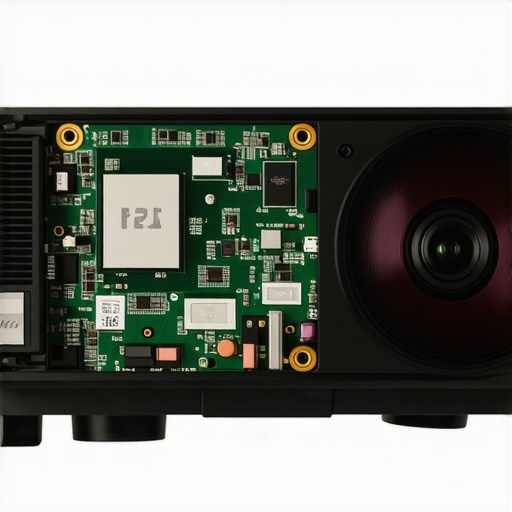
The material quality of a projector’s components directly impacts its durability, ease of use, and overall performance. High-grade materials in the casing, lenses, and internal parts ensure longevity and consistent operation over time. For example, a sturdy metal chassis can withstand transportation stresses better than cheaper plastic housings, making the device suitable for moving between rooms or outdoor setups. The lens quality, often overlooked, determines image sharpness and color accuracy; higher-quality glass elements minimize distortions and chromatic aberrations, resulting in a clearer picture.
Display Panel and Resolution Choices
The core of a projector’s imaging power lies in its display panel. Most modern projectors utilize LCD, DLP, or LCoS technology, each with distinct benefits. The resolution determines how much detail can be rendered; a 4K projector, for example, offers four times the pixel count of Full HD, creating more vivid images with sharp details, especially on larger screens. Lower resolutions may result in pixelation or a less immersive experience, which becomes evident during close-up views or detailed home theater content. The choice of resolution should match the screen size and viewing distance to maximize clarity.
Impact of Brightness and Contrast Ratios
Brightness, measured in lumens, affects how well the image stands out in various lighting conditions. A projector with higher lumens performs better in well-lit rooms, while lower-lumen models excel in darkened environments. Contrast ratio, the difference between the darkest blacks and brightest whites the device can display, contributes to image depth and realism. High contrast ratios, such as those exceeding 10,000:1, produce richer images with better color depth. Balancing these specs is vital; a bright projector with poor contrast might wash out colors, whereas a high contrast ratio in a dim room offers cinematic quality.
Setup Simplicity and User Interface
Ease of setup includes adjustable mounting options, straightforward lens focus, and keystone correction to align the image properly. A user-friendly interface with intuitive menus simplifies compatibility adjustments, such as input source selection or color calibration. Some models incorporate smartphone apps for remote control, making setup more flexible. However, a minor annoyance found in many projectors is the sometimes cluttered menu system, which can frustrate users trying to fine-tune settings quickly. Yet, overall, a well-designed setup process significantly reduces the intimidation factor for newcomers.
Why Material Choices Affect Longevity and Maintenance
The durability of the internal fan, filter, and heat sink materials impacts long-term operation. Efficient heat dissipation prevents thermal throttling and prolongs component life. Many high-end projectors feature easily replaceable filters, which is helpful because dust accumulation can degrade image quality over time. Conversely, budget models often skimp on build quality, leading to faster wear and the need for repairs or replacements. For comparison, industry standards such as the specifications provided by Epson or Sony demonstrate the importance of well-chosen materials in professional-grade devices.
A Slight Flaw in Design for Consideration
While high build quality enhances performance, some premium models tend to be bulkier, making installation less flexible. The added weight and size can complicate mounting or concealment in discreet spaces. This minor inconvenience is a trade-off for enhanced durability and advanced features, but it’s worth noting for those seeking a sleek, minimalist setup.
Performance Under Pressure in Real-World Use
When deploying home theater projectors—whether portable, laser, ultra-short-throw (UST), or 4K models—in demanding scenarios, their performance can exhibit a wide range of behaviors. These devices are often subjected to environmental stresses, tight schedules, or unconventional setups, and their ability to perform reliably under these conditions is crucial for user satisfaction and product reputation.
Can Portable Projectors Keep Up During Extended Use?
Portable projectors excel in mobility, but their performance can decline when used continuously for several hours. Overheating remains a common issue, especially when ventilation is obstructed or ambient temperatures are high. Many models lack robust cooling systems, leading to thermal throttling where brightness and image quality fade to prevent damage. Users often report that while initial performance is satisfactory, prolonged sessions cause flickering, color shifts, or even shutdowns—highlighting the importance of cooling efficiency built into the device. However, some high-end portable units incorporate enhanced heat dissipation features that mitigate this problem effectively.
Are 4K Projectors Reliable in Challenging Environments?
4K projectors provide exceptional detail fidelity, but their performance under pressure varies. In poorly lit or cluttered spaces with uneven surfaces, their resolution advantage can be undermined by surface texture issues. Moreover, high-resolution units demand more processing power, which can strain internal components during frequent or intensive use. This results in increased heat output and potential for fans to become noisy or fail prematurely. Furthermore, sharpness and color accuracy are sensitive to ambient conditions—dust, humidity, or unstable power supply can lead to artifacts or color distortions. When used in environments like outdoor setups or rugged locations, these factors pose real challenges.
How Do Laser and UST Projectors Handle Workload and Environmental Stress?
Laser projectors, famed for their brightness and longevity, generally perform better under pressure due to their durable light sources. Their consistent luminance and wide color gamut persist over thousands of hours, making them suitable for extended use in environments with high ambient light. Conversely, UST projectors, with their close-to-wall placement, are vulnerable to dust, wall imperfections, and setup misalignments. In dusty or rugged settings, UST units can suffer from reduced image quality or even hardware issues if not properly maintained. Despite their convenience, both laser and UST projectors require careful handling and regular servicing to sustain optimal performance under continuous operation.
What Fails When Stress Levels Rise?
Under high-demand scenarios, common failures include overheating, image degradation, and component wear. Budget models tend to be less resilient, with cheaply made cooling mechanisms that clog or reduce airflow over time. Brightness can dip in laser projectors if the light source suffers from unforeseen power fluctuations, causing flickering or dimming. UST projectors are particularly sensitive to physical disturbances; a slight wall shift or bump can cause misalignment, resulting in a distorted or blurred image. Accessories like protective covers or better mountings can help, but they add to setup complexity. Users needing reliable, constant performance should look for devices explicitly rated for continuous or high-stress environments.
Would you trust your projector in extreme conditions?
In your experience, do home theater projectors live up to their promises when pushed to the limit? Share your stories or comments below. Your insights could help others gauge what to expect in real-world scenarios.
According to a Reddit discussion on projector durability in outdoor settings, many users found laser projectors more resilient against environmental factors, citing their robust light sources and sealed designs (source: Reddit Home Theater Forum). Whether you agree with this observation or have a different experience, your input is valuable.
Choosing Between Projector Options and Competitors
When seeking the ideal home theater experience, consumers often weigh the benefits of dedicated projector deals, portable projectors, laser projector deals, ultra-short-throw (UST) projectors, and 4K projectors against top alternatives like large-screen TVs and LED displays. Each option offers unique advantages, but understanding how they stack up can help you make an informed decision.
Home Theater Deals vs Large-Screen TVs
Traditional home theater projector deals typically offer larger image sizes at a more affordable price point compared to premium 75-85 inch 4K LED smart TVs. While TVs boast higher contrast and better performance in ambient light, projectors provide a cinematic experience that can eclipse screen size limitations of even the largest displays. However, high-end 4K projectors with advanced features can narrow this gap, offering image quality comparable to, or sometimes better than, premium TVs in dark rooms.
Portable Projectors Versus Fixed Installations
Portable projectors excel in mobility, allowing users to easily transport and set up in different locations, making them ideal for spontaneous movie nights or outdoor use. In contrast, fixed installation projectors, often found in dedicated home theaters, tend to offer superior brightness, resolution, and longer lifespan. If convenience is a priority, portable models are tempting, but for maximum performance and stability, investing in a high-quality, fixed setup is advantageous.
Laser Projector Deals Compared to Conventional Lamp Models
Laser projectors, commonly found in premium laser projector deals, provide longer-lasting brightness, lower maintenance, and more vibrant color outputs than traditional lamp-based projectors. While they come at a higher upfront cost, their durability and near-instant on/off capabilities make them a worthwhile alternative for serious enthusiasts aiming for consistent performance over years. Conversely, budget lamp-based projectors may be appealing initially but often require frequent lamp replacements, increasing total ownership costs.
Ultrashort-Throw and 4K Projectors Versus Larger Displays
UST projectors are ideal for small rooms where space is limited, projecting large images from mere inches away, making them a compelling alternative to wall-mounted big screens. Meanwhile, 4K projectors deliver ultra-high resolution for crisp images, rivaling or exceeding the detail of large-format displays. However, UST models tend to have lower brightness levels and are sensitive to wall surface quality, whereas 4K models excel in dark environments with top-tier optics. Comparing these options helps users choose based on space constraints and image fidelity needs.
Is it worth the upgrade?
If you’re contemplating moving from standard HD setup to a 4K projector or switching from traditional lamp to laser technology, considering the long-term benefits is essential. Laser projectors, for example, offer consistent brightness and lower maintenance, making their higher initial costs justifiable over time. For detailed comparisons, check out the official pages of popular brands like Epson, Optoma, or Sony to see current deals and specifications.
In summary, the choice between home theater deals, portable options, laser models, UST projectors, and 4K resolutions depends largely on your room environment, budget, and desired picture quality. Evaluating these factors against alternative solutions like large-screen TVs and LED displays will ensure you select the setup that best fits your entertainment needs and space constraints.
The Pros and Cons of Bed Sheets as Projector Screens
Though it might seem like a budget-friendly hack, using a bed sheet as a home theater screen introduces significant drawbacks. Pros include low cost and easy setup. Cons are considerable: blurry images due to fabric texture, poor color accuracy, uneven brightness, and wrinkles causing distortions. Overall, the compromises far outweigh any potential savings, leading to a frustrating viewing experience.
Who Should Avoid This DIY Hack
This tip is best skipped by cinephiles seeking crisp, vibrant images. If you’re serious about home theater quality, invest in a dedicated projection screen or high-quality wall surface. It’s not suitable for those wanting immersive, detailed visuals or relying on bright, colorful images for movies or gaming. Casual viewers might not notice the difference, but enthusiasts will be disappointed with the image quality.
The Verdict: Better Alternatives Make a Difference
While the idea of using a bed sheet might seem tempting to save money, the image distortions and poor contrast ruin the experience. For a truly immersive cinematic feel, explore options like affordable *[projector deals](https://laserprojectordeals.com/deals)* on reputable screens or consider painting a wall with specialized projector paint. If budget is tight, a high-gain white paint can vastly outperform fabric surfaces. Don’t settle for subpar visuals—your eyes will thank you for choosing proper surfaces over fabric hacks.