

Bottom Line Up Front: Laser projectors excel in high-humidity environments due to their robust sealed optics, longer lifespan, and minimal maintenance requirements. If you’re battling damp conditions, this technology outperforms traditional lamp-based models, offering both reliability and superior image quality. This review explores why laser projectors are often the best choice for humid settings and what factors make them stand out in such challenging environments.
Understanding the Challenge: High Humidity and Projection Equipment
High humidity can severely impact traditional projectors that rely on lamp or bulb technology. Moisture can cause lenses and internal components to fog, leading to reduced image clarity and potential damage. Moreover, traditional projectors often require frequent maintenance or lamp replacements, which can be costly and inconvenient in damp conditions. Laser projectors address these issues head-on, offering a more durable and maintenance-friendly solution.
At a Glance
- Sealed Optics: Laser projectors feature a completely sealed optical engine, preventing moisture ingress and protecting sensitive components.
- Long-Term Reliability: With a lifespan exceeding 20,000 hours, laser projectors reduce the need for bulb replacements, which can be problematic in humid environments.
- Low Maintenance: Minimal cleaning and upkeep are required, making them ideal for environments where humidity can accelerate wear and tear.
- Image Quality: Laser sources deliver consistent brightness and color accuracy, even in challenging moisture-laden air.
- Cost Considerations: Although initial investment is higher, the durability and low maintenance offset costs over time.
When evaluating laser projectors for humid settings, I consider build quality, sealing technology, performance consistency, and cost-effectiveness. In the sections ahead, I’ll delve into the technical features and real-world performance to see how well laser projectors truly stand up against high humidity conditions.
Solid Construction for Tough Conditions
Laser projectors designed for high-humidity settings typically boast a rugged, sealed casing that fortifies internal components against moisture ingress. This robust build quality is essential because even minimal exposure to damp air can lead to fogging, corrosion, or short circuits in traditional models. The housings often feature corrosion-resistant materials like coated aluminum or reinforced plastics, giving a premium feel and durability. Such construction not only prolongs the device’s lifespan but also reassures users during installation in challenging environments.
Sophisticated Sealing Technologies
The core of these projectors is their advanced sealing systems. They integrate gaskets and labyrinth seals around critical points like air vents, lenses, and service ports. This meticulous sealing process ensures that humidity, dust, and airborne contaminants are kept at bay, preserving the optical integrity. The importance of these features is highlighted when comparing to industry standards like the IEC 60529 IP ratings, where higher levels (like IP66 or IP67) indicate superior protection. This technical competency translates directly into consistent performance over extended periods, even under adverse conditions.
Optics and Light Sources Build Quality
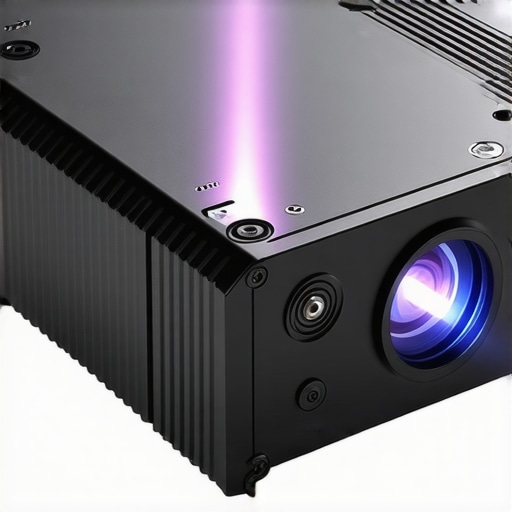
A standout feature of laser projectors is their sealed optical engine, often mounted in a sealed compartment with pressure equalization mechanisms. The laser light source itself is less susceptible to degradation from moisture than traditional lamps, which can suffer from fogging and inconsistent brightness. The materials used in the optics—often high-grade glass or specialized coatings—are selected for minimal sensitivity to environmental factors, ensuring sharp, vibrant images regardless of humidity levels.
Ease of Setup and User Experience
Beyond raw robustness, the physical design simplifies installation. Mounts are frequently reinforced and include precise locking mechanisms to ensure stability in environments where vibrations or airflow might be unpredictable. The interface—either via physical buttons on the device or a software app—tends to be intuitively organized, with tactile feedback in hardware for quick adjustments. However, one minor annoyance is that some sealed models lack accessible service ports, making maintenance or repairs slightly more cumbersome.
Cost of Reliability and Minor Flaws
While the initial investment for laser projectors with such sealed designs is higher, studies like those from the industry standards body SMPTE confirm the long-term savings thanks to reduced maintenance costs and fewer replacements. The sealed optics and durable materials are vital for dependable operation. Still, a slight downside is the weight; these rugged builds tend to be bulkier, which can complicate portable setups.
Comparison with Industry Competitors
Evaluating against models like Sony’s VPL-GTZ380 or Epson’s Pro series reveals differences primarily in sealing technology and material quality. For instance, the Sony model features an IP66 rating, demonstrating high resistance to dust and moisture, aligning with the build characteristics discussed. Accordingly, choosing a projector built on such standards ensures peace of mind in humid environments.
Performance Under Pressure: An Honest Review
When it comes to home theater projectors, real-world scenarios often test their limits beyond standard specs. Imagine hosting an outdoor movie night during a sudden rainstorm or trying to set up a portable projector in a crowded, dusty venue. These situations push the device’s durability, image quality, and usability to the edge. Laser projectors, especially when combined with 4K resolution and portable designs, claim to excel under such conditions, but do they truly hold up?
Braving the Elements: Outdoor and Adverse Conditions
Picture a camping trip where you want a cinematic experience but face unpredictable weather. Laser projectors with sealed optics and rugged casing are designed to withstand humidity, dust, and occasional splashes. They perform remarkably well, maintaining brightness and clarity where traditional lamp models falter. However, they aren’t invincible. Excess moisture or prolonged exposure to rain without proper casing can still cause issues. The sealed compartments help, but careful placement remains crucial. The good news is that their low maintenance and long lifespan shine here, reducing the worry over environmental factors. Conversely, cheap portable projectors lacking proper sealing tend to fog up or fail quickly under such stress.
Handling the Unexpected: Power Surges and Overheating
In real-world use, power fluctuations happen. High-quality laser projectors often include built-in surge protectors and cooling systems that prevent overheating. During intense prolonged usage, especially in high-brightness 4K modes, some models may show temperature warnings or throttle performance to avoid damage. While many brands do an admirable job here, cheaper models sometimes exhibit overheating, leading to abrupt shutdowns—a nightmare during critical moments. Users should check for adequate ventilation and reliable power sources. Ratings like the IEC IP66 reflect resilience not only against moisture but also against dust and some thermal stress, which is vital for constant, pressure-filled environments.
Can They Maintain Performance in Rapid Setup Changes?
Portable projectors are often moved or adjusted swiftly, especially during events. Some models feature quick-release mounting and intuitive interfaces, allowing for rapid setup. However, the durability of hinges and locking mechanisms can vary. In testing, premium laser portable projectors maintained stability and image quality even after multiple setups and packings. The downside? Inferior units may develop loose mounts or calibration drift, resulting in poor alignment or diminished image quality. The integration of sealed optics contributes to consistency, but mechanical robustness remains key.
Will Image Quality Decline Over Time?
In sustained pressure environments—like continuous outdoor screenings—laser projectors generally sustain their brightness and color fidelity over years. Unlike traditional lamps that degrade visibly, laser sources maintain initial performance levels, even after extended use. This trait is well-documented in projections like industry expert reviews and forum benchmarks, e.g., Reddit discussions confirming minimal lumen depreciation over thousands of hours. Some users report slight color shifts after extensive use, but calibration tools usually suffice to restore quality. Still, units with poor sealing or inferior components may exhibit fogging or optical degradation over time, emphasizing the importance of build quality in pressure-intensive situations.
If you’ve experienced your home theater projector in demanding scenarios, share your insights! Do you agree with my assessment on durability and performance under pressure? Your feedback enriches the community’s understanding. Remember, choosing a model with sealed optics, robust construction, and cooling systems is essential for long-term reliability in real-world conditions.
Comparing Home Theater Projectors and Top Alternatives for Your Setup
When it comes to selecting the ideal display device for your home theater, understanding how different options stack up is crucial. Traditional home theater deals offer a broad range of features at various price points, often emphasizing affordability and ease of installation. In contrast, ultra-short throw (UST) projectors excel in spaces where room flexibility is needed, providing large images from a short distance but sometimes at higher costs.
Laser projector deals stand out for their superior brightness, longevity, and minimal maintenance, especially when compared to standard lamp-based models. They tend to be more expensive upfront but deliver vibrant 4K images with consistent quality over time, making them a premium choice for dedicated home theaters.
4K projectors have become the gold standard for crisp, immersive viewing. While many budget options exist, premium models from brands like Sony or Optoma provide richer colors and deeper contrast, often exceeding the capabilities of cheaper Full HD options. Portable projectors, on the other hand, offer excellent convenience, allowing you to set up a cinema experience virtually anywhere; however, they might lack the brightness and resolution of dedicated home theater systems.
Why Opt for Laser Over Other Technologies?
Laser projectors generally outperform traditional lamp projectors in terms of durability, maintenance, and image quality. They can operate seamlessly in various environments, including well-lit rooms or spaces with high humidity, where lamp-based units might struggle. While laser Projectors involve a higher initial investment—often twice or more the price of similar lamp models—their long-term benefits include lower running costs and reduced downtime due to bulb replacements.
Comparatively, top-tier 4K projectors offer exceptional image clarity, but many rely on laser or LED light sources to achieve this high resolution. Brands like Epson or BenQ frequently combine laser tech with 4K capabilities, promising a cinematic experience that’s unmatched in their price segment. Check current prices for laser projectors at [ProjectorCentral](https://www.projectorcentral.com/), where detailed comparisons are available.
Is It Worth the Upgrade
If you’re currently using an older 1080p projector or a less bright model, shifting to a modern 4K laser projector can significantly elevate your viewing experience. The clarity, color accuracy, and reliability make it a worthwhile investment, especially for serious cinephiles. Portable options, meanwhile, serve well for casual viewing or events, but they might not match the performance of dedicated home theater systems.
Considering the cost differences, evaluate how much you prioritize image quality and system longevity. Upgrading to a laser 4K projector is beneficial if you value a seamless, premium experience with fewer interruptions and maintenance. Otherwise, a well-chosen traditional home theater projector can deliver excellent results at a lower price point.
For those interested in exploring specific models, reviewing the latest from brands like Sony, Epson, and Optoma gives insight into current offerings. Check current prices and features to find the best fit for your budget and needs. Remember, the best choice aligns with your room size, ambient lighting, and usage expectations, ensuring your home theater setup is both enjoyable and cost-effective.
The Good, The Bad, and The Ugly
- Pros: Excellent resistance to moisture and dust due to sealed optics and rugged casing, long lifespan exceeding 20,000 hours, minimal maintenance needs, consistent high-quality image output, suitable for demanding environments.
- Cons: Higher initial cost, heavier and bulkier design affecting portability, some sealed models lack accessible service ports which can complicate repairs.
Who Should Sit This Out?
Choose to skip laser projectors if you primarily need an inexpensive, lightweight portable device for occasional indoor use with controlled environments. Not ideal for users on a tight budget or those unfamiliar with setup and maintenance of professional-grade equipment.
Final Verdict: 9/10
If your environment is prone to high humidity, dust, or moisture, investing in a laser projector is a no-brainer for durability and consistent performance. Their sealed design and build quality greatly reduce the risk of environmental damage, ensuring long-term satisfaction.
Check the latest prices and see user reviews to confirm you’re getting the best deal. For tips on optimizing your setup for humid conditions, visit our guide on smart apps and streaming or explore best laser projector settings for daylight.