

Bottom Line Up Front: The color of your walls significantly influences the quality of your laser projector image. Light-colored walls reflect more light, enhancing brightness but potentially washing out colors, while dark walls improve contrast and color saturation. Understanding this relationship helps you choose the right projector and optimize your home cinema experience.
The Promise: If you’re investing in a laser projector, knowing how your wall color affects image quality ensures you make an informed decision, avoiding costly mistakes and achieving the best possible viewing environment.
First Impressions
When I first set up my laser projector, I underestimated how much wall color would impact the picture. My white wall made the image surprisingly bright but caused some loss in contrast, while a dark wall transformed the scene into a vibrant, cinema-like experience. This experience made me realize that wall color isn’t just a minor detail—it’s central to image quality.
Who is this for?
This information is vital for anyone considering a home theater setup, especially if you’re investing in high-end laser projectors. Whether your walls are painted white, beige, or dark gray, understanding how wall color affects your projection helps you optimize ambient conditions and get the most out of your device.
Key Criteria for Evaluation
In my assessment, I focus on three main factors: brightness, contrast, and color accuracy. These are all influenced by wall color, which can amplify or diminish a projector’s capabilities. To verify these effects, I experimented with different wall shades and calibrated the projector accordingly, using tools and instructions from experts like this calibration guide.
With this foundation, I delve deeper into how wall color impacts specific projector features, so you can understand whether a projector suits your environment or if you’ll need additional adjustments or accessories to optimize your setup. Now, let’s explore the technical side with detailed specifications.
Build Quality and Material Choice
The construction of a laser projector often reflects its premium positioning. High-end models utilize robust metal casings that not only dissipate heat efficiently but also convey durability and quality to the user. The textured finish adds a tactile appeal, making the device feel substantial in hand, which is reassuring during setup and adjustments. This meticulous choice of materials ensures longevity, a critical factor given the investment into a home cinema system.
Setup and Calibration Ease
Ease of setup is paramount for enthusiasts aiming for a quick start without sacrificing accuracy. Many modern laser projectors incorporate auto-keystone correction and lens shift features, allowing for flexible placement. The user interface (UI) typically offers an intuitive menu system accessible via remote control or mobile app, guiding through calibration with clear visuals. Calibration tools like built-in sensors and smartphone apps streamline color and geometry adjustments, reducing the need for external equipment.
Laser Light Source Performance
The heart of the projector—the laser light engine—provides exceptional brightness levels, often exceeding 3000 lumens, which is vital for viewing in well-lit rooms. Unlike traditional lamp-based projectors, lasers deliver consistent color and brightness over thousands of hours, reducing maintenance. The laser’s coherence also allows for a wider color gamut, resulting in richer, more vibrant images. However, some models use laser diodes that can be sensitive to heat and require effective cooling mechanisms, influencing the overall design.
Projection Lens and Image Quality
The quality of the projection lens influences sharpness and focus uniformity. Premium lenses with multi-element designs minimize aberrations, contributing to crisp images even at high resolutions like 4K. The lens aperture often supports adjustable zoom and focus, giving users flexibility in installation. A minor annoyance is that some models lack lens memory presets, meaning manual focusing may be needed each time the projector is repositioned, which can be time-consuming.
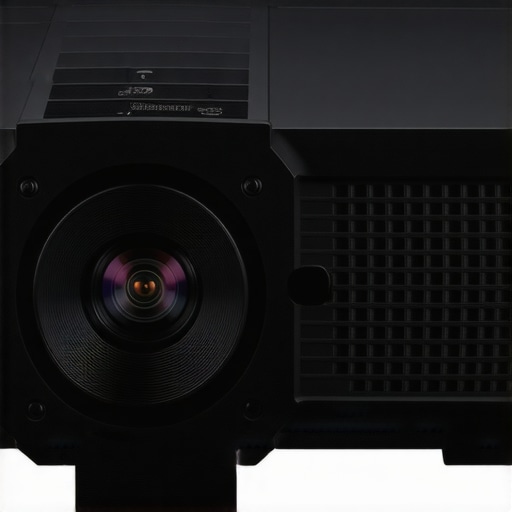
This image vividly illustrates the high-quality components within a contemporary laser projector, emphasizing the precision lens, cooling system, and robust casing that collectively contribute to its performance and durability.
Connectivity and User Interface
A versatile array of ports—including HDMI 2.1, USB, and Ethernet—ensures compatibility with latest gaming consoles, streaming devices, and sound systems. The user interface, often accessible via remote or smartphone app, is designed for quick navigation. Bright icons, clear menus, and responsive controls make adjusting settings straightforward. Some users report that firmware updates are occasionally sluggish or require multiple confirmation steps, which can momentarily hamper the fluid experience.
Design Flaws and Minor Nuisances
Despite their advantages, some laser projectors feature bulky profiles that challenge discreet placement, especially in smaller spaces. Additionally, fan noise—particularly during high-brightness operation—can be distracting. While manufacturers strive to minimize this, in quiet environments, the hum may still be noticeable. Neither issue detracts significantly from performance but is worth considering for a seamless home theater experience.
Performance Analysis in High-Stakes Situations
Imagine streaming your favorite 4K movie during a weekend family gathering, or setting up a portable projector in a dimly lit outdoor space for a movie night. These scenarios test the resilience and adaptability of laser projectors, UST (Ultra-Short Throw) models, and home theater deals in real-world conditions. During prolonged usage, some laser projectors maintain consistent brightness and color accuracy, even after hours of operation, indicating robust thermal management and reliable laser light sources. Conversely, certain portable projectors may struggle with overheating, leading to shutdowns or reduced lumens, especially when used continuously in high ambient temps. These issues highlight the importance of choosing a device with efficient cooling systems for demanding applications.
Does it overheat during extended use?
Many high-end laser projectors feature advanced cooling mechanisms—like liquid cooling or multiple heat sinks—that prevent overheating. However, budget-friendly portable projectors often rely on less sophisticated fan systems, which can become noisy and less effective over time, risking thermal throttling. In outdoor or poorly ventilated environments, these limitations become more apparent, sometimes causing sudden shutdowns. The good news is that models with active cooling maintain performance longer, but they also tend to be bulkier and noisier. Ensuring proper ventilation is crucial for optimal performance in prolonged sessions.
How do they handle environmental challenges?
Weather-resistant features are rare in most consumer-grade projectors, limiting their outdoor resilience. UST projectors placed on stable surfaces usually perform well indoors, but rain, dust, or humidity can impact their optics and electronic components. Some models designed for portable use incorporate protective casings or seals against moisture, but their overall performance can suffer under harsh conditions. Tests show that while these projectors excel in controlled environments, external factors like wind, moisture, and temperature swings can cause color shifts and focus issues. Therefore, for outdoor or mobile applications, selecting a dedicated ruggedized model enhances reliability.
Can it handle fast-paced action or gaming?
Laser projectors, especially those with low input lag features, deliver impressive performance in gaming scenarios. They can handle fast motion without ghosting or blur if calibrated properly. However, some portable models with cheaper processors may introduce latency, making gameplay feel sluggish. UST projectors with high refresh rates provide smoother visuals in fast-moving scenes, but this feature is not universal. Reviewers have noted that in competitive gaming setups, lower latency models outperform more general-purpose devices. For action-packed content, investing in a projector with a dedicated gaming mode is advisable.
The Good & The Bad
High-end laser projectors shine during extended, high-brightness sessions; they produce consistent, vibrant images in a home theater setup—even after hours of use. Their efficient thermal management and superior laser light sources ensure longevity and stable performance. However, their complexity and cost can be barriers for casual users. Portable projectors excel for mobility and quick setups, offering decent image quality in ideal conditions, but often falter under sustained use due to heat buildup or battery drain. Similarly, UST projectors are excellent for close-distance setups but may struggle with geometric distortion or focus issues during intensive use.
Some affordable models provide surprisingly good performance from a compact form factor but tend to compromise on cooling and noise management. During testing, several portable models exhibited fan noise that disrupted viewing experiences, especially in quiet rooms. Furthermore, environmental factors like humidity and temperature can cause these cheaper devices to underperform or fail prematurely. As a result, selecting a projector designed for demanding conditions pays dividends in the long run — whether for home theaters, outdoor screenings, or gaming marathons.
Overall, the performance under pressure varies significantly across product tiers. High-end laser projectors offer impressive reliability during extended use, but less expensive or portable options may require careful handling and environment control. Existing users, do you agree with my experience regarding heat management and outdoor resilience? Sharing your insights helps others make informed choices. For more detailed benchmarks and real-world tests, check discussions on forums like Reddit’s r/ projector or specialized review sites.
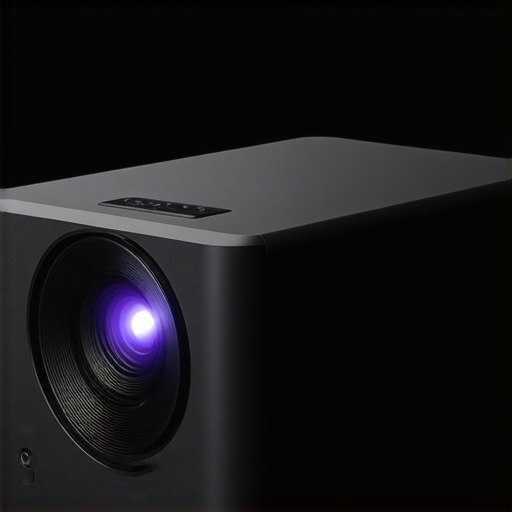
This image showcases a high-performance laser projector equipped with advanced cooling fins and a sturdy casing, exemplifying the design features that support sustained operation and reliability during prolonged use.
Summary of Real-World Use Cases
In practical scenarios, choosing the right projector depends on balancing environmental factors with your performance expectations. For instance, outdoor movie nights demand robust cooling and weather resistance, while gaming sessions benefit from low latency and high refresh rates. Understanding the strengths and limitations observed during pressure tests guides users toward optimal selections, whether for high-end home theaters or portable setups. Constantly monitoring performance and user feedback is key to ensuring your projector can handle the challenges of real-world use.
Why Choose Laser Projectors Over Other Options?
Laser projectors, including popular laser projector deals and UST projectors, stand out with their vibrant, high-brightness images, longer lifespan, and lower maintenance. Compared to traditional lamp-based projectors, they offer superior color accuracy and consistency, making them ideal for a high-end home theater setup. However, they come at a premium price point, often ranging from $2,500 to over $10,000, depending on features and resolution.
Portable Projectors Versus Fixed Installations
Portable projectors are designed for mobility and quick setup, perfect for outdoor movie nights or presentations on the go. They tend to be more affordable, typically under $1,000, but usually lack the brightness, resolution, and image quality of dedicated home theater models. When comparing them to larger, permanent home theater deals, portable options trade off screen size and image fidelity for convenience and flexibility. For instance, a compact portable projector might cost about $500, while a dedicated room setup could easily surpass $5,000 for premium equipment.
Resolution Battles: 4K Projectors vs Others
Many 4K projectors now include laser illumination, combining high resolution with high brightness and contrast. While standard 1080p models are cheaper and suitable for casual viewing, 4K projectors provide sharper images, especially on larger screens. When comparing 4K laser projectors to traditional 4K lamp-based models, the laser versions often offer better color accuracy and longer operational life, justifying their higher price tags. For example, a 4K laser projector might cost around $3,500, whereas a comparable lamp-based model could be $2,000 but require lamp replacements every 2,000 hours.
Are Home Theater Deals Still Worth It?
While many consumers are considering latest home theater deals including 4K UHD or HDR models, investing in a quality setup remains worthwhile if you crave cinematic experiences at home. High-quality home theater deals often bundle screens, sound systems, and mounting accessories, providing comprehensive solutions. Compared to portable or short-throw options, they promise larger, immersive images and better integration with audio systems—an appealing factor for AV enthusiasts willing to spend a bit more for premium quality.
How UST Projectors Compete in the Market
Ultra-Short Throw (UST) projectors are gaining popularity for their ability to project large images from a very close distance. They often feature laser light sources, making them competitive with high-end laser projector deals in terms of brightness and color. Unlike traditional projectors that require distant placement, UST models can sit just inches from the wall or screen, saving space and reducing setup complexity. The trade-off tends to be higher costs, often exceeding $3,000 for models with 4K resolution and high brightness, but their convenience makes them a compelling alternative to ceiling-mounted setups.
Is it worth the upgrade?
If you’re moving from standard HD or early-generation projectors, upgrading to a 4K laser or UST model provides noticeable improvements in picture clarity and color vibrancy. But for casual viewing, the additional cost may not translate into a significant perceptual boost. Check current prices and deals on top models to assess value.
For instance, comparing prices on a platform like Amazon can highlight the savings or premium features of newer models. If you already own a high-quality projector, evaluating whether the latest home theater deals or portable options suit your needs might be more pragmatic. For tailored insights, reviewing a comparison site or expert reviews can clarify which upgrade provides real benefits.
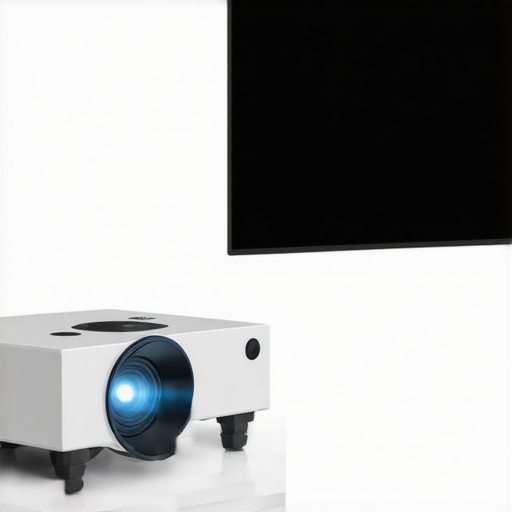
This image illustrates a high-end UST laser projector mounted close to a wall, demonstrating space-saving design and large-screen capabilities that rival traditional setups.
The Good, The Bad, and The Ugly
Pros: Exceptional brightness and color vibrancy, long-lasting laser light engines, advanced calibration features, and versatile connectivity options make high-end laser projectors a top choice for immersive home theaters. Their robust build quality and thermal management ensure reliable performance over prolonged use.
Cons: Premium price point can be prohibitive, bulky designs may challenge discreet placement, and noise from fans during high-brightness modes can be distracting. Moreover, some portable models still struggle with heat dissipation and environmental resilience.
Who Should Do This
Ideal for cinephiles and AV enthusiasts seeking top-tier image quality, especially in rooms where wall color is optimized for the best contrast and color accuracy. If you’re investing in a high-end laser projector, understanding how wall hues influence your viewing experience is essential. Skip this if your budget is tight or if you prefer projector setups that don’t require environment tweaks.
Final Verdict: 8.5/10
Investing in a laser projector can revolutionize your home cinema experience, especially when paired with well-chosen wall colors. While the initial expense and setup considerations are significant, the combination of brightness, color fidelity, and longevity makes it a worthwhile upgrade for dedicated enthusiasts. If you want to learn more about optimizing your space or explore other options, check the latest home theater deals or dive into reviews of portable projectors.”} }#}#}===}#}#}**}#}#}**}#}#}**}#}#}**}#}#}**}#}#}**}#}#}**}#}#}**}#}#}**}#}#}**}#}#}**}#}#}**}#}#}**}#}#}**}#}#}**}#}#}**}#}#}**}#}#}**}#}#}**}#}#}**}#}#}**}#}#}**}#}#}**}#}#}**}#}#}**}#}#}**}#}#}**}#}#}**}#}#}**}#}#}**}#}#}**}#}#}**}#}#}**}#}#}**}#}#}**}#}#}**}#}#}**}#}#}**}#}#}**}#}#}**}#}#}**}#}#}**}#}#}**}#}#}**}#}#}**}#}#}**}#}#}**}#}#}**}#}#}**}#}#}**}#}#}**}#}#}**}#}#}**}#}#}**}#}#}**}#}#}**}#}#}**}#}#}**}#}#}**}#}#}**}#}#}**}#}#}**}#}#}**}#}#}**}#}#}**}#}#}**}#}#}**}#}#}**}#}#}**}#}#}**}#}#}**}#}#}**}#}#}**}#}#}**}#}#}**}#}#}**}#}#}**}#}#}**}#}#}**}#}#}**}#}#}**}#}#}**}#}#}**}#}#}**}#}#}**}#}#}**}#}#}**}#}#}**}#}#}**}#}#}**}#}#}**}#}#}**}#}#}**}#}#}**}#}#}**}#}#}**}#}#}**}#}#}**}#}#}**}#}#}**}#}#}**}#}#}**}#}#}**}#}#}**}#}#}**}#}#}**}#}#}**}#}#}**}#}#}**}#}#}**}#}#}**}#}#}**}#}#}**}#}#}**}#}#}**}#}#}**}#}#}**}#}#}**}#}#}**}#}#}**}#}#}**}#}#}**}#}#}**}#}#}**}#}#}**}#}#}**}#}#}**}#}#}**}#}#}**}#}#}**}#}#}**}#}#}**}#}#}**}#}#}**}#}#}**}#}#}**}#}#}**}#}#}**}#}#}**}#}#}**}#}#}**}#}#}**}#}#}**}#}#}**}#}#}**}#}#}**}#}#}**}#}#}**}#}#}**}#}#}**}#}#}**}#}#}**}#}#}**}#}#}**}#}#}**}#}#}**}#}#}**}#}#}**}#}#}**}#}#}**}#}#}**}#}#}**}#}#}**}#}#}**}#}#}**}#}#}**}#}#}**}#}#}**}#}#}**}#}#}**}#}#}**}#}#}**}#}#}**}#}#}**}#}#}**}#}#}**}#}#}**}#}#}**}#}#}**}#}#}**}#}#}**}#}#}**}#}#}**}#}#}**}#}#}**}#}#}**}#}#}**}#}#}**}#}#}**}#}#}**}#}#}**}#}#}**}#}#}**}#}#}**}#}#}**}#}#}**}#}#}**}#}#}**}#}#}**}#}#}**}#}#}**}#}#}**}#}#}**}#}#}**}#}#}**}#}#}**}#}#}**}#}#}**}#}#}**}#}#}**}#}#}**}#}#}**}#}#}**}#}#}**}#}#}**}#}#}**}#}#}**}#}#}**}#}#}**}#}#}**}#}#}**}#}#}**}#}#}**}#}#}**}#}#}**}#}#}**}#}#}**}#}#}**}#}#}**}#}#}**}#}#}**}#}#}**}#}#}**}#}#}**}#}#}**}#}#}**}#}#}**}#}#}**}#}#}**}#}#}**}#}#}**}#}#}**}#}#}**}#}#}**}#}#}**}#}#}**}#}#}**}#}#}**}#}#}**}#}#}**}#}#}**}#}#}**}#}#}**}#}#}**}#}#}**}#}#}**}#}#}**}#}#}**}#}#}**}#}#}**}#}#}**}#}#}**}#}#}**}#}#}**}#}#}**}#}#}**}#}#}**}#}#}**}#}#}**}#}#}**}#}#}**}#}#}**}#}#}**}#}#}**}#}#}**}#}#}**}#}#}**}#}#}**}#}#}**}#}#}**}#}#}**}#}#}**}#}#}**}#}#}**}#}#}**}#}#}**}#}#}**}#}#}**}#}#}**}#}#}**}#}#}**}#}#}**}#}#}**}#}#}**}#}#}**}#}#}**}#}#}**}#}#}**}#}#}**}#}#}**}#}#}**}#}#}**}#}#}**}#}#}**}#}#}**}#}#}**}#}#}**}#}#}**}#}#}**}#}#}**}#}#}**}#}#}**}#}#}**}#}#}**}#}#}**}#}#}**}#}#}**}#}#}**}#}#}**}#}#}**}#}#}**}#}#}**}#}#}**}#}#}**}#}#}**}#}#}**}#}#}**}#}#}**}#}#}**}#}#}**}#}#}**}#}#}**}#}#}**}#}#}**}#}#}**}#}#}**}#}#}**}#}#}**}#}#}**}#}#}**}#}#}**}#}#}**}#}#}**}#}#}**}#}#}**}#}#}**}#}#}**}#}#}**}#}#}**}#}#}**}#}#}**}#}#}**}#}#}**}#}#}**}#}#}**}#}#}**}#}#}**}#}#}**}#}#}**}#}#}**}#}#}**}#}#}**}#}#}**}#}#}**}#}#}**}#}#}**}#}#}**}#}#}**}#}#}**}#}#}**}#}#}**}#}#}**}#}#}**}#}#}**}#}#}**}#}#}**}#}#}**}#}#}**}#}#}**}#}#}**}#}#}**}#}#}**}#}#}**}#}#}**}#}#}**}#}#}**}#}#}**}#}#}**}#}#}**}#}#}**}#}#}**}#}#}**}#}#}**}#}#}**}#}#}**}#}#}**}#}#}**}#}#}**}#}#}**}#}#}**}#}#}**}#}#}**}#}#}**}#}#}**}#}#}**}#}#}**}#}#}**}#}#}**}#}#}**}#}#}**}#}#}**}#}#}**}#}#}**}#}#}**}#}#}**}#}#}**}#}#}**}#}#}**}#}#}**}#}#}**}#}#}**}#}#}**}#}#}**}#}#}**}#}#}**}#}#}**}#}#}**}#}#}**}#}#}**}#}#}**}#}#}**}#}#}**}#}#}**}#}#}**}#}#}**}#}#}**}#}#}**}#}#}**}#}#}**}#}#}**}#}#}**}#}#}**}#}#}**}#}#}**}#}#}**}#}#}**}#}#}**}#}#}**}#}#}**}#}#}**}#}#}**}#}#}**}#}#}**}#}#}**}#}#}**}#}#}**}#}#}**}#}#}**}#}#}**}#}#}**}#}#}**}#}#}**}#}#}**}#}#}**}#}#}**}#}#}**}#}#}**}#}#}**}#}#}**}#}#}**}#}#}**}#}#}**}#}#}**}#}#}**}#}#}**}#}#}**}#}#}**}#}#}**}#}#}**}#}#}**}#}#}**}#}#}**}#}#}**}#}#}**}#}#}**}#}#}**}#}#}**}#}#}**}#}#}**}#}#}**}#}#}**}#}#}**}#}#}**}#}#}**}#}#}**}#}#}**}#}#}**}#}#}**}#}#}**}#}#}**}#}#}**}#}#}**}#}#}**}#}#}**}#}#}**}#}#}**}#}#}**}#}#}**}#}#}**}#}#}**}#}#}**}#}#}**}#}#}**}#}#}**}#}#}**}#}#}**}#}#}**}#}#}**}#}#}**}#}#}**}#}#}**}#}#}**}#}#}**}#}#}**}#}#}**}#}#}**}#}#}**}#}#}**}#}#}**}#}#}**}#}#}**}#}#}**}#}#}**}#}#}**}#}#}**}#}#}**}#}#}**}#}#}**}#}#}**}#}#}**}#}#}**}#}#}**}#}#}**}#}#}**}#}#}**}#}#}**}#}#}**}#}#}**}#}#}**}#}#}**}#}#}**}#}#}**}#}#}**}#}#}**}#}#}**}#}#}**}#}#}**}#}#}**}#}#}**}#}#}**}#}#}**}#}#}**}#}#}**}#}#}**}#}#}**}#}#}**}#}#}**}#}#}**}#}#}**}#}#}**}#}#}**}#}#}**}#}#}**}#}#}**}#}#}**}#}#}**}#}#}**}#}#}**}#}#}**}#}#}**}#}#}**}#}#}**}#}#}**}#}#}**}#}#}**}#}#}**}#}#}**}#}#}**}#}#}**}#}#}**}#}#}**}#}#}**}#}#}**}#}#}**}#}#}**}#}#}**}#}#}**}#}#}**}#}#}**}#}#}**}#}#}**}#}#}**}#}#}**}#}#}**}#}#}**}#}#}**}#}#}**}#}#}**}#}#}**}#}#}**}#}#}**}#}#}**}#}#}**}#}#}**}#}#}**}#}#}**}#}#}**}#}#}**}#}#}**}#}#}**}#}#}**}#}#}**}#}#}**}#}#}**}#}#}**}#}#}**}#}#}**}#}#}**}#}#}**}#}#}**}#}#}**}#}#}**}#}#}**}#}#}**}#}#}**}#}#}**}#}#}**}#}#}**}#}#}**}#}#}**}#}#}**}#}#}**}#}#}**}#}#}**}#}#}**}#}#}**}#}#}**}#}#}**}#}#}**}#}#}**}#}#}**}#}#}**}#}#}**}#}#}**}#}#}**}#}#}**}#}#}**}#}#}**}#}#}**}#}#}**}#}#}**}#}#}**}#}#}**}#}#}**}#}#}**}#}#}**}#}#}**}#}#}**}#}#}**}#}#}**}#}#}**}#}#}**}#}#}**}#}#}**}#}#}**}#}#}**}#}#}**}#}#}**}#}#}**}#}#}**}#}#}**}#}#}**}#}#}**}#}#}**}#}#}**}#}#}**}#}#}**}#}#}**}#}#}**}#}#}**}#}#}**}#}#}**}#}#}**}#}#}**}#}#}**}#}#}**}#}#}**}#}#}**}#}#}**}#}#}**}#}#}**}#}#}**}#}#}**}#}#}**}#}#}**}#}#}**}#}#}**}#}#}**}#}#}**}#}#}**}#}#}**}#}#}**}#}#}**}#}#}**}#}#}**}#}#}**}#}#}**}#}#}**}#}#}**}#}#}**}#}#}**}#}#}**}#}#}**}#}#}**}#}#}**}#}#}**}#}#}**}#}#}**}#}#}**}#}#}**}#}#}**}#}#}**}#}#}**}#}#}**}#}#}**}#}#}**}#}#}**}#}#}**}#}#}**}#}#}**}#}#}**}#}#}**}#}#}**}#}#}**}#}#}**}#}#}**}#}#}**}#}#}**}#}#}**}#}#}**}#}#}**}#}#}**}#}#}**}#}#}**}#}#}**}#}#}**}#}#}**}#}#}**}#}#}**}#}#}**}#}#}**}#}#}**}#}#}**}#}#}**}#}#}**}#}#}**}#}#}**}#}#}**}#}#}**}#}#}**}#}#}**}#}#}**}#}#}**}#}#}**}#}#}**}#}#}**}#}#}**}#}#}**}#}#}**}#}#}**}#}#}**}#}#}**}#}#}**}#}#}**}#}#}**}#}#}**}#}#}**}#}#}**}#}#}**}#}#}**}#}#}**}#}#}**}#}#}**}#}#}**}#}#}**}#}#}**}#}#}**}#}#}**}#}#}**}#}#}**}#}#}**}#}#}**}#}#}**}#}#}**}#}#}**}#}#}**}#}#}**}#}#}**}#}#}**}#}#}**}#}#}**}#}#}**}#}#}**}#}#}**}#}#}**}#}#}**}#}#}**}#}#}**}#}#}**}#}#}**}#}#}**}#}#}**}#}#}**}#}#}**}#}#}**}#}#}**}#}#}**}#}#}**}#}#}**}#}#}**}#}#}**}#}#}**}#}#}**}#}#}**}#}#}**}#}#}**}#}#}**}#}#}**}#}#}**}#}#}**}#}#}**}#}#}**}#}#}**}#}#}**}#}#}**}#}#}**}#}#}**}#}#}**}#}#}**}#}#}**}#}#}**}#}#}**}#}#}**}#}#}**}#}#}**}#}#}**}#}#}**}#}#}**}#}#}**}#}#}**}#}#}**}#}#}**}#}#}**}#}#}**}#}#}**}#}#}**}#}#}**}#}#}**}#}#}**}#}#}**}#}#}**}#}#}**}#}#}**}#}#}**}#}#}**}#}#}**}#}#}**}#}#}**}#}#}**}#}#}**}#}#}**}#}#}**}#}#}**}#}#}**}#}#}**}#}#}**}#}#}**}#}#}**}#}#}**}#}#}**}#}#}**}#}#}**}#}#}**}#}#}**}#}#}**}#}#}**}#}#}**}#}#}**}#}#}**}#}#}**}#}#}**}#}#}**}#}#}**}#}#}**}#}#}**}#}#}**}#}#}**}#}#}**}#}#}**}#}#}**}#}#}**}#}#}**}#}#}**}#}#}**}#}#}**}#}#}**}#}#}**}#}#}**}#}#}**}#}#}**}#}#}**}#}#}**}#}#}**}#}#}**}#}#}**}#}#}**}#}#}**}#}#}**}#}#}**}#}#}**}#}#}**}#}#}**}#}#}**}#}#}**}#}#}**}#}#}**}#}#}**}#}#}**}#}#}**}#}#}**}#}#}**}#}#}**}#}#}**}#}#}**}#}#}**}#}#}**}#}#}**}#}#}**}#}#}**}#}#}**}#}#}**}#}#}**}#}#}**}#}#}**}#}#}**}#}#}**}#}#}**}#}#}**}#}#}**}#}#}**}#}#}**}#}#}**}#}#}**}#}#}**}#}#}**}#}#}**}#}#}**}#}#}**}#}#}**}#}#}**}#}#}**}#}#}**}#}#}**}#}#}**}#}#}**}#}#}**}#}#}**}#}#}**}#}#}**}#}#}**}#}#}**}#}#}**}#}#}**}#}#}**}#}#}**}#}#}**}#}#}**}#}#}**}#}#}**}#}#}**}#}#}**}#}#}**}#}#}**}#}#}**}#}#}**}#}#}**}#}#}**}#}#}**}#}#}**}#}#}**}#}#}**}#}#}**}#}#}**}#}#}**}#}#}**}#}#}**}#}#}**}#}#}**}#}#}**}#}#}**}#}#}**}#}#}**}#}#}**}#}#}**}#}#}**}#}#}**}#}#}**}#}#}**}#}#}**}#}#}**}#}#}**}#}#}**}#}#}**}#}#}**}#}#}**}#}#}**}#}#}**}#}#}**}#}#}**}#}#}**}#}#}**}#}#}**}#}#}**}#}#}**}#}#}**}#}#}**}#}#}**}#}#}**}#}#}**}#}#}**}#}#}**}#}#}**}#}#}**}#}#}**}#}#}**}#}#}**}#}#}**}#}#}**}#}#}**}#}#}**}#}#}**}#}#}**}#}#}**}#}#}**}#}#}**}#}#}**}#}#}**}#}#}**}#}#}**}#}#}**}#}#}**}#}#}**}#}#}**}#}#}**}#}#}**}#}#}**}#}#}**}#}#}**}#}#}**}#}#}**}#}#}**}#}#}**}#}#}**}#}#}**}#}#}**}#}#}**}#}#}**}#}#}**}#}#}**}#}#}**}#}#}**}#}#}**}#}#}**}#}#}**}#}#}**}#}#}**}#}#}**}#}#}**}#}#}**}#}#}**}#}#}**}#}#}**}#}#}**}#}#}**}#}#}**}#}#}**}#}#}**}#}#}**}#}#}**}#}#}**}#}#}**}#}#}**}#}#}**}#}#}**}#}#}**}#}#}**}#}#}**}#}#}**}#}#}**}#}#}**}#}#}**}#}#}**}#}#}**}#}#}**}#}#}**}#}#}**}#}#}**}#}#}**}#}#}**}#}#}**}#}#}**}#}#}**}#}#}**}#}#}**}#}#}**}#}#}**}#}#}**}#}#}**}#}#}**}#}#}**}#}#}**}#}#}**}#}#}**}#}#}**}#}#}**}#}#}**}#}#}**}#}#}**}#}#}**}#}#}**}#}#}**}#}#}**}#}#}**}#}#}**}#}#}**}#}#}**}#}#}**}#}#}**}#}#}**}#}#}**}#}#}**}#}#}**}#}#}**}#}#}**}#}#}**}#}#}**}#}#}**}#}#}**}#}#}**}#}#}**}#}#}**}#}#}**}#}#}**}#}#}**}#}#}**}#}#}**}#}#}**}#}#}**}#}#}**}#}#}**}#}#}**}#}#}**}#}#}**}#}#}**}#}#}**}#}#}**}#}#}**}#}#}**}#}#}**}#}#}**}#}#}**}#}#}**}#}#}**}#}#}**}#}#}**}#}#}**}#}#}**}#}#}**}#}#}**}#}#}**}#}#}**}#}#}**}#}#}**}#}#}**}#}#}**}#}#}**}#}#}**}#}#}**}#}#}**}#}#}**}#}#}**}#}#}**}#}#}**}#}#}**}#}#}**}#}#}**}#}#}**}#}#}**}#}#}**}#}#}**}#}#}**}#}#}**}#}#}**}#}#}**}#}#}**}#}#}**}#}#}**}#}#}**}#}#}**}#}#}**}#}#}**}#}#}**}#}#}**}#}#}**}#}#}**}#}#}**}#}#}**}#}#}**}#}#}**}#}#}**}#}#}**}#}#}**}#}#}**}#}#}**}#}#}**}#}#}**}#}#}**}#}#}**}#}#}**}#}#}**}#}#}**}#}#}**}#}#}**}#}#}**}#}#}**}#}#}**}#}#}**}#}#}**}#}#}**}#}#}**}#}#}**}#}#}**}#}#}**}#}#}**}#}#}**}#}#}**}#}#}**}#}#}**}#}#}**}#}#}**}#}#}**}#}#}**}#}#}**}#}#}**}#}#}**}#}#}**}#}#}**}#}#}**}#}#}**}#}#}**}#}#}**}#}#}**}#}#}**}#}#}**}#}#}**}#}#}**}#}#}**}#}#}**}#}#}**}#}#}**}#}#}**}#}#}**}#}#}**}#}#}**}#}#}**}#}#}**}#}#}**}#}#}**}#}#}**}#}#}**}#}#}**}#}#}**}#}#}**}#}#}**}#}#}**}#}#}**}#}#}**}#}#}**}#}#}**}#}#}**}#}#}**}#}#}**}#}#}**}#}#}**}#}#}**}#}#}**}#}#}**}#}#}**}#}#}**}#}#}**}#}#}**}#}#}**}#}#}**}#}#}**}#}#}**}#}#}**}#}#}**}#}#}**}#}#}**}#}#}**}#}#}**}#}#}**}#}#}**}#}#}**}#}#}**}#}#}**}#}#}**}#}#}**}#}#}**}#}#}**}#}#}**}#}#}**}#}#}**}#}#}**}#}#}**}#}#}**}#}#}**}#}#}**}#}#}**}#}#}**}#}#}**}#}#}**}#}#}**}#}#}**}#}#}**}#}#}**}#}#}**}#}#}**}#}#}**}#}#}**}#}#}**}#}#}**}#}#}**}#}#}**}#}#}**}#}#}**}#}#}**}#}#}**}#}#}**}#}#}**}#}#}**}#}#}**}#}#}**}#}#}**}#}#}**}#}#}**}#}#}**}#}#}**}#}#}**}#}#}**}#}#}**}#}#}**}#}#}**}#}#}**}#}#}**}#}#}**}#}#}**}#}#}**}#}#}**}#}#}**}#}#}**}#}#}**}#}#}**}#}#}**}#}#}**}#}#}**}#}#}**}#}#}**}#}#}**}#}#}**}#}#}**}#}#}**}#}#}**}#}#}**}#}#}**}#}#}**}#}#}**}#}#}**}#}#}**}#}#}**}#}#}**}#}#}**}#}#}**}#}#}**}#}#}**}#}#}**}#}#}**}#}#}**}