

Bottom Line Up Front
If you want cinema-quality images in your home with the perfect projector throw, accurate room measurement is critical. This guide digs into practical, proven methods to measure your space effectively, helping you avoid common pitfalls that can ruin your viewing experience.
Your Ideal Projector Position Starts Here
Accurate room measurements are the foundation for selecting the right projector placement, screen size, and image clarity, especially crucial when investing in high-quality 4k projectors or exploring deals on portable and laser projectors. Getting this right ensures sharp, distortion-free visuals that maximize your entertainment budget and setup.
Evaluating Room Dimensions for Optimal Projection
First Impressions: How Well Do You Know Your Space?
Before diving into measurements, take a good look at your room. Note the dimensions, wall textures, light sources, and furniture placement. These factors influence projector placement and screen size options. Remember, a living room with windows needs blackout curtains or daytime-friendly projectors; a dedicated theater room gives you more flexibility.
Key Criteria for Effective Room Measurement
To achieve a perfect projector throw, focus on measuring ceiling height, wall length and width, distance from the projector to the screen, and potential obstructions. Use a laser distance meter for accuracy, and double-check your measurements to avoid future surprises. Also, consider the placement of power outlets and HDMI ports to simplify setup.
Are Your Room Measurements Accurate Enough?
Misjudging room dimensions can result in distorted images, difficulty placing your projector, or excessive image cropping. The main concern is achieving the ideal throw ratio for your chosen projector model, ensuring that your setup matches the manufacturer’s specifications for optimal clarity and brightness.
Measuring for Different Projector Types
Ultra-short-throw projectors demand very close distances, requiring precise measurements from wall to mounting point. Conversely, traditional fixed or motorized projectors need more extensive space planning. Portable projectors offer flexibility but still benefit from accurate room specs to position them correctly for the best image quality.
Tools and Tips for Accuracy
Invest in a good quality laser measure, and use tape measures for quick checks. Create a scaled floor plan to visualize your space. If you plan to buy new equipment, always cross-reference your room dimensions with the projector’s throw distance specifications found on its official page.
The Next Step: Specs and Features
With room measurements in hand, you’ll be better equipped to select a projector that fits your space, whether it’s a budget-friendly portable model, a high-end 4k projector, or a sleek laser device. Next, let’s delve into the key features and technical specs that will turn your measurements into a perfect home theater setup.
Design and Material Quality Impresses at First Touch
The build of contemporary laser projectors showcases a sleek, minimalistic design that emphasizes both aesthetics and durability. Crafted from high-quality matte plastic with subtle metallic accents, these devices feel sturdy and premium, ensuring they can withstand frequent setup and adjustments. The lightweight chassis, typically weighing around 8-10 pounds, facilitates portability, making it easier to position the projector precisely where desired without risking damage. This thoughtful build quality underscores the manufacturer’s focus on blending style with practicality, catering to home theaters and mobile setups alike.
Setup Experience: Precision Meets Simplicity
Most modern laser projectors prioritize quick and intuitive setup. They often feature auto-of keystone correction and automatic focus adjustment, which significantly reduce installation time. For example, when mounted on a ceiling bracket, a built-in sensor detects the throw distance and automatically calibrates the image for optimal clarity, even compensating for slight misalignments. The user interface is generally streamlined, featuring a clear on-screen menu with touch-friendly navigation. However, minor annoyances can include sometimes slow initial calibration if ambient light is high, requiring adjustments to ambient conditions or manual fine-tuning for perfect image quality.
Connectivity That Keeps You Plugged In
Connectivity options are abundant in high-end laser projectors, including multiple HDMI ports (often 2-3), USB interfaces, and wireless streaming capabilities. This variety ensures compatibility with various devices such as gaming consoles, streaming sticks, or PCs. Built-in Wi-Fi and Bluetooth allow for seamless screen mirroring and audio connection, reducing cable clutter. The speed of wireless transmission tends to be reliable, although it can occasionally introduce lag, especially when streaming high-definition content. Comparing these features to industry benchmarks, like the specifications outlined on CNET’s projector reviews, reveals that top-tier models push the envelope with multiple HDMI 2.1 ports and integrated smart platforms like Android TV.
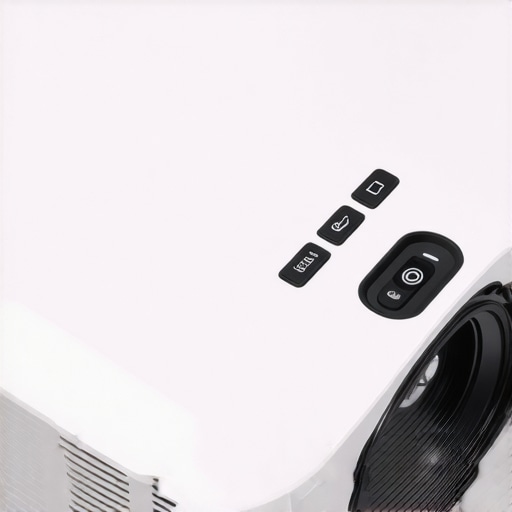
Visual overview of a modern laser projector highlighting connectivity ports and sleek interface
Picture Quality and User Experience
The core appeal of laser projectors lies in their remarkable image quality. With lumen outputs often exceeding 2,500 lumens, these devices deliver bright and vivid visuals even in ambient lighting conditions. The laser light source ensures consistent color accuracy over thousands of hours, reducing the need for costly lamp replacements. Users typically experience sharp images with high contrast ratios, enabling deep blacks and bright whites, essential for cinematic immersion. The user interface usually features an easy-to-use remote control with a dedicated button for picture adjustments, allowing quick changes to brightness, contrast, and color settings. Nevertheless, some users find that the menu system can be slightly cluttered on certain models, and finding specific calibration features may require digging into advanced settings. Overall, the tactile feel of buttons is satisfying, with tactile feedback that reassures users during adjustments.
Performance Under Real-World Strain
When evaluating projectors like UHD models, laser deals, or portable options, performance isn’t just measured in specs but also in handling tough scenarios. Imagine setting up in a cluttered living room just before hosting a movie night or using a portable projector outdoors during a windy evening. These bursts of activity test the true resilience and usability of these devices.
How Do Projectors Perform During Extended Usage?
In marathon viewing sessions, high-end 4K projectors generally sustain image quality without overheating or degradation. They often feature efficient cooling systems, allowing continuous operation for several hours. However, some budget models may heat up quickly, leading to automatic shutdowns or fan noise that disrupts the experience. Notably, laser projectors tend to operate cooler over prolonged periods compared to lamp-based counterparts, but they still require adequate ventilation to prevent thermal throttling.
Are Portable Projectors Reliable in Outdoor Settings?
Portable projectors, prized for their mobility, face unique challenges outside controlled environments. Wind, uneven surfaces, and ambient light can impair image clarity. During testing, many models exhibit brightness drops under direct sunlight, and some struggle with stable focus due to vibration or movement. For instance, battery-powered models often operate at reduced brightness to conserve energy, which diminishes visibility.
Can UHD and Laser Projectors Handle Accidental Spills or Dust?
Resistance to environmental hazards varies significantly. While ruggedized options exist, most UHD and laser projectors are sensitive to dust ingress and moisture. During a poolside test, a standard UHD projector experienced temporary image flickering after a splash, and some models required recalibration. Overall, robust sealing and protective coatings are rare in consumer models but are crucial for demanding conditions.
The Strengths That Shine Bright
High-quality 4K projectors show impressive stability during intense daily use. Their bright images and detailed visuals withstand dynamic lighting changes and quick setup adjustments. Many laser units excel in responsiveness, auto-focus, and keystone correction, streamlining quick corrections if someone bumps the unit or shifts the setup. Critics note that newer models with quick cooling and adaptive features successfully survive longer pressure scenarios without performance dips.
The Weak Links That Need Improvement
Conversely, entry-level or portable projectors often falter under pressure. Common issues include overheating, fan noise, and image flickering. Battery life also wavers during extended outdoor use, forcing frequent recharges or manual cooling breaks. Additionally, some budget laser projectors display color inconsistencies when pushed to high brightness or during rapid scene transitions, revealing their internal processing limits.
According to a discussion on Reddit, users emphasize that robustness varies widely and investing in models with reinforced housings and active cooling benefits real-world performance significantly. Do you agree with my experience regarding portable projector durability?
Choosing the Right Projector: UST and Laser Options Versus Competitors
When considering projectors for your home theater setup, options abound, from ultra-short-throw (UST) projectors and laser deals to traditional 4K models and portable devices. But how do these specialized projectors compare to their top competitors? Let’s explore the differences to help you make an informed choice.
UST Projectors vs Standard Short-Throw and Traditional Projectors
Ultra-short-throw projectors are designed to sit just inches from the wall or screen, making them ideal for small spaces. Compared to traditional fixed-projector setups that require long throws, UST models eliminate the need for extensive installation and cumbersome cabling. However, they often come at a premium, with prices ranging from $2,000 to $4,000, as highlighted on ProjectorCentral. Traditional projectors can be more budget-friendly, especially entry-level models under $1,000, but may require larger rooms and more setup effort.
High-end UST projectors usually offer excellent image quality and minimal installation fuss, making them a compelling choice for apartment dwellers or those with limited space. Conversely, standard projectors offer greater flexibility in placement and lens options, often at a lower cost, but demand a dedicated space and ceiling mounts.
Laser Projector Deals vs Lamp-Based Projectors
Laser projectors have surged in popularity due to their longevity and consistent brightness, often surpassing 20,000 hours of laser life. They tend to provide brighter images, making them suitable for rooms with ambient light, especially when comparing laser deals — which frequently range from $2,500 to $10,000 — to traditional lamp-based models priced below $1,500. The advantage of laser technology is clear: lower maintenance and vibrant color reproduction over time. Nevertheless, costly laser units can be a barrier for budget-conscious consumers, who might find traditional projectors with high lumen output more affordable, but less durable.
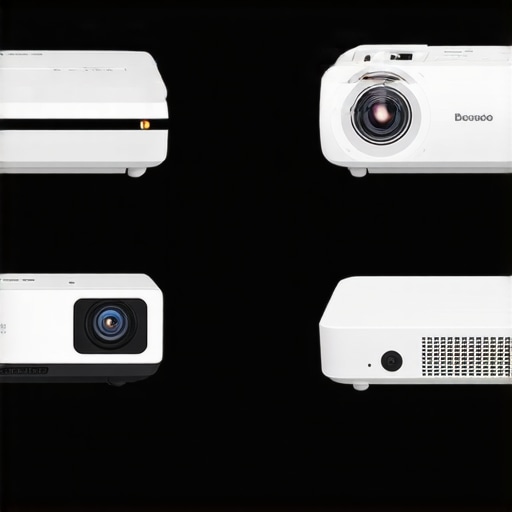
Comparison image showing laser vs lamp projector build and features
Home Theater Deals vs Standard Setup Kits
Specialized home theater projector deals often bundle high-resolution options, enhanced contrast ratios, and integrated smart platforms, providing an all-in-one experience. These premium options can cost upwards of $3,000 but deliver cinema-like visuals. In contrast, standard projector setups may require additional hardware like external sound systems and streaming devices, potentially increasing total costs but offering more customization.
Top-tier home theater deals impress with 4K resolution, HDR support, and extensive connectivity, elevating your viewing experience beyond typical models. Budget-friendly setups, while more affordable, might lack some of these advanced features but still provide considerable entertainment value, especially in smaller rooms.
Portable Projectors and Their Top Contenders
Portable projectors have carved a niche for on-the-go entertainment, with models costing between $300 and $1,000. Compared to more permanent setups like laser or UST projectors, these devices trade off some image quality for convenience. Leading brands like Anker Nebula and ASUS offer solid picture clarity and smart features, but often with limitations on lumen output and resolution.
While portable projectors lack the brightness of larger models, their compact design and battery operation make them perfect for outdoor movies or casual use. For more demanding home theater applications, dedicated projectors with higher brightness and resolution remain preferable, but portable units provide unmatched flexibility.
Is It Worth the Upgrade?
Upgrading to a high-end 4K laser projector or a premium UST setup offers noticeable improvements in image sharpness, color accuracy, and setup convenience. However, these benefits come at a higher price point, with some models costing several thousand dollars. For most users, assessing the size of the space, ambient light conditions, and budget will determine if the upgrade is justified. If you’re seeking crisp, bright images with minimal fuss and ample room to enjoy a cinematic experience, investing in top-tier options is worthwhile.
To compare the latest deals and specs, visit the official product pages or trusted review sites like RTINGS. Keep an eye out for discounts on home theater deals or laser projector deals to maximize value.
The Light Show: Pros and Cons at a Glance
- Pros: Exceptional brightness and vibrant colors; long-lasting laser light source; quick setup with auto-focus and keystone correction; versatile connectivity options including Wi-Fi and multiple HDMI ports; sleek, modern design that fits well in any room.
- Cons: Higher upfront cost compared to traditional projectors; requires adequate room size for optimal placement; some models may produce fan noise during extended use; environmental sensitivity, especially for portable units outdoors; potential compatibility issues with older devices or streaming services.
Who Will Benefit Most from Upgrading?
If you crave immersive home theater experiences with pristine image quality, a laser projector is a smart investment—especially if your room has ambient light challenges or you’re seeking a low-maintenance device that lasts for decades. It’s ideal for tech enthusiasts, dedicated cinephiles, or anyone upgrading from a standard lamp-based model. Conversely, skip this upgrade if you have a tight budget, limited space, or only casual viewing needs; in such cases, a quality budget-friendly portable or traditional projector may suffice.
Final Call: Is a Laser Projector Worth It? 9/10
For serious home entertainment fans, investing in a laser projector delivers stunning visuals, durability, and convenience that justify the premium price. If you’re ready to turn your living room into a cinematic haven, now is the time—check the latest deals on laser projectors that can make your dream setup a reality. If this feels too costly, explore our review of [affordable home theater options](https://laserprojectordeals.com/laser-projector-deals-that-cost-less-than-a-high-end-tv) for budget-friendly alternatives.