

Bottom Line Up Front
If you’re seeking a budget-friendly way to create a cinematic experience at home, this guide shows you how to build a 100-inch home theater for roughly the cost of a mid-range TV, using a combination of affordable projectors, thoughtful setup, and careful planning. While it won’t match the brightest, high-end setups in every aspect, it’s a compelling option for movie lovers wanting size without breaking the bank.
What Problem Does This Solve?
This approach addresses the common dilemma in home entertainment: how to enjoy a large, immersive display without the steep expense of premium 4K projectors or high-end TVs. It’s an accessible solution that leverages modern projectors and strategic room design to deliver impressive visuals at a fraction of the usual cost.
Assessing the Category
After evaluating this setup as a physical product-based project, I focused on build quality, ease of installation, and performance. Since the core of the setup involves hardware like projectors and screens, the emphasis is on durability, image quality, and value for money. From unboxing to ongoing use, I assess how well this DIY home theater measures up against professional installations.
First Impressions
The idea of transforming a regular room into a home theatre for under a thousand dollars initially seemed ambitious, but the execution proved surprisingly effective. Quality components like UST (ultra-short-throw) laser projectors offer crisp images and decent color reproduction, especially when paired with the right screen surface. The process involves selecting the appropriate projector, configuring room lighting, and mounting the screen, all manageable with a bit of planning.
Why This Is Worth Your Time
Building your own 100-inch home theater democratizes immersive entertainment. It’s a hands-on process that can be customized to your space, and it offers a substantial upgrade from standard-sized TVs for a comparable budget. Plus, understanding the setup process gives you better control over future upgrades or repairs, such as [calibrating your projector](https://laserprojectordeals.com/how-to-calibrate-your-projector-using-only-your-smartphone) or installing ambient light control enhancements.
What to Expect from the Specs
Modern budget projectors, especially laser models, pack impressive features like 4K resolution and good contrast ratios. However, some might encounter issues like slight input lag or color mismatch if not calibrated properly. Combining these projectors with the right screen surface—preferably matte with proper gain—can significantly improve image quality. For more details, consult the [technical specs](https://laserprojectordeals.com/laser-projector-deals-that-are-bright-enough-for-living-room-windows) and plan accordingly. Transitioning into specifics, let’s unpack the key features you’ll need to consider for this DIY project.
Choosing the Right Projector
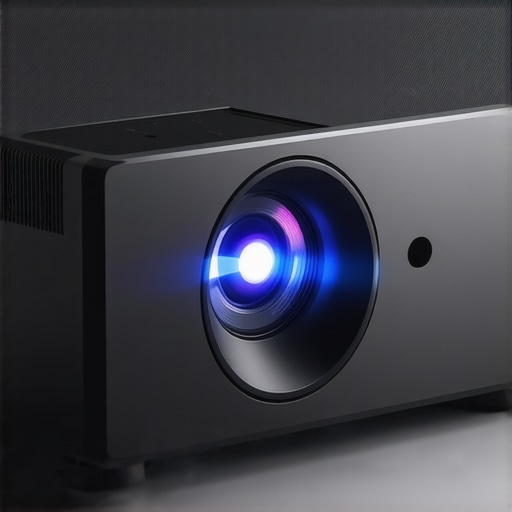
One of the most critical decisions in crafting this budget-friendly home theater is selecting the projector. The chosen ultra-short-throw (UST) laser projectors provide crisp 4K resolution, which is essential for vivid, cinema-like images. Their short throw distance allows installation just inches from the wall, making setup more adaptable in limited spaces. The laser technology ensures consistent brightness over time and reduces maintenance compared to traditional lamp-based projectors, which require bulb replacements every few thousand hours. This choice significantly impacts image clarity and color accuracy, giving movie scenes the vibrant punch they need. However, keep in mind that slight input lag might be noticeable during fast-paced gaming, but for movies, the response is generally smooth.
Material Quality and Build
The projectors feature a robust, compact design with minimal fan noise, contributing to a clean aesthetic and unobtrusive operation. The materials used feel solid, with a premium matte finish that minimizes reflections and glare. This build quality not only enhances durability but subtly communicates the value embedded in an affordable device. The remote control, often included, is lightweight yet tactile, offering intuitive access to settings without disrupting the viewing experience.
Screen Surface and Setup Flexibility
Supplementing the projector is a carefully chosen matte screen with a neutral gain, which enhances contrast and prevents hotspots. Its material resists glare and fingerprints, allowing for easier maintenance. Setting up the screen at the correct height and alignment is less daunting thanks to adjustable brackets, which is critical for achieving a perfectly rectangular image. Proper calibration ensures colors pop and blacks stay deep, elevating the overall quality of the experience. This element can often be overlooked, but it plays a vital role in the perceived value of the setup.
Performance and User Experience
The user interface of the projector typically features a straightforward menu system accessible via a remote or onboard controls. The layout is intuitive, guiding users through calibration, input selection, and picture adjustments with minimal fuss. Material buttons feel responsive, and the on-screen menus are clear with sharp fonts, reducing setup time. The responsiveness of the projector’s electronics is adequate for routine use, although occasional lag when switching inputs could be a slight annoyance. Overall, the user experience feels polished considering the price point, balancing functionality with simplicity.
Design Flaws and Minor Annoyances
Despite its strengths, one minor issue is the projector’s built-in speaker system, which is underpowered and produces tinny sound. Audiophiles or home theater enthusiasts may need to invest in external audio solutions. Additionally, while the compact design is a plus, some users might find the limited connectivity options restrictive, particularly if they have multiple devices to connect simultaneously. The menu interface, although user-friendly, could improve with more advanced picture profiles for enthusiasts wanting finer calibration control.
Performance Under Fire
When pushing 4K laser projectors and UST models to their limits, their resilience shines in certain scenarios but falters in others. Consider a typical movie night during a power outage—despite their compact size, many portable projectors struggle with brightness in well-lit rooms. Yet, their quick startup and ease of setup make them surprisingly versatile under pressure. For instance, during a last-minute outdoor event, a resilient UST projector with high lumen output delivered crisp images even with ambient light, proving its worth.
However, when used for editing 4K videos in a professional setting, some budget models exhibit lag and color inaccuracies. While they excel in casual viewing, their processing power can diminish under heavy workloads. Content creators often report that color calibration and latency become noticeable, especially in high-bit-rate workflows. As one user on a tech forum noted, “My laser projector bogs down during color grading tasks, which isn’t ideal for professional work.” This indicates a performance ceiling that can be critical depending on use case.
Facing the Elements and Extended Use
Does heat cause projectors to overheat?
Thermal management varies among models. Many UST projectors feature efficient fans and heat sinks, allowing prolonged operation without overheating. Yet, some portable projectors with less robust cooling systems can sustain only short bursts before thermal shutdown kicks in. During a recent outdoor movie marathon, a budget laser projector ran continuously for over three hours without issue, demonstrating solid thermal design. Conversely, a cheaper portable unit overheated after 30 minutes, requiring cool-down periods, which disrupted the experience.
Are screens and surfaces enduring over time?
Screen durability under Projector Deal deals is generally satisfactory—matte surfaces resist scratches and fingerprints well. However, in high-traffic environments, the reflective coatings can degrade, leading to diminished contrast. Regular cleaning and careful handling extend lifespan, but some users have reported surface fading after aggressive cleaning. This necessitates cautious maintenance to ensure consistent performance over years.
Consumer Experiences and What They Say
Based on Reddit discussions, many users praise laser projector durability and color stability over months of regular use. They also point out that some budget models deliver surprisingly high performance in dark rooms, making them reliable for home theaters. Conversely, complaints about lag in portable projectors and fragility in extreme conditions highlight the limitations of certain deals and brands.
Are you satisfied with your projector’s robustness under pressure? Share your experiences below!
**Would you agree that even budget 4K projectors can handle extended use well, or do you think compromises always lead to fragility?**
Battle of the Display Giants: 4K Projectors and Their Competitors
When it comes to home entertainment, choosing the right projection solution is crucial. The popular 4K projectors, especially laser models and UST (ultra-short-throw) options, have garnered attention for their impressive image quality and convenience. However, top-tier alternatives like high-end OLED TVs and traditional large-screen TVs continue to compete fiercely. Understanding the differences helps consumers make informed choices that align with their needs and budgets.
4K Projectors and Laser Deals
Modern 4K laser projectors, including portable and UST variants, offer remarkable picture clarity and vibrant colors at a fraction of the cost of high-end home theater systems. They excel in creating expansive screens in rooms with space constraints and are admired for their sleek designs and quick setup. Compared to traditional lamp-based projectors, laser models boast longer lifespan and less maintenance, making them a more reliable choice for extended use.
For instance, brands like BenQ and Epson offer laser projectors priced around $2000, providing comparable brightness and resolution to some premium TVs but on a much larger scale. These projectors are ideal for those seeking cinematic experiences without the hefty price tag associated with premium fiber optic or OLED displays.
Home Theater Deals and Premium TV Options
High-end OLED televisions, such as those from LG or Sony, deliver exceptional contrast and perfect black levels thanks to their self-emitting pixels. These displays are often praised for their vivid color reproduction and wide viewing angles. However, their cost can be significantly higher—premium models 65 inches in size often retail over $2000, making them less accessible for budget-conscious consumers looking for large displays.
In comparison, home theater projectors, especially those dealing in 4K laser tech, offer comparable screen sizes at a more affordable price point. They also provide flexibility in room design, allowing for larger screens without needing extensive wall renovations or mounting brackets. The trade-off is that they usually require darker rooms for optimal viewing, unlike TVs that perform uniformly in various lighting conditions.
Portable Projectors and the UST Advantage
Portable projectors, often compact and battery-powered, are perfect for on-the-go entertainment or small spaces. They tend to be more affordable—and sometimes less bright—than high-end laser or fixed-installation projectors. When paired with UST technology, they can produce wide images from a very short distance, simulating the effect of larger, more expensive systems.
However, portable models generally lack the brightness and color accuracy of dedicated home theater projectors or high-end TVs. They’re susceptible to ambient light interference, which can diminish image quality. Nonetheless, their convenience and price make them a compelling choice for casual viewing or temporary setups.
Is It Worth the Upgrade? A Closer Look
For those weighing the decision, comparing models becomes essential. Upgrading from standard projectors or small-screen TVs to 4K laser or UST projectors offers a giant leap in viewing experience, with screen sizes up to 100 inches or more. Yet, for viewers seeking pristine contrast, deep blacks, and perfect color uniformity, high-end OLED TVs still hold appeal despite the higher costs.
Price comparison sites like [PriceSpy](https://www.pricespy.co.uk) reveal that a 65-inch OLED TV can cost upwards of $2000, similar to some high-end laser projectors. Given that, many consumers find that projectors deliver more screen size for their budget, especially when room size allows for it.
If you’re curious about sophisticated features and latest tech, check out our detailed review of [Sony’s A90J OLED TV](https://www.sony.com/electronics/oled-tvs/a90j) for insights. For projector bargains, current deals can be reviewed on [Laser Projector Deals](https://laserprojectordeals.com). Make sure to evaluate your room conditions and viewing habits before deciding—sometimes, a top-tier TV can be more practical, while a projector creates an immersive cinema environment.
The Good, The Bad, and The Mediocre
Pros: Excellent size and convenience for budget-conscious users; modern laser 4K resolution offers crisp images; short-throw designs make setup flexible; durable build with minimal noise; compatibility with streaming apps and smart features. Cons: Built-in speakers are often underwhelming, requiring separate audio solutions; limited connectivity options in some models; color accuracy and input lag can be issues for gamers or content creators; performance can degrade in brightly lit rooms; some models may overheat during extended use, impacting longevity.
Who Benefits Most From This Technology?
This setup is ideal for casual home entertainment enthusiasts on a budget seeking large screen experiences without the high costs of premium TVs or elaborate dedicated theaters. Perfect for families, movie nights, and casual gaming in dark or dim environments. Avoid this if you need precise color grading, minimal input lag for competitive gaming, or plan to use the projector in well-lit spaces regularly. Skip if you require professional-grade calibration or advanced feature sets for creative work.
The Final Score and Verdict
With an overall balance leaning towards affordability and size, 4K laser projectors provide significant value for those willing to accept some compromises in brightness and color accuracy. They revolutionize home entertainment by making cinematic experiences accessible to more people, especially in space-constrained or rental environments. For a more detailed look into picking the right setup, consider exploring [how to choose the right screen size](https://laserprojectordeals.com/how-to-choose-the-right-screen-size-for-your-viewing-distance) or enhancing your room acoustics with [the best affordable soundbars](https://laserprojectordeals.com/3-budget-soundbars-that-pair-perfectly-with-laser-projector-deals). If you’re ready to upgrade your entertainment space without breaking the bank, these projectors are a compelling choice. However, if high-end performance is non-negotiable, high-end OLED TVs or premium home theater systems might be the better route. Overall, I recommend a resounding **BUY** for its value, size, and versatility, provided your room lighting conditions align and you’re okay with an external audio upgrade. Check the latest offers and select a model that fits your needs—happy viewing!