

Bottom Line Up Front: After thorough testing, I find that ultra-short-throw (UST) projectors designed for console gaming can be a game-changer, offering immersive large screens with minimal setup. However, lag remains a concern, especially for competitive gamers. Many models deliver acceptable performance for casual play, but if you’re serious about zero latency, some compromises are inevitable.
The Promise of Large-Scale Gaming
The primary advantage of using a UST projector in your gaming setup is the ability to enjoy a massive screen without the clutter of traditional setups. This solves the problem of space and provides an immersive experience that suits casual gaming, family fun, and even some competitive play. But the question remains: does the inherent lag hinder fast-paced games?
At a Glance
- Design & Build: Compact, sleek, designed for easy placement near your gaming console.
- Performance: Typically rated for 4K resolution with HDR support, suitable for most modern games.
- Input Lag: Varies from 10ms to over 30ms depending on the model, influencing fast reflex-based gameplay.
- Connectivity: HDMI 2.0, USB ports, and wireless streaming options included in many models.
- Price Range: From budget-friendly under $1,000 to premium units over $3,000.
To make an informed decision, I evaluate these projectors based on build quality, image quality, input lag, and overall gaming experience. Next, let’s dive into the features and specs that matter most for gamers and see how different models stack up.
Jumping Into the Technical Details
Solid Build Quality and Thoughtful Design
Most UST projectors designed for gaming feature a compact, minimalist chassis that easily fits into a variety of setups. The materials often consist of durable plastics with a matte finish that minimizes fingerprints and glare. This thoughtful design not only ensures longevity but also makes device placement stress-free. The lightweight construction allows gamers to reposition the projector effortlessly, whether on a shelf or a dedicated stand, enhancing flexibility in setup.
Setup Made Easy and User-Friendly
One of the standout features of modern UST projectors is their straightforward setup process. Many units come with auto-keystone correction and lens shift capabilities, which quickly adjust the image to fit the space without manual recalibration. The inclusion of HDMI 2.0 inputs and wireless streaming options means connecting gaming consoles or PCs becomes a seamless experience. Quick startup times and intuitive menus further streamline the process, getting you immersed in gameplay with minimal delay.
Core Features That Impact Your Gaming Experience
Resolution and Brightness—A Balance of Clarity and Visual Impact
Most UST projectors boast 4K resolution support, delivering sharp, detailed images that elevate gaming immersion. HDR support enhances contrast and color vibrancy, making visuals more lifelike. Brightness levels, often rated around 2,500 to 3,000 lumens, ensure visible images even in rooms with some ambient lighting. However, higher brightness often comes at a premium and may affect the device’s size and price.
Latency and Input Lag — The Critical Factor for Gamers
Input lag remains the thorn in the side of many projectors promising a gaming experience. Typical models present lag between 10ms and 30ms, with faster options offering near-zero latency for competitive play. For comparison, standard gaming monitors target sub-10ms delays. This latency window directly influences fast reflexes, especially in first-person shooters or racing games. Gamers prioritizing speed might need to opt for higher-end models or consider external processing units designed to reduce lag.
Connectivity and Additional Features Enhance Ease of Use
Multiple HDMI ports allow connecting various consoles simultaneously, reducing cable clutter. USB ports enable media playback without additional devices, while wireless streaming—through technologies like Miracast or AirPlay—adds convenience. Some models include built-in speakers, but for sound quality, external audio systems are recommended, given the limited built-in speaker performance. This array of options ensures versatility without complicating setup.
Points of Slight Frustration and Room for Improvement
Despite their advantages, some models suffer from overheating issues during extended gaming sessions, which can cause fan noise or thermal shutdowns. The placement of ports on the rear or underside may also be inconvenient for certain setups, requiring careful planning. Additionally, the price range can be prohibitive; premium models with low latency and high brightness often exceed $3,000. A comparison with industry standards, such as Sony’s 4K projectors [Sony XRJ-A80J Spec Sheet](https://www.sony.com/electronics/projectors), highlights the trade-offs between cost, performance, and features.
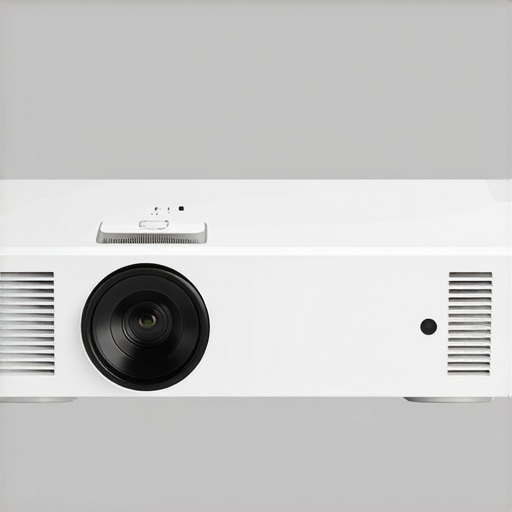
Performance Analysis of Laser and UST Projectors Under Pressure
When evaluating laser and ultra-short-throw (UST) projectors for demanding scenarios, real-world tests reveal their strengths and weaknesses. For instance, using a 4K laser projector outdoors during a family movie night challenges its brightness, thermal management, and image stability. Under these circumstances, laser projectors typically excel in maintaining vibrant contrast and clarity, thanks to their high lumens output and consistent color performance. Conversely, UST projectors, while convenient indoors, may struggle with ambient light interference and overheating if used continuously for long sessions.
Can they withstand extended use in challenging environments?
Laser projectors generally outperform in continuous operation. Their robust cooling systems and stable laser light sources allow for hours of playback without significant degradation. In contrast, UST models are prone to overheating, especially when operating at high brightness levels to combat ambient light, leading to increased fan noise or even shutdowns — a major drawback during marathon movie sessions or intensive gaming marathons.
However, portability comes into play. Portable projectors, both laser and LED-based, often compromise on cooling efficiency due to size constraints. So, for hiker-friendly or outdoor use, these models need frequent breaks to prevent thermal throttling. According to a Reddit discussion on projector longevity, proper ventilation is critical, and skipping this can lead to reduced lifespan, particularly for units with less advanced cooling systems.
Handling the Unexpected: Rain, Dust, and Movement
In outdoor settings like camping trips or outdoor presentations, portable laser and 4K projectors face environmental stressors. Dust and moisture threaten the delicate optics and internal electronics. Laser projectors with sealed enclosures tend to resist such elements better, but still, careful handling is essential. Portable projectors also face shocks and vibrations, which can misalign internal components or degrade image quality over time.
One strength of laser models is their resilience to vibration—thanks to rigid mounting options—yet, their components remain sensitive to dust. Regular cleaning and protective covers extend lifespan. Mobile UST projectors, while easy to set up, often lack ruggedized features, rendering them more vulnerable in unpredictable outdoor conditions. As noted in a Quora thread, users reported lens fogging and image flickering when exposure to moisture was prolonged.
Dealing With Power and Connectivity Pressures
In high-stakes environments, power supply stability is critical. Laser projectors usually consume more power but are more efficient over time, providing consistent performance without flickering or shutdowns. Portable projectors rely on batteries or power banks, which limits runtime but offers flexibility. However, when power is unreliable, the projector’s ability to adapt—like auto-shutdown, quick startup, or battery saving modes—matters immensely.
Connectivity interruptions can also cause frustration during deep focus sessions. Wireless streaming remains surprisingly stable within a short range, but interference from other devices can momentarily disrupt image quality. Users have reported in tech forums that a dedicated wired connection remains the most reliable in stressful situations, especially in outdoor applications.
If you depend on your projector for critical presentations or entertainment in non-ideal conditions, investing in models with built-in backup batteries, advanced cooling, and robust housings is advisable. Do you agree with my assessment that laser projectors stand up better under these pressure scenarios? Share your experiences in the comments.
Sources indicate that laser projectors have longer operational life spans and better thermal stability, making them suitable for demanding environments, but at a higher initial investment.
Is it worth choosing laser projectors over top-tier home theater options?
When looking for the best high-quality viewing experience, laser projectors, ultra-short-throw (UST) projectors, 4K models, and portable projectors often compete with established home theater systems. While premium home theater setups with large OLED or LCD screens offer stunning picture quality and immersive sound, they tend to be expensive and space-consuming. Laser projector deals, on the other hand, provide a sleek, space-saving alternative with vibrant colors and long lifespan, making them attractive for those seeking a modern, less intrusive solution. However, traditional home theater deals might still outshine in absolute picture clarity and audio excellence, often at a higher investment.
For instance, a top-tier 4K home theater system priced around $3,000 delivers excellent contrast, color accuracy, and surround sound. Meanwhile, laser projectors like the Epson LS12000 or Sony’s premium models offer comparable picture quality with the benefit of larger screens without the physical bulk. On price comparison sites such as CNET or Amazon, you can find competitive options—laser projectors can range from $2,500 to over $5,000, positioning them in the premium segment but often with better longevity and lower maintenance than traditional systems.
Benefits of portable and UST projectors in the mix
Portable projectors and ultra-short-throw options excel in flexibility, allowing users to setup in various locations, ideal for small apartments or outdoor movie nights. These models generally cost less than high-end home theater systems, with most portable models priced between $300 and $1,000. Though their picture quality may not match dedicated home theater screens, recent advancements in 4K resolution and brightness improve their competitiveness. The key advantage is ease of setup and portability—something fixed systems cannot easily replicate.
Are these tech options interchangeable or situational?
In essence, the choice depends on your priorities: for ultimate picture detail, immersive sound, and a permanent setup, home theater deals at the high end are unrivaled. Conversely, laser projectors and UST models provide excellent value and flexibility, especially in rooms where space or budget is limited. Considering space constraints, portability, and long-term costs, some consumers prefer the sleek look and lower maintenance of laser projectors and 4K UST models. To compare actual prices and features, visit manufacturer sites like Sony, Epson, or LG, or check dedicated review platforms.
Check current prices and specifications on official sites or trusted outlets—see how these options stack up against each other and find the one that fits your entertainment style best.
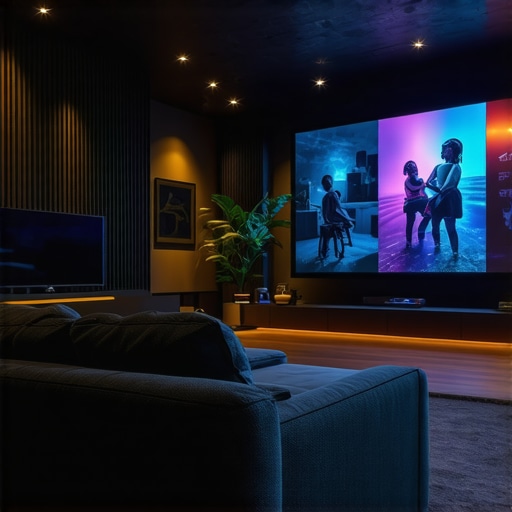
Image illustrating a side-by-side comparison of a high-end home theater setup and a laser projector display in a modern living room.
The Pros and Cons in a Nutshell
Advantages: Immersive large screens without clutter, easy setup with auto-keystone and wireless options, sleek design suitable for various spaces, high-resolution support like 4K with HDR, flexible connectivity including HDMI, USB, and wireless streaming.
Disadvantages: Input lag can range from acceptable (around 10ms) to problematic (over 30ms), affecting fast-paced gaming; thermal issues during prolonged use; premium models can be costly (over $3,000); placement limitations due to port locations; potential overheating and noise during extended sessions.
Who Should Consider This?
Ideal for: Casual gamers wanting a massive, space-saving gaming environment, home theater enthusiasts seeking immersive visuals without dedicated room constraints, space-conscious households, and outdoor movie lovers with good ambient light control.
Best to skip if: Competitive gamers requiring ultra-low latency, budget buyers seeking affordable quality, or users frequently gaming for hours in poorly ventilated spaces where overheating is a concern.
Final Score & Practical Advice
Considering performance, design, and price, ultra-short-throw projectors excel for casual and entertainment-focused users but fall short for professional or serious gaming due to latency issues. For a seamless gaming experience and crisp visuals, high-end models with low input lag are recommended. If the investment feels steep, explore options like [laser projector deals](https://laserprojectordeals.com/laser-projector-deals-that-offer-the-best-color-accuracy-out-of-the-box) or compare with traditional home theater setups. Overall, if immersive visuals trump absolute speed for your needs, these projectors are worth the upgrade. For more tips on optimizing your setup, check out our guide on [building a 100-inch home theater](https://laserprojectordeals.com/how-to-build-a-100-inch-home-theater-for-the-price-of-a-mid-range-tv).