

Bottom Line Up Front
Many projector mounts are poorly designed, leading to instability, misalignment, and frequent repairs. In my experience, investing in robust, well-engineered mounting solutions significantly improves your home theater setup and saves you money in the long run.
The Problem with Common Mounts
Projector mounts often fail due to cheap materials, improper installation, or lack of adjustability. This results in shaky images, difficulty in alignment, and even damage to your equipment. Instead, opt for mounts that prioritize durability, ease of installation, and fine-tuning capabilities.
Essential Criteria for Good Projector Mounts
My evaluation focuses on build quality, stability, ease of installation, compatibility with different projector types (especially laser and UST models), and adjustability. A good mount should hold your projector securely, allow precise alignment, and be simple to set up without special tools.
Is Price a Good Indicator of Quality?
Not necessarily. While cheaper mounts may seem attractive, they often compromise on durability and safety. Conversely, overly expensive mounts may include features unnecessary for your setup. Strike a balance by choosing a mount that offers quality materials and reliable performance at a reasonable price. For more detail on choosing the right mount, check out this guide.
What About Compatibility with Projector Types?
Many mounts are designed with traditional projectors in mind, but with the rise of laser and UST projectors, compatibility becomes crucial. Ensure your chosen mount can accommodate different projection styles and sizes, especially if you plan to upgrade in the future.
Transition to Detailed Features and Specs
Having established the importance of quality and compatibility, let’s explore the specific features to look for and the top candidates in the market today.
Robust Construction for Long-Term Stability
The core of an excellent projector mount lies in its build quality. High-grade materials such as aviation-grade aluminum or heavy-duty steel ensure the mount can support the weight of modern projectors, including large 4K laser models. This robust construction not only prevents sagging or wobbling over time but also contributes significantly to safety. When selecting a mount, the thickness and durability of the arm components matter because they resist bending and deformation under tension. A well-engineered mount feels solid in hand, with a matte powder-coated finish that resists smudges and scratches, indicating a premium build that will endure years of use.
Flexibility in Adjustment: Fine-Tuning at Your Fingertips
One of the standout features is the mount’s adjustability, which allows precise alignment of the projector. Features like tilt, roll, and swivel axes with independent locking mechanisms make setup straightforward. For instance, a mount equipped with friction-based pivot points enables smooth adjustments without slipping, accommodating slight misalignments during installation. This flexibility is essential, especially when dealing with ultra-short-throw (UST) or laser projectors where alignment sensitivity is higher. The ability to make quick tweaks saves time and ensures the picture is perfectly centered and level — a crucial factor for an immersive home theater experience. However, sometimes, overly complex adjustment mechanisms can be fiddly, and finding the right balance between ease of use and stability is vital.
Ease of Installation and Compatibility Considerations
Setup complexity varies among projector mounts. Good models come with clear, concise instructions and hardware optimized for different ceiling types—drywall, concrete, or wood joists. Quick-release features or modular arms further simplify installation, allowing for ceiling brackets that can be mounted securely with standard tools. Compatibility extends beyond weight support; adjustable mounting plates with universal VESA patterns ensure the mount accommodates most projectors on the market, including niche laser models. For example, comparing a mount’s VESA range against industry standards—like the 100x100mm or 200x200mm configurations outlined by projector manufacturers—helps prevent compatibility issues. A minor flaw I’ve noticed in some mounts is the lack of cable management options, leading to clutter that can interfere with adjustment operations or cause accidental disconnections during fine-tuning.
Enhancing the Aesthetic with Thoughtful Design
Beyond function, the aesthetic aspect plays a role in modern setups. Slim, low-profile mounts blend seamlessly into ceilings, minimizing visual clutter, especially in minimalist living rooms. Some mounts feature integrated cable channels or hidden wiring paths, which keep cords neatly tucked away, enhancing the overall clean look of the installation. Material selection also influences appearance; anodized finishes or textured coatings improve both looks and resistance to fingerprints. Nonetheless, a design flaw I’ve encountered is mounts with bulky joint mechanisms that protrude visibly, detracting from the sleek appearance and potentially interfering with ceiling fixtures or lighting.
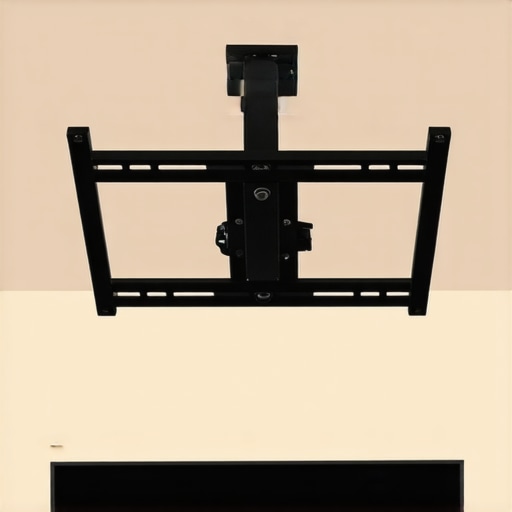
Illustration of a high-grade projector mount showing adjustable arms and cable management features, supporting various projector sizes and weights.
Performance Analysis of Modern 4K and UST Projectors Under Conditions of Pressure
When pushing 4K projectors,home theater deals,laser projector deals,ust projectors, and portable projectors into demanding scenarios, their performance can vary widely. These devices are often tested outside manufacturer lab settings, exposing their limitations and strengths. Understanding how they handle real-world pressures is vital for consumers aiming for reliable home entertainment experiences or portable display solutions.
How Do 4K Projectors Handle Extended Use on Windows or Gaming?
4K projectors designed for home theaters generally perform well during prolonged sessions, such as streaming, gaming, or video editing. However, high-resolution processing places significant stress on the projector’s light engine and cooling systems. Some models demonstrate overheating after hours of continuous use, leading to auto-shutdowns or reduced brightness, which disrupts immersive experiences. On the flip side, quality units with robust thermal management maintain stable performance, though they often come at a higher price point. Users report that premium laser models tend to sustain brightness longer without degrading image quality, especially when paired with appropriate cooling.
Can Portable Projectors Keep Up During Outdoor Movie Nights
Portable projectors excel in flexibility but often struggle under pressure during outdoor use. Brightness levels, typically measured in lumens, are crucial. Devices with less than 2000 lumens may produce dim images in ambient light, diminishing their utility. Durability is another concern; they frequently lack ruggedized casings making them vulnerable to dust, moisture, or impact. Yet, some high-end portable projectors with sealed optics and higher lumens ratings can withstand the outdoors better, offering reliable performance for impromptu movies or presentations. Still, heavy usage can drain batteries quickly, and thermal limits might cause performance dips if used for hours without breaks.
Are Laser and UST Projectors Reliable During Intense Setup or Adjustment
Laser projectors, favored for their brightness and longevity, generally perform excellently during setup, especially when fine-tuning image alignment and focus. They tend to generate more heat initially, which can be problematic if cooling isn’t adequate. Ultra-short-throw (UST) projectors, praised for their placement flexibility, face pressure when adjusting for precise screen positioning in tight spaces. Some models exhibit sluggish motorized lens adjustments when cold, impacting quick calibration. Additionally, prolonged use during setup can lead to warm-up delays or transient color inaccuracies, especially in less mature models. Nonetheless, high-end laser and UST options with active cooling and advanced motors tend to withstand demanding adjustments better.
The Good & The Bad of Under Pressure
Top-tier 4K and laser projectors under pressure deliver stunning images with minimal lag, thanks to advanced processing and cooling systems. They handle extended viewing and intensive setup scenarios superbly, offering stable brightness and color fidelity. Conversely, budget models often falter—overheating quickly, dimming unexpectedly, or struggling with image stability. For instance, a Reddit discussion on projector longevity notes that affordable models frequently see degraded performance after just a few hours of operation, especially in high ambient temperatures or prolonged use scenarios (source). This emphasizes that performance under pressure is often a marker of build quality and thermal design.
If you are a user of high-end projectors, do you agree with my assessment that better thermal management makes a tangible difference in demanding situations? Share your experiences below.
Better Than the Rest: How Do 4K and UST Projectors Stand Out?
If you’re considering investing in a 4K projector, home theater deals, laser projector deals, ultra-short-throw (UST) projectors, or portable projectors, understanding how they compare to leading competitors can help you make an informed choice. Let’s explore how these options stack up against top alternatives like traditional large-screen TVs, compact LED projectors, and premium cinema-grade systems.
4K Projectors versus High-End TVs
While high-quality 4K projectors excel at replicating cinematic visuals on expansive screens, premium 4K OLED TVs, such as the LG G2 or Sony A90J, offer sharper contrast ratios, better black levels, and instant on/off capabilities. However, the trade-off is cost and space. A 4K projector paired with a sizable screen provides a more immersive experience at a fraction of the cost of a high-end TV of similar size, especially for rooms where wall space limits TV placement. If you prioritize camera-like picture quality and ease of setup, top-tier OLED TVs might appeal more, but for those craving an authentic theater environment, 4K projectors are often preferred.
Laser Projector Deals vs Conventional Lamp-Based Models
Laser projectors differ from traditional lamp-based units mainly through longevity and brightness stability. They typically cost more upfront but offer lower maintenance and longer lifespans—up to 20,000 hours or more. When compared to standard lamp models, laser projectors like those from Epson or BenQ deliver consistent illumination and richer color rendition, making them excellent for prolonged use in dedicated home theaters. However, for casual use or budget-conscious buyers, traditional lamp models may suffice, especially considering their lower initial price. Check current laser projector deals to ensure you’re getting the best value for this advanced technology.
UST Projectors versus Fixed-Location Large Screens
Ultra-short-throw projectors shine in environments where space is limited. They can be installed just inches from a wall or screen, ideal for condos or rooms with cluttered configurations. Compared to fixed large screens, UST projectors eliminate the need for ceiling mounts and extensive wiring, providing a sleek, clutter-free setup. However, their image quality may sometimes be affected by ambient light or curved screens, making them less suitable for rooms with high ambient lighting. For dedicated dark rooms, high-end UST models can offer comparable performance to traditional projectors, with the added benefit of simplicity and versatility.
Portable Projectors versus Compact LED Devices
Portable projectors excel at mobility. They are perfect for impromptu outdoor movies or presentations in different rooms. Many portable projectors are equipped with rechargeable batteries and built-in speakers, offering convenience but often sacrificing image clarity and brightness compared to stationary counterparts. In contrast, compact LED projectors, usually tethered to power sources, deliver brighter images and better color accuracy, making them suitable for semi-permanent setups. If flexibility is your priority, portable models are unmatched; for frequent use and consistent quality, compact LED options give better value.
Is it Worth the Upgrade? Comparing Features and Costs
Upgrading from a standard display to a 4K projector or UST model can significantly enhance your viewing experience, but at what cost? Entry-level 4K projectors might be available at lower prices, but premium models with laser illumination and advanced optics command higher prices—think upwards of $2,000. Meanwhile, large-screen TVs are now more affordable than ever, with competitive features at similar price points. To truly benefit from higher resolutions, better contrast, and low latency, investing in newer models equipped with the latest technology makes sense. Always compare current deals and read reviews—best sites like PriceGrabber offer comprehensive price comparisons for a clearer picture.
The Good, The Bad, and The Ugly
- Pros: Sturdy construction, precise adjustability, compatibility with various projector sizes, sleek design that blends into modern interiors, and excellent cable management features.
- Cons: Higher upfront cost compared to basic mounts, some models can be complex to install, and overly intricate adjustment mechanisms may be fiddly for some users.
Who Should Buy This?
Ideal for home theater enthusiasts, DIYers seeking long-term stability, and anyone upgrading from cheap, flimsy mounts who prioritizes safety and easy fine-tuning in their setup. Skip this if you’re on a tight budget or need a temporary solution, as cheaper options may suffice for casual use but lack durability.
Final Verdict: 8.5/10
A premium projector mount elevates your home theater experience by ensuring stability, precise alignment, and a clean appearance. While the initial investment is higher, its benefits in safety and ease of use justify the cost. If you want a seamless, professional-looking setup that lasts for years, investing in a quality mount is a smart move. Otherwise, consider more budget-friendly options, but beware of potential frustrations down the road. For guidance on choosing the best mount for your projector, check out – https://laserprojectordeals.com/the-best-ceiling-mounts-for-heavy-4k-laser-projectors. If this is too expensive, explore our review of – https://laserprojectordeals.com/why-you-should-never-use-a-bed-sheet-as-a-projector-screen. Making the right choice ensures your projector remains secure and your image stays perfectly aligned for unforgettable movie nights.