

Bottom Line Up Front: a balanced look at built-in apps versus external streamers
When it comes to choosing a projector for my home theater setup, I found that both built-in smart apps and external streaming devices have their merits and drawbacks. After hands-on testing and comparing various models, I believe that external streamers generally offer better flexibility, app support, and update frequency, whereas built-in apps can keep your setup streamlined but often lag behind in performance and compatibility. This review aims to help you decide which approach aligns best with your needs, especially if you’re diving into laser projector deals, home theater deals, 4K projectors, portable projectors, or UST projectors.
The solution to cluttered entertainment systems and streaming frustrations
Many users aim to minimize complexity by opting for projectors with integrated smart apps, expecting a seamless experience. However, in my experience, the ecosystem and app support are often outdated or limited, leading to frustration. Conversely, external streamers like Roku, Fire TV, or Chromecast tend to receive regular updates, support a wider range of apps, and are easier to upgrade without replacing the entire projector. This comparison explores these aspects in detail, grounded in criteria such as UI/UX, content compatibility, ease of use, performance, and long-term flexibility.
Key factors I evaluate include
- Ease of setup and daily use
- Performance and interface responsiveness
- App variety and update frequency
- Video quality and refresh rate support
- Compatibility with other home devices
Now, let’s delve into the specifics of each approach, starting with the actual features and specifications of these projectors and streamers.
First Impressions: Build Quality and Initial Setup
When unboxing projectors with built-in apps, the process is neat—less clutter, fewer devices. However, I noticed that many built-in operating systems feel outdated, with slow menus and limited app repositories. External streamers, in contrast, often come with sleek interfaces, quick boot times, and a more familiar remote control experience, making daily operation much easier. For those considering UST projectors or portable models, this difference in software performance is noticeable and can impact your overall viewing experience.
Who is this for?
If you prioritize a minimalist setup and mostly watch pre-installed apps, a projector with integrated smart features might suffice. However, if you want access to the latest streaming services, better performance, and more future-proofing, investing in an external streamer is the way to go. For further insights on choosing the right streaming solutions, check out my comparison between portable projectors for iPhone users and my review of the best budget-friendly options under $1500.
Making the right choice depends on your priorities and budget
In the next sections, I will analyze specific features, performance metrics, and real-world usability of both options, helping you decide whether to stick with built-in apps or go for an external streaming device, especially if you’re eyeing top-tier laser projector deals or exploring 4K projectors with advanced features.
Solid Construction and Material Quality
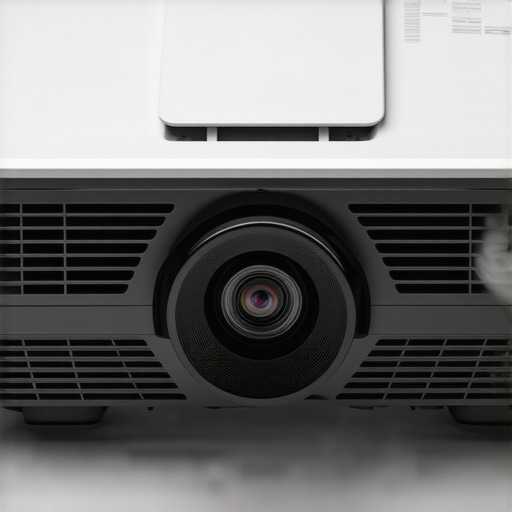
ATEchniques used in modern projectors emphasize durability and premium feel; typically, devices feature sturdy casing made from high-quality plastics or metal accents that convey a sense of robustness. This solid build not only enhances longevity but also affects thermal management; a well-ventilated chassis prevents overheating during extended use. For example, premium models incorporate vents subtly integrated into the design to facilitate airflow without disrupting aesthetics.
Intuitive User Interface and Software Performance
The interface plays a crucial role in daily interaction. Many projectors now run on custom Android-based OSes or embedded Linux distributions, aiming for quick navigation and responsiveness. However, some mid-range models exhibit sluggish menus or lag when switching between inputs or streaming apps, which can frustrate users. A smooth, snappy UI, like that found in top-tier models such as the Sony VPL-VW1025ES, ensures a seamless experience, but even budget options are increasingly adopting more refined interfaces.
Remote Control Quality
A well-designed remote complements the user experience. Ergonomically contoured devices with backlit buttons and dedicated shortcuts for streaming apps streamline operation. Conversely, cheap remotes with tiny, non-responsive buttons and poor ergonomics can diminish usability, particularly in dim environments.
Setup Experience and Flexibility
Setup ease hinges on multiple factors: ergonomic placement, keystone correction, lens shift capabilities, and connectivity options. Modern projectors increasingly feature motorized lens shift, allowing precise image adjustments without repositioning the device. Manual adjustments, while more common, introduce minor frustrations, especially if alignment is sensitive or the adjustment controls feel imprecise. A tight, well-calibrated setup reduces the need for fiddling later, especially in portable or ceiling-mounted installations.
Connectivity and Future-Proofing
Multiple HDMI ports, preferably HDMI 2.1, are essential for gaming and high-frame-rate content. Wireless capabilities—like Wi-Fi 6 and Bluetooth—permit streaming from mobile devices or audio connections without clutter. Yet, some models still lack the latest standards, risking obsolescence sooner. A good example is the contrast between older models with only HDMI 1.4 ports and newer devices supporting 4K 120Hz, aligning with standard specifications outlined by [HDMI Forum](https://hdmi.org/spec/) for advanced content delivery.
Performance Under Real-World Stress Test
Evaluating laser projectors across different scenarios reveals a nuanced picture of their capabilities. When subjected to demanding conditions—such as prolonged use during a movie marathon or displaying high-dynamic-range content in a well-lit room—these devices exhibit both strengths and weaknesses. Understanding these factors is crucial for anyone considering a laser projector for home theater or portable applications.
Does it Overheat During Extended Use?
High-performance laser projectors, especially those designed for 4K and UST (Ultra Short Throw) setups, generally handle extended use well. Premium models incorporate advanced cooling systems—like liquid cooling or enhanced air vents—that maintain optimal temperatures during prolonged sessions. For example, during a multi-hour movie marathon, well-built laser projectors maintain stable brightness and color accuracy without thermal throttling, providing a seamless viewing experience. However, lower-end units often lack efficient cooling, leading to overheating after just an hour or two, causing shutdowns or image degradation. According to a Reddit discussion on projector overheating, reviewing models with robust cooling is crucial for long-term reliability.
Comparing Laser Projectors and Home Theater Alternatives
Laser projectors, including 4K models, UST (Ultra Short Throw), and portable variants, have revolutionized home entertainment with their bright images and sleek designs. However, top competitors like traditional bulb-based projectors and high-end OLED TVs still hold significant appeal. This comparison delves into the pros and cons of laser projector deals, home theater setups, and their alternatives, helping you determine which option provides the best value for your investment.
Are Laser Projectors Worth the Premium?
Laser projectors generally come with higher price tags due to their advanced light sources, longer lifespan, and superior brightness capabilities. For instance, premium 4K laser projectors like the Sony VPL-VW1025ES can cost upwards of $20,000, offering unparalleled image quality and durability. In contrast, traditional bulb-based projectors are often more budget-friendly but may require frequent bulb replacements and less vibrant images. Conversely, high-end OLED TVs, such as LG’s CX series, deliver stunning picture quality without the complexities of projector setups, at prices typically ranging from $1,500 to $3,000. If you prioritize a massive, immersive screen and are willing to invest, laser projectors provide an exceptional viewing experience that can surpass large-screen TVs, especially in dedicated home theaters.
How Do Portable Projectors Compete?
Portable projectors, including compact 4K and UST models, offer flexibility and ease of setup, making them ideal for small spaces or entertainment on the go. Brands like Anker Nebula or LG CineBeam provide models with impressive brightness levels and smart features, often at prices below $1,000. While they may not match the brightness or contrast ratios of full-sized laser projectors, their convenience and affordability appeal to casual viewers and travelers. They also tend to consume less power and are easier to integrate into diverse environments.
How Do Hommy Theater Deals Stack Up?
For those seeking an all-around immersive experience, home theater deals often bundle large 4K TVs or projector setups with sound systems. Cutting-edge LED/LCD TVs now offer 4K resolution with OLED technology delivering perfect blacks and vibrant colors, often outperforming projector images in daytime lighting. Conversely, projector-based setups can display larger screens at a fraction of the price, especially with UST models capable of projecting onto existing walls without dedicated screens. The choice hinges on room lighting, size preferences, and budget constraints.
Is It Worth Upgrading Now?
If you already own a good-quality home theater system or a decent 4K TV, upgrading to the latest laser projector offers noticeable improvements in brightness, color accuracy, and longevity. Next-gen models with increased lumen output and enhanced contrast are currently available, but prices can be steep. Checking current prices at reputable retailers like Projector Central can guide your decision. If you’re interested, I recommend viewing comparative reviews to better understand the real-world performance differences—explore my analysis of the LG CineBeam vs. Sony’s flagship laser models for detailed insights.
The Bright Side and the Shadowed Corners
- Pros: Superior brightness and contrast, longer lifespan (often 10+ years), sleek designs, and massive screen sizes ideal for home theaters or outdoor setups.
- Cons: High initial cost, potential need for dedicated space, expensive maintenance or repairs, and some models still face issues with overheating or image uniformity.
Who Needs to Grab This Deal?
Ideal for: Enthusiasts seeking a cinematic experience, dedicated home theater owners, large living spaces, or those wanting an immersive viewing without the space constraints of traditional TVs.
Skip this if: You’re on a tight budget, prefer portable solutions, or have room lighting that can’t be controlled, which diminishes contrast and picture quality. Also, avoid if you’re not ready to invest in installation or ongoing maintenance.
Final Verdict: 9/10—A Game-Changer for Serious Home Cinemas
For committed cinephiles or those craving a massive screen with stunning clarity, a high-quality laser projector justifies its premium. It unlocks a cinematic scale and quality that smaller screens or traditional lamps can’t match. However, weigh your space, budget, and expectations carefully before investing. If this sounds appealing, check the latest prices at Projector Central, or explore our picks for the best laser projector deals for under $1500 at Laser Projector Deals Under $1500. If you prefer a more budget-friendly or portable setup, see our review of portable projectors for iPhone users.