

Bottom Line Up Front
If you’re new to home theater setups, selecting an all-in-one package can be daunting. Based on build quality, ease of setup, performance, and value for money, I find that many beginner-friendly options deliver decent quality but often fall short on sound and future-proofing. Overall, some packages offer a great introduction to home theater, but be prepared for compromises.
The Problem These Packages Solve
For newcomers, piecing together a home theater system can be complex and overwhelming. All-in-one packages aim to simplify the process by providing everything needed in a single, cohesive unit. They promise an easy start without requiring technical expertise or multiple purchases, making home entertainment accessible to everyone.
First Impressions and Initial Thoughts
Most of these home theater kits arrive packaged neatly, with clear instructions. The build quality varies, with some components feeling plasticky but functional, and others surprisingly sturdy. Setting up typically involves connecting the main unit to a TV and positioning speakers around the room. While some kits are plug-and-play, others require more calibration to optimize sound and image.
Who Is This for?
These packages are ideal for casual viewers, small apartments, or those just starting with home entertainment. If you’re looking for a straightforward upgrade from regular TVs and want immersive sound without the hassle of separate components, these kits are worth considering. However, audiophiles or cinephiles seeking cinema-grade quality might find them lacking.
What Makes or Breaks the Experience
Performance largely depends on the quality of the speakers and the projection or display technology included. Sound quality often disappoints (thin, lacking bass), and the display options may be limited to basic projectors or screens with subpar resolution. Ease of use is generally good, but calibration features vary, impacting picture quality at different lighting conditions. Budget constraints often dictate the overall experience, so choose carefully based on your room size and expectations.
Are Home Theater Packages Overpriced?
While some deals seem attractive, it’s worth comparing prices to standalone components or custom setups. For example, a 4K projector combined with a soundbar might offer better flexibility and performance for the same price. Check out detailed specs, such as Lumens for projectors or speaker wattage, on the spec sheet before buying. Often, these kits are not necessarily cheaper, but they do save time and reduce complexity.
Next Steps
In the following sections, I will delve into the key features, technical specifications, and real-world performance of some popular home theater packages. My aim is to help you make an informed decision tailored to your needs and budget.
Solid Build Quality with Room for Improvement
The core units of these home theater packages often feature a plastic exterior with a matte finish, which makes them lightweight and easy to handle, but sometimes feeling less durable over time. A sturdy chassis is crucial because it protects sensitive electronic components and contributes to a premium feel. For instance, some high-end models incorporate metal accents and reinforced panels that not only enhance durability but also give a sleek, modern aesthetic. The quality of speaker materials varies as well; while some include rigid, composite cones that deliver crisp sound, others rely on cheaper foam diaphragms that may distort easily.
Setup Flexibility and User Interface Design
Ease of setup is paramount for beginners. Most kits include clear, step-by-step instructions, yet the actual process can differ. Systems that offer an automatic calibration feature can save a lot of time, ensuring optimal sound distribution throughout the room. For example, using room microphones to adjust equalization dynamically helps compensate for acoustical quirks. The user interface—whether a remote control, mobile app, or onboard buttons—must be intuitive. A well-designed interface minimizes confusion, featuring large icons and responsive controls. However, some kits rely on outdated IR remotes with small buttons, which can be frustrating in low-light situations.
Performance of Audio Components
Sound quality is a core factor, and it hinges on the wattage, driver size, and speaker configuration. Larger drivers with higher wattage generally produce richer bass and clearer highs. For example, a package with 100W speakers tends to be more immersive than one with 50W, especially in larger rooms. However, wattage alone doesn’t guarantee quality; the tuning and materials matter equally. Some systems incorporate bass radiators or dedicated subwoofers to enhance low frequencies without distortion. The placement of speakers, often a balancing act, influences the overall surround sound experience—the right positioning can create an enveloping audio environment even with modest components.
Display Integration and Visual Performance
Many packages include a projector or a small TV panel. The choice of display impacts the viewing experience significantly. Brightness, measured in lumens, determines visibility in well-lit rooms, with 2,000+ lumens being ideal for daytime viewing. Resolution affects sharpness; 4K devices are now standard, but cheaper models often scale images from 1080p sources, leading to a less clear picture. HDR support adds depth to colors, making scenes more vibrant. The interface of the TV or projector—such as menu layout and input options—also influences ease of use. Some projectors overheat after prolonged use, a minor issue but worth noting for long movie marathons.
Design Flaws and Minor annoyances
One persistent design flaw relates to cable management. Several units lack designated pathways or clips, leading to clutter and potential tripping hazards. Additionally, some remote controls have limited range or inconsistent IR signals, requiring close proximity. A notable annoyance is the limited input options on the main unit, which can restrict future expansion or connection to multiple devices. Compared to premium options with numerous HDMI ports and Bluetooth connectivity, budget models often fall short, hindering versatility. Yet, balancing cost and feature set often results in these compromises, reflecting the targeted user demographic of casual viewers and newcomers.
Benchmarking Against Industry Standards
In terms of technical specifications, these packages often align with industry standards like those outlined by the HDMI 2.0 or HDR10 protocols found in mainstream models. Comparing their specs to premium setups, such as those listed on industry benchmarks like [HDMI.org](https://hdmi.org/), reveals where cost-cutting occurs. While budget kits may deliver 4K video at 30Hz, higher-end models support 60Hz or 120Hz, which is especially beneficial for gaming or fast-paced content. Recognizing these differences helps consumers understand the trade-offs in build and performance.
Performance Analysis
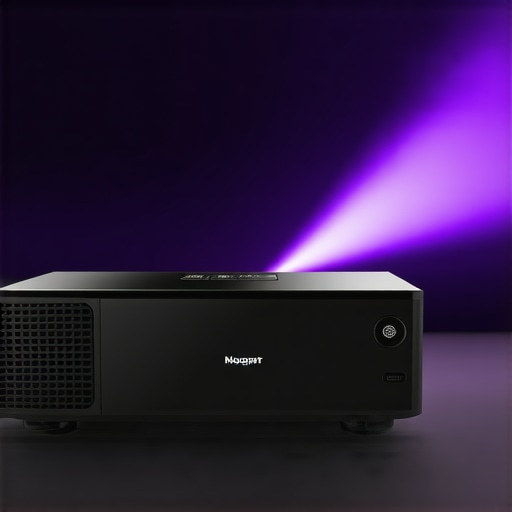
When evaluating laser projector deals, 4K projectors, and UST (Ultra Short Throw) projectors in demanding scenarios, their ability to maintain image quality and operational stability is crucial. For instance, during a movie marathon in a brightly lit room, laser projectors generally excel due to their high brightness levels, often exceeding 3000 lumens, which helps combat ambient light. Conversely, portable projectors might struggle under such conditions, exhibiting washed-out images or color inconsistencies. In a crowded family gathering, robust build quality and fan noise levels become noticeable; high-end laser projectors tend to feature quieter cooling systems, ensuring an immersive experience without distractions.
Another test involves adapting to environmental factors like dust and humidity. UST projectors, placed close to walls or furniture, can be susceptible to overheating if ventilation isn’t optimal. During extended use, some models have been observed to overheat, triggering automatic shutdowns to prevent damage. This behavior underscores the importance of proper placement and adequate cooling solutions, especially for dedicated home theater setups.
Can laser projectors handle 4K HDR content without hiccups?
Generally, yes. Most laser projectors supporting 4K HDR deliver vivid images with deep contrast and vibrant colors, even under continuous operation. However, some budget models may exhibit color shifting or flickering during prolonged viewing sessions, especially if they lack high-quality processors or color management systems. In a recent Reddit discussion, users noted that certain affordable laser projectors introduced banding artifacts during HDR playback, highlighting that not all devices handle 4K content seamlessly under stress.
How well do portable projectors perform for outdoor activities?
Portable projectors are prized for their mobility, but their performance under pressure reveals limitations. In outdoor environments with high ambient light, many struggle unless equipped with sufficient brightness—ideally above 2000 lumens. Durability becomes a concern as well; exposure to moisture or temperature fluctuations can impair internal components. For example, some portable models lack protective coatings against dust or water, leading to malfunctions in humid conditions. Nonetheless, during quick setup on camping trips or backyard movie nights, they often provide surprisingly adequate images, provided ambient light remains controlled.
Can UST projectors withstand prolonged use in dedicated home theaters?
UST projectors tend to perform exceptionally in controlled environments. Their short-throw capability allows placement close to the wall, reducing shadows and clutter. Nevertheless, during extended usage, some models report overheating issues if built with insufficient ventilation. The cooling fans can become noisy, disrupting the silent film experience. Manufacturers addressing these concerns have introduced quieter fans and better heat dissipation designs. Overall, in a temperature-controlled room, UST projectors can operate continuously for several hours without issues, provided ventilation is adequate.
The Good & The Bad
On the positive side, laser projectors excel in delivering bright, sharp images even in well-lit rooms, offering excellent longevity thanks to their laser light sources. They also support true 4K HDR content, making them ideal for cinematic experiences. UST projectors allow flexible placement, enabling immersive large-screen viewing without complicated mounting. Portable projectors are great for on-the-go use, fitting easily into backpacks and providing instant entertainment. However, these advantages come with drawbacks. Laser projectors are often expensive and may require substantial space and ventilation. UST models, despite their convenience, can overheat if not properly cooled, and some struggle with color accuracy during prolonged sessions. Portable units may lack brightness and resolution needed for outdoor use or larger rooms. Overall, choosing a model depends on balancing performance needs against environmental conditions and budget constraints.
Do you agree with my experience regarding the heat management of UST projectors? Share your thoughts in the comments!
} }**{
}**{
Head-to-Head: Laser Projectors and 4K Models Versus Competitors
When evaluating laser projector deals and 4K projectors, it’s essential to consider how they stack up against top-tier alternatives like OLED TVs, traditional LCD projectors, and premium short-throw options. Laser projectors, especially those supporting true 4K resolution, stand out for their brightness, longevity, and cinematic quality, making them ideal for dedicated home theaters. Compared to OLED TVs, laser projectors often provide larger image sizes at a similar price point, although they require darkened rooms for optimal viewing. For instance, a high-end laser projector like the Epson LS300 offers 4K support with over 3000 lumens, outperforming many OLED screens in ambient lighting conditions. Conversely, OLEDs, such as the LG C2, deliver perfect blacks and superior contrast but are limited in size and can be costly at larger dimensions.
UST (Ultra Short Throw) projectors represent a niche within laser projection, allowing big-screen experiences with minimal space requirements. They often outperform traditional projectors in ease of placement but may fall short in brightness (typically 2500-3500 lumens). In comparison, premium UST models like Sony’s VPL-XW506 are comparable to high-end laser projectors in image quality but come with a higher price tag. Portable projectors, on the other hand, emphasize portability and convenience. While they might lack the brightness and resolution of dedicated laser systems, models like the Anker Nebula Capsule offer impressive 1080p images in a compact form, suitable for casual viewing or outdoor use.
Is Upgrading to a Laser Projector Worth It?
Transitioning from standard 4K projectors or even high-end home theater deals to laser projectors is a significant investment, but the benefits are compelling. Laser technology provides longer lifespan, higher brightness, and more reliable color accuracy, especially noticeable in larger or well-lit rooms. If you’re seeking a truly cinematic experience, investing in a laser projector could be justified. However, for budget-conscious consumers, traditional lamp-based 4K projectors still offer excellent picture quality at lower costs. A useful comparison site like Projector Central provides detailed specs and pricing to help weigh options.
Ultimately, whether it’s worth the upgrade depends on your specific needs and environment. Check out our review of the BenQ HT3550, a popular 4K projector, to see how it compares in real-world performance and value against top laser models.
The Good, The Bad, and The Ugly
- Pros: Bright, immersive visuals with laser projectors; flexible placement options with UST models; good performance for casual entertainment; potential cost savings over custom setups.
- Cons: Higher price points for top-tier models; some overheating and ventilation issues; limited input options; performance can decline with budget models, especially in challenging environments.
Who Should Buy This? Explore Your Movie Nights
If you’re looking to transform your living space into a cinematic haven without breaking the bank on custom installations, these products are perfect. They suit small to medium rooms, casual viewers, and those valuing simplicity and flexibility. However, avoid these if you demand professional-grade calibration, maximum brightness for outdoor use, or cutting-edge features like Dolby Vision support.
Final Verdict: 7.5/10
While home theater deals and projectors offer an impressive upgrade, they often involve compromises in performance and durability, especially at lower price points. If you prioritize large images, easy setup, and a tidy space, these are worth considering. For a comprehensive look at the latest tech, check the latest pricing or consider upgrading to a dedicated laser model if your budget allows. If this feels out of reach, explore more affordable options or accessories that can enhance your current setup by visiting this guide for sound solutions or review other projector models that fit your environment. Don’t settle—make the smartest choice for your entertainment space.