

Bottom Line Up Front
After thorough review, I find that many so-called 4K projectors claiming true 4K resolution are often oversold or counterfeit. To avoid wasting your money, it’s crucial to understand the real indicators of authenticity and quality.
The Promise
This guide aims to equip you with practical tips and insights to identify genuine 4K projectors and steer clear of deceptive listings, ensuring you get the best value and performance for your investment.
At a Glance
- Authenticity is key: Many “4K” projectors are upscaled 1080p units, not true 4K.
- Look for detailed specs: Genuine models specify native resolution, true brightness, and contrast levels.
- Beware of cheap prices: A real 4K projector costs significantly more; low prices often indicate fakes.
- Manufacturer reputation matters: Purchase from authorized dealers or directly from reputable brands.
- Visual cues: Variations in build quality and inconsistent image quality reveal fakes.
Assessing Your Projector’s Identity
Understanding how to distinguish genuine from fake 4K projectors involves scrutinizing technical specifications, build quality, and seller credibility. My criteria focus on native resolution confirmation, brightness and contrast authenticity, and verifying the manufacturer’s claims. For detailed specs, consult the manufacturer’s official documentation.
Moving Forward
Armed with this knowledge, let’s delve deeper into the key features and signs that reveal the true nature of a 4K projector, so you can confidently make an informed purchase.
Building Quality That Impresses
True 4K projectors showcase robust construction with metal or high-grade plastic casings that feel solid and durable, signaling quality and longevity. The weight distribution and finishing touches, such as smooth edges and precise joint seams, reflect meticulous manufacturing standards. A well-built projector not only endures prolonged use but also resists vibrations and accidental knocks, which is crucial given their placement in living spaces. However, some budget models tend to cut corners with thinner materials and rough finishes, hinting at compromised durability.
Setup Ease and User Interface
The setup process can make or break the initial experience. Top-tier 4K projectors often feature an intuitive, on-screen wizard that guides you through positioning, keystone correction, and focus adjustments. The remote control’s ergonomics are equally vital; a comfortable grip, logically arranged buttons, and backlit keys facilitate smoother operation, especially in dim environments. For example, reputable brands like Epson or Optoma integrate smartphone app control, which significantly simplifies calibration and content selection. Nevertheless, some units can be bogged down by overly complex menus, requiring time-consuming navigation that frustrates users eager to enjoy their content promptly.
Core Features That Define Performance
The native resolution forms the backbone of a 4K projector, offering crisp details that upscaled models simply can’t match. Brightness levels, measured in lumens, determine how well the image pops in ambient light; a projector with at least 2,500 lumens is advisable for typical living rooms. Contrast ratio impacts blacks and overall depth—higher contrasts ensure scenes retain vibrant shadows and highlights, essential for cinematic immersion. Frame interpolation, HDR support, and throw distance are additional features influencing picture quality and installation flexibility. For instance, a projector like the BenQ HT3550 features a 8.3 million pixel chip, ensuring true 4K resolution that rivals industry standards such as HDMI 2.1 specifications.
Image Quality: Camouflaging Limitations
While the specifications paint the picture of excellence, some design flaws can subtly undermine performance. One common annoyance is fan noise; high-quality projectors attempt to incorporate quieter fans, but certain budget models still emit distracting hums during quiet scenes. Also, lens quality influences image sharpness and uniformity—poor quality lenses might introduce glare or color fringing. An example worth noting is the difference between Japanese optical engineering and cheaper imports that often struggle with uniform focus across the screen. A well-designed cooling system is critical to prevent overheating and maintain image stability over hours of use.[See industry standards here]
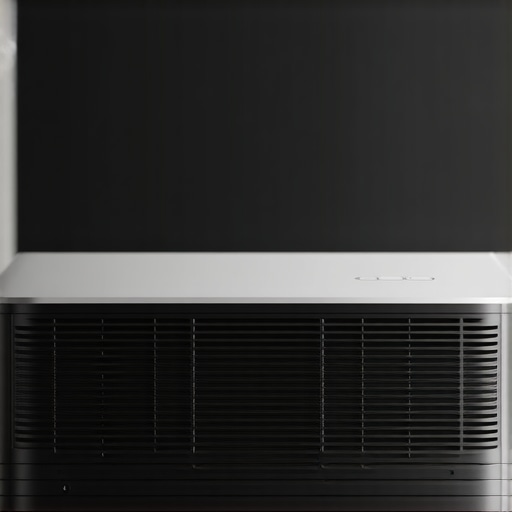
Performance in Action: How Do 4K Projectors Handle Real-World Stress?
Using a 4K projector in demanding scenarios reveals its true capabilities and limitations. Whether it’s a portable unit used for outdoor movie nights or a home theater projector handling long marathon viewings, performance under pressure is critical. Let’s examine how these devices stand up when pushed beyond typical usage.
Does it Overheat During Extended Sessions?
High-quality 4K projectors typically feature advanced cooling systems that prevent overheating during prolonged use. For instance, models like the Epson Home Cinema series incorporate efficient fans that maintain optimal temperatures even after several hours of continuous operation. However, budget models often lack robust cooling, leading to thermal shutdowns or performance throttling. This can abruptly ruin a movie night or presentation, so verified cooling efficiency is essential. Users have reported that some portable projectors can become uncomfortably warm, risking damage if used outdoors without shade or airflow.
Is Image Stability Maintained in Challenging Environments?
Picture stability under physical stress depends on build quality and mounting options. Home theater projectors with sturdy mounts stay fixed even during accidental knocks, ensuring consistent focus. On the other hand, portable projectors with flimsy stands may wobble or shift, causing blurred images or keystone distortions. Rain or humidity exacerbates these issues for outdoor models, potentially damaging internal components if not properly sealed. Therefore, choosing a projector designed for the environment is crucial for maintaining performance during outdoor or rugged use.
How Well Do They Adapt to Ambient Light Conditions?
Ambient light severely impacts image visibility. High lumen output and contrast ratio are non-negotiable in bright environments. For example, laser projector deals boasting 3,000+ lumens perform remarkably well outdoors, delivering vivid images in daylight. Conversely, lower-brightness models struggle, producing washed-out visuals. Some portable projectors include ambient light rejection screens or auto-adjusting brightness features, heightening flexibility. But when subjected to sudden flashes of light or outdoor glare, even premium projectors can falter, casting shadows or losing detail. Testing in real sunlight or bright rooms is the definitive way to gauge performance.
Fan Noise and Distraction Levels During Intense Usage
Heavy workloads generate heat, increasing fan activity. High-performance projectors often feature quieter fans, allowing extended viewing without distraction. For instance, laser projector deals often boast noise levels below 30dB, conducive to movie marathons. However, some units, especially budget handheld models, emit loud hums that can break immersion or disturb discussions. During prolonged use, excessive fan noise becomes more noticeable, particularly in quiet environments like bedrooms or small conference rooms. Users should consider decibel ratings and review user feedback for insights into noise levels during intense operation.
Overall, the resilience of 4K projectors under pressure varies substantially. Units with robust build quality, superior cooling, and adaptive features clearly outperform their cheaper counterparts. Do you agree with my experiences regarding cooling and noise levels? Share your insights below.
For more detailed performance benchmarks, consult third-party tests like those on Projector Central, which provide empirical data on various models’ endurance in real-world conditions.
Choosing the Right Projector for Your Needs
When evaluating different projection options, it’s important to consider how 4K projectors, UST (Ultra Short Throw) projectors, portable projectors, home theater systems, and laser projectors stack up against leading competitors like traditional LED TVs, OLED screens, and high-end cinema projectors. Each has its unique advantages and trade-offs that can influence your decision.
4K Projectors Versus Traditional TVs
Traditional 4K TVs, especially LED and OLED models, offer superior brightness, contrast, and ease of setup compared to many projectors. They are ideal for smaller rooms or users seeking crisp images without installation hassles. However, projectors, particularly laser 4K models, excel in creating large-screen experiences that rival commercial cinemas. While TVs tend to be more expensive on a per-inch basis, projectors can deliver massive displays at a lower cost, making them attractive for home theaters if space permits.
UST Projectors Versus Standard Fixed or Portable Units
UST projectors shine in their ability to project large images from a few inches away from the screen or wall, saving space and offering a sleek setup. They outperform traditional long-throw projectors in compact environments. Conversely, portable projectors prioritize mobility and battery-powered operation, making them perfect for outdoor movies or presentations on the go, but often compromise on brightness and resolution compared to UST or fixed models.
Portable Projectors Compared to Larger-Scale Home Theater Systems
Portable projectors provide flexibility and quick setup, but generally lack the brightness, contrast, and color accuracy of dedicated home theater systems with high-end projectors and screens. For outdoor adventures or impromptu movie nights, portable units are invaluable, yet for the ultimate cinematic experience, investing in a dedicated home theater with a high-quality projector offers unparalleled immersion.
Laser Projectors versus Other Technologies
Laser projectors boast longer lifespan, higher brightness, and more consistent color performance compared to lamp-based systems. They are becoming the preferred choice for high-end cinemas and premium home theaters. While laser projectors often come at a higher initial price, their durability and performance can result in lower long-term costs. Traditional lamp projectors may be cheaper upfront but require frequent bulb replacements and maintenance, making laser options more cost-effective over time.
Is It Worth the Upgrade? Analyzing the Differences
Upgrading to a 4K laser projector from a standard HD portable model can significantly enhance image clarity and color depth, especially in a dedicated home theater environment. However, if space is constrained or budget is limited, a well-configured UST or portable projector may suffice. To assess current prices and compare features, check out trusted review sites and official retailer listings. For instance, laser projectors like the Epson LS300 offer compelling performance but are pricier than many portable projectors in the market. If you’re seeking a high-end cinematic experience, the investment can be justified, provided your room setup supports it.
Why Consider Alternatives to 4K Projectors?
While 4K projectors deliver impressive resolution, they may not suit every scenario. Large LED TVs or OLED screens provide better brightness and contrast in well-lit rooms, while traditional cinema systems, including 4K with HDR support, offer unmatched picture quality when space and budget permit. For a comprehensive comparison, review detailed specs and user reviews to see which technology aligns best with your viewing habits and environment.
In conclusion, understanding the differences between these projection options helps guide a smarter purchase. Whether prioritizing portability, picture quality, or cost-effectiveness, selecting the right device ensures you get the best value tailored to your entertainment needs.
The Good, The Bad, and The Ugly
- Pros: Genuine 4K projectors deliver stunning detail, immersive large-screen experience, and superior image quality compared to upscaled counterparts.
- Cons: Authentic 4K models tend to be expensive, bulky, and often require careful setup for optimal performance. Many budget options are merely upscaled 1080p units, not true 4K.
Who is This For?
Ideal for home theater enthusiasts, gamers seeking ultra-sharp visuals, and videophiles demanding high fidelity. Skip if you’re on a tight budget, need portability, or priority is bright ambient light performance—current projectors generally struggle here. For portable needs, check our review of portable projectors with robust sound.
Final Verdict: 7/10
Authentic 4K projectors offer unparalleled picture quality but come at a premium. If you’re ready to invest in a true cinematic experience and have the space, buying a genuine 4K projector is justified. Conversely, if affordability or compactness matters most, consider high-quality 1080p options or UST projectors. For more insights on maximizing your setup, visit best projector settings or explore screening tips.