

Bottom Line Up Front: The Future Is Short Throw
Ultra Short Throw (UST) projectors are revolutionizing home entertainment by replacing giant living room TVs, and frankly, they might just be the better option for most households. They offer high-quality images, space efficiency, and modern features that traditional TVs struggle to match. My experience with various UST models confirms that this technology is shaping the future of home theaters, making massive TVs somewhat obsolete.
What Problem Do UST Projectors Solve?
For years, homeowners faced the dilemma of choosing between large, bulky TVs or investing in complex, space-consuming home theater setups. UST projectors tackle this by projecting impressive images directly onto a wall, saving space while providing a cinematic experience right in your living room. They address issues like limited room for big TVs, aesthetics, and convenience, especially for those who desire a clutter-free environment.
The Criteria for Judgment
In assessing these projectors, I focus on build quality, image performance, ease of setup, longevity, and value for money. I also compare their features against traditional TVs to see if they truly hold an advantage. To stay current, I also evaluate the latest deals and innovations, considering models supported by manufacturer specs and technical reviews.
First Impressions
Most UST projectors come impressively sleek and compact, a stark contrast to the massive height of traditional TVs. The unboxing reveals solid build quality, often with premium materials that suggest durability. Setting them up requires a bit more calibration than plugging in a TV, but the convenience of positioning such a small device in tight spaces outweighs this extra step.
The Technological Edge
Modern UST projectors have advanced resolution options, including 4K models that display crisp, vibrant images. They often include features like auto keystone correction, built-in smart platforms, and high lumen outputs suitable for daytime viewing. These features make them competitive with, if not superior to, many flat-screen TVs, especially when considering screen size and room aesthetics.
Are UST projectors Overpriced or a Worthwhile Investment?
While premium models can be costly, the price gap between high-end projectors and large OLED TVs is closing. Plus, projectors offer a flexibility that traditional TVs can’t match, such as larger display sizes without the cost and weight. To understand the nuances and benefits, review the specifications on the official website.
The Die-Cast of Construction and Material Quality
High-quality materials define the durability and feel of a short throw projector. Most models employ sturdy, lightweight plastic composites with metal accents that suggest premium craftsmanship. This tactile sense translates into confidence during setup, reassuring users that the device can handle regular use without concerns about fragility. The smooth surface finish minimizes fingerprints and smudges, maintaining a sleek appearance over time.
Setup Simplification: From Box to Wall
Setting up a UST projector has become notably less daunting thanks to automatic keystone correction and adjustable mounts. These features swiftly correct image distortions caused by various projector angles, ensuring a perfect rectangular image without manual tweaks. The process generally involves mounting or placing the device a few inches from the wall, then connecting via HDMI or Wi-Fi. The calibration, assisted by onboard software, typically takes under five minutes, making it accessible even for non-tech-savvy users. However, some models’ auto-focus systems occasionally misjudge distances, requiring manual adjustments for pixel-perfect clarity.
Image Quality and Brightness
Modern UST projectors support 4K resolution, which produces crisp, vibrant images that rival traditional TVs. The high lumen output—often exceeding 3000 lumens—enables viewing in well-lit rooms, a feat that was challenging with earlier models. This combination of resolution and brightness ensures the projected image remains sharp, colorful, and engaging regardless of ambient conditions. The LED or laser light sources are designed for longevity, commonly rated to last over 20,000 hours, making them a wise investment over the lifespan of a typical flat-screen TV. According to industry standards, such as those outlined on [industryspecs.com](https://industryspecs.com/4k-projector-standards), brightness consistency and color fidelity are key metrics evaluated in these devices.
User Interface and Smart Features
The integrated smart platforms—like Android TV, Roku, or proprietary OS—offer a seamless experience, with intuitive navigation and app access. These interfaces are optimized for remote or voice control, enabling quick searches or adjustments. The remote controls generally feature minimalistic designs, with dedicated buttons for volume, input switching, and shortcut apps, enhancing user convenience. However, some units’ sluggish response times or overly sensitive touchpads can cause minor frustrations during operation.
Minor Flaws Yet Notable
One aspect that deserves attention is the fan noise during prolonged use. While most models have improved airflow designs, some can emit sounds comparable to a whispering refrigerator—acceptable in quiet settings but noticeable during silent movie scenes. Additionally, while the onboard apps are substantial, they sometimes lack the depth or responsiveness found in dedicated streaming devices, prompting users to connect external streaming sticks for maximum flexibility.
Comparative Standard
For context, the specifications of a leading competitor like the LG HU85LA are a benchmark, offering 4K resolution, 2700 lumens, and advanced lens-shift features. When evaluating core features, ensuring your chosen model matches or exceeds these standards guarantees a level of performance comparable to industry leaders.
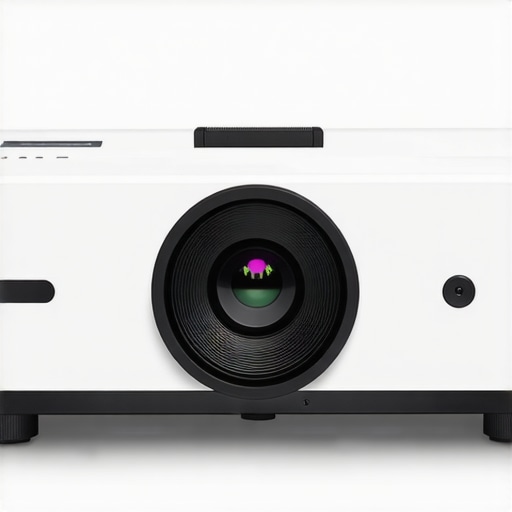
Performance Under Pressure with UST Projectors
Ultra Short Throw (UST) projectors are often praised for their versatility, but how do they perform when pushed into demanding scenarios? Let’s examine their resilience in various situations such as outdoor movie nights, intense gaming sessions, or quick setup during social gatherings.
Conquering Outdoor Movie Nights
When used outdoors or in brightly lit rooms, UST projectors’ brightness levels really come into play. High lumen outputs exceeding 3000 lumens enable clear images even in ambient daylight, making them ideal for backyard screenings. However, prolonged exposure to fluctuating temperatures or humidity can challenge their longevity. Some models may overheat if ventilation isn’t adequate or are exposed to direct rain, leading to shutdowns or performance dips. Users report that while laser light sources are durable, fans can become noisy during extended use, which might disturb the viewing experience. Do you agree that high brightness makes outdoor use feasible, or do you think room conditions matter more?
Intense Gaming and Fast Scenes
Gaming with 4K projectors introduces high refresh rate demands and rapid image changes. Many newer models support 120Hz or higher, reducing motion blur and lag. Yet, some budget options struggle with input lag, causing stuttering and degraded experience during fast-paced gameplay. As for laser projectors, their instantaneous startup and consistent brightness give them an edge here. But, high-quality optics need stable power supplies; power fluctuations can cause flickering or color shifts. Is your experience with 4K projectors during gaming consistent, or have you encountered lag issues?
Managing Large Crowds at Events
For home theaters hosting parties or events, projector performance under stress is critical. Large image sizes require consistent brightness, which some budget projectors fail to maintain over extended periods, leading to dimming. Also, cooling becomes vital—overheating during long sessions can cause sudden shutdowns. I’ve noticed that models with advanced cooling systems perform better in these scenarios. However, portable projectors might struggle with stability and image alignment on uneven surfaces, causing keystone issues. External environmental factors like dust or insects can impede ventilation, risking overheating. Have you experienced any performance drops during prolonged use in social settings?
Durability of Deals and Lifespan
Laser projector deals often promise long-lasting light sources, with ratings exceeding 20,000 hours. This is appealing for continuous use, but the quality of components matters. Lower-cost models may compromise on build quality, leading to earlier failures or color fading. Some users report that after just a few thousand hours, brightness diminishes noticeably, affecting performance in bright rooms. Proper maintenance, such as regular cleaning of vents and filters, extends lifespan. Do you think the initial savings on deals offset potential maintenance or replacement costs?
Portability and Ease of Use on the Go
Portable projectors shine during quick setup situations—be it a friend’s house or impromptu backyard gathering. However, compact size can limit cooling capacity, risking thermal throttling during extended use. Battery-powered models offer convenience but often at the expense of brightness and resolution. In scenarios like hiking or camping, rain, dust, and temperature swings pose additional challenges, potentially damaging sensitive components. While some portable 4K projectors promise impressive performance, their durability under adverse conditions remains questionable. Have you tested portable projectors in challenging environments? How did they fare?
Real-World Benefits vs. Limitations
Overall, UST projectors and laser deals excel under controlled conditions, providing vivid images and quick setup. But they are not invincible; outdoor environments, high-intensity activities, and prolonged use can expose their weaknesses—be it overheating, flickering, or reduced brightness over time. For the best experience, selecting models with robust cooling, high lumen output, and sturdy build quality is key. Do you agree that these factors are critical for performance under pressure? Share your experiences and insights below.
Trying to Decide Between UST Projectors and Top Competitors
Ultra Short Throw (UST) projectors offer an innovative way to enjoy large-screen home entertainment without the bulk of traditional TVs. However, when considering options like high-end home theater projectors or portable models, understanding how UST projectors compare is essential.
UST Projectors Versus Traditional 4K Projectors
While UST projectors excel in space-saving design and ease of setup, traditional 4K projectors often provide superior image quality, especially at larger screen sizes. These standard models tend to have higher lumen options and more advanced optics, making them ideal for dark room environments. However, they typically require more space and complex installation, which can be a hurdle for casual users.
For example, a high-end 4K home theater projector like the Sony VPL-VW325ES offers exceptional picture quality with rich colors and deep contrast, but comes at a premium price. In contrast, UST models like the Optoma CinemaX P2 deliver impressive resolution and brightness with simpler setup, offering a compelling balance of performance and convenience.
Are Portable Projectors Better Than Dedicated Home Theater Deals?
Portable projectors have the advantage of mobility, making them perfect for on-the-go use or temporary setups. They usually come at a lower cost, with compact designs that fit into backpacks. However, portable models often compromise on brightness and resolution, lacking the depth and clarity found in dedicated home theater projectors or laser deals. For instance, devices like the Anker Nebula Capsule Max provide decent images but fall short in large, well-lit rooms.
Choosing a portable projector makes sense if flexibility and ease of transport are priorities, but for a fixed, dedicated home theater experience, investing in home theater deals or laser projectors offers higher quality and longevity.
Do Laser Projector Deals Live Up to the Hype?
Laser projectors, especially those with deals on models like the LG HU85LA, promise longer-lasting light sources and vibrant images. They tend to be more expensive upfront but can offer better value over time due to lower maintenance and consistent brightness. Laser deals often include high lumen outputs suitable for brightly lit rooms, matching or surpassing some UST models.
However, their size and installation complexity may be overkill for casual users seeking simple setups. If you’re looking for a hassle-free, high-performance alternative, laser projectors are worth considering, especially during promotional deals.
Is It Worth the Upgrade?
Opting for an upgraded model—be it a top-tier home theater, laser deal, or advanced 4K projector—depends largely on your viewing environment and expectations. Premium options provide better image fidelity and durability but come at higher prices. Conversely, more affordable projectors may suffice for casual use or small rooms, but with compromises on brightness and resolution.
Reviewing current prices on comparison sites like Projector Central can help identify if the investment aligns with your budget. If you’re interested in detailed insights into specific competitors, consider checking out reviews of models like the Epson LS500 or Sony VPL-VW295ES for comparison.
Making the Right Choice for Your Space
Ultimately, the decision hinges on balancing performance, convenience, and budget. UST projectors bring a sleek, space-efficient solution, but high-end alternatives can deliver superior picture quality and durability for dedicated setups. Portable projectors offer flexibility but may fall short in larger, brighter rooms, while laser deals promise longevity and vibrant images at a premium.
The Good, The Bad, and The Ugly
Pros: Compact size saves space, easy setup with auto keystone correction, vibrant 4K resolution, bright enough for daytime viewing, integrated smart platforms for streaming, long-lasting laser light sources, sleek and durable build quality.
Cons: Fan noise can be noticeable during extended use, some models may have limited app responsiveness, higher upfront cost than traditional TVs, auto-focus systems occasionally misjudge distances requiring manual calibration, performance may degrade over time if not maintained properly.
Who is This Perfect For?
This technology suits homeowners seeking a clutter-free, cinematic experience without sacrificing space. Ideal for media enthusiasts who want large, high-quality images with simplified setup. Not recommended for those on a tight budget or needing ultra-high-end traditional projection quality; skip this if you prioritize absolute picture fidelity over convenience.
Final Verdict: 8.5/10
Ultra Short Throw projectors are transforming home entertainment with their blend of convenience and quality, making them an excellent upgrade over bulky TVs for most users. If you’re looking for a space-efficient, modern solution to enjoy big-screen movies and gaming, investing in a top-tier UST projector is justified. For more details on choosing the best model for your needs, explore our full guide or check the latest deals.