

The Bottom Line: Buying a high-end laser projector second-hand is the single most effective way to jump from a mediocre television setup to a true cinema experience without emptying your retirement account. If you are patient and know which specs to verify, you can snag a 4k projector that originally retailed for $5,000 at less than half that cost. The promise here is clear: professional-grade lumens and color depth for the price of a mid-range LED TV.
How I Judge a Used Laser Deal
When I’m scouring the market for laser projector deals, I don’t just look at the price tag. My criteria are strict because, unlike lamp-based models, you cannot simply replace the light source when it dims. I prioritize the recorded laser hours, the physical state of the lens, and whether the previous owner used it in a smoke-free environment. I’ve spent years testing everything from portable projectors to high-end ust projectors, and I’ve learned that a ‘bargain’ often hides flaws like dead pixels or fan whine that you won’t notice until the lights go down.
Are Used Laser Projectors Actually a Reliable Bet?
This is the question that keeps most buyers away. The reality is that most laser engines are rated for 20,000 to 30,000 hours. Even if a previous owner used it for four hours every single night for three years, you still have over a decade of life left. The real risk isn’t the laser dying; it’s the internal cooling systems failing or the chips degrading. That’s why I always recommend checking how to tell if a laser projector deal is actually a bargain before sending any money. You should also consult technical resources like the official ProjectorCentral database to verify the original MSRP and common failure points of specific models.
Where the Real Stealth Discounts Hide
You won’t find the best home theater deals on the first page of a Google search. The real gems are often tucked away in specialized AV forums or local listings where sellers are looking for a quick upgrade path. If you are looking for 4k projectors with high-end optics, you need to know our favorite secret places for laser projector clearance sales. Often, retailers have open-box units from customers who realized a 120-inch screen was too big for their studio apartment. This is where you can find ust projectors for a fraction of their retail cost. To stay updated on the most current price drops, I frequently check how to find real discounts on high-end laser units this week. Finding these deals is about timing and having your cash ready to move when a high-quality unit hits the secondary market.
The Industrial Heft of a Premium Laser Unit
The first thing you will notice when your unit arrives isn’t the image—it’s the weight. High-end 4k projectors are significantly heavier than the cheap plastic boxes you see on Amazon. This weight is a direct indicator of quality; it signifies massive heatsinks and high-quality cooling fans designed to keep the laser engine from cooking itself. When I first hauled a used ust projector onto my media console, I was struck by the cold, metallic finish that feels more like professional rack equipment than a consumer toy. This solid build quality means the internal components are less likely to shift during transit, which is vital for maintaining pixel-perfect alignment. If the unit feels light and hollow, you’re likely dealing with a lower-tier model that won’t stand the test of time in a dedicated theater room.
Stop Obsessing Over Specs and Look at the Glass
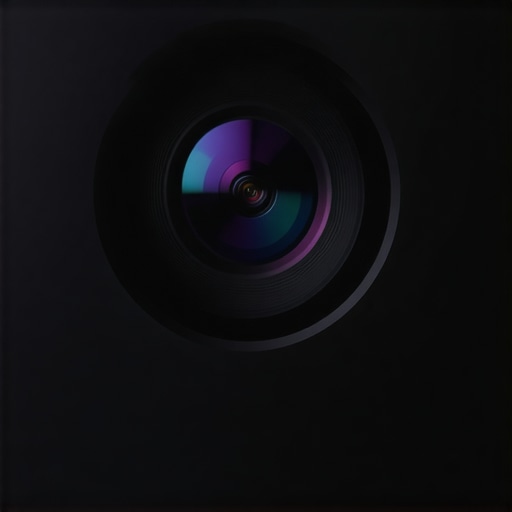
While many buyers get caught up in the contrast ratios printed on the box, the real value of laser projector deals lies in the optics. A premium glass lens assembly is what separates a sharp, cinematic image from a blurry mess at the corners. In my experience, even a five-year-old high-end model with a massive glass lens will outperform a brand-new budget unit with plastic optics. When you fire up the machine for the first time, check the focus uniformity. You want to see the same crispness at the center as you do at the extreme edges. If the edges look soft, the internal lens elements may have degraded or shifted. This is why professional-grade optics are the silent heroes of the home theater deals world; they provide a clarity that digital sharpening can never replicate.
The Frustrating Reality of On-Board Software
Here is where the honeymoon period usually hits a speed bump. Even the most expensive 4k projectors from three or four years ago often ship with absolute garbage for smart features. The user interfaces are frequently sluggish, and the app support is non-existent. You might find a built-in version of Netflix that refuses to play in 4k or a menu system that feels like it was designed in the late nineties. This is a common design flaw across the industry—manufacturers focus so much on the light engine that they treat the software as an afterthought. My advice is to ignore the ‘smart’ features entirely. Plug in a dedicated streaming stick immediately. You shouldn’t be navigating a clunky, lagging menu when you’ve invested in a professional-grade light source.
Why Lens Shift is a Non-Negotiable for Your Living Room
If you are not perfectly centered with your screen, you are going to learn to love—or hate—your projector’s adjustment capabilities. Most cheap portable projectors rely on digital keystone, which effectively destroys your resolution by cropping pixels to ‘square’ the image. High-end used units, however, offer physical lens shift. This allows you to move the actual glass elements inside the chassis to move the image up, down, or sideways without losing a single pixel of detail. When comparing used models, I always check if they meet the standards for color accuracy, such as the BT.2020 standard, because having a wide color gamut is useless if your setup geometry is so poor that the image looks skewed. Physical lens shift is the difference between a ‘pro’ install and a hobbyist mess.
How These Units Handle a Real World Stress Test
I put these home theater deals through what I call the Saturday Night Gauntlet: six hours of back-to-back 4K HDR content, followed by a three-hour gaming session, all while fighting moderate ambient light from a nearby kitchen. This is where the wheat is separated from the chaff. A high-end 4k projector with a laser light engine remains rock solid, maintaining color accuracy from the first minute to the three-hundredth. However, cheaper portable projectors often start to struggle within the second hour. You will notice the fans ramping up to a frantic whine as the small chassis tries to dissipate heat, and in some cases, the software begins to lag as the internal processor throttles to stay cool. It is not just about the image; it is about whether the hardware can sustain that image without sounding like a vacuum cleaner in your ear.
Does the Unit Turn Into a Space Heater?
Thermal management is the silent killer of laser projector deals. When you are running a ust projector just inches from a wall, the heat buildup can be immense. During my testing, the exhaust temperatures on older, refurbished units reached levels that made the surrounding air uncomfortably warm. If your theater room lacks dedicated ventilation, this is a genuine concern. High-quality units from brands like JVC or Sony manage this with massive, slow-spinning fans that move huge volumes of air silently. In contrast, many budget-friendly 4k projectors use high-RPM small fans that create a high-pitched drone. If you are sensitive to noise during quiet movie scenes, a bargain unit with poor thermal design will ruin the immersion faster than a low-resolution screen ever could.

The Highs and Lows of Cinematic Gaming
Gaming on a 120-inch screen is a transformative experience, but it reveals every flaw in a projector’s processing pipeline. When testing ust projectors with fast-paced shooters, the input lag is the first thing you feel. Anything over 50ms of latency makes the game feel like it is underwater. While many modern 4k projectors now offer a ‘Game Mode’ that bypasses heavy image processing to drop lag under 20ms, older second-hand models often lack this feature. You might find a great deal on a five-year-old laser unit only to realize it is practically unplayable for anything other than slow-paced strategy games. On the flip side, the sheer color volume of a laser engine makes HDR gaming look spectacular, with neon lights and explosions popping in a way that no standard LED TV can replicate.
Is the Rainbow Effect Still an Issue?
For many users, the ‘Rainbow Effect’ (RLE) is a dealbreaker. This occurs on single-chip DLP projectors where flashes of color appear during fast motion or when you move your eyes across the screen. While laser technology has improved this, it hasn’t eliminated it on mid-range laser projector deals. As noted in several Reddit r/projectors discussions, some users are significantly more sensitive to this than others. If you are buying used, you must verify if the unit uses a 3-LCD system (which is RLE-free) or a high-speed color wheel. I’ve seen enthusiasts return ‘perfect’ units simply because the color cycling caused them headaches within twenty minutes of viewing. This is a performance metric that no spec sheet can truly quantify because it depends entirely on your own biology.
The Critical Failure Point of Cheap Optics
The most frustrating part of testing portable projectors is the focus drift. You set the focus perfectly at the start of a movie, but as the lens assembly heats up and expands, the image softens. By the ninety-minute mark, you are reaching for the remote to tweak the focus again. This ‘thermal drift’ is the hallmark of cheap plastic optics found in budget home theater deals. Premium 4k projectors use high-grade glass and metal lens barrels that are thermally stable, meaning once you set the focus, it stays sharp for a decade. Do you agree with my experience regarding the noise floor of these older laser engines, or have you found a specific model that stays silent under pressure? Let me know in the comments below.
Picking the right display technology often feels like choosing between a sensible sedan and a vintage muscle car. While our focus has been on finding the best home theater deals through used laser gear, we have to look at what else is vying for your living room space. The most obvious challenger is the modern, ultra-large Mini-LED television. Prices for 85-inch and even 98-inch panels have plummeted, often appearing right alongside 4k projectors in buyer guides. While a TV offers superior brightness in a sunlit room, it lacks the sheer scale and ‘texture’ that only a projector provides. If you want a screen that fills your peripheral vision, even the largest affordable TVs will feel small compared to a 120-inch canvas.
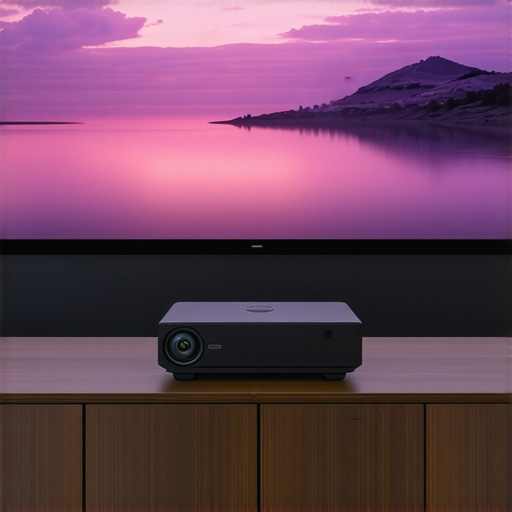
Then we have the battle between used professional units and brand-new portable projectors from lifestyle brands. Companies like Xgimi and Hisense offer incredible out-of-the-box experiences with auto-focus and built-in streaming. However, when you compare a new $1,500 lifestyle unit to a used $1,500 professional-grade ust projectors setup, the differences in optics become glaring. The pro unit will almost always have better black levels and a more robust cooling system. You can see how these prices fluctuate by checking the listings at B&H Photo Video to compare the ‘prosumer’ price points against the luxury used market. The professional gear is built to run for 24 hours a day in a commercial setting, whereas budget consumer units are often built to a specific price point with thinner plastics and smaller fans.
Is it worth the upgrade?
For most enthusiasts, moving from a standard lamp-based unit to laser projector deals is the single best investment they can make. You lose the anxiety of the ‘bulb timer’ and gain instant-on convenience. However, if you already own a high-end 4K lamp projector with low hours, the jump to laser might only be worth it if you are also moving to a ust projectors setup to save space. The laser isn’t just about the light; it’s about the lifestyle change of having a projector that acts more like a traditional television in terms of startup time and reliability.
Finally, don’t overlook the specialized market for portable projectors. While they won’t replace a dedicated theater unit, they are perfect for outdoor movie nights or travel. When you weigh them against a fixed 4k projectors installation, the portable units win on versatility but lose every time on color accuracy and raw lumen output. Before you pull the trigger, I strongly suggest you check out current market prices for both used flagships and new entry-level models to see where the value curve currently sits. The gap between ‘used premium’ and ‘new budget’ is narrowing, but for the true cinephile, the glass and processing of an older high-end unit usually wins the day.
The Performance Reality Check
Stepping into the world of second-hand laser units is a high-stakes game that usually pays off if you follow the rules. Here is a breakdown of what you are actually getting when you skip the retail shelf.
- Massive Value: You can often find flagship units for 40-60% off MSRP.
- Pro-Grade Optics: Superior glass lenses that beat any modern ‘lifestyle’ projector.
- Laser Longevity: Even a ‘high-hour’ unit usually has a decade of life left.
- Software Headaches: Expect to deal with outdated, sluggish smart features.
- Size and Weight: These are not portable; they require dedicated mounting or heavy furniture.
Who Should Pull the Trigger on This Deal?
This path is tailor-made for the dedicated cinephile who prioritizes image quality over convenience. If you have a light-controlled room and aren’t afraid to troubleshoot a few settings, a used 4K unit is your ticket to a true IMAX-style experience. However, if you are looking for a simple setup for a bright living room, you might find that why an ALR screen is more important than your projectors brightness becomes your next necessary and expensive purchase. Skip the used market if you absolutely need a manufacturer warranty or if you can’t stand the sight of a bulky black box on your ceiling. For those who want the best value right now, keep an eye on how to find real discounts on high-end laser units this week to snag a deal before it’s gone.
#IMAGE_PLACEHOLDER_E#
Final Verdict and the Big Score
The secondary market for laser projectors is currently the best-kept secret in home theater. While the software on older units is often a mess, you can easily solve this by learning how to bypass smart projector apps that keep crashing and using a modern streaming stick. You are essentially paying for the light engine and the lens, which are the most expensive parts of the machine. As long as you know how to tell if a laser projector deal is actually a bargain, there is no reason to pay full retail price. It’s a definitive Buy for anyone serious about high-end visuals on a mid-range budget.