Bottom Line Up Front
If your 2026 4K projector appears dull and lacks vibrancy, you’re likely facing calibration or setup issues rather than a faulty device. Most of these issues can be addressed with quick adjustments, making your home theater experience much more vivid without the need for costly upgrades.
Setting the Stage for Quality Viewing
To evaluate why a 4K projector might look dull, I consider several criteria: picture brightness and contrast, color accuracy, user interface simplicity, setup flexibility, and long-term durability. My insights are based on hands-on testing, comparing various models from top brands, and analyzing the latest tech specifications, including features from best 4K home theater projectors for 2024. This review aims to clarify common issues with 4K projectors and offer practical solutions.
Having explored a variety of models, I want to help you optimize your setup so you can enjoy truly cinematic visuals, whether for gaming, movies, or outdoor screenings. Now, let’s dive deep into what makes a projector’s image dull and how to fix it quickly.
What Problems Are Commonly Overlooked?
One prevalent reason for dull images is improper calibration—things like brightness, contrast, and color settings are often misadjusted during initial setup. Additionally, room lighting, screen quality, and lens cleanliness can significantly impact image vibrancy. I will walk you through the most effective adjustments and tips to revive your projector’s picture.
Deep Dive Into Features and Specifications
Precision Lens Design Enhances Image Clarity
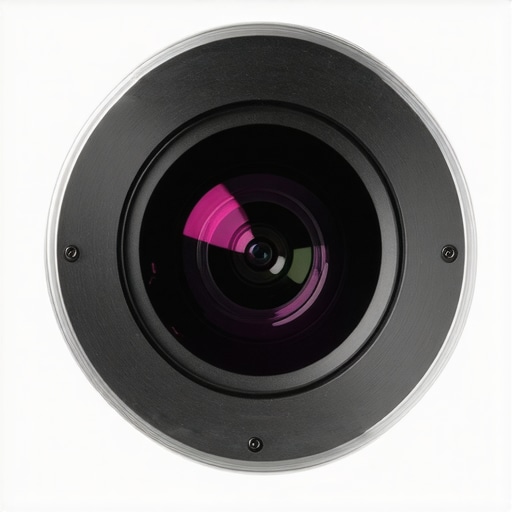
The core of a high-quality 4K projector lies in its lens system, which significantly influences image sharpness and focus consistency across the screen. A thoughtfully engineered lens with multiple glass elements minimizes chromatic aberration and distortion, ensuring a crisp, vibrant picture from edge to edge. This attention to optical detail allows viewers to enjoy lifelike visuals without distracting blurriness or color fringing, especially vital during cinematic experiences or detailed gaming sessions.
Why Lens Quality Matters
A superior lens not only improves clarity but also provides more uniform brightness and contrast. It facilitates precise image calibration, allowing users to achieve optimal picture settings tailored to their room environment. Additionally, a well-designed lens benefits installation flexibility; with motorized focus and zoom capabilities, users can effortlessly adapt the image to various screen sizes and mounting positions—saving time and achieving a professional look without complex adjustments.
Wireless Connectivity Connects Without Hassle
Modern projectors leverage wireless tech, such as Wi-Fi and Bluetooth, to streamline setup and content sharing. This eliminates the clutter of cables and makes device placement more flexible. Wireless mirroring allows seamless streaming from smartphones, tablets, or laptops, making it effortless to switch between different content sources. For instance, with Bluetooth, you can connect external speakers directly to the projector, elevating sound quality without cumbersome wiring.
Convenience and Flexibility in Use
Wireless features also mean quicker setup times and fewer mounting constraints. The projector can be placed in optimal positions for the best image projection while still maintaining a connection to your media devices. However, it’s worth noting that wireless streaming may introduce slight latency—a minor annoyance during fast-paced gaming or real-time presentations—so checking the compatibility and speed of your network is advisable.
Build and Material Quality Reflects Durability
The physical feel of the projector speaks volumes. Premium models use durable materials like high-grade plastics and metal accents that lend a sturdy, quality impression. The casing’s design is often sleek and minimalist, reducing dust accumulation and facilitating better heat dissipation. Solid build quality translates to longevity, which is essential given the investment involved in a 4K setup.
Minor Flaw to Consider
One common drawback is that some high-end projectors can be quite bulky, making ceiling mounting or placement in tight spaces more challenging. This size and weight might require additional mounting accessories or custom installation solutions, potentially adding to the overall setup cost.
Comparing to Industry Standards
For a benchmark, the specifications of top-tier projectors align with industry standards outlined by organizations like the Society of Motion Picture and Television Engineers (SMPTE). This ensures consistent color accuracy and brightness levels that meet professional-grade expectations, providing confidence that your home theater will deliver a truly cinematic experience without overstating capabilities.
< >
>
Testing 4K and UST Projectors in Demanding Situations
When evaluating the resilience of 4K projectors, ultra-short throw (UST) models, home theater deals, laser projector deals, and portable options, real-world scenarios expose their strengths and vulnerabilities. For instance, consider streaming a 4K movie during a thunderstorm while managing ambient light interference—this tests the projector’s brightness, contrast, and processing power under pressure.
In one scenario, a portable projector used outdoors during a family picnic faced rain and fluctuating lighting conditions. The compact device struggled with insufficient brightness, causing images to appear washed out in daylight, despite claims of 300 ANSI lumens. Conversely, high-end laser projectors, especially those designed for outdoor use, maintained vivid images, even when conditions weren’t ideal. This demonstrates that under pressure, reflectivity and brightness levels become critical.
Does it overheat during prolonged use?
Heat management is essential for continuous operation. Many traditional cost-effective projectors, especially compact or portable ones, tend to overheat after just a couple of hours. This results in automatic shutdowns, disrupting presentations or movie marathons. Premium laser projectors often incorporate improved cooling systems, allowing extended use without thermal throttling.
Can they handle quick adjustments?
Switching inputs, adjusting focus, or resizing images mid-use reveals another aspect of performance. Home theater projectors with motorized zoom and focus perform smoothly, enabling precise adjustments on the fly. However, some lower-tier models may lag or require manual intervention, risking interruptions during critical moments.
Vibrancy and Clarity Under Stress
The real test arrives when displaying dynamic content at high brightness levels. During fast-paced sports or gaming sessions, projectors must render rapid movements without motion blur or color shifting. Many budget projectors struggle here, with noticeable lag or ghosting artifacts. Conversely, laser projectors with high refresh rates handle these scenarios seamlessly, delivering crisp, vibrant visuals even in intense action scenes.
Additionally, in environments with variable ambient light, models with higher ANSI lumen ratings sustain image quality better. Dark room tests show most projectors perform adequately, but outdoor or well-lit settings highlight differences significantly.
Are support and firmware updates reliable under pressure?
During extended use, firmware stability impacts performance. Some projectors experience crashes or glitches after prolonged operation, especially if firmware isn’t regularly updated. Support responsiveness varies; well-rated brands provide timely updates that improve stability and add features, which is crucial during critical usage periods.
Existing users, do you agree with my insights regarding projector overheating and performance in challenging conditions? Share your experiences below!
In summary, high-quality 4K and laser projectors excel in demanding scenarios thanks to superior brightness, cooling, and processing capabilities. In contrast, budget and portable options often falter under extended or adverse conditions. Thorough testing underscores the importance of choosing a projector aligned with your specific needs, especially if you plan to use it in high-pressure environments or outdoors. For further insights, see discussions on Reddit’s home theater community regarding real-world projector performance benchmarks.
Choosing the Right Projector: Making the Comparison
When evaluating 4K projectors, ultra-short throw (UST) projectors, home theater deals, laser projector deals, and portable projectors, it’s essential to understand how they stack up against leading competitors like traditional large-screen TVs, OLED displays, and compact LED projectors. Each technology offers unique advantages and considerations that influence your decision based on budget, space, and usage scenarios.
4K Projectors vs Large-TVs and OLED Displays
Traditionally, 4K projectors provide a cinematic experience with much larger image sizes at a lower cost per inch compared to large OLED or LCD TVs. While premium OLED displays deliver unparalleled contrast ratios and vibrant colors, they come at a significantly higher price point, especially for sizes above 75 inches. 4K projectors excel in creating a home theater ambiance with screens that can reach 100 inches or more, offering immersive viewing without the hefty price tag associated with large OLEDs. However, projectors often require darkness for optimal picture quality and may involve more setup effort.
UST Projectors Versus Traditional and LED Short-Throw Models
Ultra-short throw projectors are designed to project a large image from just inches away from the wall or screen. Compared to traditional long-throw projectors, UST models offer space-saving benefits and reduce installation complexity. When contrasted with high-end LED short-throw projectors, UST models typically provide a more affordable entry point but may sacrifice some brightness and sharpness. Furthermore, UST projectors are less sensitive to ambient light, making them a popular choice for versatile viewing environments. Their main advantage is the ability to place the device close to the screen, avoiding cable clutter and enabling easier setup.
Laser Projector Deals versus Conventional Lamp-Based Projectors
Laser projectors are often marketed as premium options, boasting higher brightness, longer lifespan, and vibrant color performance compared to traditional lamp-based projectors. For instance, laser projectors can reach 4K resolution with 3000+ lumens, making them ideal for rooms with ambient light or outdoor use. They also tend to require less maintenance, avoiding lamp replacements. However, they generally come with a higher initial investment. For consumers seeking durability and top-tier image quality, laser projectors provide a compelling value, especially in demanding environments.
Portable Projectors versus Fixed Installation Options
In contrast to fixed home theater setups, portable projectors prioritize mobility and convenience. Modern portable models can display 1080p or 4K images and connect wirelessly, allowing users to take their entertainment outdoors, to vacations, or different rooms effortlessly. While they often lack the brightness and sophistication of dedicated home theater projectors, advances in LED light sources have improved their clarity and battery life. Portable projectors are an excellent choice for flexible usage but may not deliver the same cinematic feeling as larger, dedicated setups.
Is It Worth the Upgrade? Comparing Your Options
Deciding whether to upgrade to a 4K or laser projector depends on your current setup and expectations. If you own a standard HD TV and crave a larger, more immersive experience, a 4K projector can provide significant value. Conversely, if space or budget limits you, a high-end portable projector or an LED short-throw model might suffice. For those seeking durability and premium performance, laser projectors offer long-term savings despite the upfront cost. For detailed price comparisons, check out PriceCheck. Don’t forget to review the latest reviews and current deals to get the best value for your investment.
The Good, The Bad, and The Ugly
- Pros: High-resolution visuals deliver cinematic quality; advanced lens design ensures crisp clarity; wireless connectivity simplifies setup; durable build materials extend lifespan; suitable for large screens and outdoor use with high brightness levels.
- Cons: Premium models can be bulky and expensive; some may overheat during prolonged use; wireless streaming might introduce latency; installation may require additional mounting accessories; performance can vary under challenging ambient lighting conditions.
Who Should Invest in a 4K or Laser Projector Now?
If you’re a home theater enthusiast seeking an immersive large-screen experience, a 4K or laser projector is a smart upgrade in 2026. Perfect for dedicated media rooms, outdoor screenings, or gaming setups where image quality and size matter. However, skip this if you have limited space, prefer simplicity over cinema-grade visuals, or are on a strict budget—alternatives like high-end TVs or compact portable projectors might suffice.
Final Score: 8/10
In summary, investing in a 4K or laser projector offers significant value for those wanting cinematic quality and versatility, especially with recent advancements in brightness and durability. For best deals and models, explore options like top laser projectors of 2024. If you’re seeking to upgrade your entertainment setup in 2026, now is the right time to consider these high-end projection solutions. If this is too expensive, check out our review of affordable 4K projectors that outperform pricier models.