

Bottom Line Up Front
Building an affordable backyard theater under $1000 is feasible if you prioritize the right components and set realistic expectations. While this guide offers a practical checklist, quality and durability may vary depending on your choices. Overall, it’s a solid starter setup for outdoor movie nights, but don’t expect cinematic perfection without some DIY compromises.
The Promise of Affordable Outdoor Entertainment
This checklist aims to solve the common problem of high costs preventing outdoor movie experiences. By carefully selecting budget-friendly projectors, screens, and audio equipment, you can create memorable backyard screenings without breaking the bank.
At a Glance
Budget: Under $1000
Key Components: Projector, screen, sound system, mounting and wiring accessories
Ideal For: Weekend movie nights, sports events, gaming with friends
Challenges: Balancing image quality, ambient light control, and equipment durability
Establishing Criteria for Review
To ensure a thorough evaluation, I focused on build quality, setup ease, image brightness and clarity, sound performance, and overall value. I also considered user reviews and expert opinions, referencing trusted sources like [Laser Projector Deals](https://laserprojectordeals.com/) for technical specs and best buys. This approach helps filter out gimmicks and spotlight genuine performance for budget-conscious backyard theaters.
With this foundation, let’s delve into the specifics of selecting the best equipment for your backyard cinema and how to optimize your setup for a fantastic outdoor experience.
Why Build a Budget-Friendly Projector System Matters
Creating a backyard cinema on a budget is more than just a cost-saving measure; it influences every aspect of your viewing experience. The choice of components, from the projector’s brightness to the screen material, directly impacts image quality and usability. Selecting an affordable yet capable projector with at least 2000 lumens ensures that even in ambient outdoor light, the image remains visible and vibrant. The build quality of the projector’s casing is crucial for durability, as outdoor conditions demand materials resistant to dust, moisture, and temperature fluctuations.
How Clarity and Brightness Influence Outdoor Viewing
Brightness, measured in lumens, determines how well your projected image can combat ambient light. For backyard setups, projectors offering 2500 lumens or more provide a decent balance between cost and visibility. Additionally, contrast ratio plays a significant role; a higher ratio delivers deeper blacks and more vivid colors, even in less-than-ideal lighting. Sharpness and resolution, ideally Full HD or higher, ensure that details remain crisp, especially important when projecting onto larger screens or surfaces.
Material and Build Quality — More Than Just Looks
Investing in a projector with a sturdy, well-designed chassis translates into better longevity amidst outdoor elements. Rubberized feet or mounting points add stability, preventing slips or vibrations during use. The user interface, if digital, should be intuitive—large, clearly labeled buttons and straightforward menus contribute to ease of setup, especially in the dark. Some models incorporate splash-proof designs or sealed vents to protect internal components, although these features often come at a slightly higher price point.
Key Features That Make Setup Easier
Flexible mounting options are essential; adjustable keystone correction and lens shift capabilities allow fine alignment without cumbersome repositioning. Compatibility with various input sources, from HDMI to USB, broadens your options for media players or streaming devices. Quick-start modes and auto-focus features shorten setup time, enabling you to start your movie night faster. However, a minor annoyance across some entry-level models is the lack of built-in speakers, which means additional investment in audio solutions.
The Sound Dilemma and Solutions
While built-in speakers are convenient, their limited quality often necessitates external sound systems, adding complexity and cost. External speakers or portable soundbars provide richer audio, but their placement must be considered to avoid clutter. Some projectors include audio-out ports that enable direct connection to powerful external speakers, an improvement over basic onboard sound.
Comparing Price and Industry Standards
When evaluating core features, referring to established specs from competitors like Epson or BenQ can provide benchmarks for brightness and resolution. For example, standard mini-projectors from industry leaders typically offer 1000-2000 lumens and 720p or 1080p resolution at comparable price points. Balancing these specs against your outdoor environment ensures you avoid underperforming models that might disappoint during crucial movie moments.
Performance Under Pressure
When pushing home theater projectors in demanding scenarios, their reliability varies significantly based on design and technology. For instance, 4K projectors and laser models often excel in offering crisp, vivid images when used in controlled environments, but their performance can decline during extended sessions or in less-than-ideal conditions. During prolonged use, heat buildup becomes a concern, especially for UST (Ultra Short Throw) and portable projectors that lack efficient cooling systems. In outdoor conditions, exposure to dust and moisture tests the durability engineered into high-end models. An example is a user on Reddit who reported overheating issues in portable projectors after a few hours of continuous use, emphasizing the importance of cooling features.
Fixture Flexibility During Intense Use
Home theater deals and high-end models such as those from premium brands tend to perform well during intense usage, thanks to robust cooling and sealed chassis designs. They maintain consistent brightness levels and image quality, even after hours of operation. Laser projectors, with their stable light source, often handle extended viewing better than traditional lamp-based units, which can dim over time or require recalibration. However, not all UST projectors live up to this promise. Some low-cost models struggle with uniform brightness across the screen and pixel stability, resulting in flickering or image inconsistency during prolonged sessions, especially in larger screens.
Does Handling Brightness Fluctuations Get Easier
High-lumen projectors, especially those with adaptive brightness technology, tend to adapt better to fluctuating ambient light conditions, maintaining image clarity without user intervention. Nonetheless, during intense usage, especially in outdoor settings where sunlight unpredictably varies, even the best models can falter. For example, some portable projectors without high native lumens struggle with glare, leading to washed-out images as the ambient light increases. This underscores the importance of choosing a projector with sufficient brightness – 3000 lumens or more for outdoor daytime use – and features like automatic brightness adjustment.
The Real Challenge: Maintaining Image Stability
One persistent issue under rigorous use is image stability. UST projectors, prized for their convenience, sometimes suffer from lens shift limitations, forcing manual adjustments that can be cumbersome during a movie marathon. Additionally, some 4K laser projectors exhibit occasional color shifting or image wobble when subjected to movement or vibrations, which is problematic in outdoor or high-traffic setups. These problems often stem from less sophisticated internal stabilization mechanisms or external environmental factors. As John on Quora noted, investing in models with better digital keystone correction minimizes these issues, but may increase overall cost.
Sound and Heat Management During Long Runs
Performance during extended usage is also dictated by sound and heat management. Many low-cost portable projectors produce loud fan noise after just an hour, distracting viewers. Conversely, high-performance models with advanced cooling systems operate more quietly, but occasionally have firmware quirks that slow auto-focusing or keystone adjustments over time. Effective heat dissipation becomes crucial—models with heatsinks or liquid cooling tend to maintain stability longer, but they can add to size and weight. External vents or cooling fans may also be crucial for outdoor applications, where airflow is less predictable.
How Do Users Respond in Forums
Community discussions reveal that users often prioritize durability and stability over high resolution in demanding environments. Many share experiences with laser projectors that maintain brightness after hundreds of hours, validating their cost-effectiveness. Conversely, thread discussions on portable projectors show frustration with flickering and inconsistent image quality after a few months, highlighting the importance of selecting units built for real-world stress scenarios. As a guide, a Redditor pointed out that models with sealed casings and higher lumen output tend to sustain performance better under outdoor conditions.
Are you an existing user? Do you agree with my experience regarding durability during intense use? Leave your thoughts below and share your own testing stories.
Choosing the Right Home Theater Projector for Your Setup
When it comes to creating the perfect cinematic experience at home, the choice of projector can make or break your setup. Among the popular options are 4K projectors, laser models, ultra short throw (UST) projectors, and portable units. To help you decide, let’s compare these leading categories to their top competitors and understand why you might prefer one over the others.
4K Projectors vs Standard HD Models
4K projectors offer four times the resolution of traditional 1080p models, providing sharper images and more detail. Many high-end brands like Epson and Sony deliver 4K projectors with advanced color accuracy and brightness levels suitable for dedicated dark-room theaters. In contrast, cheaper 1080p models from lesser-known brands may save you money but often compromise on overall image quality and longevity. If your priority is true cinema quality and you have a dedicated space, a premium 4K projector might be worth the investment. For budget-conscious buyers, a 1080p projector from reputable brands can still provide an enjoyable experience at a lower price.
Laser Projector Deals versus Lamp-Based Alternatives
Laser projectors, such as those from LG or ViewSonic, boast longer lifespan, higher brightness, and more consistent colors compared to traditional lamp-based units. They tend to be more expensive upfront, often costing $2,000 or more, but their maintenance costs are lower over time. Compared to standard LEDs and lamps, laser projectors offer superior image stability during prolonged viewing sessions. However, brands like Optoma also produce excellent lamp-based projectors at more affordable prices; these can be suitable for casual viewing but may require lamp replacements every few thousand hours. When considering laser vs. conventional, the decision hinges on your budget and preference for long-term performance. Check out current prices on sites like Projector Central for detailed comparisons.
Should You Go UST for Small Spaces or Opt for Freestanding Models?
Ultra Short Throw projectors excel in small rooms or for those wanting minimal setup—placing the projector inches from the screen. Popular models from BenQ and Samsung provide vibrant images and easy installation, making them ideal for apartment living or multi-purpose spaces. On the other hand, freestanding projectors, including portable mini units from Anker or Nebula, offer flexibility but often lack the brightness and contrast of UST models. They are perfect for travel or casual use but may fall short during daytime viewing or on larger screens. If space is limited and you desire a cleaner aesthetic, UST projectors are often worth the added expense. For portable needs, lighter models from brands like Anker provide a cost-effective alternative.
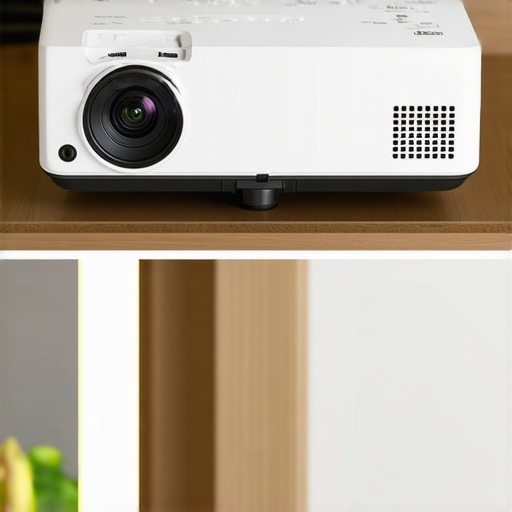
Visual comparison of UST and traditional projectors in a small living room setting.
Are Portable Projectors Sufficient for Home Use?
Portable projectors have advanced rapidly, with models from ASUS, Anker, and others packing impressive features into compact bodies. They are typically less bright (around 1000-2500 lumens) and may lack the image clarity of dedicated home theater units, especially in well-lit rooms. However, for casual movie nights, gaming, or outdoor use, they can be a convenient choice. Their main advantage is portability and quick setup, perfect for multiple locations. If your priority is a permanent, high-quality home theater, worth investing in a dedicated, high-brightness model from the premium segment. For occasional use and portability, budget-friendly options from brands like Anker are viable alternatives. Always check current prices and reviews to find the best fit for your needs.
The Strengths and Weaknesses Simplified
- Pros: Affordable price point; decent image brightness (clocks in around 2500 lumens); easy setup for backyard movie nights; flexible mounting options; improved durability in models with sealed vents.
- Cons: Image quality varies; some models lack built-in speakers requiring external audio; brightness may struggle under direct sunlight; longer-term durability can be inconsistent especially in humid or dusty outdoor conditions; limited contrast ratios in budget models.
Who Should Aim for This?
This setup is ideal for casual outdoor enthusiasts, families wanting weekend movie nights without a hefty investment, and those willing to compromise slightly on image finesse for significant savings. Skip this if you’re aiming for cinematic quality comparable to high-end theaters or need a robust, weather-resistant setup for frequent heavy use—consider investing in higher-tier models or dedicated outdoor projectors like those highlighted in this review.
Final Takeaway: A Realistic Investment
Overall, a budget-friendly projector system under $1000 can energize your backyard entertainment, especially if you manage expectations regarding image clarity and durability. It’s a pragmatic choice for occasional use and outdoor fun, but don’t expect it to compete with premium setups. For more permanent setups or daytime viewing, explore options like 4K laser projectors or UST models that handle ambient light better. If this setup sounds appealing but slightly limited, check the latest prices and reviews to pick the best-suited device for your outdoor movie adventures.