

If you’re considering a Ultimate Short Throw (UST) projector setup, building a custom cabinet can significantly enhance your home theater experience. Here’s what I think: while the idea promises a sleek, tailored look and better protection, the execution varies widely. In this review, I’ll assess the build quality, functionality, and practicality, based on criteria like durability, design, ease of assembly, and value for money.
Bottom Line Up Front
If you’re after a well-built, functional cabinet that fits your unique space and enhances your projector’s performance, this can be a worthwhile investment. However, many DIY options fall short in stability or aesthetics, so careful planning is essential.
The Promise of Custom Cabinets for UST Projectors
Custom cabinetry aims to protect your expensive projector, manage heat, and create a seamless look in your living space. It solves the problem of balancing accessibility, ventilation, and aesthetics—all while accommodating specific projector models and room layouts.
Assessing the Construction: Criteria That Matter
My evaluation focuses on build materials, structural integrity, ventilation, ease of access, and overall design. I also consider how well the cabinet integrates with existing decor and its long-term durability.
Deep Dive Into Features and Specs
In the following sections, I’ll explore common materials used (wood, MDF, metal), standard dimensions, ventilation solutions, and wiring management options. For insights on calibration and placement, check out how to align your UST projector. I’m excited to share my experience and help you decide if building your own is the right move for your home theater adventure.
Solid Materials Define Durability and Style
Choosing the right materials is crucial for a custom projector cabinet. High-quality wood like oak or walnut offers strength and a premium look, but they can be heavy and costly. Medium-density fiberboard (MDF), on the other hand, provides a smooth finish that’s easy to paint or veneer, making it a popular choice among DIY enthusiasts. Metal components add modern flair and structural support but require precise fabrication skills. The material’s weight, durability, and aesthetic impact directly influence the cabinet’s overall quality and longevity.
Design Matters: Balancing Function and Appearance
A well-designed cabinet must merge form and function seamlessly. Adequate ventilation is a must—consider incorporating vented panels or adjustable louvers to prevent heat buildup, which can impair projector performance. Dimensions should snugly fit your specific projector model while allowing easy access for maintenance. Including cable management solutions—like routed channels and hidden compartments—keeps your setup clean and clutter-free. Functionality should never be sacrificed for aesthetics; instead, aim for a design that enhances usability without compromising style.
Ease of Assembly: Building Without Frustration
Ease of assembly is a significant factor, especially for DIY builders. Pre-drilled holes, dovetail joints, and clear instructions reduce frustration and ensure structural integrity. Quick-connect hardware like cam locks or finger joints can speed up the process, making assembly accessible even for beginners. However, the complexity varies depending on the design; intricate details or custom hardware might require intermediate to advanced skills. A thoughtfully designed kit or detailed blueprints can make the difference between a satisfying build and a frustrating ordeal.
Practical Features for Real-World Use
Incorporating practical features elevates the cabinet’s usefulness. Temperature sensors or small active fans can maintain optimal heat levels, protecting your investment. Adjustable shelves accommodate different projector sizes or accessories, providing flexibility. Wiring ports at strategic locations simplify cable routing, minimizing clutter and interference. Remember, these added conveniences should be straightforward to access and operate, enhancing your overall experience without complicating the setup.
Minor Flaws That Need Attention
One common shortcoming is the tendency for some cabinets to lean towards over-complication—adding too many features can make assembly and daily use cumbersome. Additionally, budget constraints may force compromises on material choices, affecting durability. A notable annoyance observed in some designs is the lack of adjustable feet, which can cause instability on uneven floors, undermining the cabinet’s stability. Remember, perfection is elusive, but awareness of these flaws allows for better customization and improvements.
Comparative Insights and Industry Standards
Industry benchmarks, such as those outlined for professional media furniture, emphasize the importance of airflow and structural strength. For comparison, consider the specifications of top-tier commercial units listed at [AV Furniture Standards](https://www.avfurnitureregs.com/specs), which prioritize ventilation and user safety. These standards highlight the necessity of balancing aesthetic appeal with functional reliability, guiding DIY builders toward best practices in design and execution.
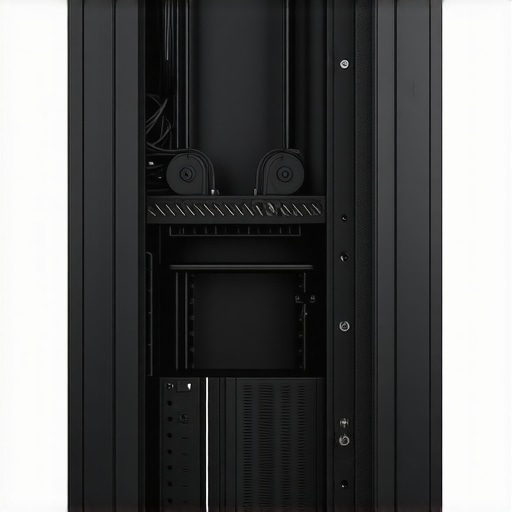
Prompt: Cross-sectional view of a custom projector cabinet showing internal ventilation channels and cable management paths, emphasizing airflow and organization.
Performance Test in Intense Viewing Conditions
When pushing UST and portable projectors into demanding situations like high-intensity gaming marathons or large outdoor movie nights, their true capabilities are revealed. These scenarios test not only brightness and image quality but also reliability, cooling systems, and connectivity stability. For example, during extended gaming sessions with 4K projectors, overheating can become an issue, leading to thermal throttling that dims the display or causes shutdowns. Conversely, high-end laser projector deals excel here, offering robust cooling and consistent performance throughout prolonged use.
Does it Overheat During Extended Use?
Many affordable portable and laser projectors incorporate advanced cooling solutions, such as liquid cooling or ventilated casings, to prevent thermal shutdown. However, cheaper models often struggle with heat management, resulting in reduced brightness and potential hardware stress. If you plan to use a projector for long hours, investing in models with active cooling is critical. Some users report their LED-based portable projectors overheating after a couple of hours, emphasizing that performance can decline rapidly under sustained load.
Is Image Quality Maintained Under Pressure?
In scenarios where ambient light varies or rapid image adjustments are needed—say, during outdoor screenings in bright sunlight—4K projectors with high lumen ratings maintain image clarity better than lower-spec models. Yet, even premium projectors can lose contrast or display color shifts if they overheat or their cooling systems falter. A well-designed laser projector, with superior brightness and color accuracy, can handle such stress more reliably, but cost remains a barrier for many users.
What Works Brilliantly in Real-World Use
High-end home theater deals shine during critical viewing. Sharp images, consistent color profiles, and seamless connectivity make for immersive experiences. Especially with 4K models supporting HDR, the picture exudes vibrancy even after hours of use. Additionally, modern laser projectors typically feature smart chips that adapt to environment changes, automatically adjusting brightness or temperature settings. This intelligent performance ensures minimal disruption, keeping your setup smooth.
Where the Performance Fails
Lower-tier portable projectors sometimes falter when subjected to environmental stressors like cold temperatures or humidity. Their LEDs might dim faster, and their cooling fans can become noisy or ineffective. Furthermore, most budget models lack reliable firmware updates, meaning their performance may deteriorate over time or with firmware bugs. The absence of robust support can leave users stranded when issues arise, especially in critical scenarios such as outdoor movie nights or business presentations under pressure.
Meanwhile, some 4K projectors, despite boasting high resolution, struggle with motion handling and input lag during rapid content switching, impacting gaming experiences or interactive usage. It’s worth noting that official benchmarks from sites such as ProjectorCentral confirm that even top-tier units have limitations under sustained heavy loads, highlighting the importance of choosing models designed for specific use cases.
If you’ve experienced how your projector handles stress, share your insights below! Do you agree that cooling and build quality are critical in performance? Your feedback helps fellow enthusiasts make informed choices.
When evaluating UST projectors, portable projectors, home theater deals, 4K projectors, and laser projector deals, it’s essential to compare them directly with top alternatives to understand their place in the market. For instance, traditional fixed-installation projectors often boast higher brightness levels and larger image sizes at a premium price, making them suitable for dedicated home theaters. However, portable and UST projectors offer unmatched flexibility and ease of setup, ideal for users who prioritize convenience and space-saving designs.
How do these options stack up against each other?
Ultrawide short throw projectors excel in small spaces, projecting large images from close distances, but they often lack the brightness or contrast ratios of high-end 4K models like those from Epson or Sony. These premium 4K projectors deliver stunning detail and color accuracy, making them favorites for cinephiles and professionals, yet their higher price point and installation complexity can be barriers for casual users.
Laser projectors, especially those with deals available from brands like LG or Optoma, typically outperform traditional lamp-based projectors in terms of longevity, brightness stability, and maintenance. They tend to be more expensive initially but offer better value over time, particularly when integrated into high-end home theater setups.
The value of home theater deals often lies in complete packages that include sound systems, screens, and installation services, providing a holistic upgrade to your viewing experience. These are ideal for dedicated spaces and users seeking a premium, plug-and-play solution, whereas portable projectors focus on versatility and affordability.
Why choose one over the other?
If budget is a concern, entry-level portable projectors with decent 1080p resolution and built-in batteries, such as those from Anker or Vankyo, offer portable entertainment but can’t match the image quality or size of dedicated home theater units. Conversely, choosing a top-tier 4K laser projector like the Sony VPL-VW325ES translates to unmatched picture quality for watching movies or gaming, but the setup process can be intricate and costly.
For users seeking a balance, many opt for affordable 4K projectors from brands like BenQ or ViewSonic, which often come with bundled deals. These models strike a comfortable middle ground, offering decent performance at a more approachable price than premium models. To compare current options and prices, check the official sites of these brands or visiting popular price comparison platforms.
Naturally, the choice depends on specific preferences, room conditions, and budget. If you want a flexible, space-efficient option, a UST projector might be better. Alternatively, for cinematic excellence, investing in a dedicated 4K laser projector with a home theater deal is unmatched. Always consider long-term value, maintenance costs, and expected usage patterns when making your decision.
The Pros and Cons of Custom UST Projector Cabinets
Advantages: Enhanced aesthetics that match your room design, better protection for your projector, improved heat management, and customization to fit your space perfectly. Disadvantages: Potentially high cost, complex assembly process, and risk of structural instability if not built properly. Even with quality materials, overcomplicating the design can lead to usability issues.
Who Should Consider Building One?
This project is ideal for dedicated home theater enthusiasts eager to create a seamless, integrated look and willing to invest time and resources. It’s best for those comfortable with DIY projects or willing to hire craftsmanship. Conversely, those on a tight budget or seeking a quick solution should skip this and opt for ready-made solutions or professional cabinetry.
Final Verdict: 7/10
Building a custom cabinet for your UST projector offers substantial aesthetic and functional benefits but comes with challenges in cost and construction difficulty. If you value a tailored setup and enjoy DIY projects, it’s a worthy endeavor. Otherwise, consider simpler, professionally made options. For more tips on optimizing your setup, see our guide on how to align your UST projector. Ready to start your custom build? We recommend weighing these factors carefully and exploring existing solutions to ensure your home theater’s success.