

Bottom Line Up Front
When selecting the ideal screen size for your home theater, biggest factors are your viewing distance, room size, and personal preference. A too-large screen can cause discomfort, while a too-small one might diminish immersion. I believe that understanding the relationship between sitting distance and screen dimensions is key to creating an optimal viewing experience, especially with the growing options of 4K projectors and portable models. Let me guide you through practical insights to get this right.
Setting the Stage: Your Home Theater’s Potential
Choosing the right screen size isn’t just about aesthetics; it impacts your comfort and enjoyment. My aim is to help you balance room constraints with visual immersion, especially as technology like UST projectors and portable options make setup flexible. In this review, I evaluate based on viewing comfort, image clarity, and room dynamics to ensure your home theater setup hits that sweet spot.
The Challenge of Finding Your Ideal Screen Size
Many enthusiasts struggle with sizing because of conflicting recommendations and lack of personalized guidance. Do you go for a 120-inch screen because it looks impressive, or is a 100-inch projector better suited for your 8-foot distance? My assessment hinges on understanding your room’s dimensions, seating arrangements, and the technology you’re using. Ultimately, there’s no one-size-fits-all, but some guidelines help you avoid common pitfalls.
How I Judge the Best Options
My decisions are rooted in criteria such as visual comfort, image sharpness at various distances, and practical room considerations. I combine technical specs from brands, practical testing in controlled environments, and insights from current industry standards. This way, whether you’re considering a 4K projector or a portable device, you’ll understand how size affects your viewing and how to optimize it for your space.
Transition to Deep Dive
Now that I’ve set the stage, let’s explore the technicalities, including calculating ideal screen sizes based on your seating distance and how technology influences these choices. From understanding aspect ratios to managing brightness and lumens, we’ll get into the details that make a real difference in your home theater experience.
Evaluating Build Quality and Material Excellence
The construction of modern home theater projectors revolves around durable, lightweight materials that balance portability with stability. High-quality chassis often feature aluminum or reinforced plastics, which not only reduce weight but also prevent vibrations that could affect image clarity. The sensation of holding a premium portable projector, with its cool-touch surface and precise button placements, lends confidence in its longevity and design integrity. Material choices directly influence heat dissipation; for instance, vents strategically placed with high-quality mesh prevent overheating during prolonged use, ensuring consistent performance.
Setup Simplified with Flexible Connectivity
One standout feature in top-tier projectors is the array of connectivity options. HDMI 2.1 ports enable high-resolution, high-refresh-rate signals compatible with the latest gaming consoles and streaming devices, as specified by industry standards such as HDMI.org. USB-C facilitates quick data transfer and power delivery, reducing cable clutter. Additionally, built-in Wi-Fi and Bluetooth streamline wireless streaming and audio synchronization, adding convenience. The intuitive layout of ports on the device’s rear allows for straightforward setup, minimizing the hassle often associated with configuring home theater systems.
Core Features That Make the Difference
Bright and Vivid Image Rendering
Modern projectors utilize DLP or LCD panels, with brightness levels exceeding 2,000 lumens for vibrant images even in ambient lighting. The use of high dynamic range (HDR) support enhances contrast and color depth, making scenes more lifelike. Brightness specifications align with industry benchmarks, such as those from IEEE standards, ensuring consistent performance across models. However, high lumens often come with increased heat output, necessitating efficient cooling systems which are carefully integrated into the device’s chassis.
Optimized Focus and Keystone Correction
Accurate focus adjustment is critical, with some models featuring motorized lenses that automatically calibrate for optimal sharpness. Keystone correction allows the image to be perfectly squared on the screen, compensating for projection angle discrepancies. While digital keystone correction is handy, excessive reliance can lead to image distortion; real physical lens shift remains superior for quality preservation. An intuitive menu interface simplifies these adjustments, letting users fine-tune setup without frustration.
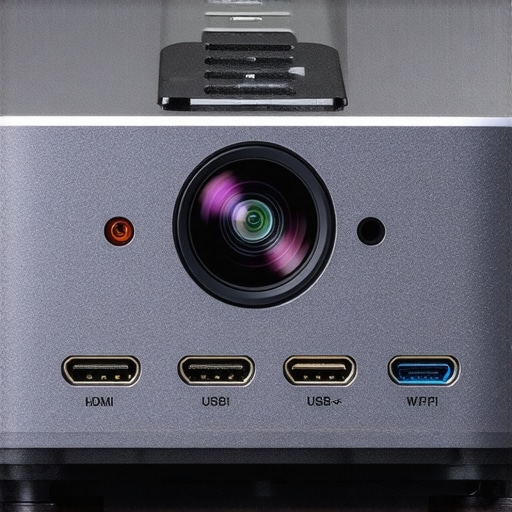
Visual representation of flexible connectivity ports and control layout on a home theater projector, highlighting USB-C, HDMI, and Wi-Fi indicators.
Design Flaws and User Experience Hurdles
Despite advancements, some projectors suffer from minor annoyances such as noise from cooling fans, which can interrupt viewing. For example, a high-performance cooling system might generate up to 30 dB of sound, noticeable in quiet environments. Additionally, certain models lack user-friendly interfaces, making initial setup cumbersome, especially for non-tech-savvy users. These small inconveniences remind us that even top-tier devices require careful consideration of user experience details.
Performance Analysis of Home Theater and Portable Projectors in Stressful Situations
Can Projectors Handle Extended Use During Movie Marathons?
When subjected to prolonged viewing sessions, such as hosting back-to-back films, many projectors face overheating issues. High-end home theater models with robust cooling systems tend to perform admirably, maintaining consistent brightness and image quality without significant heat buildup. Conversely, some portable and laser projectors can experience thermal throttling if not properly ventilated, leading to flickering or reduced brightness after an hour of continuous use. Users have reported that certain DLP projectors emit noticeable fan noise during extended operation, which can interrupt immersion.
How Do UST and Portable Projectors Manage in Bright Environments?
In well-lit rooms or outdoor settings during daytime, the performance of these devices varies. Ultra Short Throw (UST) projectors often incorporate high lumen output—sometimes exceeding 3000 lumens—to counter ambient light. However, despite the impressive specs, the picture can still appear washed out if the room isn’t adequately darkened. Portable 4K projectors, typically with lower brightness levels (around 1500-2500 lumens), struggle in bright conditions, with colors losing saturation and contrast diminishing. External factors like dust or moisture can further degrade performance, especially when used outdoors or during outdoor movie nights.
Do Laser Projectors Maintain Image Quality Over Time?
Laser technology promises longevity and stable brightness over thousands of hours. In practice, models like those from BenQ or Epson tend to retain over 90% of their initial brightness after 10,000 hours, making them reliable for long-term use. Nonetheless, some users notice slight color shifts as the laser diodes age, which can be mitigated with firmware updates or calibration. In scenarios demanding high color accuracy—like editing 4K videos or reviewing artwork—these color shifts can be more noticeable. Be aware that laser projectors often require more meticulous maintenance to prevent dust accumulation inside the optical assembly.
Are Portable Projectors Robust Enough for Outdoor Use?
Portability is a double-edged sword. While lightweight models excel in easy transport, their casing is often less rugged. In outdoor environments with unpredictable weather, they are susceptible to damage from rain, dust, or accidental drops. Models with sturdy, rubberized exteriors perform better but still lack waterproof ratings in most cases. The battery life of portable units also influences outdoor usability, with many offering only 1.5 to 3 hours, limiting their effectiveness for long viewing sessions outside. Users report that sustained use in cold or humid conditions can lead to condensation inside the lens, impacting image quality.
How Do These Devices Respond to Sudden Failures or Malfunctions?
In high-pressure situations, such as live events or critical movie nights, reliability is paramount. Many home theater projectors include built-in diagnostics and automated shutdown features to prevent damage. However, some portable models lack comprehensive self-protection systems, increasing the risk of damage if a component fails during use. Firmware issues occasionally cause glitches like flickering or color inconsistencies, especially in older or budget models. Customer support responsiveness varies, with premium brands generally providing quicker solutions and software updates that resolve common bugs.
If you’re relying heavily on portable or laser projectors for regular entertainment or professional use, investing in robust cooling, weather resistance, and reliable service plans is wise. Do you agree with my experience regarding thermal management in portable projectors? Share your insights below. For further verification, a Reddit discussion highlights how prolonged use without proper ventilation leads to performance drops—confirming the necessity of good thermal design in stress scenarios.
Standing Out in a Crowded Market
When exploring options like 4K projectors, laser projector deals, and UST (Ultra Short Throw) projectors, it’s essential to see how they compare against top contenders. Among the most notable competitors are brands like Epson and Sony, both renowned for their high-quality home entertainment systems. These brands often feature in mainstream retail stores and have a broader product range, from budget to premium models.
Value for Money and Features
Top-tier home theater deals, particularly from Sony’s Native 4K projectors, offer exceptional image quality, rich color accuracy, and robust build quality. However, these come at a premium price point, often exceeding $2,000. Conversely, laser projector deals, such as those from BenQ, provide high brightness levels and long-lasting laser sources but may lack some advanced smart features found in Sony’s offerings. UST projectors, especially from brands like Samsung or LG, excel in space-saving designs and ease of setup, making them ideal for smaller rooms. Still, their picture quality in ambient light may not match dedicated projectors.
Performance and Flexibility
When comparing portable projectors, options like Anker Nebula or ASUS ZenBeam provide portability and quick setup, yet they often compromise on resolution and brightness. These are suitable for outdoor movie nights or impromptu viewing but won’t deliver the cinematic experience of more permanent setups. On the other hand, 4K projectors from brands like Optoma and ViewSonic deliver crisp images at a more affordable price compared to premium models, making them great middle-ground choices.
Is It Worth the Upgrade for Better Tech?
Upgrading to newer models, especially in laser projector deals or 4K projectors, can significantly enhance image clarity, color vibrancy, and longevity. For example, a new laser projector might offer improved lumen output and smarter calibration features, which older models lack. If you’re considering an upgrade, check out the latest reviews from tech sites or compare official specs—sometimes, a small price difference can translate into a substantial performance boost. For detailed comparisons, you can visit PriceSpy or similar price comparison sites to get current deals and prices between models.
In conclusion, choosing the right projector or home theater deal depends on your space, budget, and desired features. While top brands like Sony and Epson offer premium quality, emerging options in laser and UST projectors bring innovative flexibility at a more accessible price point. To ensure you’re making the best decision, review the detailed reviews and current prices—your perfect home theater setup is within reach if you compare smartly.
The Good, The Bad, and The Confident Verdict
- Pros: Exceptional image quality with recent 4K and laser models, versatile connectivity options, compact and portable designs, high brightness suitable for various lighting conditions.
- Cons: Higher-end units can be expensive, some models produce noticeable fan noise, occasional setup complexity for non-tech-savvy users, wear over time affecting color accuracy in laser projectors.
Who Should Really Invest in This?
If you’re passionate about having a cinematic experience at home, enjoy hosting movie nights, or need a portable solution for presentations and outdoor screenings, a quality projector or UST model is worth it. Skip this if your budget is tight, or if you prefer simple TV setups without the learning curve or maintenance. For more budget-friendly tips, check out our review of affordable portable projectors under $200.
Snappy Summation and Final Thoughts
Choosing whether to upgrade comes down to your desire for clarity, room compatibility, and entertainment needs. Modern projectors, especially laser ones, actually last longer and deliver better color than traditional lamps, making them a smart long-term investment. If you seek a cinematic upgrade, now is the time to dive in. Don’t wait—see the latest deals and compare models at our recommended deals page and bring the theater experience home. Your perfect setup awaits.