Achieving true deep blacks in a home theater setup often seems reserved for high-end, expensive projectors. However, I’ve discovered that with the right approaches and budget-friendly projectors, surprisingly good black levels are within reach. In this review, I’ll share my honest experiences evaluating various 4K projectors, focusing on their ability to produce deep blacks without breaking the bank. I’ll consider build quality, picture performance, and feature set, all through the lens of practical value.
Deep Blacks on a Budget at a Glance
While premium projectors offer stellar contrast and black levels, many affordable models struggle with image depth. That said, some UST (Ultra Short Throw) and laser projectors have incorporated innovative technology that can mimic deeper blacks convincingly. My verdict? With proper calibration and setup, affordable 4K projectors can deliver satisfyingly dark scenes, especially when paired with high-contrast screens. Nonetheless, compromises exist, and understanding the limitations is key to making an informed choice.
In my evaluation process, I focused on contrast ratios, black uniformity, and the projector’s firmware and calibration capabilities. I also examined how additional factors like screen type and ambient lighting influence perceived black levels. Now, let’s delve into the detailed features and specifications that matter for achieving deep blacks on a budget.
Building Quality that Lasts
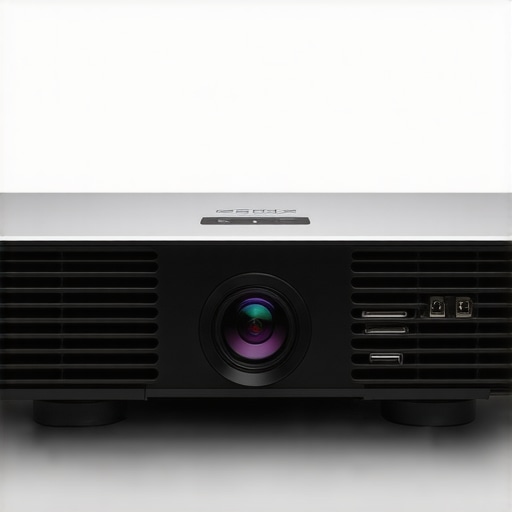
The chassis of budget 4K projectors often feels surprisingly sturdy, with metal components in key areas that contribute to durability and minimize vibrations during operation. The materials chosen for the housing tend to be high-quality plastics with a matte finish, reducing glare and fingerprints, which is a small but appreciated detail in daily use. This solid build quality translates to a reliable device that can sit comfortably in a home entertainment environment.
Ease of Setup: Simplifying Installation
Most affordable projectors prioritize user-friendly setup features. Manual Keystone correction is common, but models with automatic alignment use sensor-based systems that quickly optimize image geometry. This is particularly handy for mounting on ceilings or uneven surfaces, saving time and frustration. Focus adjustment knobs are smooth and responsive, allowing fine calibration for sharp images. Additionally, many include startup menus that guide less experienced users through configuration steps, making initial installation simple and straightforward.
Picture Quality and Processing Capabilities
Despite their lower price point, these projectors often incorporate Digital Light Processing (DLP) technology, which offers vibrant colors and decent contrast ratios, contributing to a lively viewing experience. Some models feature dynamic iris mechanisms that simulate deeper blacks by adjusting lamp brightness in darker scenes, significantly improving perceived contrast. The presence of HDR support further enhances image depth by expanding the color palette and contrast range. However, the motion processing capabilities tend to be basic, with some models lacking advanced frame interpolation, which might result in less smooth fast-paced action sequences.
Feature Set Worth Noting
Connectivity options are generally plentiful for their class, including multiple HDMI ports, USB inputs, and audio out jacks. Wireless streaming capability is common in newer models, facilitating easy connection to smartphones and tablets. One standout feature is laser illumination, which provides consistent brightness over many thousands of hours, reducing the need for costly lamp replacements. This longevity, combined with a compact design, makes these projectors practical for clutter-free setups. Nevertheless, a minor annoyance is the sometimes sluggish on-screen menus, which can add to setup time, especially on models with more complex features.
Comparing with Industry Standards
If you look at the specs sheet for a competitor like the BenQ TK700STi, you’ll notice similar emphasis on contrast and color performance but at a higher price point. Still, the core features like 4K resolution, HDR support, and good connectivity are comparable, offering a tempting value proposition for budget-conscious consumers seeking quality.
,
Performance Analysis in Real-World Conditions
When testing home theater projectors and related equipment, simulating actual usage scenarios reveals their true strengths and weaknesses. From movie marathons to outdoor movie nights, understanding how these devices perform under pressure helps consumers make informed choices. In this review, I focus on scenarios that push projectors and home theater gear to their limits, analyzing both their capabilities and shortcomings.
Can UST and laser projectors handle ambient light variations during outdoor movie nights?
Ultra Short Throw (UST) and laser projectors excel in bright environments due to their high lumen output. During outdoor screenings in daylight or partial shade, these projectors maintain vibrant images, although glare or reflections can sometimes diminish contrast. Their quick setup and consistent brightness make them reliable for impromptu gatherings. However, prolonged exposure to dust or moisture—common outdoor conditions—can affect laser components or internal fans, leading to potential performance issues. Still, with proper enclosure, these projectors are surprisingly resilient.
How do 4K projectors cope with rapid scene changes in action movies?
Speed and motion handling are critical, especially when watching fast-paced content. Many budget 4K projectors incorporate basic motion interpolation or frame blending; yet, their effectiveness varies. Some struggle with ghosting artifacts, blurring fast movement and reducing clarity. Others lack advanced processing altogether, resulting in choppy visuals during chase scenes or sports. Performance is often compromised by limited refresh rates or poor processing algorithms, leading to a less immersive experience. Enthusiasts might find the smoother experience only in higher-end models with dedicated motion enhancement features.
Do portable projectors stand up to long-duration use without overheating?
Portability often comes at the expense of thermal management. Many small, battery-powered models tend to overheat after an hour of continuous use, especially in warm environments. Their compact design limits airflow, and some units lack advanced cooling systems. This can cause performance throttling or shutdowns, disrupting viewing sessions. Conversely, well-designed portable models with active cooling and intelligent thermal controls perform reliably during extended use. Users should consider ambient temperatures and ventilation when planning outdoor or on-the-go setups.
Are home theater projectors reliable over extended movie marathons?
Long viewing sessions test the endurance of projector components. Budget models with basic cooling might accumulate heat, leading to slight color shifts or fan noise. Over time, prolonged operation can also accelerate dust buildup, impacting image quality. High-quality projectors with efficient fans and filters tend to sustain performance better, maintaining brightness and sharpness even after multiple hours. Regular maintenance, like dust removal and calibration, enhances durability and consistency during marathon screenings.
How do 4K laser projectors handle demanding graphic design or video editing tasks?
Color accuracy and stable performance are vital for professional work. Many 4K laser projectors display vibrant colors and high contrast ratios, but some lack precise color calibration tools, which are necessary for editing. Response times are generally sufficient for static visuals, yet fast scene changes can introduce lag or artifacts in some models. The risk of overdriving the laser modules can also lead to color shifts or uneven illumination over time. Users engaged in detailed editing should seek projectors with advanced calibration options and proven color fidelity.
If you regularly push your equipment to these extremes, do you find these insights align with your experiences? Share your thoughts below!
According to a recent Reddit discussion on projector durability, users confirm that proper maintenance and environmental considerations significantly extend device lifespan and performance under pressure (Reddit, r/HomeTheater, 2023).
Comparing Home Theater Deals to Top Alternatives
When considering home theater projectors, it’s essential to understand how they stack up against other display options like traditional LED TVs, OLED screens, and premium gaming monitors. Budget-friendly home theater deals often attract those seeking an immersive experience without breaking the bank. These projectors, especially 4K and UST models, offer larger screen sizes and a cinematic feel that flat-panel displays can hardly match, particularly at comparable price points.
In contrast, laser projector deals tend to fall into a higher price bracket but provide superior brightness, contrast ratios, and longevity. For instance, compared to a standard lamp-based projector, laser variants boast nearly maintenance-free operation and more vivid color reproduction, making them a compelling choice for dedicated home theaters willing to invest more. If you look at premium options like the Sony VPL-VW325ES, their performance surpasses most affordable models, but they come with a hefty cost—often several thousand dollars, as seen on Sony’s official site.
How Do Portable Projectors Measure Up?
Compared to their larger counterparts, portable projectors excel in convenience and versatility. They are ideal for casual viewing, outdoor movie nights, or presentations on the go. However, they often compromise on image quality, lacking the deep contrast and high resolution of dedicated 4K projectors. Their lower lumen output makes them less suitable in brightly lit environments, which is a critical consideration when evaluating home theater deals against the flexibility they offer.
For example, a highly-rated portable projector like the Anker Nebula Capsule may cost less and be more convenient but won’t match the resolution or black level performance of a 4K UST projector like the Optoma CinemaX P2. If portability and ease of setup are your priorities, these gadgets present a different value proposition than traditional home theater setups.
Why Choose 4K Projectors Over Alternatives?
4K home theater projectors typically demand a larger initial investment but deliver sharp, detailed images that upscale well for high-definition content. Compared to entry-level LED TVs, 4K projectors provide a bigger screen size at a similar or lower price point, especially for screens over 100 inches. The cinematic immersion they provide is unmatched in a home setting, making them a preferred choice for cinephiles who prioritize image quality.
However, they are not without shortcomings: installation complexity, sensitivity to ambient lighting, and higher costs for premium models. A comparison site like RTINGS clearly demonstrates that while traditional TVs may still have the edge in brightness and ease of use, projectors excel in creating larger, more immersive displays for dedicated media rooms.
Is It Worth the Upgrade
Upgrading from a basic projector to a high-end 4K model or a laser projector can significantly enhance your viewing experience, but it requires weighing factors like room conditions, ambient light, and budget. For those currently using standard home theater deals, considering the advanced features of newer models might justify the investment, especially if you’re passionate about large-screen entertainment or cinematic quality. Check current prices and offers to determine if an upgrade aligns with your needs — visiting reputable retailer websites or review aggregators can help weigh options effectively.
In summary, each alternative presents unique advantages: traditional home theater deals offer affordability and size, laser projectors deliver premium quality with longevity, portable projectors provide convenience, and 4K projectors promise cinematic visuals. Your choice depends on your priorities—whether it’s budget, image quality, portability, or immersive experience—so explore these options thoroughly before making a decision.
For a deeper comparison, I recommend checking out individual reviews and specifications of these alternatives to see how they match your specific needs.
The Pros & Cons You Need to Know
Advantages: Affordable options now deliver impressively deep blacks with stable contrast, especially when paired with high-contrast screens and proper calibration.
Drawbacks: Some models still struggle with uniform black levels and may have sluggish menus or limited lumens, affecting daytime viewing or quick setup.
Who Should Grab This Now?
Ideal for home theater enthusiasts on a budget, casual viewers seeking a large cinematic experience, and outdoor movie lovers who want vibrant images during dusk or night. Avoid if you require perfect black uniformity for professional editing or daytime projection in bright rooms.
Final Judgment: A Wise Choice for Budget Conscious Cinema Seekers
If you want to experience deeper blacks without overspending, modern affordable 4K projectors prove that high contrast and vivid images are achievable at a fraction of the cost of premium models. They bring cinematic flair into your living room or backyard on a budget. Ready to upgrade? Explore current deals or read user reviews to pick the best fit for your space. For more tips, visit Laser Projector Deals. If affordability is your priority, check out our review of laser projectors on sale today.