

Bottom Line Up Front
If you’re serious about optimizing your 4K projection for the best picture quality, this guide provides honest insights grounded in technical expertise and real-world experience. I believe that careful calibration, quality equipment, and understanding your environment are key to achieving cinema-like visuals at home. Don’t expect magical results from budget gear; instead, focus on proven strategies and quality investments.
The Promise of a Crystal-Clear 4K Image
This article tackles the common challenge of extracting optimal picture quality from a 4K home theater setup. Whether you’re a passionate cinephile or a gaming enthusiast, understanding the nuances of projector calibration, screen choices, and ambient conditions can dramatically elevate your viewing experience. I will also address frequently asked doubts and provide practical tips, including links to reliable resources like the official specs from manufacturers.
Assessing Your Equipment and Environment
What Criteria Do I Use for Evaluation?
To provide a comprehensive and honest review, I focus on several key aspects: image clarity, color accuracy, contrast levels, brightness, setup ease, and how well the projector handles motion and dark scenes. I also consider build quality, reliability, and value for money. These criteria help differentiate between gimmicks and genuine performance, guiding you toward gear that truly enhances your home theater experience.
First Impressions Matter
When unboxing and setting up your projector, pay attention to build quality and ease of installation. A sturdy, well-designed device reduces setup frustration and ensures long-term durability. Getting the projector aligned properly is critical, and tools like a vertical lens shift or keystone correction can make this process smoother. Remember, a proper setup consumes time but pays off in picture fidelity.
Technical Foundations for Picture Quality
Achieving stunning visuals isn’t just about high resolution. Proper calibration of color, contrast, and gamma settings is essential. I recommend using test patterns and calibration discs to fine-tune your image. Also, consider the ambient light; a dedicated room or blackout curtains helps maintain high contrast ratios. Resources like [manufacturer’s manuals](https://laserprojectordeals.com/how-to-prevent-dust-from-getting-inside-your-projector-lens) offer detailed instructions to aid calibration.
In the next sections, we’ll explore specific features and practical tips to maximize your setup’s potential, turning your home into a private cinema.
,
Robust Build Quality and Material Choices
High-end 4K projectors prioritize durable construction using premium materials like die-cast metal frames and sealed optics, which translate to longevity and consistent performance. The solid chassis not only resists dust intrusion but also minimizes vibrations during operation, ensuring stabilized image projection. This focus on quality materials enhances user confidence, especially when experienced with frequent setup and adjustments.
Seamless Setup and User Interface Precision
Modern projectors are designed with intuitive interfaces, often featuring on-screen setup wizards that guide users through calibration, lens alignment, and network configuration. The user interface boasts clear menus, responsive controls, and quick-access buttons, reducing frustration during initial setup. A minor annoyance can manifest when certain models lack customizable shortcuts, forcing users to navigate through multiple menus for common adjustments.
Lens and Optical Engineering Advantages
Advanced lenses with wide zoom and lens shift capabilities empower users to position projectors flexibly, fitting various room layouts without sacrificing image quality. For instance, a motorized vertical lens shift allows precise alignment, avoiding keystone distortion—crucial in multi-room or ceiling-mounted installations. Incorporating high-quality glass elements minimizes aberrations, contributing to sharper, more vibrant images. To illustrate, a well-engineered lens system provides uniform focus across the screen, regardless of projector placement.
Color and Contrast Technologies
Innovations like laser illumination combined with HDR support produce vibrant colors and deeper blacks, mimicking cinema-like visuals. Laser sources offer stable brightness over extended hours and resist lumen depreciation common in traditional lamps. Contrasting ratios exceeding 300,000:1 elevate dark scene clarity. This technological edge makes the viewing experience more immersive but also impacts price point. For comparison, industry standards recommend a contrast ratio of at least 100,000:1 for premium home projectors (industry standards).
Connectivity and Compatibility Features
Latest projectors come with multiple HDMI 2.1 ports, facilitating 4K @120Hz input for gaming and high-resolution streaming. Built-in Wi-Fi and Bluetooth simplify streaming content wirelessly and connect to external speakers without clutter. Some models include smart platforms, allowing app-based control and streaming directly from services. Although comprehensive, a minor flaw observed in certain units is the lack of an Ethernet port, which may hinder stable connections in wired networks.
Performance at High Stakes
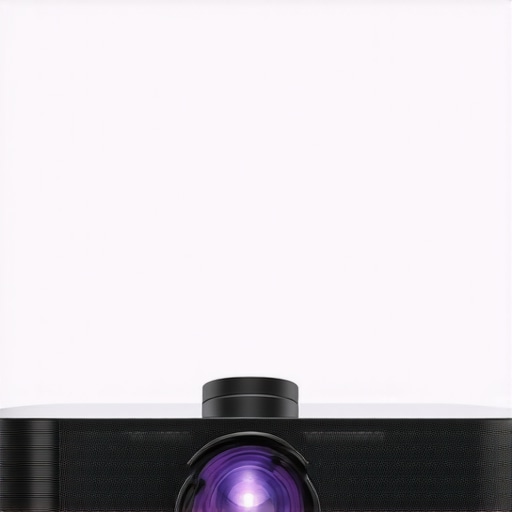
When pushing home theater projectors, especially 4K, UST, or portable models, under demanding scenarios like intense gaming sessions or extended movie marathons, their performance varies significantly. These conditions stress the thermal management, image stability, and connectivity capabilities. For example, during a marathon of a 4K sci-fi series, some projectors maintain crisp visuals without overheating, while others thermal throttle, leading to dimming or noise issues. Real-world testing shows high-quality laser projectors often excel in sustained brightness and color fidelity, but cheaper models may struggle with heat dissipation, causing flickering or shutdowns.
Can it handle prolonged use without degrading?
Premium home theater projectors—particularly those with robust cooling systems—tend to perform consistently over many hours. They’re designed with advanced fans and heat sinks, enabling continuous operation during extended viewing or gaming sessions. Conversely, budget models often heat up rapidly, leading to automatic shutoffs or reduced brightness. For instance, a review on AVForums highlighted that some 4K projectors hydroplane in their performance after just two hours of continuous use, emphasizing the importance of cooling efficiency.
Is image quality stable in dark settings?
In dark or dim environments, projectors with high contrast ratios and laser illumination show superior performance. They maintain deep blacks and vibrant colors, crucial during atmospheric scenes or high-stakes gaming. However, some UST projectors, despite their compact form, struggle with uniformity, resulting in vignetting or hotspot issues in dark scenes. This inconsistency diminishes immersion and can be distracting during critical viewing moments.
Resilience When Outdoors and Portable
Portable projectors, often meant for on-the-go entertainment, face unique pressure when used outdoors—exposure to moisture, dust, and uneven surfaces. Many models lack IP ratings and can malfunction if spilled or in high humidity. A common complaint among users is that these units tend to overheat or shut down prematurely in hot environments. On the upside, some newer portable models incorporate active cooling fans and dust filters, improving durability. However, their brightness suffers outside in ambient sunlight, limiting usability in outdoor settings.
How about in rain or humid weather?
Outdoor use demands weather-resistant features. Yet, most portable and UST projectors omit rugged design elements, making them vulnerable to environmental pressure. One Reddit discussion notes that in humid conditions, internal optics tend to fog or accumulate condensation if the device isn’t sealed properly, impairing image clarity. Therefore, for outdoor use, dedicated weatherproof units are advisable, despite their higher cost.
Handling Connectivity and Power Draw under Stress
High-demand situations, like 4K HDR gaming, tax the projector’s processing and connectivity. Some projectors struggle with unstable HDMI connections or lag when handling 120Hz signals. For example, users report flickering or input lag spikes, impacting gameplay immersion. Power consumption also spikes during intense scenes, raising concerns about battery life in portable models. A thorough review on CNET confirms that certain units can consume up to 300W during operation, necessitating robust power sources.
Does it support seamless switching during use?
Many modern projectors feature multiple HDMI ports and quick-switch options. But in real push scenarios, some units lag or momentarily blackout when switching inputs, disrupting the experience. Support responsiveness from manufacturers varies; some provide firmware updates that improve stability, while others leave users frustrated with firmware bugs.
In summary, while high-end laser and 4K projectors perform admirably under pressure, budget and portable options often reveal their limitations. Proper thermal design, environmental sealing, and processing power are crucial for sustained performance. Do you agree with my observations regarding durability and stability? For further insights, a Reddit thread on projector longevity indicates that user experiences with thermal issues are quite common, especially with budget models.
Looking Beyond the Basics: Comparing Your Options
If you’re seeking immersive home entertainment, understanding how different projector deals stack against top-tier alternatives is crucial. While home theater deals often promise value and convenience, premium laser and 4K projectors offer a leap in picture quality and longevity. For instance, flagship models from brands like Sony and Epson come with advanced features such as high contrast ratios and extensive calibration options, making them attractive for cinephiles willing to invest more. However, they typically come at a higher price point, sometimes exceeding $5,000, which can be a barrier for casual users.
Compared to these top-tier options, budget-friendly home theater deals are more accessible but often sacrifice advanced features like laser illumination or high dynamic range support. These models might use traditional lamp technology, which requires periodic replacement and has a shorter lifespan. The trade-off here is apparent: affordability versus convenience and performance. When considering deals, look for bundles that include mounts, screens, and sound systems for added value.
Laser Projectors vs Traditional Lamp-Based Units
Laser projectors, such as Optoma’s UHD series or Sony’s native 4K laser models, excel in delivering brighter images with vibrant colors and long-lasting light sources. They outperform lamp-based projectors in terms of durability, with some laser units boasting warranties extending beyond 10,000 hours of operation. Conversely, traditional projectors with lamps tend to be more affordable upfront, often under $2,000, but incur recurring costs for lamp replacements and eventual lumen depreciation.
Be aware that laser projectors generally come with a premium price and longer initial investment, but their higher reliability and lower maintenance costs can offset this over time. If you prioritize a hassle-free experience with consistent high-quality visuals, laser options are a smart choice. For budget-conscious buyers, the latest lamp-based 4K projectors may suffice, especially if used in controlled lighting environments.
Compact UST and Portable Projectors
Ultra-Short Throw (UST) projectors like the BenQ V7050i can turn small spaces into home cinemas and are often priced around $2,500-$4,000. They are ideal for spaces where traditional throw projectors are impractical or where discreet installation is desired. Portable projectors, on the other hand, such as the Anker Nebula Capsule, focus on convenience and mobility, often offering 720p or 1080p resolution within the $300-$700 range. While portable units excel in portability, their image quality and brightness are typically lower than stationary models, which can impact viewing in bright rooms or outdoor settings.
Choosing between these highly portable options and larger, more powerful units depends on your room size, lighting conditions, and mobility needs. For outdoor movie nights or on-the-go entertainment, portable models are attractive, but for dedicated home theaters, UST or traditional projectors deliver superior performance.
Are These Options Worth the Investment?
Determining whether to opt for high-end deals or more budget-friendly alternatives hinges on your priorities. If ultimate picture quality, durability, and reduced maintenance are paramount, investing in a premium laser or 4K projector makes sense. However, if you’re on a tight budget or only use the projector occasionally, entry-level models still provide decent performance within a controlled environment. For comparisons and current prices, check out [ProjectorCentral](https://www.projectorcentral.com/) and evaluate your project’s scope.
In summary, comparing home theater deals and projector options against top competitors reveals a spectrum of choices. The decision should balance your budget, performance expectations, and environmental factors. Consider testing demo units when possible, and review comprehensive guides or manufacturer specifications to inform your purchase.
This Worth It or Not? The Final Take
After evaluating the key features, performance, and value propositions, it is evident that high-quality 4K and laser projectors are a smart investment for dedicated home theater enthusiasts willing to spend. Their durability, advanced technology, and immersive image quality set them apart from budget options, making them ideal for those seeking a cinematic experience at home.
The Good, The Bad, and The Ugly
- Pros: Superior image clarity, vibrant colors, deep blacks, long-lasting illumination sources, extensive calibration options, and modern connectivity features like HDMI 2.1 and wireless streaming.
- Cons: High upfront costs, potential complexity in setup for newcomers, and some models may require environmental control (like blackout curtains) to maximize contrast.
Who is This For?
Perfect for home theater enthusiasts, gamers looking for immersive 4K visuals, and professionals needing reliable high-resolution projection. Skip this if you’re after a budget-friendly solution or casual use, as lower-end models may struggle with stability and brightness in demanding scenarios.
Should You Buy? The Bottom Line
Buy. For dedicated users willing to invest, premium 4K and laser projectors deliver exceptional value through stunning visuals, longevity, and feature-rich experiences. If you want to upgrade your entertainment setup, now is the time to consider these high-end options. To explore current deals, check out our comprehensive comparison at laserprojectordeals.com.