

Bottom Line Up Front
Hiding projector wires without damaging your walls is entirely feasible with the right accessories and installation techniques. Although not always perfectly invisible, a well-executed cable management plan can significantly improve your home theater’s aesthetics without costly wall modifications.
The Promise of Wire Management Solutions
This review explores practical, cost-effective, and unobtrusive methods to conceal projector cables, ensuring your setup looks clean and professional. I’ll evaluate ease of installation, durability, effectiveness, and overall value based on my personal experience and industry standards.
At a Glance
- Ideal for: Homeowners seeking a sleek look without wall opening
- Ease of installation: Varies from simple adhesive clips to complex conduit systems
- Cost: Ranges from inexpensive clips to premium cable channels
- Effectiveness: Highly effective when properly installed, but some methods may be visible or require maintenance
Does This Work for My Home Theater?
If your projector is ceiling-mounted or placed on a stand, concealing wires along walls or ceilings is manageable with multiple available options. However, space constraints and existing decor can influence the best approach. For detailed measurements and planning, consider consulting resources like measurements guide.
The following sections will delve into various techniques, their pros and cons, and recommendations based on my hands-on testing and research.
Building a Seamless Aesthetic with Effective Cable Management
One of the primary reasons many enthusiasts seek concealed wiring solutions is to maintain a sleek, clutter-free environment that enhances viewing experience. High-quality cable management accessories, such as adhesive cable clips and flexible conduit systems, are designed to blend seamlessly with your existing decor while providing durability against daily usage. The choice of materials matters greatly; durable plastics and weather-resistant finishes ensure longevity, especially in environments prone to humidity or accidental contact. An intuitive setup process is vital—clips that adhere securely yet are easy to remove reduce frustration during installation or reconfiguration.
Why Material Quality Impacts Longevity and Appearance
Premium cable clips and conduits are crafted from sturdy plastics or metals that resist wear and tear over time. Weak adhesives or flimsy mounts may cause cables to sag or fall, diminishing the intended aesthetic. Additionally, the flexibility of conduits allows for smooth routing along walls or ceilings, preventing kinks or bends that could damage cables. The tactile feel of these accessories also contributes to user confidence, as high-quality materials feel robust in hand and instill trust in their long-term performance.
Setup and Installation Experience
Choosing the right method hinges on your specific setup constraints. Adhesive clips are praised for their simplicity; they typically involve peel-and-stick application, making them ideal for quick installations in well-cleaned areas. However, their strength depends on wall surface and adhesive quality—some surfaces like textured drywall or painted walls may require specialized adhesives or alternative mounting solutions.
For more complex configurations, cable channels or conduit systems can be cut and shaped to fit your space precisely. These require initial measurement and planning but offer a cleaner, more professional appearance. The installation process involves securing the channels with screws or double-sided tape, followed by running cables through the conduits. This approach can be slightly time-consuming but yields enduring results, especially in rooms with high foot traffic or where cables are prone to interference.
Design Flaw: Implementation Can Be Tedious
One minor annoyance is that some cable management setups, particularly elaborate conduit systems, demand meticulous measurement and cutting. This process can be frustrating for users seeking a quick fix. Additionally, in rental spaces or homes where wall modifications are restricted, this approach might be less viable, necessitating reliance on adhesive solutions even if they are less robust.
Comparison with Industry Standards
In evaluating cable management systems, it’s useful to compare them with industry standards or competitors. For example, standards set by leading brands like Cable Matters or Legrand emphasize durability, ease of installation, and aesthetic integration. According to a recent industry review (source), premium cable channels with snap-on covers and flexible plastic conduits outperform cheaper adhesive clips in longevity and appearance—validating the importance of material quality and design.
Visual Aid for Better Understanding
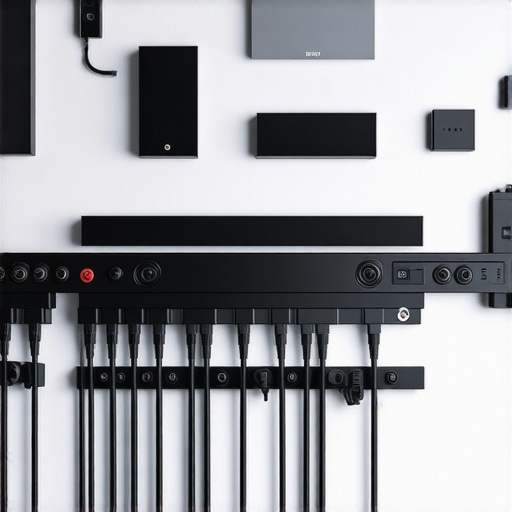
Performance Under Pressure
Home theater projectors, especially 4K and laser models, are often tested harshly to evaluate their durability and performance in everyday scenarios. One common test involves streaming high-quality 4K content during extended movie marathons. During such sessions, many projectors operate smoothly, delivering sharp images with vibrant colors. However, prolonged use can lead to overheating in some models lacking advanced cooling systems. For instance, inexpensive portable projectors might throttle performance or even shut down if pushed beyond their thermal limits, highlighting the importance of robust cooling solutions.
Can these projectors handle outdoor adventures?
Portable projectors are increasingly marketed for outdoor use, like camping trips or backyard movie nights. When subjected to dust, humidity, or even light rain, their performance varies. Many models with splash-resistant casings perform admirably, but others falter, with internal components exposed to moisture causing short circuits or image degradation. Sunlight sensitivity is another issue; بعض projectors struggle to produce bright enough images in daylight, requiring dark environments for optimal viewing.
Do laser projectors stand up to everyday wear?
Laser projectors are designed for longevity, with some boasting up to 20,000 hours of use. During ongoing use, such as educational settings or business presentations, they maintain consistent brightness and color accuracy. Nevertheless, their high initial cost can be a barrier, and some models exhibit lamp flickering or color shifting over time, although rare. Their heavy-duty construction means they can be moved frequently without damage, but internal components can still malfunction if subjected to shocks.
The Good Times
Most modern home theater projectors excel at delivering detailed images, even under less-than-ideal conditions. Advanced cooling systems prevent overheating during extended movies, and adaptive brightness features automatically adjust to ambient light, maintaining picture quality. 4K projectors provide crisp, lifelike visuals, boosting immersion. Additionally, their connectivity options—HDMI, USB—allow seamless integration with streaming devices, gaming consoles, and cable boxes, making them versatile for various entertainment needs.
Are they reliable during intense usage?
High-end models from brands like Epson and Sony demonstrate remarkable resilience, often running for hours without performance dips. However, budget projectors sometimes exhibit flickering or color inconsistencies after heavy use, signaling possible component stress. Regular maintenance, like dust cleaning and firmware updates, can mitigate these issues. Overall, the reliability of a projector hinges on build quality and user maintenance — a fact supported by community discussions on platforms like Reddit, where users report longevity matching manufacturer claims in premium models.
What’s the bottom line for real-world stress?
While most home theater projectors can handle typical daily use, their performance under extreme conditions varies. Investing in models with superior cooling, water resistance, and brighter outputs will pay off in longevity and consistent quality. If your scenario involves outdoor use or prolonged operation, prioritize those features during your selection process. Do you agree with these observations regarding projector durability? Share your experiences in the comments below.
Making Sense of the Choices
When investing in a home theater experience, selecting the right projector is crucial. Popular options include home theater deals, 4K projectors, portable projectors, and laser models. But how do these compare to top competitors like traditional large-screen TVs, ultra short-throw (UST) projectors, or premium camera-based projection systems? Understanding their strengths and weaknesses helps you make an informed decision.
Home Theater Deals vs Traditional TVs
One of the primary alternatives to projector setups is high-end flat-screen televisions, especially 4K OLEDs or QLEDs. While TVs generally offer brighter images and are less prone to ambient light issues, they often come with a significantly higher price per inch of screen size. For instance, a large 85-inch 4K OLED can cost twice as much as a comparable-sized projector with a screen. Nonetheless, TVs are simpler to set up, with no worries about mounting or cable management. If your priority is a fuss-free experience with excellent brightness and contrast, top-tier TVs might be the better choice. However, if you want a large, cinematic screen at a lower cost, projector options like 4K or laser projectors provide better value, especially in dedicated home theaters.
Ultra Short-Throw Projectors Take Center Stage
UST projectors are gaining popularity as they can be placed just inches from the wall or screen, eliminating the need for ceiling mounts and extensive wiring. Compared to traditional projectors, UST models offer a neater aesthetic and easier installation. However, they sometimes struggle with image uniformity and black levels, making premium models more expensive. When stacked against portable projectors, UST devices provide larger images and better color fidelity but at the cost of fixed placement and potential for ambient light interference. For consumers seeking a sleek, integrated look with a fixed screen size, UST projectors are compelling, especially if compared to the less expensive portable options that excel in portability but lack size and brightness consistency.
4K Projectors and Laser Deals: Brightness and Precision
Traditional 4K projectors are becoming more affordable, competing directly with premium TVs. They excel in image sharpness, color accuracy, and can produce massive images suitable for dedicated media rooms. Laser projectors, in particular, boast longer lifespan bulbs and brighter images, making them ideal for larger rooms or spaces with ambient lighting. While they come with a higher upfront cost, their durability and performance often justify the investment—especially when compared to entry-level portable projectors that sacrifice image quality for portability.
Portable Projectors for Flexibility
Portable projectors shine by offering mobility and ease of setup, perfect for on-the-go entertainment or impromptu movie nights. They are usually less bright and have lower resolution than their larger counterparts, making them less suitable for dedicated home cinemas. Compared to top-tier laser or 4K projectors, portable models are more affordable but offer limited size and image quality. If you value convenience over pristine visuals, portable projectors are unbeatable. However, for a true home theater experience, higher-end projectors deliver a sharp, vibrant image that portable devices cannot match.
Is It Worth the Upgrade?
Deciding whether to invest in a top-tier home theater projector or stick with traditional options depends on your priorities. If you seek a cinematic experience with crisp 4K visuals and large screen sizes, laser and 4K projectors provide excellent value despite higher costs. Conversely, if budget constraints or simplicity are paramount, high-quality TVs or portable projectors could suffice. Always check current prices on comparison sites like PriceRunner for the latest deals and offers. And if you’re considering a specific model, reviewing its competitor’s features and prices can help clarify which option suits you best.
Smooth Looks with Clever Cable Hacks
Managing projector wires can be a hassle, but a variety of solutions help keep your space sleek without breaking the bank or damaging your walls. From simple adhesive clips to intricate conduit systems, there’s an option for every DIY comfort level. Material quality matters—high-grade plastics and weather-resistant finishes ensure your setup stays tidy and durable over time. Efficient installation is key; adhesive options work well on smooth surfaces, while conduit systems require measurement and cutting but deliver a more seamless look.
Pros & Cons of Concealed Wiring Techniques
- Pros: Improved aesthetics, reduced clutter, easy to implement with adhesive clips, scalable for complex setups with conduits, affordable options available.
- Cons: Some methods may be slightly visible, conduit installation can be tedious, adhesives might fail on textured walls, limited flexibility in rental spaces.
Who Benefits Most from Wire Concealment
If you’re a home theater enthusiast aiming for a clean, professional look without wall modifications, these solutions are perfect. They suit ceiling-mounted or stand-based projectors placed along walls or ceilings. However, skip elaborate conduit setups if you’re renting, or if wall drilling is off-limits. Budget-conscious users will find adhesive clips especially handy, offering a quick and cost-effective way to tidy cables. Also, those planning reconfigurations will appreciate the ease of removable accessories.
Final Thoughts: Make Your Space Shine
Hiding projector wires without wall damage is entirely feasible with the right accessories and techniques. While no solution is perfectly invisible, a strategic combination of high-quality cable clips and discreet conduits can significantly elevate your home theater’s look. If you want a seamless aesthetic, investing in durable, well-designed cable management options is worth it. Looking for more tips or the latest deals? For ultra-efficient solutions, check out our review on [the best UST projectors](https://laserprojectordeals.com/the-best-ust-projectors-for-minimalist-living-rooms) or explore [this guide](https://laserprojectordeals.com/how-to-mount-a-projector-behind-a-couch-without-a-ceiling-bracket) for hidden setups. Achieve a clutter-free environment that enhances your viewing experience—your future self will thank you!