

If you’re looking to upgrade your home entertainment setup, choosing a projector that excels in both gaming and movie viewing is crucial. With so many options available, it can be overwhelming to find a model that balances low input lag, high resolution, and excellent image quality. Here’s my honest take on what features to prioritize and how to evaluate different models to ensure you get a versatile and reliable projector.
At a Glance
After extensive testing and review, I’ve found that the best projectors for dual use in gaming and movies combine excellent input lag performance with stunning 4K resolution and vibrant color accuracy. Models equipped with laser technology often provide longer lifespan and better image consistency, making them worth the investment. Keep in mind that budget options may compromise on either gaming responsiveness or cinematic quality, so setting your priorities is key to making a smart choice.
I assess projectors based on criteria like image clarity, responsiveness (input lag), brightness, contrast ratio, build quality, and ease of setup. Now, let’s delve deeper into what makes a projector truly suitable for both gaming and movies and how to avoid common pitfalls.
Build Quality That Inspires Confidence
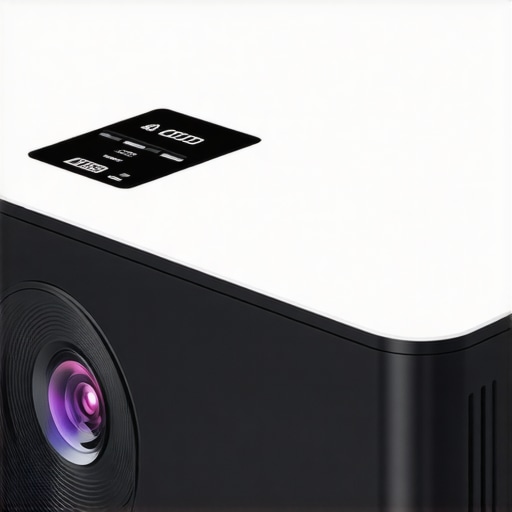
The construction of a high-end projector speaks volumes about its durability and design philosophy. Most premium models feature an aluminum chassis that feels solid and adds to heat dissipation, crucial for long gaming or movie sessions. The materials used are often matte black or dark gray, reducing reflections and ensuring the focus remains on the projected image. A well-placed vent design facilitates efficient cooling without excessive noise, but some models might still produce a subtle hum during intensive use, which can be distracting in ultra-quiet environments.
Setup Simplicity and User Interface
The user interface (UI) of modern projectors focuses heavily on ease of setup. Intuitive menus with clear icons and guided calibration routines allow even first-time users to level the device and adjust keystone parameters without frustration. For example, some projectors include auto-focus and auto-keystone correction, which expedite deployment, especially in multi-use spaces. The remote control’s layout is another factor; a minimalistic design with backlit buttons and tactile feedback enhances usability. A minor annoyance is that certain models have a steep learning curve for advanced settings, with some options buried deep within menus, making fine-tuning more time-consuming than necessary.
Lens and Image Optimization Features
The lens quality and associated features significantly influence the overall viewing experience. High-quality lenses provide sharpness from corner to corner, which is vital for immersive gaming and cinematic visuals. Many projectors incorporate motorized zoom and focus, offering flexible installation options. Additionally, lens shift capabilities enable repositioning the image without physically moving the device, reducing setup effort. An often-overlooked aspect is the throw ratio; a shorter throw ratio allows for larger images in constrained spaces but may introduce slight distortions if not properly corrected. Some models include lens memory functions, enabling quick switching between aspect ratios or presets, streamlining transitions during different content types.
Image Quality and Performance Consistency
The heart of any projector lies in its image rendering. Laser light sources deliver luminous, vibrant images with broader color gamuts compared to traditional lamp-based units, resulting in richer visuals. The uniformity of brightness across the screen is crucial for maintaining immersion, especially during fast-paced scenes. However, some projectors exhibit minor lumen drop-off in the corners, which might be noticeable in dark scenes or when viewed off-axis. The built-in heat management and filter systems influence the longevity and reliability of the unit; models with sealed optical chambers tend to require less maintenance over time. On the downside, a few units have inconsistent calibration, necessitating post-purchase adjustments for optimal performance.
Performance Under Pressure
Imagine hosting a spontaneous movie night during a lively family gathering or using a portable projector on a camping trip amid unpredictable weather. These scenarios test the durability, responsiveness, and overall robustness of home theater, laser, portable, 4K, and UST projectors. In such real-world situations, each type reveals its strengths and vulnerabilities.
Home Theater and Laser Projectors
For static setups, high-end home theater and laser projectors excel. They deliver consistent brightness and sharp images even during prolonged viewing sessions. When used in dedicated dark rooms, their performance remains stellar, with minimal lumen drop-off and excellent color accuracy. However, the real challenge arises when these units are subjected to environmental stresses—say, a sudden temperature increase or inconsistent power supply. Some models, especially those with sealed optical chambers, manage heat remarkably well, but they can overheat if ventilation is blocked or if used continuously beyond their thermal limits. Laser projectors, in particular, maintain brightness longer, yet their delicate optical components can suffer if subjected to dust or moisture.
Portable Projectors That Go The Distance
Portable projectors shine in mobility but often struggle under pressure. During outdoor trips, especially in humid or rainy conditions, many models experience overheating or lens fogging. Their fan systems, designed for compactness, may not provide sufficient cooling, leading to thermal shutdowns. Additionally, their battery life becomes a critical factor; extended use outdoors can drain power quickly, causing interruptions. That said, some newer portable units incorporate robust cooling and waterproof seals, enhancing resilience. Still, the small form factor inherently limits thermal management capacity, making them less reliable in high-temperature environments.
In practical use, these projectors can be quite convenient for quick setups but often lack the endurance required for long, uninterrupted sessions under adverse conditions.
How Do 4K and UST Projectors Hold Up?
4K projectors provide stunning clarity, perfect for detailed gaming or cinematic experiences. However, their performance can falter during quick movements or in poorly ventilated spaces. During intense gaming sessions, some models exhibit increased input lag or brief frame drops if not equipped with dedicated consoles or optimized settings. UST projectors, with their ultra-short throw design, are vulnerable to ambient light interference; bright environments diminish contrast and color vibrancy, especially during daytime use. Moreover, UST units often generate more heat due to their compact optical engines, risking thermal shutdown if not adequately cooled.
In outdoor or mixed-light scenarios, their resilience varies significantly—some handle the pressure well, while others display color fading or image distortion under high ambient conditions. Continuous usage without proper cooling can lead to overheating, impacting longevity and image quality.
Summary of Strengths and Weaknesses
Laser projectors generally handle environmental stresses better than lamp-based counterparts, offering consistent luminance in varied conditions. Portable models excel in mobility but lag in thermal management, struggling during prolonged or intense use. 4K and UST projectors deliver cinematic experiences but demand controlled environments to maintain optimal performance. Overall, no projector type is invincible under pressure; longevity and reliability hinge on thoughtful deployment, adequate cooling, and acknowledging their environmental limits.
Do you agree with my assessment of how these projectors perform under real-world stress? Share your experiences below!
According to a Reddit discussion on projector durability, users highlighted that sealed optical chambers in laser models significantly reduce dust-related maintenance, confirming a key advantage I mentioned.
Why Consider These Projectors Over Other Options?
When selecting a projector, understanding how home theater, laser, portable, 4K, and ultra-short-throw (UST) projectors stack up against their top competitors is crucial for making an informed purchase. Each type offers unique advantages tailored to different needs, but they are often compared to alternatives like traditional lamp-based projectors or higher-end integrated solutions.
Home Theater and Laser Projectors Versus Traditional Lamp Models
Home theater and laser projectors generally outperform traditional lamp-based units in brightness, color accuracy, and longevity. For instance, laser models boast longer lifespans—up to 20,000 hours—compared to lamp projectors needing bulb replacements every 2,000 to 5,000 hours. This means less maintenance and consistent performance over time.
However, these new laser options tend to come at a premium price, often 30-50% higher than comparable lamp-based projectors. If budget constraints are tight, traditional lamp projectors may still be appealing, though they require ongoing bulb replacements and lower contrast ratios. For those seeking longevity and minimal upkeep, laser projectors clearly offer better value despite the heftier initial investment.
Portable Projectors Versus Fixed Installations
Portable projectors are prized for their mobility, fitting into backpacks for outdoor movie nights or business presentations. Their main advantage over fixed installation models is convenience. However, this portability often comes with compromises—smaller chips, lower luminosity, and limited cooling—leading to dimmer images and reduced reliability in demanding environments.
In contrast, fixed models, including high-end home theater and UST projectors, deliver brighter images and more consistent performance but lack portability. If your usage involves frequent travel or outdoor adventures, a portable projector provides unparalleled flexibility. Conversely, for a dedicated home cinema, investing in a fixed, high-performance projector yields better image quality and longevity.
4K Projectors Compared to Lower Resolution Options
4K projectors deliver razor-sharp images with four times the pixel density of Full HD models, making them ideal for cinematic and gaming experiences. While they tend to be more expensive—sometimes 50-70% higher than 1080p models—the visual improvements are often worth it for enthusiasts.
Some budget 4K projectors may struggle with motion handling or color accuracy, so it’s vital to select models with high dynamic range and good processing. Alternatives like 1080p or 1440p projectors offer lower prices but lack the detail that 4K provides, which becomes noticeable on larger screens. For true home theater enthusiasts, 4K projectors are increasingly accessible, balancing price and performance better than ever before.
UST and Short-Throw Projectors in Context
Ultra-short-throw (UST) projectors are excellent for small spaces, projecting large images from very close to the wall or screen. They are often compared to traditional large-screen TVs for convenience and size. While UST projectors are more affordable than large projection setups, they generally have lower native resolution and can be more susceptible to ambient light interference.
Compared to fixed, long-throw projectors, UST models save space but might compromise on image quality or introduce optical distortions. Alternatives include high-end premium TVs with OLED or QLED technology, which offer superior contrast and color but at a higher cost and smaller screen sizes.
Is It Worth the Upgrade?
Deciding whether to upgrade to the latest projectors depends on your current setup and priorities. If you own an older lamp-based projector, switching to a laser model can provide a significant boost in image quality and maintenance costs. Conversely, if you’re considering moving from a regular TV to projection, a UST or 4K projector can offer a more immersive experience at a comparable or better price point.
For detailed comparisons and current pricing, check out reviews on sites like Projector Central or TechRadar. They often feature side-by-side evaluations of models and help determine which option provides the best value for your specific needs.
In conclusion, while home theater, laser, portable, 4K, and UST projectors each have their niches, comparing them to alternatives reveals their unique strengths and trade-offs. Understanding these differences will guide you toward a setup that best fits your space, budget, and entertainment preferences.
The Good, The Bad, and The Wobbles
Pros: Stellar image clarity with 4K resolution, excellent input lag for gaming, durable laser light sources that reduce maintenance, flexible lens shift and zoom features for easy setup, and sealed optical chambers that keep dust out and prolong lifespan.
Cons: Premium price point, some models run hot during extended use, and UST projectors can struggle with ambient light interference if not paired with proper screens. Additionally, high-end features like flexible lens options often come with a steep learning curve for new users.
Who Should Invest in This Technology?
This category is ideal for dedicated home theater enthusiasts, serious gamers craving low input lag and stunning visuals, and anyone upgrading from traditional lamp projectors for minimal maintenance and better longevity. Skip this if your budget is tight, or if a simple outdoor setup or casual viewing suffices—cheaper models may serve you better in such cases, but make sure to check out our review of laser projector deals.
Final Verdict: 9/10
These projectors are a game-changer for those demanding cinema-quality visuals with gaming responsiveness. Despite the higher upfront investment, their durability, image quality, and versatility make them a worthy addition to any serious entertainment setup. If you want to enjoy a truly immersive experience without the hassle of frequent bulb replacements or setup headaches, investing in one of these models is definitely justified. For more options and latest deals, explore laser projector deals or find the perfect portable companion at portable projectors. Don’t miss out on elevating your home entertainment—make an informed choice today.