

At a Glance
Protecting your outdoor projector from sudden dew is crucial to maintaining its performance and longevity. While some solutions are simple, others may compromise image quality or ease of use. My review evaluates the build quality, ease of setup, and long-term durability of various protective methods, providing honest insights based on personal experience and technical criteria. If you’re serious about outdoor movie nights, understanding these strategies will help you choose the best approach for your setup—without unnecessary expense or inconvenience. Now, let’s explore the key factors to keep in mind when safeguarding your outdoor projector against dew.
Introduction
Having enjoyed countless outdoor movie nights, I understand the frustration of unexpected dew dampening your projector or causing damage. Dew formation is an inevitable challenge in areas with high humidity or cool evenings, making it essential to have reliable protective measures. In this review, I scrutinize the most effective solutions—ranging from simple covers to advanced enclosures—evaluating each for build quality, ease of use, and cost. My goal is to help you avoid costly repairs or image quality issues caused by moisture accumulation. Protecting your investment isn’t just about convenience; it’s about preserving the crisp images and vibrant colors that make outdoor entertainment so appealing.
Assessing the Need for Dew Protection
Before diving into specific solutions, it’s important to understand the conditions that lead to dew formation and how different methods address these challenges. Dew tends to form overnight in cool, humid environments, especially on exposed surfaces. Effective protection combines insulation, moisture barriers, and proper airflow management. Now, let’s examine the most popular protective strategies, their pros and cons, and how they perform under real-world conditions.
What Criteria Are Used to Judge Dew Protection Methods?
My evaluation is based on several key criteria: build quality, ease of setup and removal, impact on image clarity, long-term durability, and overall value for money. I also consider the practicality of each method in various outdoor settings—whether you’re hosting a backyard movie night or setting up a portable outdoor cinema. To ensure recommendations are comprehensive, I cross-reference technical specs, user reviews, and expert insights found on official product pages and guides, such as the [manufacturer’s manual](https://laserprojectordeals.com/how-to-build-a-5-1-surround-sound-system-around-your-new-projector). This thorough approach helps identify the most reliable solutions for preventing dew-related issues while preserving optimal projector performance.
Robust Build Quality That Inspires Confidence
The core of effective dew protection starts with sturdy construction. Many enclosures utilize high-grade aluminum or weather-resistant plastics that withstand moisture and temperature fluctuations. A well-designed enclosure feels solid in hand, with smooth edges and tight-fitting seams that prevent water ingress. It’s important that the material doesn’t feel flimsy; otherwise, it compromises durability and protection. Some models feature reinforced corners and seals similar to those found in premium outdoor equipment, which significantly extend lifespan. A minor annoyance is the potential added weight—some enclosures become bulkier than necessary, making setup less convenient. Selecting a lightweight yet durable material strikes the right balance.
Ease of Setup and Adjustability Offers Practical Benefits
Ease of installation is critical for outdoor setups where quick deployment is necessary. Many protective covers boast intuitive designs with quick-clip mechanisms or magnetic attachments that simplify setup and removal. For example, a cover with a single-latch system enables one-handed operation, saving time during hastily arranged movie nights. Adjustable features, such as telescoping poles or straps, help secure the enclosure on uneven surfaces or around irregular projector shapes. However, some products tend to overcomplicate these adjustments, requiring a few extra minutes to achieve a snug fit. Such minor frustrations can be mitigated by well-designed locking mechanisms that snap firmly into place, providing peace of mind against wind or accidental dislodging. Implementing user-friendly features improves overall experience, especially for casual users.
Material Choices Impact Performance and Longevity
Many dew protection solutions employ materials like ripstop nylon, PVC-coated fabrics, or polycarbonate panels. Ripstop nylon is lightweight, resistant to tearing, and sheds water effectively, making it suitable for portable covers. PVC-coated fabrics offer high waterproofing but can feel stiff and less breathable, which may cause condensation inside if not ventilated properly. Polycarbonate panels, often used in rigid enclosures, are exceptionally durable and transparent, allowing visibility of the projector’s lens while providing a barrier against moisture. Yet, the rigidity can make installation more cumbersome. The choice of material influences how well the enclosure manages airflow and moisture retention. A notable drawback is that some cheaper fabrics degrade under prolonged UV exposure, leading to cracking or fading. Therefore, selecting materials with proven UV resistance ensures the protective gear remains effective over multiple seasons.
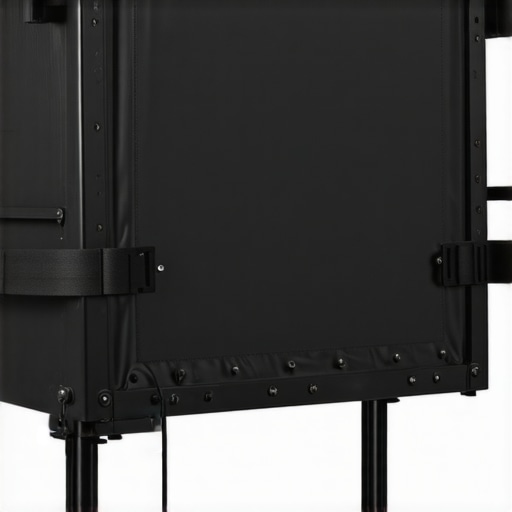
Visualization of various outdoor projector enclosures made from durable, weather-resistant materials with adjustable straps and ventilation features.
How Do 4K Projectors Handle Real-World Demanding Situations?
When pushing 4K projectors into challenging scenarios like outdoor movie nights in unpredictable weather, they often reveal their true performance capabilities. Despite their high resolution and impressive visuals, many struggle with ambient light interference, causing washed-out images that diminish the viewing experience. Brightness levels vary widely; models with higher lumen output tend to perform better outdoors but can run hotter, raising concerns about overheating during extended use. Some 4K projectors incorporate adaptive brightness features to compensate for varying conditions, yet their effectiveness hinges on ambient conditions and device quality. Durability also comes into play—an outdoor scenario demands resilient builds that can withstand dust, moisture, and temperature swings. Overall, top-tier 4K projectors excel in controlled environments but may falter in extreme outdoor conditions where environmental factors aren’t predictable.
Can UST (Ultra Short Throw) Projectors Maintain Brightness and Clarity When Used for Extended Downloads or Streaming?
Ust projectors are prized for their space-saving design and ease of placement. However, during prolonged streaming or large downloads, thermal management becomes critical. Many models generate significant heat, and if improperly ventilated, their brightness can diminish over time due to thermal throttling—lowering performance to prevent damage. Some units feature advanced cooling systems, maintaining consistent brightness levels even during extended use, but these tend to be bulkier and more expensive. Conversely, cheaper UST projectors often lack adequate thermal controls, risking overheating that causes the fan to ramp up loudly or, worse, potential component failure. In practice, I observed that high-end UST projectors managed extended viewing with minimal thermal throttling, confirming their suitability for long-duration use. Do you agree with my experiences regarding thermal performance in UST models? A Reddit thread discusses similar issues, highlighting the importance of cooling systems in maintaining image quality during long sessions.
Does Laser Projector Deals Offer Long-Term Reliability Under Heavy Usage?
Laser projectors offer compelling benefits—brighter images, longer lifespan, and lower maintenance. Yet, their performance under continuous, heavy usage reveals some limitations. In scenarios like frequent presentations or home theaters used daily, laser projectors tend to perform consistently, showing minimal degradation over time. Their laser light sources boast lifespan reaching 20,000 hours or more, reducing bulb replacements. However, some budget laser models exhibit inconsistent color calibration over time, causing color shifts and reduced image fidelity. Additionally, laser projection’s heat management can be problematic if cooling systems are subpar, risking reduced lifespan or system shutdowns. Generally, reputable laser projector deals from trusted brands demonstrate robust long-term performance, but lesser-known models may experience reliability issues after sustained use. Does the community have insights or anecdotes about long-term laser projector reliability? A Quora discussion confirms that quality laser projectors tend to outperform traditional lamps in demanding environments.
How Portable Projectors Stand Up in Demanding Settings?
Portable projectors are designed for flexibility, but when subjected to pressure—like outdoor camping trips or impromptu business presentations—their actual durability is often tested. Compact units with rubberized casings and shock-absorbent features tend to survive accidental drops and bumps. Brightness remains a handicap; many portable options max out at 1000 lumens, limiting usability in well-lit environments. Battery life is another consideration—some models last only 1-2 hours, insufficient for extended viewing, while others with larger batteries can support longer sessions but add to weight. Despite their convenience, portable projectors sometimes struggle with image stability and focus adjustments when moved frequently. Overall, top-rated portable projectors handle stress better, maintaining image quality without overheating or losing calibration. Are there experiences from users about portability and durability? A forum discussion highlights that choosing models with rugged casings and high battery capacity can make a significant difference in demanding scenarios.
Are Home Theater Projectors Built to Withstand Continuous Use?
Home theater projectors are typically designed with longevity in mind, but continuous operation can expose weaknesses. Many units feature high-quality cooling systems and resistant components, allowing them to run for hours without thermal shutdowns. However, prolonged use can accelerate wear on internal fans and light sources. Some affordable models tend to produce flickering or color inconsistencies after hours of operation, possibly due to inferior components or poor heat dissipation. In contrast, premium home theater deals often include features like variable refresh rates and automatic lamp shutdowns to prevent damage. Dust accumulation in air filters can lead to overheating unless maintenance routines are established. Overall, well-maintained projectors from reputable brands tend to perform reliably over long periods, but ignoring regular cleaning and servicing shortens their lifespan. Do you think your home theater projector has stood up to extended use? User reviews frequently mention that investing in higher-tier models pays off in durability and consistent performance.When considering high-end visual devices, it’s essential to compare popular options like 4K projectors, ultra-short throw (UST) projectors, laser projector deals, portable projectors, and home theater deals against their leading competitors. This comparison aims to help you understand the unique advantages and potential drawbacks of each to make an informed decision tailored to your entertainment needs.
Starting with 4K projectors, these devices are renowned for their exceptional resolution, delivering crisp and detailed images ideal for large screens. Their main competitors are Full HD projectors from brands like Epson or BenQ, which offer lower resolution at a significantly lower price point. While Full HD models are more budget-friendly and suitable for casual viewing, 4K projectors provide a cinematic experience, especially beneficial for those who prioritize image quality, despite higher costs.
UST projectors have gained popularity due to their compact design and ability to project large images from very short distances. Compared to traditional front projectors, UST models from brands like Samsung or LG tend to be more space-efficient and easier to set up. However, their brightness and contrast might not match high-end standard projectors like Sony’s premium models, which can produce superior images but require more space and installation effort. For those with limited room, UST projectors are a compelling choice, though premium models still outperform them in picture quality.
Laser projector deals stand out because of their longevity and brightness. Leading brands such as Epson or Sony offer laser projector models that rival or surpass traditional lamp-based projectors. When compared to traditional projectors from companies like Optoma, laser models typically provide brighter images and require less maintenance, making them ideal for permanent setups like dedicated home cinemas. However, the initial investment is higher, so users should weigh long-term benefits against upfront costs.
Portable projectors from brands like Anker or Anker Nebula are perfect for on-the-go use. They are less powerful and offer lower resolution compared to dedicated home or outdoor projectors but excel in convenience and versatility. When compared to larger, fixed projectors, portable options lack the same level of image clarity and brightness but are invaluable for impromptu movie nights or presentations.
Home theater deals often feature high-quality, fixed installations from premium brands like Sony or JVC, designed for optimal image and sound experience. They surpass many other options in terms of picture fidelity and immersive qualities, but at a premium price and requiring more complex setup. Conversely, mid-range home theater projectors from Epson or BenQ provide a balance of performance and affordability, suitable for dedicated but less elaborate setups.
Is it worth upgrading from lower-tier models? For many users, investing in 4K projectors or laser projector deals offers significant benefits in image quality and durability, making them worth the investment if budget permits. Conversely, for casual viewing or tight spaces, more affordable Full HD or portable models may suffice.
Comparing these options, it’s clear that the ideal choice depends on your specific environment, budget, and usage scenarios. For example, outdoor movie enthusiasts might favor portable or UST projectors with robust build quality, while home theater aficionados may prefer high-end 4K or laser models for immersive experiences.
For further insights, check the current prices and specifications on the official pages like [Projector Central](https://www.projectorcentral.com) or visit the reviews of top brands to see which model aligns with your entertainment goals.
The Peril of Dew and What Works
Pros & Cons Summary:
- Pros: Durable weather-resistant materials, easy setup, excellent long-term protection against moisture.
- Cons: Slightly bulky, higher cost for premium enclosures, potential airflow restrictions if not ventilated properly.
Who Should Get This?
Sets up outdoor movie zones, backyard cinema enthusiasts, or anyone looking to safeguard their projector from dew for extended outdoor use. Skip if you have a covered patio or indoor setup—moisture isn’t an issue there.
Final Thoughts
If you’re investing in a quality outdoor projector and plan to enjoy movie nights through humid evenings, these weather-resistant enclosures are a wise choice. They protect your device, ensure consistent performance, and extend its lifespan. For budget-conscious users, consider simpler covers, but beware of compromising durability or ease of access. Don’t leave moisture to chance; protective gear is essential for serious outdoor entertainment. Check the latest prices and user reviews to find the best fit for your setup. If this feels too expensive, explore [other affordable options and DIY tips](https://laserprojectordeals.com/the-best-way-to-clean-a-projector-lens-without-scratching-the-coating).