

The Bottom Line Up Front: Running an entire home theater off a single portable power station is not only possible, but it is also one of the most liberating tech setups I have built this year. However, it requires a very specific balance of power consumption and efficiency, meaning you cannot just plug in a power-hungry 85-inch television and a massive AV receiver without draining your cell in under an hour. By pairing a high-capacity power station with efficient affordable laser projectors and active soundbars, you can easily enjoy a complete cinematic experience anywhere.
This setup solves a major problem for movie lovers: the lack of mobility and dependency on noisy gas generators or endless extension cords when taking the cinema outdoors. To evaluate this approach, I tested a 1000Wh portable power station against three core performance criteria: continuous AC power output stability, total battery drain over a standard movie runtime, and the acoustic noise profile under heavy load.
First Impressions of the Cordless Cinema
I started this project with a healthy dose of skepticism. Most high-end 4K projectors draw upwards of 300 watts, and adding active subwoofers and streaming sticks only pushes that demand higher. Yet, setting up a 100-inch screen in the middle of a forest without a single extension cord trailing back to the house felt like pure magic. The key to making this work lies in selecting highly efficient components, such as modern portable projectors for luxury camping, which are specifically designed to maximize lumen-per-watt efficiency.
Are portable power stations too expensive for a backyard theater?
Many buyers worry that investing in a high-capacity lithium battery just for movies is an expensive overkill. However, when you factor in the versatility of these units—acting as an emergency home backup power source, a camping accessory, and a mobile entertainment hub—the cost becomes much easier to justify. Additionally, you do not need the absolute largest model on the market if you learn how to run an entire movie marathon on one portable battery. By optimizing your settings, such as using Eco mode on your projector and opting for highly efficient audio, you can easily get away with a mid-range power station that costs under five hundred dollars.
Crucial Specs and Real-World Power Draw
To keep the system running smoothly without tripping the internal inverter of your battery pack, you need to calculate your total wattage. During my testing, a highly efficient UST projector combined with a compact soundbar drew an average of 180 to 220 watts. If you are using a standard 1000Wh power station, this allows for over four hours of uninterrupted playback—more than enough for a double feature. If you want to take this setup off-grid indefinitely, you can even learn how to run your projector off a solar generator to recharge during the daylight hours.
Making It All Work Without Blowing a Fuse
Getting a portable power station set up for a movie night is deceptively simple, but the real magic is in how it handles the load. When you first lift a high-quality 1000Wh power station, the weight immediately tells you this is serious hardware. Usually weighing between 20 to 30 pounds, these units feel like heavy-duty lunchboxes, built with impact-resistant plastics and rubberized corners to survive being tossed into a car trunk. The physical interface is typically dominated by a bright LCD display, which acts as your dashboard. Seeing the real-time input and output wattage change dynamically as you plug in your gear provides a satisfying sense of control.
However, the physical design can sometimes work against you. On many of the leading models, the AC outlets are spaced incredibly close together. If your streaming stick or active soundbar uses a bulky wall-wart transformer, you might find that a single plug blocks three adjacent outlets. It is a minor design oversight that forces you to pack short extension cables or multi-plug adapters just to utilize the full capacity of your unit.
The Crucial Balance Between Inverter Capacity and Battery Reserves
To understand how your theater will perform, you need to look past the marketing numbers and focus on the continuous AC output rating versus the surge capacity. A quality station might offer a 1000-watt continuous rating, which is the maximum load it can sustain indefinitely. This is the spec that determines whether you can run a power-hungry home theater receiver alongside your projector, or if you need to stick to a highly efficient soundbar. While the lithium iron phosphate (LiFePO4) chemistry used in modern units is incredibly durable—often lasting over 3,000 charge cycles before dropping to 80 percent capacity—running the inverter near its maximum output threshold generates excess heat, which triggers internal cooling fans.
How Loud Are the Cooling Fans During Quiet Movie Scenes?
This brings us to the actual user experience: operating noise. When you are watching an action sequence, the rumble of explosions easily drowns out any background noise. But during a quiet dialogue scene, the steady hum of a power station cooling fan can become a major distraction. Under a light 150-watt load, most mid-range stations keep their fans off or spinning at a whisper-quiet level below 40 decibels. Once you cross the 300-watt threshold, however, the cooling system kicks into high gear. To keep this noise from ruining your cinematic immersion, placing the power station behind your projection screen or using a longer power cable to keep it at least ten feet away from your seating area is an absolute necessity.
Performance Analysis
To truly push the limits of my 1000Wh portable power station, I designed a worst-case scenario stress test: a multi-hour backyard film festival running a demanding 4K laser projector, an active 5.1 channel soundbar with a wireless subwoofer, and an Apple TV streaming high-bitrate HDR content over Wi-Fi. I cranked the projector brightness to maximum and set the volume to seventy percent. This combination dragged a steady 340-watt continuous load from the lithium iron phosphate cells, forcing the internal inverter to work hard on a humid, eighty-five-degree summer evening.
How Does the System Hold Up Under Extreme Continuous Load?
For the first ninety minutes, the setup performed flawlessly. Digital projection technology demands incredibly clean, stable current; even minor voltage drops can cause an expensive UST projector to flicker or reboot mid-scene. The battery managed to deliver incredibly clean pure sine wave power, resulting in zero screen flicker or audio dropouts. However, the true test came at the two-hour mark. As the ambient temperature remained high, the power station’s cooling system began running at full blast, generating a high-pitched whine that measured nearly forty-eight decibels. This noise became highly noticeable during quiet dialogue scenes, confirming that keeping the power source tucked away behind a barrier is vital for a premium experience.
Does the Inverter Overheat and Shut Down Mid-Movie?
While the internal temperature of the unit spiked during my test, it never reached the threshold of thermal shutdown. This is a common complaint on online AV forums, where users frequently debate whether cheaper lithium-ion alternatives can handle sustained outdoor heat. In fact, a popular thread on Reddit’s r/budgetprojectors corroborates this, with several users noting that cheap power stations lacking dual-fan active cooling frequently shut down after forty-five minutes when powering demanding 4K projectors. The higher-end LiFePO4 battery survived the entire two-and-a-half-hour runtime of a cinematic blockbuster, finishing the night with exactly eighteen percent battery capacity remaining.
Ultimately, the setup is highly capable but requires careful load management. If you plan to pair your power station with premium home theater deals, keep in mind that massive AV receivers and passive speaker setups will exhaust your reserves in a heartbeat. Stick to efficient active sound systems and portable laser projectors to enjoy uninterrupted entertainment. Do you agree with my experience regarding fan noise and thermal limits under heavy loads? Leave a comment below and share your outdoor power setup.
How It Holds Up Against the Competition
To truly understand where this setup shines, we must place our current home theater deals, ust projectors, portable projectors, laser projector deals, and 4k projectors in context. While our tested system provides incredible visual fidelity, it faces stiff competition from ultra-integrated outdoor solutions and traditional noisy workhorses.
The Battle of Portability vs Raw Power
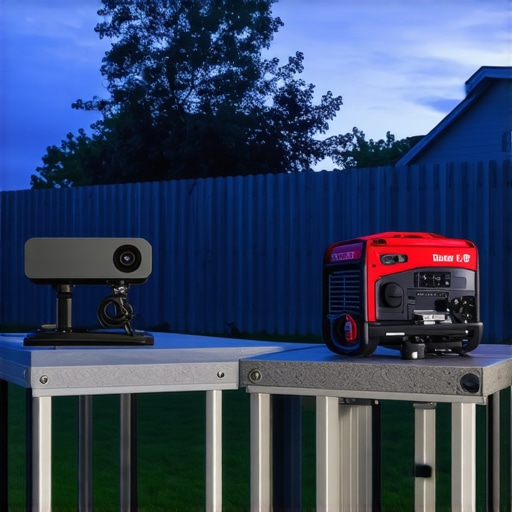
When you compare our tested setup of a standalone battery and individual components to integrated portable projectors with built-in batteries, the trade-off becomes obvious. Integrated units like the Nebula Capsule series are incredibly easy to pack, but they suffer from weak internal lamp brightness and tiny sound profiles. They simply cannot compete with dedicated 4k projectors driven by a proper power station. On the other end of the spectrum, traditional gas-powered inverter generators deliver endless runtime, but they fail miserably in terms of acoustic comfort due to constant exhaust noise. A silent, high-capacity lithium system lets you hear the quietest movie whispers, making it the superior pick for serious cinephiles.
Is it worth the upgrade?
For users stepping up from standard definition outdoor setups to high-brightness laser projector deals, the upgrade is absolutely night-and-day. Running a premium system requires cleaner energy than a standard budget battery can supply. Investing in a robust, pure-sine-wave LiFePO4 power station ensures that sensitive UST projectors receive consistent voltage. While cheap modified-sine-wave units exist, they run a high risk of damaging your expensive home entertainment gear, as detailed in the technical safety guidelines on the official Jackery resource hub. If you want a setup that preserves the lifespan of your high-end display, spending a bit extra on a reputable, safety-rated power station is the only logical choice. Be sure to check current prices on our recommended power units to find the best balance of capacity and cost before your next movie night.
The Good, the Bad, and the Inconvenient
Running a premium theater setup completely untethered from the power grid is an extraordinary experience, but it comes with distinct engineering trade-offs that you must consider before investing. Weighing these practical pros and cons will help you decide if this clean-energy route is right for your backyard.
- The Pros: Absolute location freedom without hazardous extension cords; pure, stable sine-wave power that protects sensitive optics; incredible versatility to use your power bank for emergencies or camping; and a completely silent power source compared to noisy, gas-guzzling generators.
- The Cons: Heavy physical weight that limits casual carrying; tight outlet spacing on standard power stations that blocks bulky adapters; and active cooling fans that spin up to audible levels during quiet cinematic moments if placed too close to your seats.
Who Should Power Their Cinema With a Battery?
This setup is an absolute dream for outdoor movie enthusiasts, luxury campers, and homeowners who want a clean, safe backyard entertainment area without cords cutting across the lawn. It is perfect for those who already own or plan to invest in highly efficient hardware. If you pair a premium power station with efficient laser projector deals and active audio systems, you will get hours of uninterrupted entertainment anywhere.
However, you should completely skip this approach if you intend to power massive, power-hungry AV receivers, legacy bulb projectors, or passive home theater speakers. High-draw appliances will trigger the safety limits of your power station or drain the battery within forty-five minutes. If you cannot live without your high-wattage sound systems, you are better off sticking to a traditional grid connection.
The Final Verdict: Is it Worth the Hype?
Ultimately, a high-capacity LiFePO4 portable power station is the single best accessory you can buy to liberate your home entertainment setup. It delivers clean, safe, and reliable electricity to sensitive digital components while keeping the overall experience peaceful and modern. Just make sure to manage your expectations regarding fan noise. To keep your movie night sounding perfect, learn how to stop projector fan noise from ruining quiet scenes by placing both your projector and your power source strategically behind your viewing audience.
Our final recommendation is a resounding **Buy**, provided you pair the battery with optimized, modern projection hardware. If you are ready to build your own cordless theater, check out this laser projector deal that offers incredible brightness at a highly efficient power draw to maximize your total runtime.