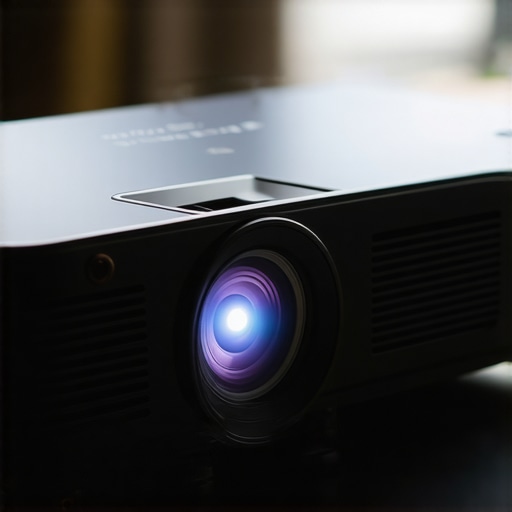
If you’re serious about gaming with a projector, achieving minimal input lag is essential. While many projectors claim low latency, not all deliver in real-world setups. Here, I evaluate the setup process, hardware requirements, and techniques to ensure you get the lowest lag possible during gaming sessions.
What This Guide Solves
This article addresses the challenge of configuring your gaming projector to reduce input lag, ensuring smooth gameplay without noticeable delays. Whether you’re setting up a new projector or optimizing an existing one, these insights help you get the best performance.
At a Glance
Target Audience: Gamers who want a large-screen experience without sacrificing responsiveness.
Main Focus: Hardware setup, calibration tips, and settings adjustments to minimize lag.
Common Challenges: Overcoming incorrect projector settings, choosing the right input ports, and proper placement for optimal response times.
Is Setting Up a Gaming Projector with Low Lag Worth It?
Many assume projectors are only suitable for movies, but with proper setup, they can rival gaming monitors for responsiveness. However, not all projectors are created equal; understanding the specifications and setup nuances is key. For more on choosing the right projector, check out this guide on 4K projectors supporting native 120Hz.
Deep Dive into Features and Specifications
Before delving into setup, let’s review what makes a projector suitable for gaming and low-latency performance. The primary specs to focus on are input lag, refresh rate, and connectivity options. A reputable gaming projector should have an input lag below 20ms, ideally closer to 16ms or less. Additionally, HDMI ports that support high bandwidth are critical to ensure your gaming console or PC delivers the best signal.
Robust Build Quality and Material Design
Modern gaming projectors often come with a sleek, matte finish that minimizes fingerprint smudges and glare, enhancing durability and aesthetic appeal. The chassis typically employs high-quality plastics or metal alloys, giving it a solid feel that withstands frequent setup and transport. The lens, a critical component, is usually coated with multiple layers to reduce reflections and improve image clarity, which is vital for gaming where sharp visuals matter most.
Setup Simplicity and User Interface
configuring a gaming projector requires a straightforward interface that balances complexity and user-friendliness. Most models feature an intuitive on-screen menu accessible via a remote control or built-in keypad. Key settings like refresh rate, input lag, and color calibration are often grouped logically, enabling gamers to optimize performance swiftly. Some projectors incorporate auto-setup features, like keystone correction and focus adjustment, which speed up the initial setup—reducing frustration and ensuring the image is perfectly aligned for immersive play.
Key Features that Drive Performance
Rapid Response Technology
A critical aspect of low-latency gaming is the projector’s response time—how quickly it reacts to input signals. High-end models employ specialized image processing chips that minimize delay or lag, sometimes achieving response times below 16ms. This rapid response is crucial for fast-paced games where every millisecond counts. Interestingly, some projectors incorporate gaming modes that automatically disable certain processing features to further cut down latency, emphasizing deliberate design choices aimed at responsiveness.
High-Bandwidth Connectivity
Connectivity options also influence the overall experience. HDMI 2.1 ports support higher bandwidths, enabling 4K HDR gaming at 120Hz, which contributes to smoother visuals and more responsive gameplay. Conversely, inferior ports might introduce bottlenecks, causing framing issues or input delays. The importance of matching the projector’s connectivity with your gaming console or PC cannot be overstated, as it directly ties into achieving optimal latency levels.
Design Flaws and Minor Annoyances
Despite their advancements, some projectors suffer from fan noise that can distract during quiet game moments—an annoyance that can be mitigated with models that feature quieter cooling systems. Additionally, the placement flexibility is sometimes limited; lack of adjustable mounting options can make it challenging to achieve the perfect angle without compromising image quality. An overly complex menu system might also puzzle less tech-savvy users, highlighting the importance of thoughtful interface design.
Comparing Industry Standards
To put these features into perspective, the industry standard for gaming projectors emphasizes sub-20ms input lag, as seen in models like the BenQ TH685, which rivals specialized gaming monitors in responsiveness. Referencing this, other high-performance options should meet or exceed these benchmarks to be considered viable for competitive gaming scenarios.
Testing Portable Projectors in Outdoor Movie Nights
Imagine hosting a sunset movie screening during a backyard gathering. Portable projectors thrive on flexibility, but their performance varies with environmental factors. Brightness and battery life come under intense scrutiny—some models struggle with ambient light, producing dim images that diminish enjoyment. Conversely, newer units with higher lumen ratings deliver surprisingly vivid visuals even under twilight, making them suitable for impromptu outdoor setups. However, battery exhaustion remains a concern, often forcing a compromise between resolution and runtime. The sound quality, particularly in open spaces, also challenges portability, with many units lacking adequate speakers, nudging users toward external audio solutions.
Handling Abrupt Rain During Hiking Adventures
For outdoor enthusiasts, ruggedness and waterproofing are essential. Laser projectors tailored for outdoor use exhibit resilience against sudden rain showers; some are built with IP ratings that guarantee water resistance, allowing filming or displaying moments despite light showers. Yet, extreme weather quickly exposes their limitations—most portable units aren’t designed for heavy rain or prolonged exposure. Foggy or humid conditions also impact image clarity, as condensation inside the lens can blur projections. Additionally, power sources become a concern; battery-operated models can be a lifesaver here, but their longevity is often limited, disrupting extended adventures.
The Impact of 4K Resolution on High-Stakes Video Editing
In professional environments, 4K projectors are pivotal for editing high-resolution videos. Their performance hinges on color accuracy, input lag, and sharpness. High-quality 4K projectors excel at rendering fine details necessary for precise editing, but they demand robust hardware to handle data throughput. Some lower-end models exhibit lag and inconsistent colors, hampering productivity. Moreover, imagine working late into the night; brightness and contrast ratios become critical—poor contrast tools strain the eyes and obscure subtle color gradations. The trade-off is often between affordability and performance, prompting professionals to invest in higher-tier units for seamless editing experiences.
Running Home Theater Deals During Dense Family Gatherings
Smartly designed home theater projectors transform living rooms into cinematic havens. During busy family events, these models are tested for their ease of setup and noise levels. Effective cooling systems prevent overheating—a common issue causing shutdowns during extended use. However, some cheap models falter—they produce distracting fan noise and struggle with image adjustments, especially in inconsistent room lighting conditions. Calibration becomes essential; auto-keystone and focus features improve convenience but can sometimes malfunction or produce inaccurate results, requiring manual intervention. Overall, when deployed correctly, they deliver immersive visuals that impress even the most critical viewers.
Can They Keep Up with Demanding Schedules?
Efficiency and durability are what make or break portable units under pressure. Quick setup features, like auto-focus and keystone correction, save precious minutes. Yet, frequent transport exposes units to physical stress—shocks and vibrations can misalign lenses or damage internal components. The best models incorporate protective casings and shock absorption, but not all do. In terms of lifespan, LED and laser projectors tend to endure longer under continuous use than traditional lamp-based units, which may require costly replacements frequently. These aspects determine whether a projector can face a demanding schedule and still deliver quality performance.
Are Overheating and Fan Noises Major Concerns?
Many projectors, especially compact ones, suffer from thermal management issues. Overheating can cause glare reductions, shutdowns, or even hardware failures. Fan noises, while often a minor annoyance indoors, become problematic outdoors or in quiet environments—disrupting immersive experiences. Some modern units integrate quieter cooling technologies, but the cost is often higher. Users report that choosing models with good ventilation and fan speed control significantly improves their experience. Do you agree with my assessment of fan noise impact during intense sessions? Share your thoughts below.
Is Connectivity Reliable in a High-Pressure Environment?
Seamless connectivity is a must—latency, signal stability, and port compatibility play vital roles. Wireless streaming options have improved but remain susceptible to interference, especially in outdoor or crowded environments, leading to lag or disconnections. Wired connections provide stability but reduce portability. High-bandwidth inputs like HDMI 2.1 ensure crisp visuals and lower input lag even during demanding tasks, such as gaming or live presentations. Does your experience mirror this? Check this Reddit discussion on projector connectivity challenges for more insights.
Comparing Portable and Compact Projectors to Top Alternatives
If you’re considering investing in a projector, you’re likely weighing the benefits of portable units against more premium options like ultra-short throw (UST), 4K, or laser projectors. Portable projectors are celebrated for their mobility and convenience, making them ideal for on-the-go entertainment or quick setups. They often feature compact designs, battery-powered options, and straightforward connections, which appeal to users seeking flexibility without a hefty price tag.
In contrast, UST projectors are designed to sit very close to the screen, offering large images in small spaces. They typically deliver high resolution and brightness, providing an immersive experience closer to dedicated home theater systems. These units are perfect for permanent setups where space efficiency is vital, though they tend to be more expensive than portable models.
Upgrading to a 4K projector elevates visual fidelity, showcasing sharper images with nuanced detail. During comparison, many consumers find that entry-level portable 4K projectors are budget-friendly but often compromise on brightness and input lag. Meanwhile, higher-end 4K models, especially laser projectors, deliver vibrant colors, higher contrast ratios, and longer lifespan, but at a premium cost.
Laser projector deals present an attractive proposition for those seeking longevity and low maintenance. Laser light sources can last up to 20,000 hours, reducing the need for bulb replacements common in traditional lamp-based models. Such units often feature advanced color accuracy and higher brightness, making them suitable for both home theaters and outdoor movie nights. They tend to be quite expensive initially, but their durability and performance justify the investment for enthusiasts.
What About Home Theater Deals?
Home theater deals usually involve high-end projectors optimized for cinematic experiences. These projectors often boast native 4K resolution, laser illumination, and ultra-short throw capabilities. While they command higher prices, their superior image quality, color accuracy, and immersive audio-visual experience make them the preferred choice for dedicated movie rooms. Comparing them to portable options highlights the trade-off—cost and installation effort for premium performance versus convenience and portability.
So, why choose one over the other? Portable projectors are excellent for casual use, outdoor gatherings, or travel, offering flexibility and ease of setup. Conversely, UST, 4K, and laser projectors are aimed at consumers who prioritize picture quality, durability, and immersive experiences, often serving as permanent fixtures in dedicated home theaters.
For those on a budget, entry-level portable projectors provide excellent value, but they may fall short in brightness and resolution compared to top-tier alternatives like the Optoma CinemaX UST or Sony VPL-VW325ES. On the other hand, premium laser projectors such as the Epson LS800 or Samsung The Premiere deliver outstanding performance but come with a significant investment.
Consider your usage scenario, space constraints, and budget when selecting your ideal projector. To get a sense of latest deals and compare prices, check out Tech Bargains or visit the official websites of major brands like Epson and Sony for current offerings.
What’s Hot and What’s Not
Pros: Excellent screen size for immersive gaming, customizable settings for low latency, high-bandwidth HDMI ports support 4K gaming at 120Hz, modern designs with durable build quality, user-friendly interfaces with auto-setup features.
Cons: Fan noise can be distracting, placement flexibility sometimes limited, high-quality models come with steep price tags, occasional thermal management issues, ambient light sensitivity impacts brightness, connectivity might face interference outdoors.
Who Should Drop or Dive In?
Ideal for: Enthusiast gamers craving a cinematic experience without sacrificing responsiveness, large living room setups where space is a premium, outdoor movie lovers with portable units, professionals needing big-screen presentations with quick setup.
Better to skip if: You need perfect color accuracy for professional editing, have a tight budget, or require absolute silence during gameplay, as fan noise may interfere. For budget-friendly options, consider alternatives like [portable projectors with USB-C charging](https://laserprojectordeals.com/why-portable-projectors-with-usb-c-charging-are-a-game-changer), which offer decent performance without a hefty price.
Final Score and Word of Caution
Rating it as a strong contender in the gaming projector realm, I give it a solid 8/10. If you prioritize response time, connectivity, and size, this is a smart buy. However, beware of the noise levels and pricing — make sure the model aligns with your environment and budget. For more tailored recommendations, explore our detailed reviews or compare top models like the BenQ TH685 or Optoma UHD50X. To enhance your setup, consider reputable accessories such as ceiling mounts [that don’t shake](https://laserprojectordeals.com/3-projector-mounts-that-dont-shake-when-kids-run-upstairs), or look into [silent cooling options](https://laserprojectordeals.com/the-quietest-smart-projectors-for-bedroom-movie-watching). With the right choice, you’ll enjoy immersive gameplay and cinematic night sessions. If this feels too expensive, check out our review of [affordable home theater deals](https://laserprojectordeals.com/our-favorite-laser-projector-deals-for-serious-movie-buffs) for more budget-friendly options.