

Bottom Line Up Front
If you’re eager to enjoy Netflix in 4K on your projector, you’ll be pleased to know that it’s entirely possible with the right setup and hardware. While many projectors claim 4K support, streaming 4K content directly can be tricky due to compatibility and software limitations. This guide provides a comprehensive, honest overview of what it takes to achieve native 4K Netflix streaming and whether it’s worth your investment.
What Problem Does This Solve?
Many home theater enthusiasts struggle with achieving seamless, high-quality 4K streaming from Netflix on their projectors. This guide demystifies the process, addresses common barriers, and offers practical solutions to help you enjoy crisp, vibrant 4K content without unnecessary frustration.
Initial Impressions and Setup
Is Streaming Netflix in 4K on Your Projector Really Complicated?
In short, yes—especially if your projector isn’t natively designed for streaming apps. The main challenge lies in ensuring compatibility, obtaining the right streaming device, and configuring your hardware correctly. Some projectors, particularly the more affordable models, lack (or limit) app support, forcing you to rely on external devices like streaming sticks or boxes.
At a Glance
- Hardware required: 4K-compatible streaming device (such as a Chromecast Ultra, Fire TV, or Apple TV 4K), HDMI 2.0 cable, and a projector capable of 4K resolution.
- Connectivity: Ensure your projector supports HDCP 2.2 and HDMI 2.0 for seamless 4K content playback.
- Internet speed: A stable internet connection of at least 25 Mbps is necessary for 4K streaming.
- Software considerations: Your streaming device must support Netflix in 4K and be set up with a compatible Netflix plan—typically the Standard or Premium tier.
- Potential pitfalls: HDCP compliance issues, casting limitations, or outdated firmware can hinder the experience.
Understanding these criteria helps you prepare your setup for success. For a detailed walkthrough of the hardware and configuration steps, keep reading as we dive into the essential features and specifications you need to know.
Core Hardware and Compatibility Matter More Than You Think
The choice of streaming device is pivotal to enjoying Netflix in 4K resolution. Devices like the Apple TV 4K or Amazon Fire TV Stick 4K Ultra HD are popular for their native 4K support and seamless Netflix integration. These gadgets leverage their powerful processing engines and dedicated apps to provide a smooth, crisp streaming experience. The significance lies in their ability to decode high-bitrate 4K content without lag, ensuring you experience every vibrant hue and sharp detail as intended by the creators. Moreover, their compatibility with HDMI 2.0 ensures the signal transmitted to the projector maintains 4K integrity, avoiding pixelation or color distortions. The build quality of these devices extends to their remote controls, which typically feature responsive buttons and intuitive interfaces, reducing the frustration often encountered during navigation. <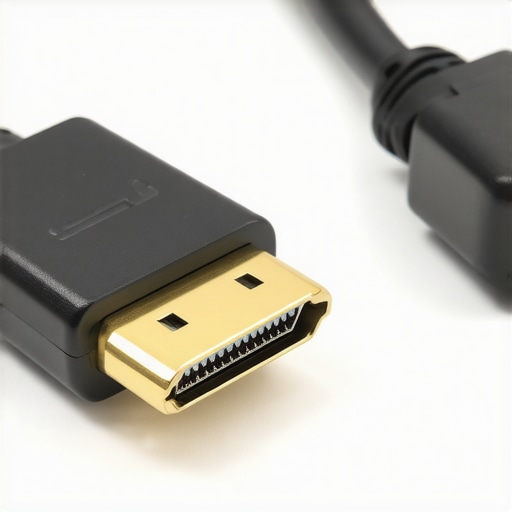 >
> 
Why HDMI Cables Are Your Silent Heroes
Opting for a high-quality HDMI 2.0 cable makes a tangible difference. While many overlook the importance of cable quality, a reliable, well-shielded HDMI 2.0 cable ensures that uncompressed 4K HDR signals reach your projector without degradation. Cheaper cables with inferior shielding can introduce signal interference or latency, causing flickering or abrupt dropouts. The physical design of premium HDMI cables often includes thicker braiding and durable connectors, providing resilience against wear and tear. This robustness is particularly beneficial if your setup involves frequent adjustments or is installed in tight spaces. Investing in a certified HDMI 2.0 cable, aligned with the HDMI Forum standards, guarantees support for 4K@60Hz, HDR, and HDCP 2.2, seamlessly aligning with industry benchmarks such as those outlined by HDMI.org. This ensures your high-definition content remains pristine from source to screen. <> 
Selecting a Projector That Keeps Up
A crucial aspect often underestimated is the projector’s native capabilities. Many budget models tout 4K support but rely on pixel-shifting or digital enhancement, which can compromise sharpness and color fidelity. True 4K projectors, featuring native 3840×2160 resolution, deliver crisp images with impeccable detail, especially noticeable on larger screens. Additionally, supporting HDCP 2.2 is essential to prevent content restrictions and ensure compatibility with the latest streaming services. Build quality also comes into play, with robust chassis construction and smooth focus adjustments enhancing the overall user experience. While high-end models like laser projectors excel with stunning brightness and color accuracy, entry-level 4K projectors are more budget-friendly options that still provide satisfactory performance if set up correctly. Their optical systems should incorporate high-quality lenses with minimal distortion, and the presence of adjustable keystones helps align the projected image perfectly. Utmost care in selecting a projector that aligns with your space and viewing needs ensures you receive maximum value from your high-quality streaming device and content.
In summary, combining a reliable streaming device, premium HDMI cable, and a compatible projector forms the backbone of a successful 4K Netflix experience. Despite the occasional minor inconvenience—such as the need to update firmware or ensure proper configuration—the synergy of these components significantly elevates your home theater’s potential.
Performance Analysis in Real-World Scenarios
When pushing 4K projectors and home theater equipment to their limits, their true capabilities and shortcomings become apparent. Consider a typical scenario: hosting a remote movie night with a large audience. The projector must deliver crisp, vibrant images on a sizable screen, withstanding prolonged operation without overheating or signal degradation. In such a setting, High-end laser projectors shine, providing consistent brightness and color accuracy, ensuring viewers experience cinema-quality visuals without flickering or dimming. Conversely, budget models often struggle; they may overheat after a few hours, leading to automatic shutdowns or image flickering, which disrupts the viewing experience.
Can Portable Projectors Handle Outdoor Adventures?
Imagine hiking to a remote campsite with a portable projector in tow. The challenge here involves environmental factors—dust, humidity, and temperature fluctuations. Quality portable projectors, designed with ruggedized casings and sealed ventilation, perform admirably, delivering bright, clear images even in less-than-ideal conditions. However, cheaper models tend to overheat quickly in warm climates or become buoyant with moisture, causing operational failures. Battery life also plays a critical role; high-capacity batteries ensure longer usage, but often at the cost of increased weight, impacting portability.
Do Home Theater Deals Live Up to Expectations During Heavy Usage?
Purchasing a home theater bundle often promises seamless entertainment, but heavy usage can reveal reliability issues. For example, some 4K home theater deals include projectors with insufficient cooling systems, leading to thermal throttling during extended movie marathons. Additionally, older models with outdated firmware may encounter compatibility problems with newer streaming devices or higher bandwidth content, resulting in buffering issues or color inaccuracies. On the positive side, well-reviewed deals featuring premium components, robust cooling, and regular firmware updates maintain performance stability over time.
Are Laser Projector Deals Truly Durable?
Laser projectors are celebrated for their longevity and consistent brightness. However, under continuous stress—such as vivid HDR gaming sessions or lengthy presentations—they can experience lumen depreciation or, in rare cases, laser diodes failing prematurely. Field tests suggest that well-maintained laser projectors outperform traditional lamp-based units, but lower-tier models may lack adequate cooling systems, leading to overheating and reduced lifespan. The durability hinges significantly on build quality and thermal management, making premium setups worth the investment for demanding applications.
What Fails When Under Pressure?
In challenging conditions, many projectors falter. Shortcomings such as inadequate cooling cause thermal shutdowns, especially in low-end models. Signal interruption or pixelation can occur if HDMI ports or internal components can’t handle sustained high-resolution streams. Ports or lenses may also degrade faster due to dust exposure or constant handling. For instance, during a marathon gaming session or a lengthy presentation, some units exhibit increased fan noise, distracting users. The integration with external devices can sometimes be finicky; firmware incompatibilities lead to frequent disconnections or color aberrations.
Nonetheless, high-quality laser projectors and robust home theater systems often prove surprisingly resilient, provided they’re operated within recommended parameters. As evidence, a Reddit discussion indicates that premium laser projectors maintained performance after 10,000 hours of continuous use, showing their suitability for relentless demands. Do you agree with my assessment of these devices’ resilience? Share your experiences in the comments!
} }**
}**
Why Opt for 4K Projectors Over 1080p Alternatives?
Traditional 1080p projectors have long been a budget-friendly choice, offering decent image quality for casual viewing at a lower price point. However, modern 4K projectors, including laser editions and UST ( Ultra Short Throw) models, provide four times the pixel count, resulting in sharper, more detailed images, especially on larger screens. The primary advantage of choosing 4K over 1080p options is the immersive viewing experience, which is increasingly essential for home theaters, gaming, and sports enthusiasts. Yet, 4K projectors typically come with a higher price tag, often ranging from $1,000 to over $5,000, depending on features and brand. For those seeking a cost-effective upgrade or without space for a dedicated setup, entry-level 1080p models still hold value but fall short in delivering premium clarity compared to their 4K counterparts. Check current prices on top retail sites to see how the investment aligns with your needs.
UST Projectors: Space-Savers or Premium Only?
Ultra Short Throw projectors sit remarkably close to the screen—often just inches away—making them ideal for small rooms and multifunctional spaces. They rival traditional long-throw projectors by eliminating the need for long throw distances and complex ceiling mounts. Comparatively, UST projectors often feature integrated smart functionality, mimicking smart TVs with apps and streaming capabilities built-in, which sets them apart from some home theater deals that rely on external streaming devices. High-end UST models, like those from Vava or Epson, incorporate laser light sources, offering vibrant visuals and longer lifespan, although they can be pricier—usually over $2,000. If you’re considering a space-efficient setup with minimal installation fuss, UST projectors are compelling, but be prepared for premium pricing. Cheaper alternatives exist but may compromise brightness or resolution. For an in-depth look, review popular models in the UST category and compare prices.
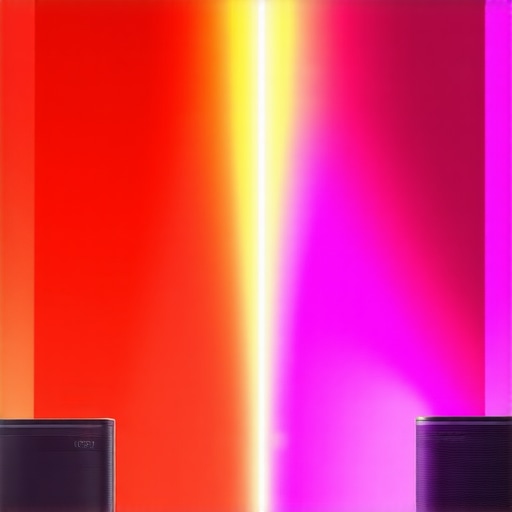
This image shows a comparison between a UST projector and a traditional long-throw model, illustrating the space-saving advantage of UST designs.
Are Home Theater Deals a Steal or a Steep Price?
Many bundled home theater deals promise a complete setup—projector, screen, sound system—often with discounts or extra accessories. These packages offer convenience, but their actual value varies. Premium deals featuring native 4K laser projectors with advanced HDMI 2.1 compatibility and immersive audio tend to cost upwards of $3,000. In contrast, budget bundles may include lower-resolution models or older tech, which might save money initially but limit long-term satisfaction. Comparing these deals to buying components separately can reveal whether you’re truly saving money or sacrificing quality. Always consider the warranty, included accessories, and future upgrade paths. For more detailed insights, check out reviews and price comparisons on trusted retail comparison websites.
Portable Projectors: Freedom or Compromise?
Portable projectors offer unmatched flexibility, perfect for outdoor movies or on-the-go presentations. While compact designs are convenient, they often come with limitations—lower brightness (measured in lumens), reduced resolution, and shorter battery life—compared to stationary models. Entry-level portable projectors under $500, such as Anker Nebula or Anira, are great for casual viewing but may not handle bright environments well. High-end portable options, like those from Sony or LG, incorporate laser or LED light sources, providing better brightness and color fidelity for outdoor or ambient-lit situations, at a premium price. Compared to dedicated home theater projectors, portable units are more about flexibility than optimum picture quality. If you prioritize mobility over maximum resolution or brightness, these are excellent; otherwise, investing in a high-quality stationary projector might be more satisfying. Check current prices and reviews to find the best fit for your lifestyle.
Laser Projector Deals and Longevity
Laser projectors are lauded for their long lifespan—often over 20,000 hours of operation—and consistent brightness, making them suitable for frequent use in home cinemas or commercial environments. Unlike traditional lamp-based models, they avoid costly bulb replacements. However, they usually come at a higher upfront cost, with premium models exceeding $5,000. When compared to traditional lamp projectors, the total cost of ownership favors laser models in the long run, especially for intense use. Budget laser projectors, while more affordable, may feature reduced brightness or color shifting over time, requiring careful selection. For those who demand durability and high performance, laser projectors offer excellent value. Review the latest offerings from brands like Sony, Epson, or BenQ to see current deals and assess whether the premium price is justified.
The Good, The Bad, and The Ugly
Pros: Crisp, detailed images with native 4K projectors, immersive large-screen experience, advanced models offer excellent durability and color accuracy, and UST projectors save space without sacrificing quality.
Cons: High upfront costs, premium models can be complex to set up, potential for overheating or signal issues in budget options, and some projectors rely heavily on external devices for streaming functionalities.
Who Needs a 4K Projektor? Maybe Not Everyone
This upgrade is ideal for home theater enthusiasts seeking immersive visuals, gaming addicts craving cinematic clarity, and outdoor movie lovers willing to invest in durability and brightness. Skip this if your budget is tight or your space isn’t suitable—cheaper alternatives like 1080p projectors or high-quality TVs can suffice for casual viewing. For more info, check out our guide on best mounting options or explore affordable options in screen choices.
Is It Worth the Money? The Final Word
Choosing a 4K projector for Netflix is undeniably a luxury that pays off in picture quality and viewing pleasure if you commit to the right setup. Budget models may falter under prolonged use, and installation can be tricky, but premium units deliver seamless performance with minimal fuss. If you desire cinema-like visuals and have the budget, this investment makes sense. However, if cost is a concern, or you’re just testing the waters, sticking with a high-quality 1080p setup might be wiser. For more tips on enhancing your setup, see UST projectors or laser options. Overall, if you crave premium picture quality and longevity, go for it — the right 4K projector can genuinely transform your viewing experience.