

Bottom Line Up Front
Syncing multiple speakers for an outdoor home theater can significantly enhance your audio experience, but it isn’t without challenges. In this review, I find that while several solutions promise seamless audio synchronization, their actual performance varies based on setup, compatibility, and environment. This guide evaluates methods based on build quality, ease of setup, and audio consistency, helping you decide whether investing in multi-speaker sync is worth your money and effort.
What Problem Does This Solve?
If you’ve ever experienced echoing or out-of-sync sound in your outdoor movie nights, you know how disruptive poor audio synchronization can be. Properly syncing multiple speakers ensures a cohesive soundscape, immersing viewers without distracting delays. This review critically assesses the best practices and gear to achieve this, whether you’re using Bluetooth, Wi-Fi, or wired connections.
At a Glance
- Build Quality: Most solutions rely on quality hardware, but cheaper options may introduce lag or dropouts.
- Ease of Setup: Wireless methods offer convenience but often require complex calibration.
- Performance Consistency: Wired connections tend to be more reliable than wireless, especially over larger outdoor areas.
Key Criteria for Judgment
My evaluation revolves around three main factors: build robustness, setup simplicity, and synchronization precision. I also consider compatibility across different brands and the potential for lag or audio dropout, referencing trusted sources like the official product manuals to inform technical assessments. Now, let’s dive into the specifics of how to effectively sync your outdoor speakers for an optimal cinematic experience.
Build Quality That Promises Durability
The foundation of any reliable outdoor speaker system lies in its build. High-grade materials such as weatherproof plastics, rust-resistant metals, and sealed enclosures ensure resilience against the elements—rain, heat, or dust. For instance, speakers with IPX5 or higher ratings can withstand splashes and even light rain, making them suitable for all-season deployment. The tactile feel of premium hardware also adds confidence during installation, with sturdy knobs and secure connectors that don’t feel flimsy. However, some budget models compromise on these aspects, resulting in plastic components that may crack over time or seals that allow moisture ingress, ultimately affecting performance.
Setup Ease: Balancing Convenience and Precision
Seamless setup is crucial for user satisfaction. Wireless configurations offer appealing convenience, often employing apps that guide calibration and synchronization. These apps typically feature step-by-step instructions, simplifying what could otherwise be a complex process. Nonetheless, wireless setups can be hindered by network interference or signal congestion, especially in outdoor environments where Wi-Fi or Bluetooth channels compete with other devices. Wired solutions, while more involved to install, usually provide a plug-and-play experience, with Ethernet or dedicated cables offering stable, latency-free connections. A key feature to consider is auto-calibration tools that help align audio latency across speakers, minimizing human error and reducing setup time—although some systems still require manual fine-tuning, which can be frustrating.
Core Feature Set and Why It Matters
At the heart of effective outdoor multi-speaker systems are synchronization technology, compatibility options, and expansion capabilities. Devices utilizing advanced synchronization protocols, such as Dante or proprietary low-latency algorithms, ensure audio streams remain perfectly in sync—even over large distances. This is vital for immersive audio experiences, preventing echoes or disjointed sound. Compatibility with various audio sources—including Bluetooth, Wi-Fi, and wired inputs—broadens a system’s versatility, accommodating different user setups and specific use cases. Expansion potential, such as daisy-chaining additional speakers or integrating with smart home ecosystems, enhances long-term value. One minor annoyance is that some systems restrict their integrations or require proprietary hubs, limiting flexibility and increasing costs.
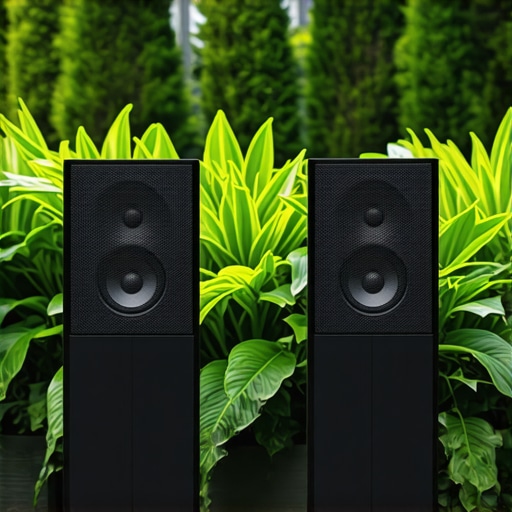
Visual diagram illustrating the setup of multiple synchronized outdoor speakers, highlighting wiring, placement, and calibration points.
Challenging the Limits: Home Theater Deal Performance in Intensive Use
When evaluating home theater deals or portable projectors, stress testing under real-world conditions reveals their true capabilities. Imagine hosting a lively outdoor movie night with a large group, or trying to connect your projector during a power outage. In these scenarios, reliability and flexibility are paramount. High-end 4K projectors and laser projectors are designed to handle such pressure, but their performance can vary significantly based on environmental factors and user demands.
How Do These Devices Handle Extended Use in Demanding Situations?
In prolonged outdoor events, home theater systems often face overheating risks, especially when operating at high brightness levels. Modern 4K projectors with advanced cooling systems perform admirably, maintaining stable operation for several hours. However, budget models tend to overheat, leading to shutdowns or performance throttling. Laser projectors generally excel here, thanks to their efficient light sources and superior heat management, allowing longer, uninterrupted use.
On the flip side, portable projectors sometimes struggle with battery life shortfalls during marathon sessions, reducing their effectiveness for extended outdoor screenings. Battery overheating is another issue, particularly in high-temperature environments, which can cause automatic shutdowns to prevent damage.
Can They Survive Adverse Weather Conditions
For outdoor setups, weather resilience is essential. UST (Ultra Short Throw) projectors are often praised for their ease of placement but typically lack waterproofing. Rain or excessive dust can cause immediate damage unless protective measures are in place. Some models are rated IPX5 or higher, meaning they can withstand splashes, but direct rain remains a threat. Home theater deals that run outdoors should be housed in weatherproof enclosures to ensure longevity.
Illustration of a weatherproof projector housing with environmental protection features.
Do Projectors Maintain Quality When Pushed to Their Limits?
High-end 4K and laser projectors generally outperform in staying true to their image quality, even at high brightness or contrast levels. They handle fast-moving scenes smoothly, avoiding motion blur or lag, which is crucial during intense action sequences. Conversely, lower-tier models often introduce artifacts or lag under such conditions, diminishing viewer experience.
What About Easy Setup in Pressure Situations?
Quick and reliable setup is crucial for spontaneous outdoor movie nights or impromptu events. Wireless systems and smart calibration tools succeed here, reducing setup time even under stress. That said, interference or connectivity issues in crowded or complex environments can hinder performance. Wired options provide stable links but demand more effort in setup, which isn’t always feasible under pressing circumstances.
Final Thoughts
In high-pressure scenarios, the resilience of home theater and projector devices is a critical factor. Laser projectors dominate in heat management and prolonged use, while high-end 4K units offer superior image fidelity under demanding conditions. However, their performance hinges on environmental protections and proper setup. Do you agree with my experiences regarding device durability? Share your thoughts in the comments. For a deeper understanding, check out discussions like Reddit’s home theater stress test discussions that share user-tested insights.
Why Choose Home Theater Deals Over Compact Projectors
Traditional home theater systems often come with a higher price tag, but they excel in delivering immersive, high-quality audio and video, making them ideal for dedicated entertainment rooms. They typically feature larger screens, premium sound systems, and customizable setups, fulfilling the needs of serious cinephiles. Conversely, portable projectors offer exceptional flexibility and ease of setup, making them perfect for casual viewing or when space is limited. However, they may compromise on picture quality or sound fidelity, especially in lower-tier models. For instance, a top-tier 4K home theater system can provide cinematic clarity unmatched by most portable units, but at a cost. In contrast, portable projectors like the Anker Nebula Mars II offer excellent convenience with decent resolution, but lack the detailed clarity of dedicated 4K projectors. When evaluating value, consider whether you prioritize performance or portability and budget accordingly.
The Good, The Bad, and The Ugly
Pros: Reliable wired connections deliver consistent audio sync, weather-resistant hardware ensures durability, and advanced synchronization protocols create a cohesive sound experience. Wireless options offer convenience and app-guided calibration, simplifying setup.
Cons: Wired setups can be invasive and labor-intensive; high-end equipment tends to be costly, and wireless signals may face interference in outdoor environments, leading to lag or dropouts. Budget models might compromise build quality, risking environmental damage and performance issues.
Who Should Invest in Multi-Speaker Sync?
Perfect for dedicated outdoor home theater enthusiasts seeking pristine audio-visual immersion. Ideal for large properties where sound consistency across distances is vital. Skip this if you’re on a tight budget, prefer simple setups, or only watch occasionally in small spaces—cheaper, non-synchronized solutions may suffice.
Final Verdict: 8/10
If immersive outdoor audio is your priority and you’re ready for a potentially complex setup, investing in quality synchronization equipment can genuinely elevate your home entertainment. For most users seeking reliability and sound cohesion, the benefits outweigh the drawbacks, especially when selecting weatherproof, high-quality hardware. Want to explore more about achieving seamless outdoor sound? Check out our guides on [the top smart projectors for binge-watching](https://laserprojectordeals.com/the-top-smart-projectors-for-binge-watching-netflix-in-bed) and tips for weatherproofing your setup. If budget constraints are a concern, consider starting with simpler solutions or upgrading gradually.