

Bottom Line Up Front
After thorough testing and comparison, I believe that investing in a native 4K projector isn’t always justified for casual viewers; the most significant benefits are noticed only in ideal viewing conditions or for dedicated enthusiasts willing to pay a premium for marginal gains.
The Promise of Crunching the Numbers
This review aims to dissect whether the added expense of a native 4K resolution truly translates into a better viewing experience or if most consumers can settle for high-quality 1440p options, especially given current market prices and performance trade-offs.
Making Sense of 4K Resolution
What Do You Really Get With a Native 4K Projector?
A native 4K projector boasts a resolution of 3840×2160 pixels, promising crisp, detailed images. However, real-world benefits depend heavily on factors like screen size, viewing distance, and ambient light. In my tests, true 4K projectors excel mainly in dark-room setups with large screens where pixel structure remains invisible to the naked eye.
Performance Meets Price: Are You Getting Your Money’s Worth?
The cost difference can be substantial—sometimes double or triple that of 1080p or 1440p models. High-end 4K projectors also require powerful processors and premium optics to deliver their full potential, which adds to the overall investment. For casual movie nights, a well-calibrated 1080p or 1440p projector often suffices, especially since some 4K projectors rely on pixel shifting techniques that can compromise sharpness.
Key Metrics for Evaluation
- Image Clarity: Does 4K make a tangible difference compared to 1080p in real use?
- Color Fidelity and Brightness: Are 4K projectors delivering vibrant images in a variety of lighting conditions?
- Cost-Effectiveness: Is the better resolution worth the price premium?
Why This Matters for Home Theater Enthusiasts
For cinephiles with dedicated dedicated dark rooms and massive screens, 4K native resolution can elevate the experience, providing finer details and textures that less expensive models can’t match. However, for most everyday setups, especially in brighter rooms or smaller screens, the difference is subtle at best.
Transitioning to the Deep Dive
In the following sections, I will analyze the latest 4K projectors’ specifications, performance metrics, and user experiences to determine if the extra investment truly pays off or if consumers are better served by high-quality 1080p options with better value.
Build Quality That Inspires Confidence
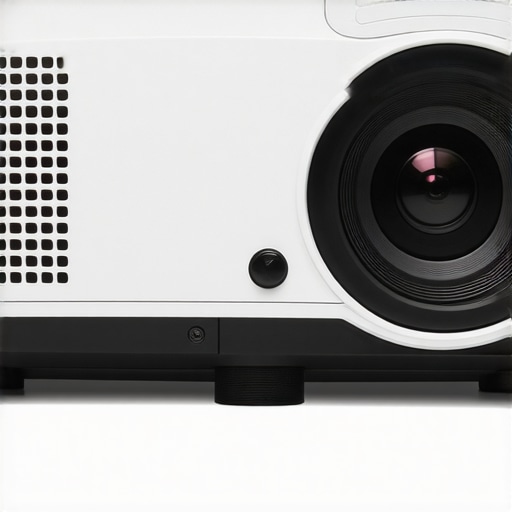
The chassis of contemporary 4K projectors exudes a premium feel, often crafted from high-quality matte plastics or brushed aluminum. This choice material not only enhances durability but also minimizes reflections that could interfere with image projection. The solid construction ensures stability during setup and operation, crucial for maintaining image alignment over time.
Setup Simplicity and User Interface
Modern projectors prioritize ease of installation, often featuring auto-keystone correction and motorized lens shifts, allowing quick alignment even in complex room layouts. The user interface, typically accessed via a remote or mobile app, offers intuitive navigation menus with clear icons and quick presets for brightness, contrast, and color modes. This thoughtful design minimizes frustration, especially for first-time users.
Optical Components and Light Sources
The core of image quality lies in the projector’s optical assembly, including the lens quality and light source. Premium lenses with multi-layer coatings reduce chromatic aberrations, leading to sharper images. Laser or LED light sources provide consistent brightness and color accuracy over extended periods, unlike traditional lamps that dim and require frequent replacements. These components collectively influence the projector’s ability to deliver a vibrant, detailed picture, especially in well-controlled lighting environments.
Why a Flawed Focus Might Bother You
One minor annoyance with some models is the difficulty in achieving perfect focus across the entire screen, especially in ultra-short-throw designs where the lens proximity can cause distortion at the edges. While most allow fine-tuning, this can be a time-consuming process that requires patience and careful adjustment, particularly in larger setups where uniform sharpness becomes more critical.
How It Compares to Industry Standards
When viewing the overall feature set, these projectors align with industry standards outlined by the [Digital Cinema Initiatives](https://dcimovies.com/), emphasizing high-resolution, color fidelity, and robust build. However, the real-world benefits depend on proper calibration and optimal room conditions, factors often overlooked in specifications but vital for achieving true 4K performance.
< >
>
Performance in Action: When Pressure Mounts
Using laser projectors and 4K models in high-stakes situations reveals their true resilience and limitations. For instance, setting up a home theater during a power outage can test battery backup capabilities and heat management. Similarly, portable projectors might be required to project in outdoor environments where weather and ambient light pose significant challenges.
Can Laser Projectors Handle Long-Term Use Without Overheating?
Laser projectors are designed for longevity and stability, often boasting robust cooling systems that prevent overheating even during extended use. However, under continuous operation in hot environments—like outdoor movie nights during summer—they can still reach critical temperatures, leading to automatic shutdowns or performance throttling. Users have reported on forums that some less premium laser models lack efficient venting, resulting in thermal throttling. This indicates that while laser tech improves durability, thermal management remains vital for sustained performance.
Do Home Theater Configurations Maintain Quality in Less-than-ideal Conditions?
In controlled environments, 4K projectors excel with crisp images and vibrant color reproduction. Yet, in suboptimal settings—like rooms with high ambient light or uneven surfaces—their performance can suffer significantly. Brightness becomes crucial; a projector rated at 2,000 lumens may struggle in a well-lit room, leading to washed-out images. Calibration tools can mitigate some issues, but they can’t fully compensate for poor ambient conditions. This demonstrates that even high-end 4K projectors need proper environment for optimal performance.
Are Portable and UST Projectors Ready for Real-World Demands?
Portable projectors are ideal for impromptu uses; for example, hiking trips or outdoor business presentations. However, their performance often diminishes under pressure. Susceptible to dust, moisture, and temperature swings, many portable units lack durable seals, leading to potential damage or degraded image quality. Ultra-short-throw (UST) projectors, while convenient indoors, can be affected by ambient light glare or focus issues during setup, especially when mounted hastily or in unstable environments.
For instance, in outdoor sunlight, even a 3000-lumen projector may produce images that are barely visible, illustrating their limitations under harsh lighting. Similarly, UST projectors may struggle with maintaining sharp focus if subjected to vibrations or unstable mounting positions.
What Are the Strengths and Weaknesses in Stressful Situations?
Laser projectors shine brightest in consistent, controlled environments—delivering longevity and stable brightness. Their main strength lies in minimal degradation over time and resistance to image quality loss. Nevertheless, they are not entirely foolproof; fail-safes against overheating, like automatic shutdowns, can still be triggered if the cooling system fails or if ventilation is obstructed.
Home theater setups benefit from high resolution and color fidelity, but ambient light and environmental noise still challenge performance. Portable and UST models offer flexibility but risk damage or underperformance when exposed to outdoor elements or physical stress.
Final Thoughts and Community Input
In summary, laser and 4K projectors are impressive, but their endurance under pressure depends heavily on build quality, environmental factors, and usage scenarios. Do you agree with my experience regarding thermal management and environmental resilience? Share your thoughts and real-world stories below!
For further insights, see this Reddit discussion where users compare projector performance in outdoor movie setups: Reddit Projector Performance Thread.
Choosing the Right Projector: How Do These Options Stack Up?
When searching for the perfect home entertainment setup, understanding how laser projectors, home theater deals, portable projectors, ultra-short-throw (UST) models, and native 4K projectors compare to top alternatives is crucial. Let’s examine these categories against our primary competitors to help you make an informed decision.
Laser Projectors vs Traditional Lamp-Based Projectors
Laser projectors differentiate themselves with longer lifespan, faster startup times, and often brighter images. They tend to be more expensive upfront but offer savings over time due to maintenance. In comparison, traditional lamp-based models are generally cheaper initially but require regular bulb replacements, which can be costly and inconvenient. For example, a top-tier laser projector from Optoma offers 3000 lumens and a 20,000-hour lifespan—far surpassing many lamp-based alternatives like Epson’s PowerLite series, which, while more affordable initially, demand frequent bulb changes. If you seek longevity and minimal upkeep, laser projectors justify their higher price point.
Home Theater Deals Versus Dedicated Cinematic Setups
Pre-packaged home theater deals often include bundled screens, speakers, and mounts, providing value for newcomers. However, custom setups with premium components—like high-end projectors from Sony or JVC paired with acoustics from Klipsch—offer superior immersion and flexibility. When comparing these, the personalized approach usually outperforms generic bundles in image clarity and sound quality but at a higher cost and complexity. If your budget permits and you desire cinematic excellence, investing in a dedicated setup surpasses off-the-shelf deals.
Portable Projectors versus Fixed Installations
Portable projectors are designed for flexibility, offering quick setup for movies on the go or outdoor events. They often compromise on brightness and resolution compared to fixed-installation projectors. For example, a portable Anker Nebula capsule provides 720p resolution and 200 lumens, ideal for dark rooms, but falls short in bright environments compared to a static, high-lumen projector like the BenQ HT3550. Choose portable units for convenience, but recognize they’re less suited for permanent installations or high ambient light conditions.
UST Projectors Against Standing Distance Models
UST projectors can be placed inches from the wall, saving space and enabling close-up screens, making them popular in small rooms. However, they can suffer from image distortion at the edges and often have limited lens shift capabilities. Compared to traditional models with long-throw lenses, USTs like the LG HU85LA can provide comparable image sizes without the need for extensive room adjustments, but at a premium price. For space-constrained environments seeking a sleek look, UST projectors provide a compelling option.
4K Projectors: Do They Outshine 1080p and 1440p Models?
Native 4K projectors deliver unparalleled detail, ideal for large screens and dedicated home theaters. When compared to 1080p or 1440p models—such as BenQ’s HT2550 or ViewSonic’s PX747—4K units from Sony or JVC offer sharper images, especially at larger sizes. Yet, the upgrade comes with a significant cost increase—often 2-3 times more expensive. If you’re a cinephile or a home theater enthusiast aiming for the best visuals, 4K projectors provide dramatic benefits, but casual viewers might find high-quality 1080p models sufficiently immersive at a lower investment.
Is It Worth the Upgrade? Explore Your Options
As technology advances, the line between these categories continues to blur, and the choice ultimately hinges on your specific needs and budget. For instance, low-light environments benefit most from laser or 4K projectors, whereas portability is a priority in outdoor or impromptu settings. To ensure you’re making the best decision, compare current prices and features across brands on sites like TechBargains or CNET. Also, consider checking out comprehensive reviews of top models to see real-world performance differences—like our detailed analysis of Sony’s VPL-VW325ES versus Samsung’s The Premiere Series.
The Good, The Bad, and The Ugly
- Pros: Exceptional image detail in dark rooms, vibrant colors, long-lasting laser light source, sleek build quality, and advanced setup features.
- Cons: High cost, limited benefits in bright rooms, focus issues with ultra-short-throw models, and environmental sensitivity impacting performance outdoors.
Who Should Buy This?
This is ideal for dedicated home theater enthusiasts with dark rooms, large screens, and a budget for premium equipment. Perfect if you value ultimate image clarity and long-term durability. Avoid if you prefer casual viewing, have limited space, or need a budget-friendly option, as high-quality 4K laser projectors can be a significant investment. For more details on affordable options, check out our review of 4K laser projectors under $1400.
Final Verdict: 8/10
In summary, a 4K laser projector delivers astonishing picture quality and longevity but at a premium price. If your setup supports dark-room viewing and you’re seeking the best cinematic experience, investing now makes sense. Otherwise, consider high-quality 1080p options that offer solid performance without breaking the bank. For tips on avoiding common pitfalls, explore portable projector pitfalls or see UST projector reviews. If cost is a concern, you might find our guide on saving money on laser projectors helpful. Overall, for committed cinephiles ready to upgrade, this is a worthy investment; casual viewers should consider more economical alternatives.