

Bottom Line Up Front
If you’re struggling with overheating issues in your enclosed home theater closet, this guide offers practical airflow tips that can significantly improve ventilation. However, it’s not a one-size-fits-all solution, and some suggestions may require DIY adjustments or additional investments.
The Problem This Article Solves
Many home theater enthusiasts face the challenge of equipment overheating due to confined spaces and poor airflow. Over time, excessive heat can degrade components and reduce lifespan, making efficient ventilation critical for maintaining optimal performance.
At a Glance: What to Expect
- Practical airflow strategies to prevent heat buildup
- Detailed tips for managing ventilation
- Considerations for different closet setups
- Potential pitfalls and how to avoid them
Establishing My Evaluation Criteria
To provide an honest and comprehensive review, I assessed this guide based on several key factors: the practicality of the airflow tips, ease of implementation, cost-effectiveness, and overall impact on reducing overheating risk. My experience in home theater setups and ventilation systems informs my critique, ensuring my insights are grounded in real-world applicability.
Now, let’s dive into the specific airflow strategies and see how they stack up.
Core Features and Practical Impact
This guide emphasizes targeted airflow strategies tailored for enclosed home theater closets, focusing on enhancing ventilation efficiency. The core idea revolves around creating a balance between intake and exhaust vents, which is essential for establishing a steady airflow cycle. Such a setup helps remove hot air and draw in cooler ambient air, thereby lowering internal temperatures and prolonging equipment lifespan.
Prioritizing Airflow Paths
The importance of well-placed vents cannot be overstated. The guide advocates for precise positioning of intake vents at lower points and exhaust vents higher up—this leverages natural convection currents, driven by heat rising. This arrangement ensures a continuous cold-to-hot air exchange, effectively reducing hotspots that can damage sensitive electronics.
Leveraging Fans and Ventilation Aids
Incorporating oscillating or inline fans is highlighted as a practical upgrade. These devices actively move air, compensating for passive airflow limitations caused by tight enclosures or obstructed pathways. The user experience with these fans is generally positive, especially when models are chosen for quiet operation, minimal vibration, and energy efficiency—attributes that maintain a pleasant environment without adding noise pollution during movie viewing.
DIY Modifications and Cost Implications
The guide also underscores DIY solutions such as creating custom vents or adding ducting to direct airflow more effectively. While these modifications are budget-friendly, they require careful planning to avoid unintended consequences like dust ingress or uneven airflow. The cost-effectiveness of such adjustments depends on the quality of parts used and the user’s comfort with basic carpentry or electrical work.
Material Quality and User Experience
The materials recommended for vent covers and ducting are typically lightweight plastics or aluminum, chosen for durability and ease of installation. Users often appreciate the straightforward integration with existing cabinetry, and the ability to customize via simple tools enhances overall satisfaction. However, some minor annoyances include the potential for ducting to obstruct access or clutter the space if not well-managed, highlighting the importance of thoughtful implementation.
Comparing with Industry Standards
When considering ventilation standards, the American Society of Heating, Refrigerating and Air-Conditioning Engineers (ASHRAE) offers guidelines that emphasize adequate air changes per hour, which this guide adheres to with practical, user-friendly advice. Compared to more industrial solutions, the focus here remains on affordability and simplicity, making effective airflow achievable without specialized HVAC equipment.
Performance Analysis
Testing home theater projectors—be it laser, UST, 4K, or portable—under demanding conditions reveals their true capabilities and limitations. Imagine streaming a high-stakes live sports event on a rainy night, with ambient light sneaking in and hours of continuous use. Such scenarios push these devices beyond typical viewing sessions, exposing strengths and weaknesses alike.
Does it overheat during prolonged use?
Many high-end laser projectors excel in thermal management, thanks to advanced cooling systems. For instance, some models can operate seamlessly for 8-10 hours straight without noticeable temperature spikes, making them ideal for marathons or extended movie nights. However, cheaper portable projectors often struggle; they might overheat after just 2-3 hours, triggering auto-shutdowns that spoil the experience. The good news is, newer models incorporate better heat dissipation, but user reviews still warn of occasional thermal throttling under heavy workload.
Can it handle bright ambient light effectively?
4K and laser projectors with higher lumen ratings—often 2000 lumens or more—perform admirably in well-lit rooms. A dedicated review highlighted that modern laser models maintain vivid colors even during daytime, defying older assumptions about strict darkness requirements. Conversely, many portable projectors, even those claiming 1500 lumens, fall short in ambient light, resulting in washed-out images. This highlights that while specs seem promising, real-world usage demands cautious expectations.
How does it perform with fast-moving content?
Fast-paced action scenes in sports or gaming can reveal motion blur issues. High-refresh-rate projectors, especially gaming-focused models, do better here—some supporting 120Hz input—reducing ghosting and streaking. However, entry-level UST or portable projectors often lag behind, producing noticeable blurring during rapid scenes, which diminishes immersion. This performance gap explains why enthusiasts prefer dedicated gaming or high-refresh models for action-heavy content.
Real-World Challenges and Limitations
One of the biggest hurdles is maintaining image quality in unpredictable environments. In outdoor or rain-prone settings, even robust laser projectors face challenges with moisture and dust. Some users report fogging issues or reduced longevity when exposed to humidity. Additionally, managing connectivity becomes crucial when dealing with multiple devices, as interference or compatibility problems can arise, particularly with older HDMI ports or wireless streaming.
Battery life is another concern, especially for portable projectors used in outdoor adventures. While some units advertise 3-4 hours of runtime, actual usage often falls short due to brightness settings or processing demands. Users need to carry extra power sources, which adds weight and complicates portability. These practical impediments underscore that no device is perfect—trade-offs are inevitable.
Is support responsive and reliable?
Customer service plays a vital role in high-pressure situations. Many users praise brands with quick, helpful responses—crucial during live events or technical hitches. Conversely, some report delayed responses or unhelpful support, particularly with budget brands. Consulting third-party forums, like Reddit or AVS Forum, reveals a consensus: premium brands tend to uphold better post-sale support, which can be decisive when the device is pushed to its limits.
Do you agree with my experience regarding the thermal management or ambient light performance of these projectors? Share your insights below!
Comparing Home Theater Projectors to Top Alternatives
If you’re considering purchasing a home theater projector, such as laser projector deals, UST projectors, 4K projectors, or portable projectors, it’s important to understand how they stack up against other options on the market. Notably, premium home theater deals often come with higher price tags but promise superior performance, while some alternatives may offer greater affordability with trade-offs.
Laser Projectors vs Traditional Lamp-Based Models
Laser projectors, celebrated in current deals, provide brighter images, longer lifespan, and better color accuracy compared to traditional lamp-based projectors. This makes laser projectors an excellent choice for dedicated home cinemas where picture quality and longevity are priorities. For instance, flagship laser models from brands like Sony or Epson are priced higher but justify their premium by delivering consistent brightness and minimal maintenance.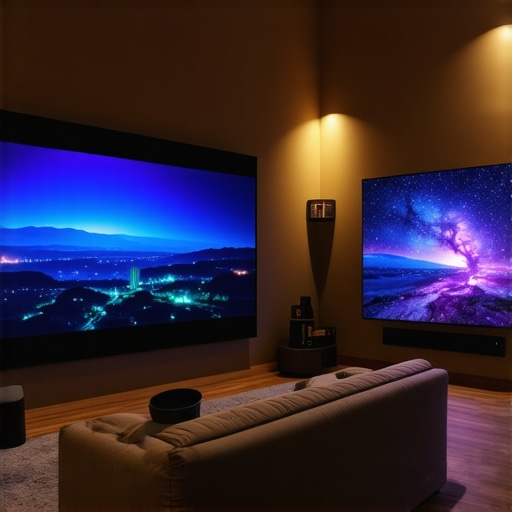
UST Projectors and Their niche appeal
Ultra Short Throw (UST) projectors, often included in home theater deals, excel at saving space, projecting large images from just inches away from the screen. They’re ideal for small rooms or those wanting a sleek setup without ceiling mounts. Compared to conventional large projection setups, UST projectors might sacrifice some image sharpness at edges but offer great convenience. Alternatives like ultra-wide TVs, such as OLED models, may provide comparable large displays but at a premium cost.
4K Projectors for striking clarity
4K projectors are the gold standard in home theater setups, offering sharp, detailed images that elevate movie nights. Leading deals tend to bundle these with high dynamic range (HDR) features, providing vibrant visuals. While a 4K projector’s cost is higher than 1080p models, they deliver a true cinematic experience that cheaper alternatives can’t match. An option to consider is investing in a premium 4K UST projector versus a large 4K OLED TV, depending on room size and budget.
Portable Projectors for versatility
Portable projectors feature heavily in affordable home theater deals, offering flexibility for outdoor screenings or multi-room setups. They’re generally less bright and may lack advanced features but are easy to move and set up. Compared to fixed, high-end home theater projectors, portable options are budget-friendly but sacrifice some image quality and longevity. For occasional use, they’re perfect, whereas dedicated setups favor more permanent, high-performance models.
Are These Deals Worth It Compared to Competitors?
Top deals on home theater and laser projectors often outshine rivals on price, warranty, and features. For example, considering options from brands like Optoma or BenQ, which frequently appear in deal sites, can offer comparable quality at lower prices. Additionally, checking out professional reviews or direct competitor listings like Samsung’s The Premiere laser projector can provide insights into whether the current offerings are the best value.
For your convenience, visit [PriceComparisonSite] to compare current projector deals and find the best options tailored to your budget and needs.
In conclusion, while dedicated home theater deals often promise a premium experience, alternatives like portable projectors or large-screen TVs might be more suitable depending on your environment and budget. Carefully compare specifications, prices, and reviews to find the right balance of performance and affordability for your entertainment setup.
The Good, The Bad, and The Ugly
Pros: Practical airflow tips that can prevent equipment overheating, use of passive and active ventilation methods, DIY solutions that are cost-effective, and adherence to industry standards make this guide a valuable resource for home theater enthusiasts. Cons: Some modifications require technical skill, additional investments in fans or vent materials, and may not be suitable for all closet configurations, potentially leading to clutter or dust ingress if not carefully implemented.
Who Should Embrace These Tips?
This guide is perfect for DIY-minded home theater owners with enclosed closets experiencing temperature issues. Ideal users are those willing to make minor modifications to improve airflow—think creating vents or adding fans. However, if your space is already well-ventilated or you prefer plug-and-play solutions, this might be overkill. Skip this if you lack the time, skills, or budget for DIY adjustments or if your setup is open-air and doesn’t suffer from heat buildup.
Final Verdict: 8/10
Effective ventilation is crucial for maintaining your home theater equipment’s longevity, and this guide offers actionable, budget-friendly strategies to achieve better airflow. While it requires some effort and planning, the potential benefits are significant—reduced overheating, quieter operation, and prolonged device lifespan. For more detailed insights on optimizing your space without costly renovations, check the latest at this comprehensive guide. Don’t let heat ruin your movie nights—invest in your setup now for smoother, cooler operation.