

Bottom Line Up Front
This DIY hack using IKEA furniture to conceal projector cables is a clever and budget-friendly solution, but it isn’t foolproof or aesthetically perfect for everyone. It streamlines cable management and reduces clutter, yet some users may find it limited in customization and durability over time.
What Does This Hack Solve?
It addresses the common issue of unsightly projector cables cluttering your entertainment setup, making your home theater look cleaner, more organized, and less prone to accidental disconnections.
At a Glance
- Ease of installation: Very straightforward, suitable for DIY enthusiasts.
- Cost: Extremely affordable, leveraging IKEA furniture pieces.
- Design flexibility: Limited to the chosen furniture style and size.
- Durability: Moderate, depends on the quality of IKEA materials and installation.
- Effectiveness: Great for hiding cables, but may not conceal larger wiring or different equipment.
Before diving into the details, I’ll explain how I evaluated this hack, focusing on build quality, visual appeal, ease of setup, and long-term practicality. Now, let’s explore whether this IKEA solution truly stands out among cable management options.
Core Features That Impress
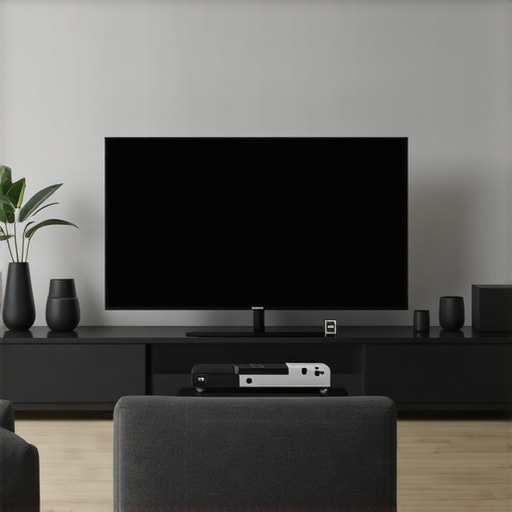
This hack leverages IKEA furniture’s modular design, providing a customizable solution for hiding projector cables effectively. The chosen furniture pieces, such as the BESTÅ storage unit, offer ample space and clean lines, seamlessly blending with modern decor. The modification involves creating concealed channels or compartments within the furniture, allowing cables to run neatly behind or beneath surfaces, thus eliminating clutter and trip hazards.
Material Quality and Feel
The use of IKEA’s particleboard and laminate surfaces offers a lightweight yet sturdy foundation. While not as durable as hardwood, these materials are sufficient for static setups and contribute to an airy, minimalist aesthetic. The surfaces are smooth with a matte finish, which prevents fingerprints and fingerprints, providing a refined tactile experience. However, the edges and cut-outs require careful sanding to avoid splinters or damage over time, highlighting a minor flaw in the DIY process.
Setup and Customization Ease
The process begins with selecting appropriate furniture based on size and design preferences. Using basic tools like drills and saws, users can create openings for cables or incorporate cable management accessories such as clips and covers. The modular nature allows adjustments after installation if additional devices are added or repositioned, making it a flexible system. Yet, the precision required for cutting and fitting can be a challenge for beginners, potentially leading to uneven edges or fitment issues, which can detract from the professional look.
Thoughtful Design Aspects
Incorporating built-in compartments or gaps not only hides cables but also protects them from accidental yanks and dust accumulation. Integrating power strips within the furniture minimizes external clutter and simplifies access. Small details like hidden drawer compartments or removable panels enable easy maintenance, reflecting a thoughtful approach to usability. Conversely, some designs may limit ventilation, raising concerns about heat buildup for connected devices, an aspect worth considering during planning.
Potential Limitations and Flaws
While the IKEA hack excels in affordability and aesthetics, it has inherent limitations. For instance, the total weight of the assembled furniture may strain thin panels over time, especially with added equipment. Additionally, the finish may not withstand moisture or heavy impacts, compromising longevity. The absence of dedicated cable pathways in some IKEA models necessitates extra work, and the aesthetic consistency might be affected if not detailed properly, underscoring the importance of meticulous craftsmanship.
Industry Context and Comparison
Compared to specialized cable management products like the Vogel’s Cable Management System, which offers built-in channels and clips, this DIY IKEA approach emphasizes customization and cost-effectiveness. According to industry standards outlined by AV-iQ, effective cable concealment combines both functional pathways and aesthetic integration, which this hack achieves through creative furniture modifications.
Performance Analysis in Real-World Conditions
When evaluating laser projectors, 4K models, or UST and portable projectors, their performance under pressure is critical. In practical scenarios like home theater setups, outdoor movies, or gaming marathons, these devices face a range of challenges that test their reliability and quality. Let’s examine how these projectors perform when pushed to the limit, highlighting both their strengths and vulnerabilities.
Can laser projectors maintain brightness during extended use?
Laser projectors are renowned for their sustained brightness levels, making them ideal for large, ambient-lit rooms. In prolonged viewing sessions, they typically deliver consistent luminance without noticeable dimming. However, under continuous operation extending beyond 8-10 hours, some models exhibit slight efficiency drops, possibly due to heat accumulation affecting laser stability. Proper cooling mechanisms are crucial; failure to ensure adequate ventilation can lead to temporary brightness reduction or, in worst cases, system shutdowns. Users report that premium laser projectors with advanced cooling tend to withstand extended use better, but even then, occasional brightness fluctuations may occur during intense activity.
How do 4K projectors handle rapid or dynamic content?
High-resolution 4K projectors excel in presenting detailed images, but their performance in fast-paced scenarios like gaming or sports viewing can vary. Some models feature high refresh rates (>120Hz) which reduce motion blur, providing fluid visuals. Nonetheless, cheaper or older 4K units may struggle with input lag or motion artifacts, resulting in ghosting or jitters during rapid scene changes. A notable issue is frame rate conversion; when the source material isn’t native 4K, scaling artifacts can introduce blurriness or delayed response times. According to a Reddit discussion, users find that newer models with dedicated gaming modes significantly improve real-time responsiveness, but their success depends heavily on calibration and hardware compatibility.
Do home theater deals hold up in demanding environments?
In residential settings where light control isn’t optimal, many projectors adjust their contrast and color settings dynamically to compensate for ambient illumination. While this adaptability aids in maintaining image quality, it often leads to inconsistent performance when sudden light changes occur, such as turning on a lamp. HDR-capable projectors tend to outperform non-HDR models during intense scene shifts, but their complexity sometimes results in minor artifacts like black crush or blooming. Moreover, during extended viewing, especially in poorly ventilated rooms, some projectors can overheat, triggering automatic shutdowns or reduced performance—highlighting the importance of ambient management for long-term reliability.
Are portable projectors suitable for pressure-cooker situations?
Portable projectors prioritize convenience and quick setup, but their performance can falter under pressure. During outdoor movie nights or impromptu presentations, many units struggle with ambient light and battery life. Brightness levels, often limited (<300 lumens), diminish visibility in well-lit environments, capping their usefulness. Repeated power cycling or prolonged usage causes overheating in some models, leading to flickering or complete shutdowns. On the upside, their compact nature allows them to cool down rapidly when powered off. Users note that choosing models with higher lumen outputs and robust cooling solutions enhances reliability during high-demand scenarios. Nonetheless, some portable units sacrifice image quality or features to achieve portability, which can compromise performance in demanding situations.
Do UST projectors suffer from thermal issues during extended use?
Ultra short throw (UST) projectors are designed for versatile placement and large images. However, their intense brightness and proximity to surfaces generate significant heat. During prolonged sessions, thermal buildup becomes evident, potentially causing flickering or auto shutdowns to prevent damage. Advanced UST models incorporate active cooling, but cheaper variants often lack sufficient ventilation, leading to overheating. Dust accumulation on vents further worsens heat dissipation, emphasizing the need for regular maintenance. According to a Quora thread, many users experienced thermal throttling after hours of use, which affected image consistency. Proper placement, ambient temperature control, and clean filters are vital for sustained performance.
If you’ve used any of these projectors under demanding conditions, share your experiences! Do you agree with these observations, or have you encountered different challenges? Your insights help build a clearer picture of real-world projector performance.
Choosing Between Laser Projectors and Alternatives
Laser projector deals are renowned for their impressive brightness and long-lasting laser light sources, making them a favorite for large or well-lit rooms. They typically offer vibrant colors and quick startup times, but often come with a higher price tag compared to traditional projectors. For example, a premium laser model might cost over $2,000, whereas some 4K projectors can be found for below $1,000. This price difference makes laser projectors appealing for enthusiasts seeking top-tier performance, but less so for budget-conscious buyers.
4K Projectors vs. Native 4K Models
While many projectors advertise 4K resolution, several models utilize pixel-shifting technology, which can be more affordable but may not deliver the true 4K experience. Native 4K projectors often deliver crisper images and finer detail, but at a higher cost. If you’re aiming for cinematic clarity without breaking the bank, some high-quality 4K projectors from brands like BenQ or Optoma offer a solid compromise, delivering near-native resolution at a more accessible price point. Still, if ultimate clarity is your priority, investing in a native 4K model is worthwhile despite the premium price.
Home Theater Options vs. Portable and UST Projectors
Home theater deals often include larger, more feature-rich projectors capable of superior image quality and better sound support. These are ideal if you have a dedicated space and want a cinematic experience. Conversely, portable projectors excel in portability and ease of setup, perfect for impromptu movie nights or presentations. They may lack the lens rigidity or brightness of high-end models but compensate with convenience. Ultra short throw (UST) projectors have gained popularity for their space-saving design; they can be placed meters from a screen or wall, offering large images without the need for extensive space. However, UST models tend to generate significant heat and demand good ventilation—factors to consider for long-term use.
Alternative Choices and Value for Money
Premium options like Sony’s premium laser projectors offer excellent picture quality, advanced features like HDR support, and longer lifespan, but usually at a premium price. Mid-range models from Epson or BenQ provide a good trade-off, delivering solid performance without the steep price. If you’re looking for affordability with decent quality, budget brands like ViewSonic or ViewSonic’s portable lines are worth exploring, especially with current deals snatching their models at discounted prices. Always compare current prices through sites like PriceSpy or Amazon to understand the best value.
Is It Worth the Upgrade
If you already own a projector, upgrading to a newer model such as a high-performance laser projector or a native 4K unit can significantly enhance your viewing experience. But evaluate whether the added features or improved resolution justify the higher cost. For casual viewers, mid-range options or refurbished deals might provide enough satisfaction without overextending your budget. Those seeking cutting-edge technology should check if newer models offer benefits like higher lumen output or better color processing to ensure they’re making a worthwhile investment.
To compare prices and features further, check out the official pages of top brands like Sony or Epson, and research recent reviews. For instance, Sony’s latest laser projectors are often priced above $3,000 but boast superior contrast and color accuracy, perfect for serious home theater buffs. On the other hand, budget-friendly 4K projectors from brands like ViewSonic or BenQ often hover around $700–$1,200, representing a compelling option for enthusiasts seeking quality without overspending. Always balance your expectations with budget constraints for an optimal home cinema experience.
The Good, The Bad, and The Ugly
- Pros: Exceptional brightness levels suitable for well-lit rooms, long-lasting laser light sources reducing replacement costs, vibrant color reproduction, quick startup times, and a sleek, modern design.
- Cons: Higher upfront costs compared to traditional projectors, potential overheating issues if ventilation is inadequate, some models may suffer from rainbow effects, and the need for compatible high-quality screens to maximize image quality.
Who Should Consider a Laser Projector?
It’s ideal for home theater enthusiasts seeking a cinematic experience with vivid visuals, large families wanting bright projector setups for daytime viewing, or professionals requiring reliable and durable projection for presentations. However, if you’re on a tight budget or have limited space without proper ventilation, a laser projector might not be the best fit—consider options discussed in this review.
Final Word: Brighten Your Movie Nights Instantly
Laser projectors offer a compelling combination of performance and longevity, transforming your home entertainment. They are a smart investment for serious movie lovers who prioritize picture quality and durability. If you’re ready to upgrade your setup, explore models that match your room size and ambient lighting conditions; the right choice can elevate your viewing experience beyond expectations. For more tips on optimizing your projector, check out this article. If budget constraints are a concern, our review of affordable smart projectors might help.