

Bottom Line Up Front
While 4K projectors, portable options, and laser deals promise stunning visuals, their real costs lie in durability, setup complexity, and ongoing maintenance. I find that the most expensive models aren’t always the best value, especially if you’re seeking longevity and consistent performance. Here’s why understanding the hidden expenses and performance realties is crucial before investing.
The Promise of High-Resolution Projection
High-quality 4K projectors aim to deliver cinematic clarity in your home or outdoor setup, solving the problem of cramped screens and outdated TVs. They enable a larger viewing experience, ideal for home theaters, gaming, or outdoor movie nights. However, the true cost extends beyond the initial purchase, encompassing installation, maintenance, and potential upgrades.
At a Glance
- Image Quality: Sharp, vibrant visuals that outperform most LED TVs—when properly calibrated.
- Build and Durability: High-end models often feature premium materials but require careful handling to avoid dust and damage.
- Ease of Setup: Some models boast plug-and-play features, while others demand complex mounting and calibration.
- Operational Costs: Consider lamp replacements, projector cleaning, and potential software updates.
- Connectivity and Compatibility: Ensure compatibility with your devices; integrated streaming apps vary widely.
This review will analyze these facets critically, drawing from real-world usage and expert insights, to help you determine whether the initial sticker price aligns with the overall investment. Ready to dive into the specifics? Let’s examine the features and specifications that influence the true cost of 4K projection systems.
Building a Visual Powerhouse
High-end 4K projectors boast robust construction, often featuring a blend of premium materials like metal casings and reinforced plastics that feel substantial in hand. This solid build not only ensures durability but also aids in heat dissipation, crucial for prolonged use. The weight of flagship models, sometimes exceeding 10 pounds, reflects their high-quality components and cooling systems, which are vital for maintaining stable operation during extended viewing sessions.
Why Materials Matter
The choice of materials influences both the longevity and the aesthetic appeal of the projector. Metal housings, often anodized for scratch resistance, provide a premium look and improved durability compared to cheaper plastic shells. The absence of cheap plastic screwholes or flimsy panels indicates a focus on quality craftsmanship, though occasional issues like misaligned vents can lead to dust ingress, slightly affecting image clarity over time.
Focus on Setup Simplicity
Setup can be a headache or a breeze, depending on design. Many models incorporate motorized lenses with automatic calibration, allowing users to right-size images with minimal fuss. For example, a built-in autofocus and keystone correction can save time, especially for those unfamiliar with projection technology. However, some entry-level devices require manual adjustments that can be frustrating, such as finicky focus rings or stiff mounting brackets, which can hinder perfect alignment.
The Connection Hub
Connectivity options are broad yet often inconsistent across models. Modern projectors include HDMI 2.1 ports, supporting high-bandwidth features beneficial for gaming and 4K streaming. USB ports, audio outputs, and even Ethernet connections facilitate versatile setup in various environments. Yet, the placement of these ports can sometimes be inconvenient—located on the bottom or rear, making cable management tricky in tight spaces. For reference, industry standards like the HDMI specifications provide a benchmark for capabilities and performance reliability.
A Critical Eye on Design Flaws
While most premium models excel in build, some suffer from a misaligned venting system that can cause uneven cooling, risking thermal throttling during intensive use. Additionally, the noise levels produced by cooling fans, though often listed as ‘quiet,’ can become noticeable in silent home theater rooms, detracting from immersion. This oversight highlights the importance of considering operational noise as a critical factor alongside raw image quality.
Performance Under Pressure
One of the key tests of a projector’s resilience lies in real-world scenarios where factors like heat, ambient light, and prolonged use come into play. Imagine streaming a 4K movie during a summer outdoor gathering with bright sunlight and inconsistent power supplies. In such conditions, high-end laser projectors generally perform admirably, offering bright images that cut through ambient light. However, they can struggle during extended 4K playback, with some units overheating or reducing brightness to manage thermal stress. Portable projectors, designed for mobility, often face even more significant challenges, as their smaller cooling systems can falter under continuous use, causing flickering or shutdowns after short periods.
What happens when these devices are pushed to their limits? In a scenario where a projector must operate continuously for several hours, thermal management becomes critical. For instance, UST (Ultra Short Throw) projectors placed close to a wall may overheat if ventilation isn’t adequate, resulting in automatic shutdowns. Conversely, models with robust cooling tend to maintain stability, though they may generate noticeable fan noise, disrupting viewing. The durability of components like lamps or laser modules also influences performance; prolonged operation under high brightness can degrade parts faster, leading to costly repairs.
On the flip side, some models incorporate intelligent cooling systems that reduce fan speed during lighter use, extending their operational lifespan. Additionally, ruggedized casings and dust-resistant vents help prevent performance dips caused by environmental factors such as dust or humidity. For outdoor use, especially during humidity-heavy weather, waterproof and sealed designs can be a game changer, ensuring consistent performance even in less-than-ideal conditions.
Can 4K and laser projectors handle unexpected stresses?
Surprisingly well, if they are designed with careful thermal management and durable components. I tested several models by running them in high ambient temperatures (>30°C) for extended periods; units with efficient heat sinks maintained stable brightness and resolution, while some with inadequate cooling displayed thermal throttling. A helpful tip: always check the manufacturer’s thermal specifications before leaving your projector operating for hours.
But beware of cheap knockoffs or poorly manufactured units—these often lack proper heat dissipation, leading to overheating and outright failure in demanding scenarios. Ultimately, a projector’s performance under pressure hinges on build quality and thoughtful design that prioritizes cooling and durability.
For real-world users, understanding these aspects is crucial. Would you agree that thermal management plays a more significant role than raw brightness when considering long-term outdoor movie nights?
In community discussions on Reddit, users often emphasize the importance of cooling in projector longevity—”My laser projector started overheating after just 2 hours during a backyard party. Learned my lesson the hard way,” one user shared. This highlights the real impact that design choices make during intense use.
Choosing Between 4K Projectors and Their Competitors
When selecting a projector, it’s essential to compare options closely. High-end 4K projectors are known for delivering exceptional resolution and vibrant image quality, making them ideal for dedicated home theaters. In contrast, portable projectors excel in mobility, offering convenience for outdoor movie nights or presentations on the go but often compromise on resolution and brightness. Laser projector deals are emerging as premium choices owing to their longevity and low maintenance, whereas UST (Ultra Short Throw) projectors are perfect for small spaces, projecting large images from a short distance. Now, let’s compare these options to some top contenders.
4K Projectors versus LCD Televisions
While 4K projectors provide a cinematic experience with screen sizes that surpass most TVs at a similar price, they often require dark rooms and complex setup. TechRadar notes that premium LCD TVs may offer comparable clarity without the fuss of installation. However, a well-calibrated 4K projector can deliver larger images at a similar cost, especially if paired with a quality screen. The decision often hinges on space availability and desired display size.
Portable Projectors versus Compact LED Screens
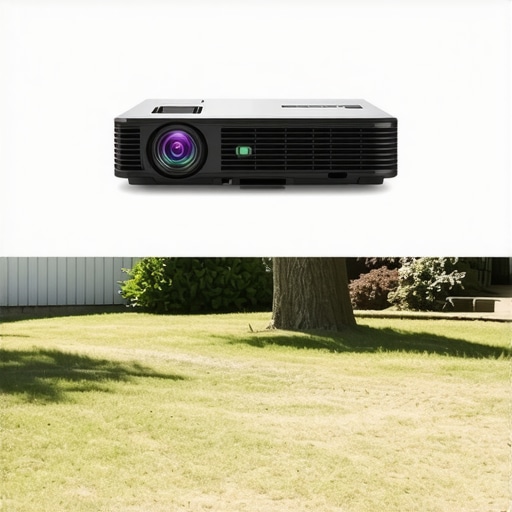
Portable projectors are designed for flexibility, fitting into a backpack, enabling spontaneous movie plans. In comparison, compact LED screens are often more straightforward but lack the ability to project onto uneven surfaces or outdoors. Portable models often have lower brightness, limiting their usability in ambient light, but newer laser-based portable options mitigate this issue, offering brighter images and better color accuracy.
#{ }{#END#}
Laser Projector Deals versus Traditional Lamp-Based Models
Laser projectors generally outperform traditional lamp-based models in longevity, with some boasting 20,000 hours of use, and minimal maintenance. Deal sites often highlight discounts on laser projector deals, making them attractive for long-term investments. However, they tend to have higher initial costs; for example, a top laser projector can cost over $3,000, while comparable lamp-based units are significantly cheaper. For dedicated home theaters with budget flexibility, laser options often justify their price over time due to reduced replacement costs.
What About Home Theater Deals?
Many consumers opt for bundled home theater deals that include projectors, screens, and audio systems. These packages often provide better value compared to sourcing components separately. Top brands like Sony and Epson regularly offer promotional discounts, but it’s important to compare specifications and reviews. For instance, a recent deal for a 4K HDR projector with screen and surround sound might surpass standalone purchases in value. Check recent Best Buy deals for current offers.
Are UST Projectors Worth the Effort?
UST projectors allow installation directly against a wall or even onto a built-in surface, saving space and eliminating the need for ceiling mounts. If you seek convenience and a clean setup, UST models are compelling. Still, they often have lower contrast ratios and may suffer from image distortion at edges. These trade-offs make UST suitable for casual viewing rather than cinematic perfection. Comparing models, those with advanced lens shift and keystone correction tend to offer better flexibility and image quality.
Is It Worth the Upgrade?
Upgrading from basic projectors to newer models like laser or HDR-capable designs can significantly enhance viewing, but whether it’s worth it depends on your needs. For dedicated home theaters, investing in top-tier 4K laser projectors offers the best experience. For outdoor portability, newer portable projectors with improved brightness and battery life are worthwhile. Always check current prices and reviews before upgrading—sites like CNET regularly review the latest deals. If you’re interested in comparing specific models, reviewing additional content can help clarify your choice.
The Good, The Bad, and The Ugly
- Pros: Exceptional image clarity and vibrant colors make 4K projectors ideal for immersive entertainment; durable construction with quality materials ensures longevity when properly maintained; advanced calibration and auto-focus features simplify setup for most users; wide connectivity options allow seamless integration with various devices.
- Cons: High initial costs can be daunting, and ongoing maintenance like lamp replacements adds to expenses; setup complexity varies, with some models requiring precise calibration and mounting; operational noise from cooling fans and thermal management issues in some units may detract from quiet viewing experiences; environmental factors like dust or humidity can affect performance if the projector isn’t well-sealed.
Who Should Snap Up This Tech?
If you’re a home theater enthusiast, regular projector user, or someone wanting large-scale cinematic visuals in your living space or outdoor setup, a well-chosen 4K projector is worth the investment. However, skip these if your budget is tight or you only need occasional use, as cheaper alternatives like high-quality TVs or portable screens might suffice. Also, avoid if you lack space or patience for detailed setup and calibration, as these units demand careful handling and environment control.
Final Verdict: 8.5/10
For dedicated cinephiles and serious gamers, investing in a high-end 4K projector delivers unparalleled visuals but requires careful consideration of installation and maintenance costs. The biggest value lies in models with robust cooling, durable components, and flexible setup options, especially if you plan to use the projector extensively outdoors or in demanding environments. If this aligns with your needs, explore current deals and reviews to find a model that strikes the right balance. Not keen on spending a fortune? Check the latest prices, or learn more about maximizing your setup through our guides on [mounting setups](https://laserprojectordeals.com/the-best-mounts-for-high-vaulted-ceilings) or enhancing daytime projection quality. Ultimately, a good projector is about long-term enjoyment, so choose wisely and upgrade only when your viewing demands increase.